







Introduction:The charm of pour over coffee lies in manually controlling every detail, yet many people often feel there’s a gap between the flavor at home and that of café-brewed coffee. This article delves into the four key elements of pour over: water temperature, grind size, coffee-to-water ratio, and pouring technique. It also introduces five classic methods—three-stage pouring, stirring bloom, Japanese drip, one-pour, and volcano pour—in detail to help you identify extraction issues and elevate your home brewing quality.
The allure of pour over coffee is that every step is personally controlled—from bean selection and grinding to pouring—where each detail affects the final flavor. However, many coffee enthusiasts find a noticeable difference between their home brews and those from cafés. In fact, by mastering the right parameters and techniques, this gap can be significantly narrowed. This article will explore four core aspects: water temperature, grind level, coffee-to-water ratio, and pouring technique, guiding you through how to adjust these variables and analyzing five classic pour over methods. Whether you’re a beginner or have some brewing experience, you’ll find practical advice here.
With the rise of specialty coffee culture, pour over has become the preferred method for many coffee lovers. The act of manually pouring water is not just a brewing technique but also a ritualistic experience. Yet, many encounter unexpected flavors when trying it at home, struggling to pinpoint whether the issue lies with water temperature, grind size, bloom time, or pouring style. This article will systematically break down these four key aspects, helping you build structured pour over knowledge and master five classic pouring techniques to improve your success rate at home.
I. Controlling Water Temperature in Pour Over Coffee
Water temperature is one of the key factors affecting coffee extraction efficiency. Generally speaking, the higher the water temperature, the stronger the extraction ability, resulting in bolder, more bitter flavors; conversely, lower temperatures yield gentler extractions with brighter acidity and a crisper mouthfeel. For different roast levels, the following water temperature recommendations apply:Light to medium roasts suit 91–93°C, while medium to dark roasts are better brewed at 86–88°C.This range helps you better highlight the beans’ inherent flavors.
It’s important to note that using high temperatures for dark roasts can easily lead to over-extraction, bringing out bitterness and harsh notes; on the other hand, low temperatures for light roasts may result in under-extraction and a flat flavor. Therefore, adjusting water temperature according to roast level is the first step toward successful pour over.
II. Choosing the Right Grind Size
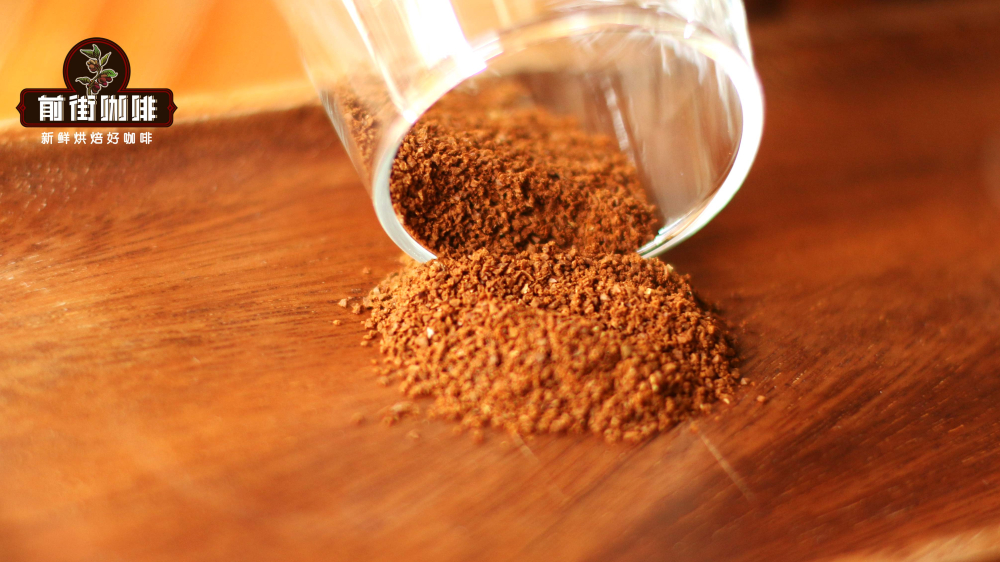
Grind size directly impacts contact time between coffee and water, as well as extraction efficiency. The finer the grind, the greater the surface area and the more substances extracted—but over-extraction becomes more likely. Conversely, an overly coarse grind may lead to under-extraction. A standard benchmark for pour over is 80% passing through a Chinese standard No. 20 sieve, a figure confirmed through multiple tests to achieve a good balance.
If your brew turns out either too sour or too bitter, start by checking whether the grind size is appropriate. For example, when switching from medium to light roasts, consider fine-tuning the grind slightly finer; conversely, if brewing darker roasts, adjust the grind a bit coarser to avoid over-extraction.
III. Setting the Coffee-to-Water Ratio
The coffee-to-water ratio determines the strength of your brew, with common ratios including 1:10, 1:13, 1:15, and 1:16. Among these,1:15 is the widely recommended golden ratio,striking a good balance between strength and mouthfeel. Of course, personal taste preferences vary, so you can fine-tune the ratio to find your ideal strength.
IV. Analysis of Five Classic Pour Over Pouring Techniques
1. Three-Stage Pouring Method
Ideal for light to medium roasted beans, the three-stage method is the most beginner-friendly pouring style. By dividing the pour into stages, it clearly highlights the distinct flavor phases of the coffee—beginning, middle, and end—helping to fully express the bean’s potential.
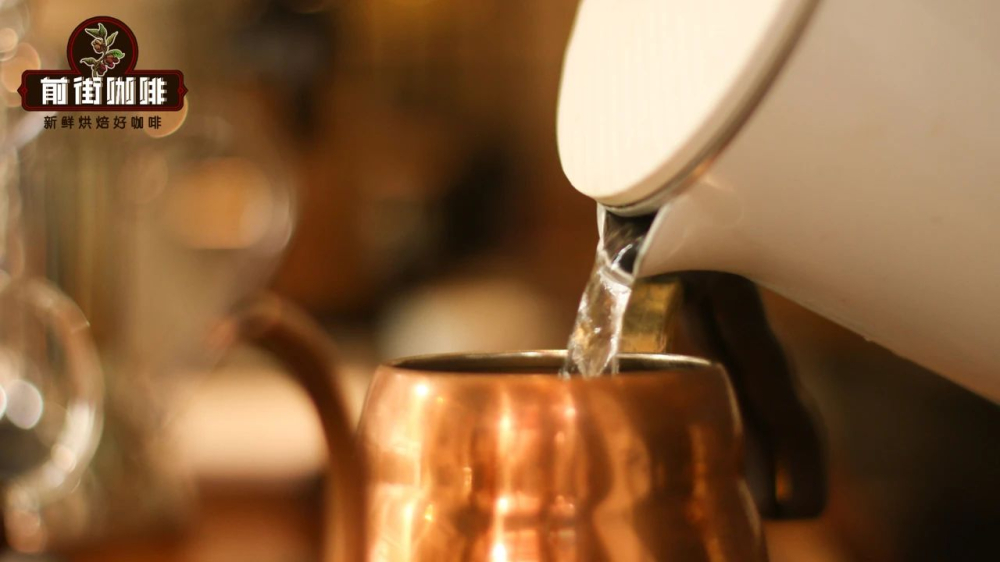
First Pour (Bloom):The goal is to release CO₂ from the coffee grounds and promote even absorption afterward. It’s recommended to pour about twice the weight of the coffee in water, with a bloom time of around 30 seconds. During blooming, pour gently, keep the coffee bed level, and avoid excessive dripping into the server.
Second Pour:Start pouring from the center of the coffee bed, using a gentle stream and moving in small circles about the size of a coin, avoiding pouring above the height of the coffee bed.
Third Pour:Begin when the water level drops to about half. Pour again from the center in a circular motion, observing foam and bed changes. Slightly increase agitation to promote even extraction, while maintaining a steady pour rhythm to avoid too many gaps that could lead to off-flavors in the finish.
2. Stirred Bloom Method
Originating from Europe and America, this method is suitable for light roasts. Typically, during the bloom stage, a stirring stick is used to perform a cross stir, which helps enhance the release of aromatic compounds, resulting in a more layered coffee flavor. This technique demands high-quality beans and works best with fine grinds and high-penetration pour over tools, such as Hario V60 filters and BONO pour over kettles, to reduce the risk of over-extraction.
3. Japanese Drip Method
Also known as essence-style extraction, this method uses an extremely fine stream of water. Through low flow and prolonged contact time, it delivers a rich, sweet coffee profile. Suitable for medium to dark or dark roasts, it’s recommended to use a pour over kettle with a flat, wide spout and a Kono cone filter to minimize filter layer disruption and excessive convection—ideal for those who prefer a bold, full-bodied cup.
4. One-Pour Method
As the name suggests, the one-pour technique involves a single continuous pour after the bloom. This method maintains balanced flavors but requires precise control over flow rate and water volume to prevent water from bypassing the filter paper edges, which can introduce unwanted wateriness.
5. Volcano Pour Method
Originating from Japan, the volcano pour is suited for dark roasts. It involves multiple blooms that make the coffee grounds swell like a volcano. Often paired with a cloth filter or V60, this method focuses extraction by pouring in the center before evening out with wider pours to reduce off-flavors. Its strength lies in a rich, sweet aftertaste, but uniformity in the later stages is key—shaking the cup before drinking is recommended.
V. Common Extraction Issues and Solutions
Common pour over mistakes include poor blooming due to stale beans, inconsistent flow caused by unsuitable grind size, and unstable pouring techniques leading to over- or under-extraction. To stabilize your results, use a thermometer to accurately control water temperature and adjust grind size and technique based on bean characteristics—this way, you can consistently brew satisfying cups of coffee.
The above content is compiled by CoffeeHunters, a coffee news website.


