








Introduction:Pour-over coffee and espresso made with an espresso machine each have their own strengths in extraction methods, flavor profiles, and operational difficulty. This article delves into the core differences between the two—from the 9-bar pressure extraction of espresso to the unpressurized free filtration process of pour-over—and provides a three-stage pouring technique along with practical parameters. Featuring a flavor profile spotlight on Ethiopian Yirgacheffe, it helps you find the coffee type that best suits your taste preferences.
When you walk into a café, the menu often lists both “pour-over” and “espresso” categories. For coffee beginners, aside from price and appearance differences, how are these two types actually made? And how do their flavors differ? This article will start from the principles of extraction, comparing the free filtration of pour-over with the high-pressure characteristics of espresso machines, and guide you through practical techniques like the three-stage pouring method. Finally, using Ethiopian Yirgacheffe G2 as an example, we’ll analyze its unique flavor characteristics.
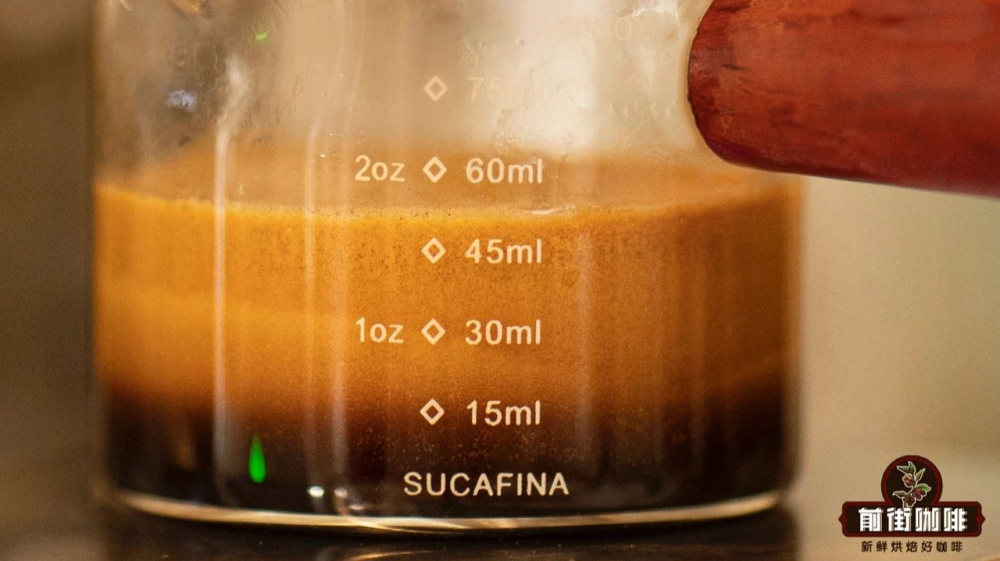
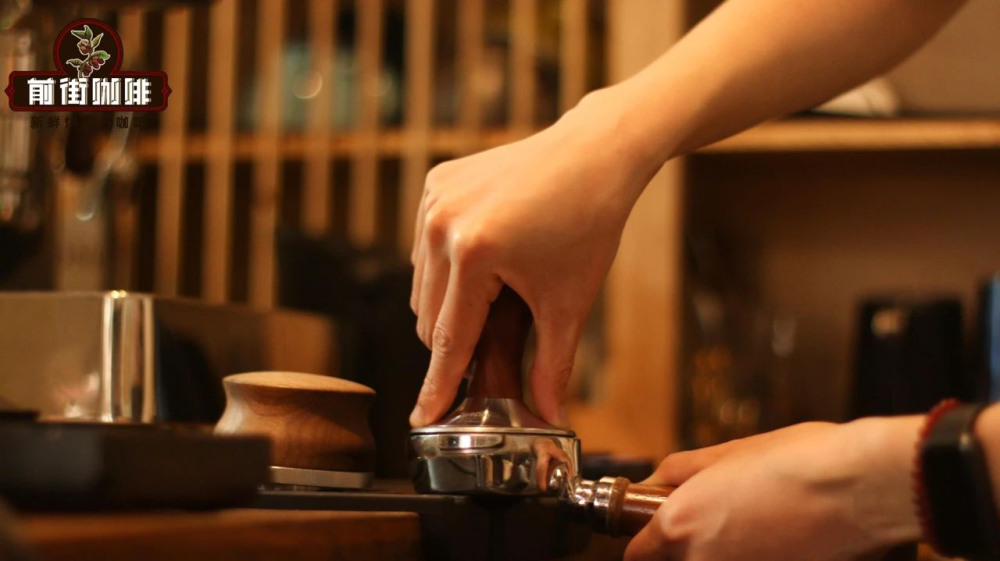
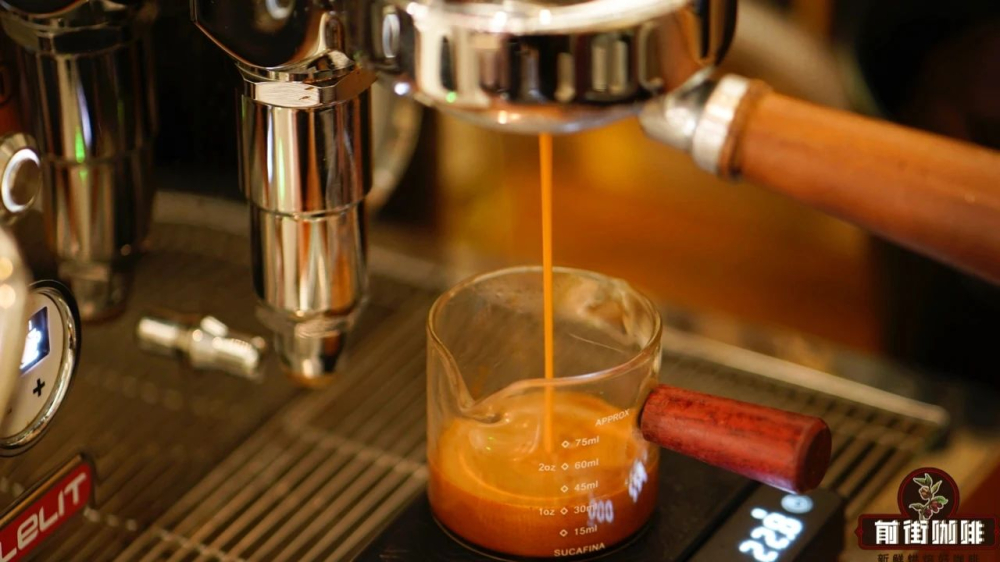
The essence of espresso lies in the9-bar pressuregenerated by the espresso machine, which extracts a concentrated shot of coffee in an extremely short time. This high-pressure environment allows water to quickly penetrate the compact coffee puck, dissolving a high concentration of flavor compounds and producing a rich, thick-espresso with a generous crema. The typical process includes cleaning the portafilter, accurately dosing the coffee (with an error controlled within ±0.1 gram, commonly around 19 grams), evenly distributing the grounds to avoid uneven density, using a tamper to compress the puck and ensure a flat surface, initiating extraction quickly (ideally completing it within 27 seconds), and recording the38-gram yield (1:2 coffee-to-water ratio). Finally, the group head is cleaned to prevent residue from affecting the flavor.
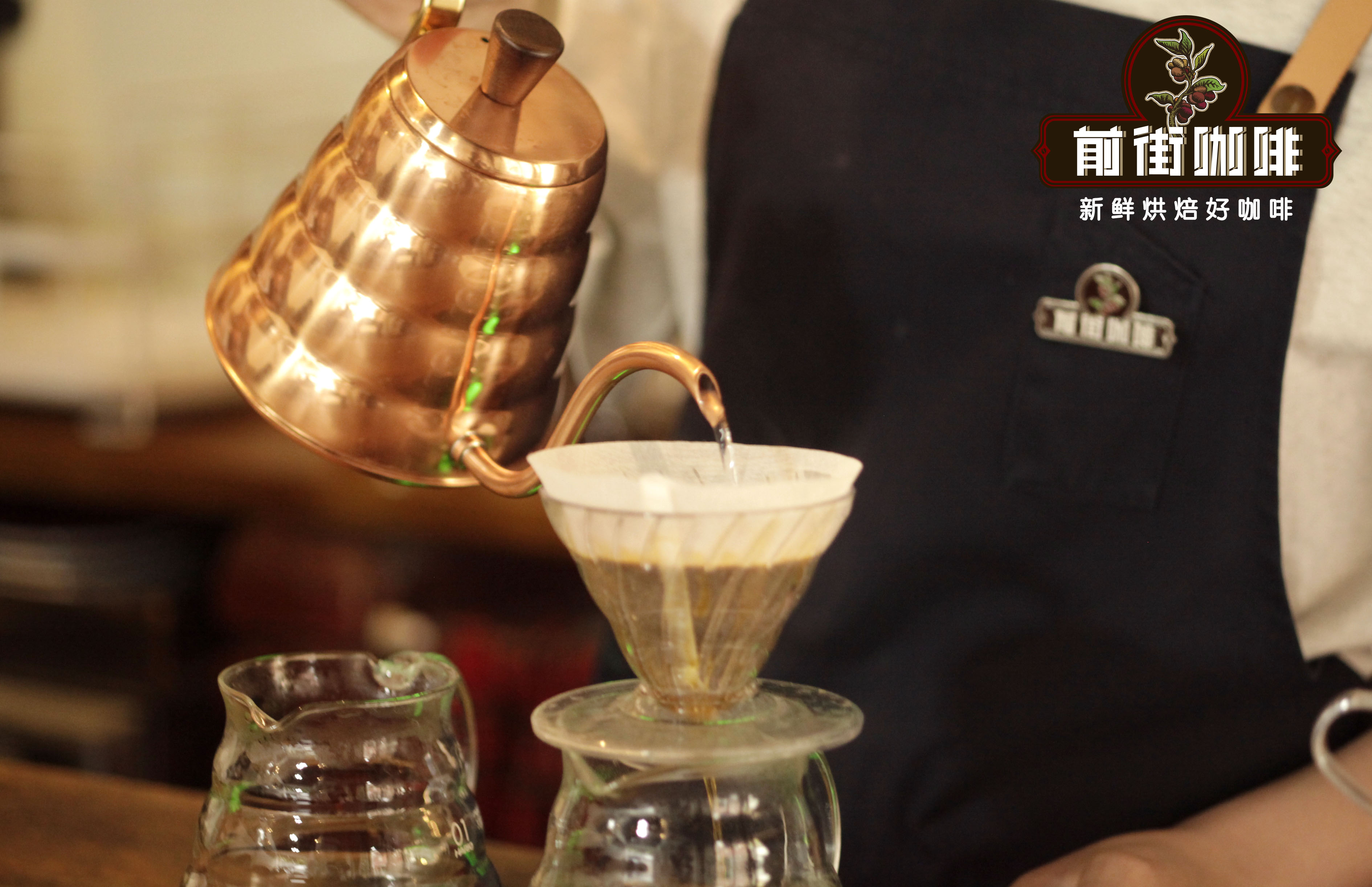
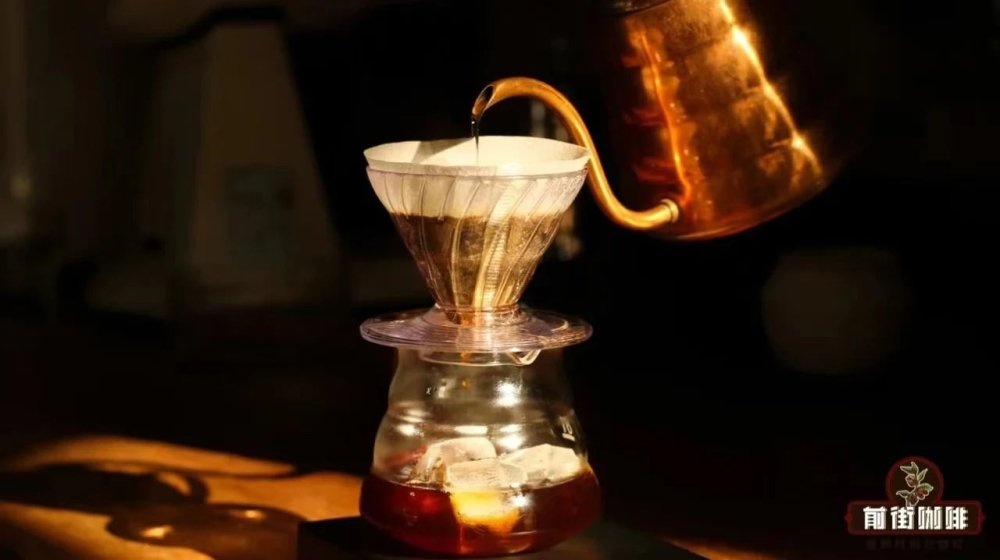
In contrast, pour-over coffee uses an unpressurized free filtration method, where the speed and distribution of the water flow directly determine extraction efficiency. The filter paper plays a key role—not only filtering out coffee grounds but also influencing the cleanliness of the final cup texture. Its biggest advantage is that it faithfully presents the intrinsic flavors of the coffee beans, with simple equipment and high operational flexibility, making it ideal for exploring the characteristics of different origins. Take the “three-stage pouring” technique as an example: this method divides the brewing process into three stages. The first stage involves pouring a small amount of hot water (e.g., 30 grams for 15 grams of coffee) for a 30-second bloom to allow the coffee grounds to expand and release aromas; the second stage maintains a steady water flow (e.g., 100 grams) to release the bloom; and the third stage supplements the remaining water (e.g., 95 grams) according to the water level drop (usually to 1/2 or 2/3 of the height), ensuring even extraction across the upper and lower layers of the coffee bed.
In actual operation, timing control for the three-stage pour requires attention to two key points: the second stage is typically started 30 seconds after the bloom, and the third stage should be initiated by observing the water level in the brewer—when it drops to 1/2 or 2/3, add more water. This approach prevents over-extraction caused by excessive water pooling and also avoids under-extraction due to too low a water level. The water flow should remain vertical and stable, and the foam generated as it impacts the coffee bed can serve as a reference for the progress of extraction.
For beginners new to pour-over, it’s recommended to start with beans that have a bright and distinctive flavor and acidity. Take Ethiopian washed Yirgacheffe G2 as an example—this bean variety is grown at high altitudes of 1800–2000 meters and, after being washed, retains clean and refreshing characteristics. Its flavor profile includesjasmine, berries, lemon, and citrus, with a vibrant acidity as fresh as lemon tea, and a light, tea-like mouthfeel. It’s very suitable for developing an understanding of regional flavor profiles. Recommended parameters are: 15 grams of coffee,90–91°C water temperature,1:15 coffee-to-water ratio, medium-coarse grind (approximately 80% passing through a #20 sieve). The pouring sequence is as follows: first stage—30 grams for a 30-second bloom; then 95 grams (totaling about 125 grams) poured over approximately 1 minute; and finally 100 grams (totaling about 225 grams) added when the water level drops to 2/3 of the coffee bed. Total extraction time is about 1 minute 55 seconds to 2 minutes.
Whether you choose pour-over or an espresso machine, understanding the principles of extraction and adjusting parameters is key. Espresso is ideal for those seeking a rich flavor and the versatility of milk-based drinks, while pour-over allows for a more nuanced exploration of the intrinsic flavors of coffee beans. Through hands-on practice and parameter recording, you’ll gradually discover the coffee type and brewing method that best match your personal taste.
The above content is compiled by CoffeeHunters, a coffee news website.


