







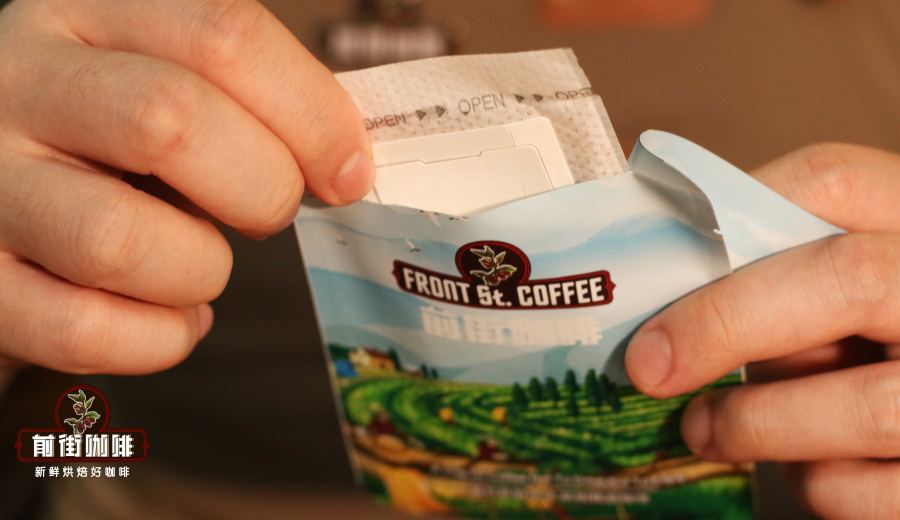
Introduction:Drip bags are a convenient yet high-quality method of brewing specialty coffee, perfect for enjoying professional-grade flavors at home with ease. This article introduces five representative single-origin drip bags, showcasing a range from fresh tea-like notes and gentle floral aromas to sweet fruity profiles, rich fermentations, and bold body. It also details the quality control processes in grinding and packaging by professional roasters, along with comprehensive pour-over parameters and illustrated steps to help you consistently brew an ideal cup of coffee.
The origin of drip bags dates back to 1990, when they were first created by Japan’s Yamasan Industry Co., Ltd., inspired by tea bag design and adapted for coffee brewing—later patented. With the growing popularity of specialty coffee culture, this convenient extraction method that doesn’t compromise on flavor has become a favorite among many coffee enthusiasts. This article recommends five popular single-origin drip bags, each highlighting unique characteristics such as tea-like notes, floral aromas, fruity profiles, fermentation notes, and bold body. It also shares quality control details from professional roasters in grinding and packaging, plus standard pour-over instructions, allowing you to easily enjoy a high-quality cup of coffee at home.
Tea-like Flavor Representative: Yirgacheffe Guddina
Originating from Ethiopia’s renowned Yirgacheffe region and processed using the washed method, this coffee typically exhibits a bright and clean acidity dominated by citrus notes, complemented by delicate jasmine floral aromas. The finish carries a refreshing hint of honey and green tea, making it suitable for beginners or those who prefer a crisp taste profile.
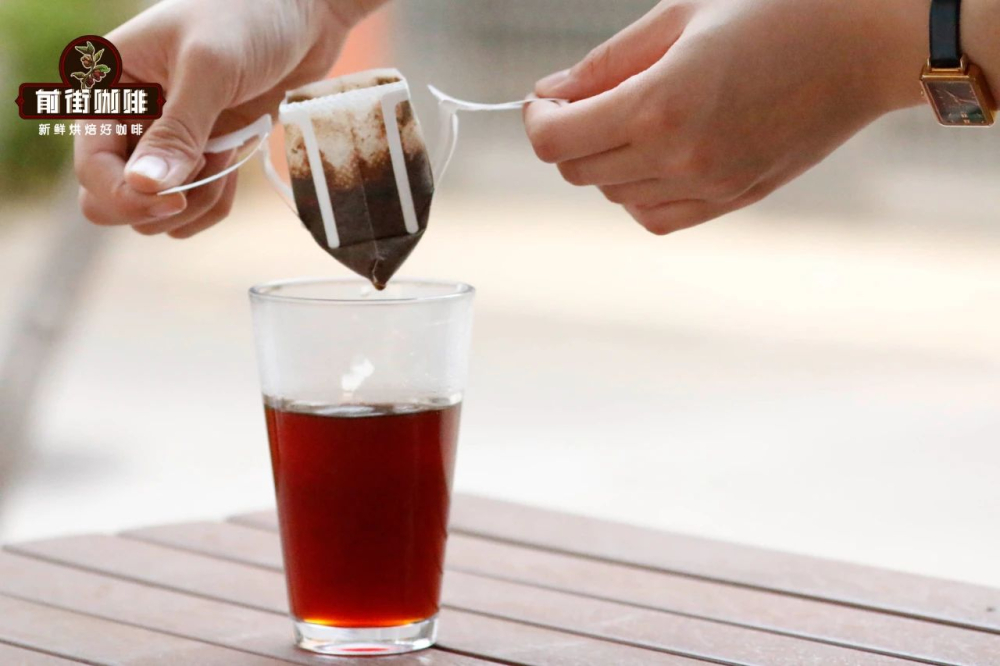
Region: Yirgacheffe Gedeo Zone, altitude 1900–2300 meters, variety: Heirloom, processing: washed. Common flavor notes include fermentation aromas and tropical fruit tones, which may develop into berry and creamy sensations as the coffee cools. The lingering citrus acidity is persistent and pleasant.
Floral Flavor Recommendation: Panama Geisha Butterfly
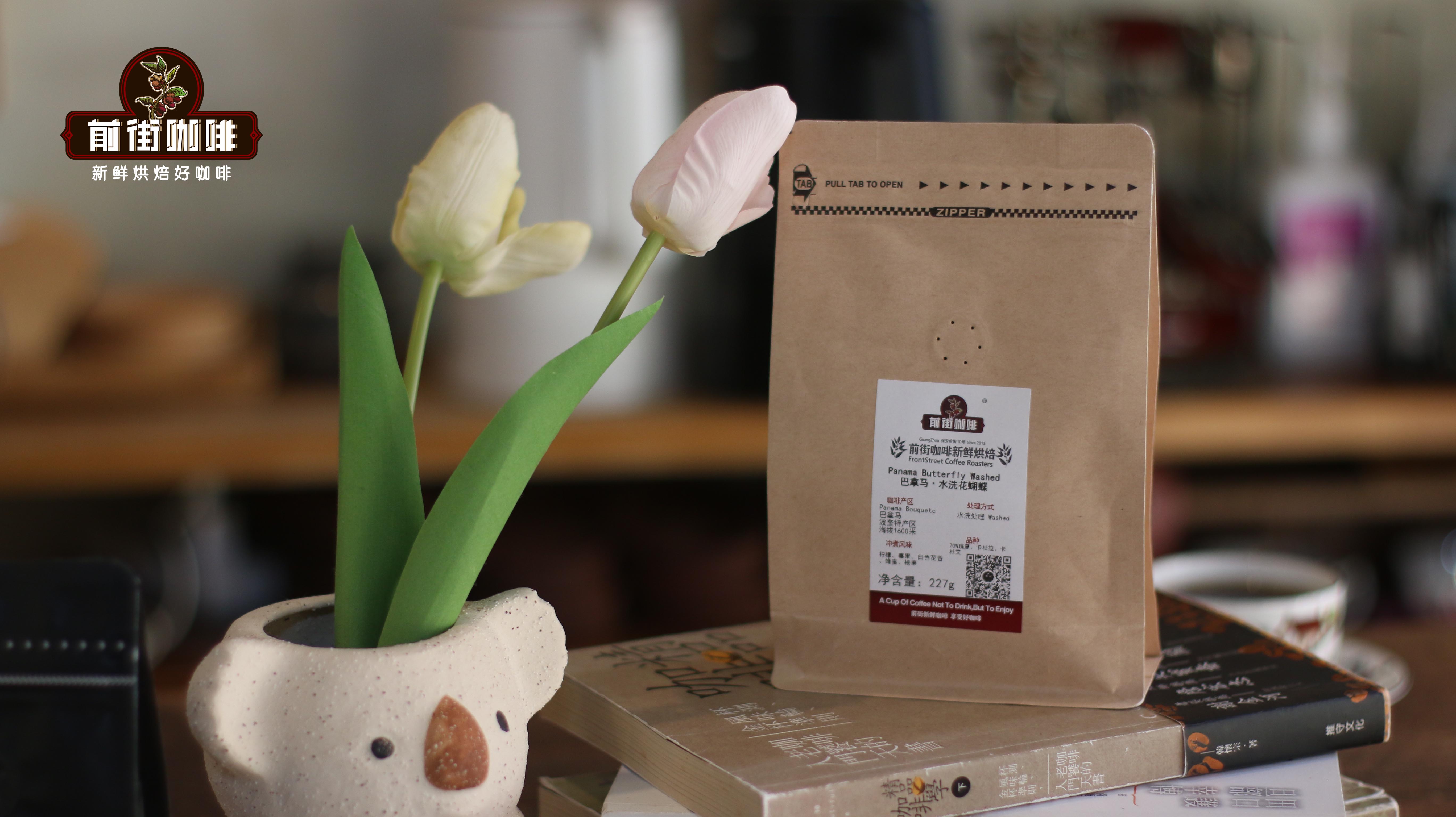
This drip bag coffee blend consists of 70% Geisha, along with Catuai and Caturra, grown in the Baru Volcano region of Boquete, Panama, at an altitude of about 1600 meters. Thanks to its unique microclimate and meticulous processing, this coffee delivers a rich layered profile with bright acidity, prominent floral notes, and a solid body paired with a smooth drinking experience.
Region: Boquete, Panama, altitude 1600 meters, processing: washed, varieties: Geisha, Catuai, and Caturra. Typical flavors include floral notes, black tea, berries, and citrus, with a mild nutty finish. The overall acidity is moderate and bitterness low, making it a high-value specialty coffee.
Fruity Flavor Choice: Costa Rica Strawberry Candy
This drip bag uses a Geisha blend from Finca Mirasol in the Tarrazú region of Costa Rica, combining Geisha, ET47, SL28, and MACIO varieties, and is processed with the raisin honey method. This technique retains the full fruit mucilage without water washing and strictly controls the drying process, resulting in rich sweetness and unique fermentation aromas.
Region: Tarrazú, Costa Rica, altitude 1700 meters, processing: raisin honey, varieties: Geisha, ET47, SL28, and MACIO. Brewed cups often exhibit dried fruit fermentation notes, jasmine floral aromas, gentle fruit acidity, and a sweet almond finish, with overall pronounced sweetness and layered complexity.
Strong Fermentation Aroma: Colombia Sidra
Sourced from the Finca La Línea in the Huila region of Colombia and processed with a double anaerobic natural method at around 1700 meters altitude, this coffee is of the Sidra variety. The anaerobic fermentation enhances the fruitiness and sweetness, giving this coffee intense tropical fruit and fermentation profiles while maintaining a bold body and chocolatey aftertaste.
Region: Huila, Colombia, altitude 1700 meters, processing: double anaerobic natural, variety: Sidra. Flavor notes include berry aromas, passionfruit, grape, almond, and dried fruit, offering a rich mouthfeel with a bold chocolatey finish.
Balanced Body Option: Brazil Queen Estate
Thanks to Brazil’s flat terrain and stable climate, its coffee beans are typically known for low acidity, rich sweetness, and a bold body. This Queen Estate coffee comes from the Mogiana region, processed with the natural method using the Yellow Bourbon variety, showcasing rich dried fruit and chocolate notes with soft acidity well-balanced by sweetness.
Region: Mogiana, Brazil, altitude 1400–1950 meters, variety: Yellow Bourbon, processing: natural. Flavor characteristics include high sweetness and clean profile, with some batches offering tropical fruit aromas. The overall balance makes it suitable for everyday drinking.
Bold Body Recommendation: Indonesia PWN Golden Mandheling
Sourced from the Gayo region of Sumatra, Indonesia, and carefully selected by renowned green bean supplier PWN, only plump and defect-free beans are chosen. Processed with the wet-hulled method, this coffee offers unique spicy and herbal notes. It has a bold and substantial body, with common flavors including cocoa, caramel, dark chocolate, pine, and spices, and a long-lasting appealing finish.
Region: Gayo, Sumatra, altitude 1400–1600 meters, variety: Ateng, processing: wet-hulled. Its flavor profile is rich with herbal, pine, caramel, and chocolate notes, and a pronounced aftertaste with a solid body—highly favored by those who enjoy intense flavors.
In the production of drip bags, brands pay special attention to several key quality control steps: first isgrinder cleanlinessto avoid flavor contamination between different beans; next isgrind size control, as inconsistent grind or excessive fines can cause flow rate issues, affecting extraction efficiency and flavor; finally, there isautomated packaging technology, utilizing nitrogen flushing and high-seal packaging to effectively slow down oxidation and preserve freshness.
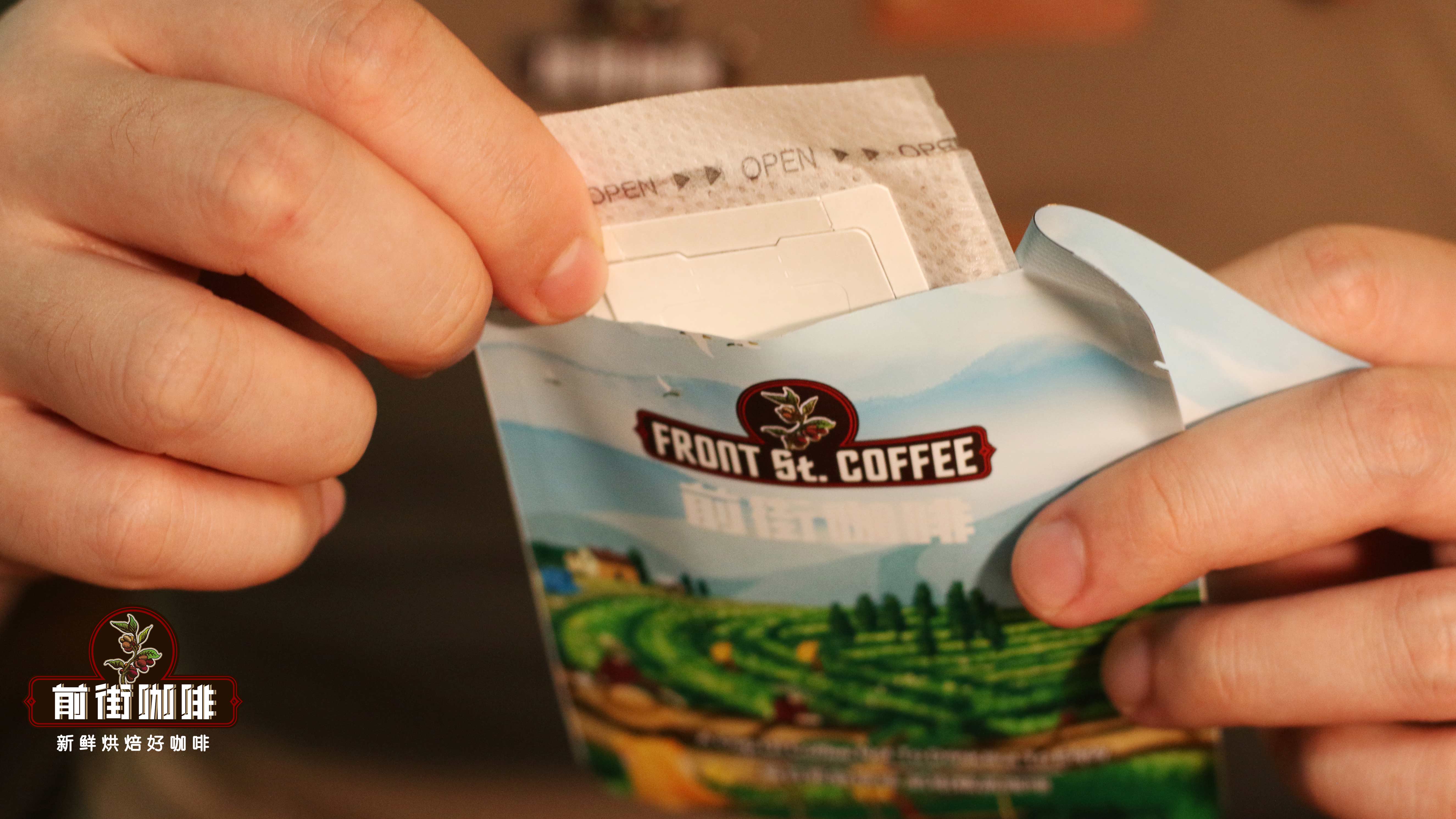
Recommended standard pour-over parameters: each drip bag contains approximately 10 grams of coffee grounds. A brew ratio of 1:15 to 1:16 is suggested, aiming for a total brew volume of about 140–150 ml, with water temperature controlled around 90°C (let boiled water sit off heat for 2–3 minutes to reach ideal temperature). To brew, hang the drip bag on the cup rim, gently shake to level the coffee bed, then start with a small amount of hot water for a 30-second bloom. Proceed to pour in small circles, gradually increasing water volume to target, completing the brew in about 1 minute for a professional-grade cup.
The above content is compiled by CoffeeHunters, a coffee news website.


