







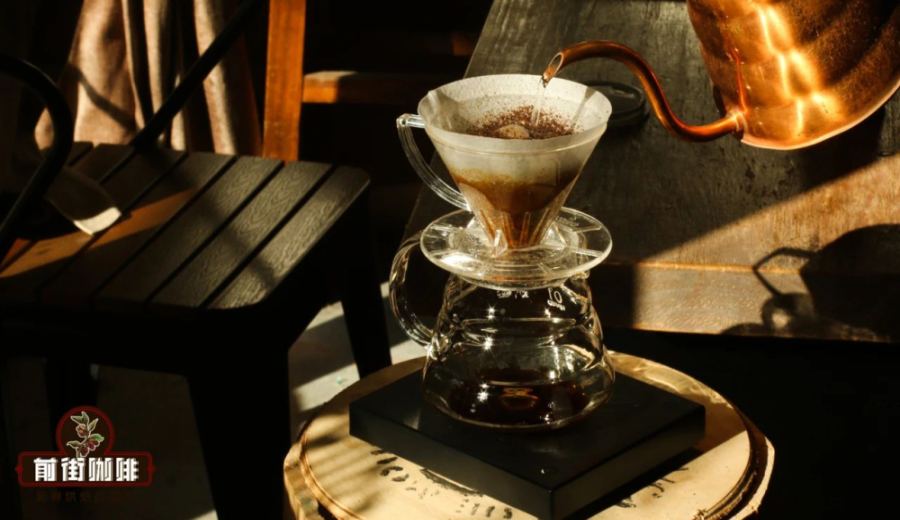
Introduction:Brewing a flavorful pour over coffee at home hinges on mastering basic equipment selection, precise extraction parameters, and understanding the unique flavor profiles of coffee beans from different regions. This article will guide you from the ground up—covering the core principles of pour over brewing, detailing essential tools and accessories, offering grind size and water temperature recommendations for both light-to-medium and medium-to-dark roasted beans, and recommending classic Arabica beans from three major regions: Africa, the Americas, and Asia. Finally, we’ll provide a complete step-by-step brewing guide to help you easily begin your professional-grade pour over experience.
To brew an outstanding pour over coffee at home, beyond enthusiasm, you’ll need a deeper understanding of equipment, parameters, and the flavor characteristics of coffee beans. From the pour over kettle, filter cone, filter paper, to the grinder—each element can influence the final taste. This article will give you a comprehensive overview of the foundational principles of pour over coffee, break down each essential tool and accessory, share grind size and water temperature suggestions based on roast level, and recommend several beginner-friendly Arabica coffees that showcase the flavors of classic African, American, and Asian regions. We’ll also provide a detailed brewing process to help you confidently step into your own coffee journey.
Why is pour over coffee so captivating? The key lies in the brewer’s high degree of control—from water pouring speed and angle to temperature, every detail directly affects the extraction outcome. Though the required tools aren’t complex, consistently extracting balanced, layered flavors still demands a certain level of technique and process mastery.
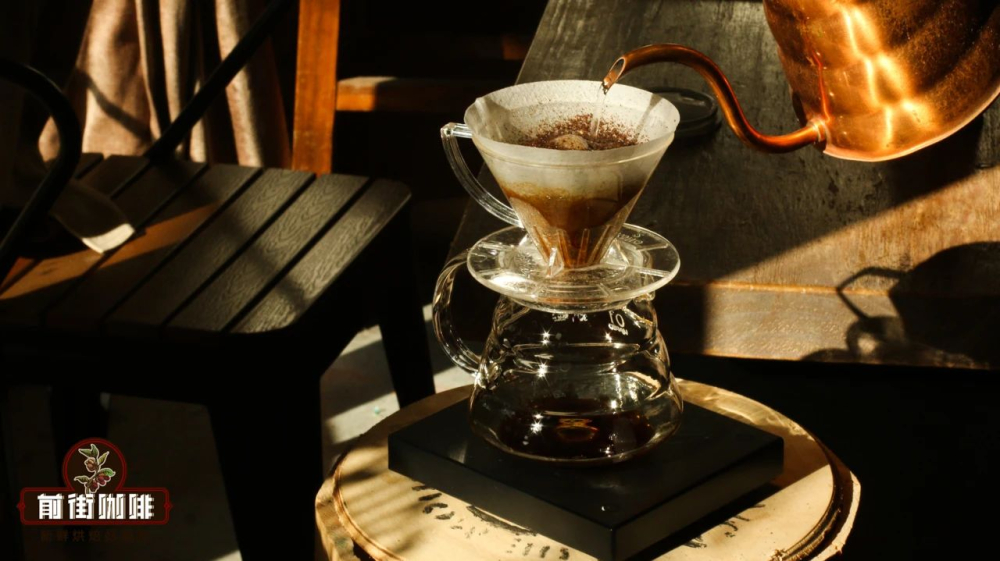
The essence of pour over coffee is the process of hot water slowly penetrating a bed of coffee grounds and extracting flavor compounds through a filter paper or screen, with the entire extraction typically taking between three to four minutes. Since the process relies entirely on manual control, each brew may yield subtle variations. Though the tools are not complicated, it demands relatively high levels of brewing experience and skill—which is precisely why pour over coffee becomes such a rewarding area of exploration for many coffee enthusiasts.
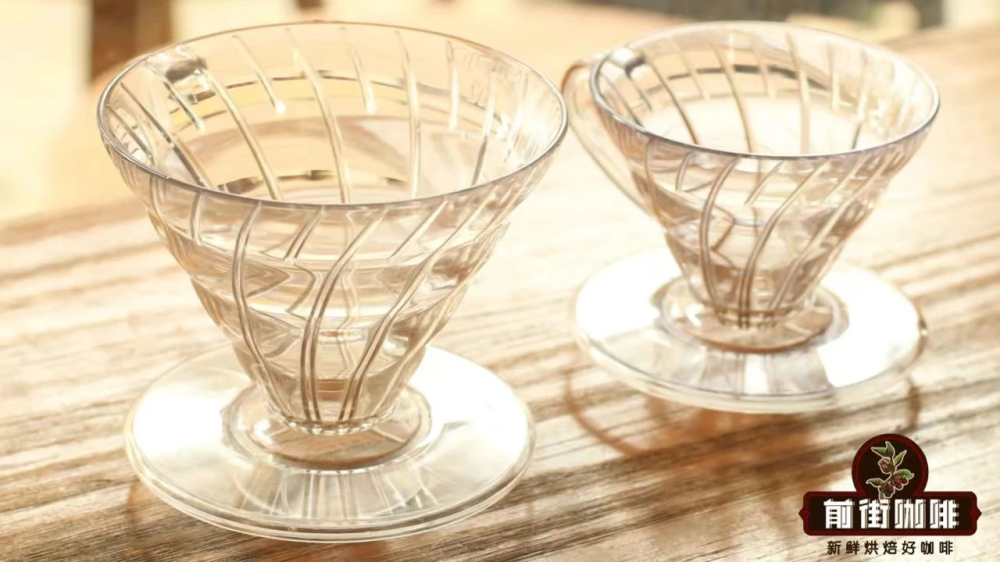
To get started with pour over coffee, first prepare the following basic tools: pour over kettle, filter cone, filter paper, grinder, and a server or cup to catch the brewed coffee. Among them, the design of the kettle’s spout greatly affects water pouring control—beginners are advised to choose a narrow-spouted gooseneck kettle (see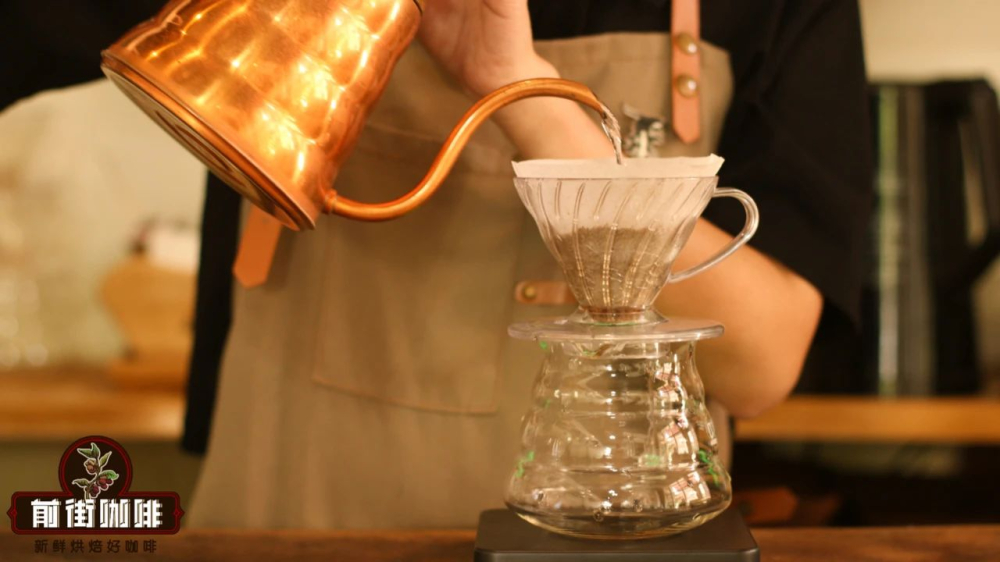 ), which allows for stable water flow and adjustable pouring angles. Filter cones come in three shapes: fan-shaped, conical, and wave-shaped. Each design affects the size of the filter holes and flow rate, thereby altering the coffee’s mouthfeel. For example, fan-shaped cones have a slower flow rate, leading to fuller extraction and typically a richer body; conical cones have a faster flow rate, resulting in a cleaner, lighter flavor; wave-shaped cones have a flat bottom and require special filter paper, offering more balanced flavor expression. There are also metal filter cones that preserve more oils for a richer taste, but may allow fine coffee particles to pass through, affecting clarity.
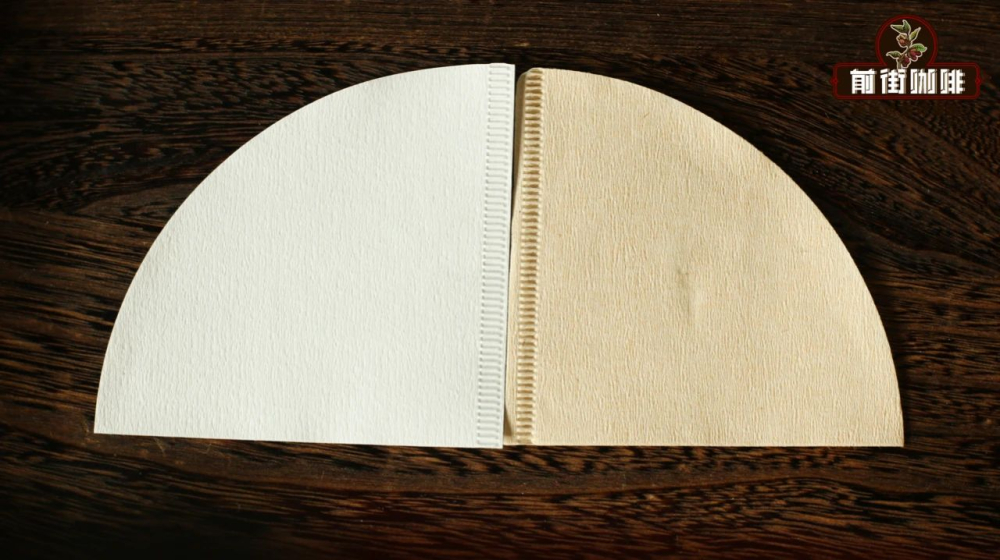
Filter paper selection is equally important—each filter cone has matching paper types. Filter paper not only removes impurities but also absorbs some oils and off-flavors. Unbleached filter paper may sometimes carry a slight paper taste, so you can choose based on personal preference.
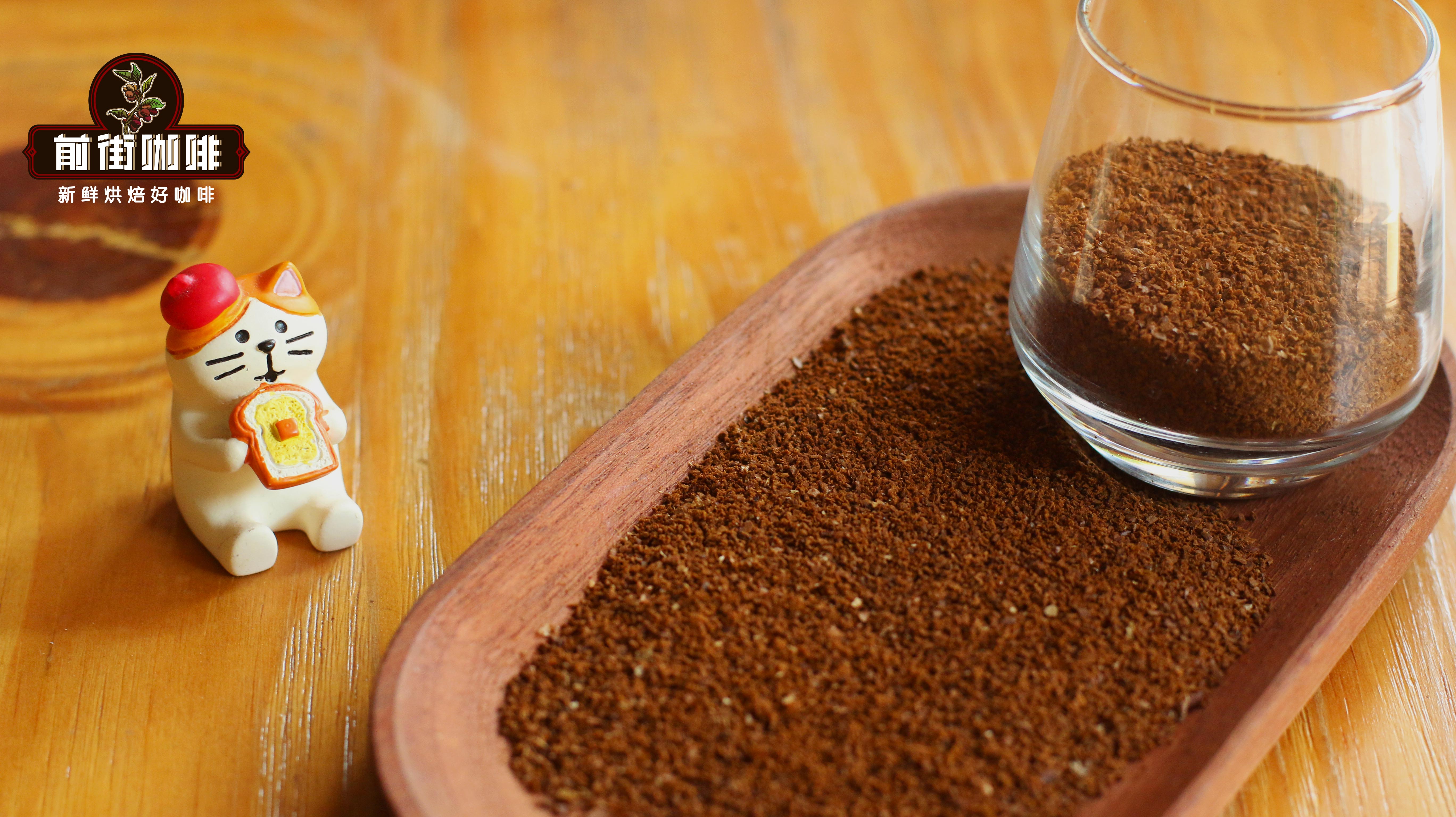
The grinder is key to both coffee freshness and flavor consistency. Freshly ground coffee should have a particle size similar to table sugar, and the more uniform the grind, the more stable the extraction (see the coffee grind calibration sieve in(Grind calibration sieve reference)
In addition to these core tools, it’s advisable to prepare a digital scale, thermometer, and timer to help accurately control the coffee-to-water ratio and water temperature. Generally, light-to-medium and medium roasts perform best with water temperatures around 90–92°C, while medium-to-dark and dark roasts benefit from 87–89°C to highlight different layers of flavor. A common coffee-to-water ratio is 1:15, though this can be fine-tuned to personal taste.
Of course, the key to coffee flavor also lies in the beans themselves. It’s recommended to choose freshly roasted, high-quality Arabica beans, which offer rich flavor layers and better express regional characteristics. Beginners can start with classic beans from the following regions to experience the charm of diverse flavors:
Africa – Ethiopia: Represented by washed Yirgacheffe, common flavors include white floral notes, citrus, lemon, nuts, and a tea-like quality (see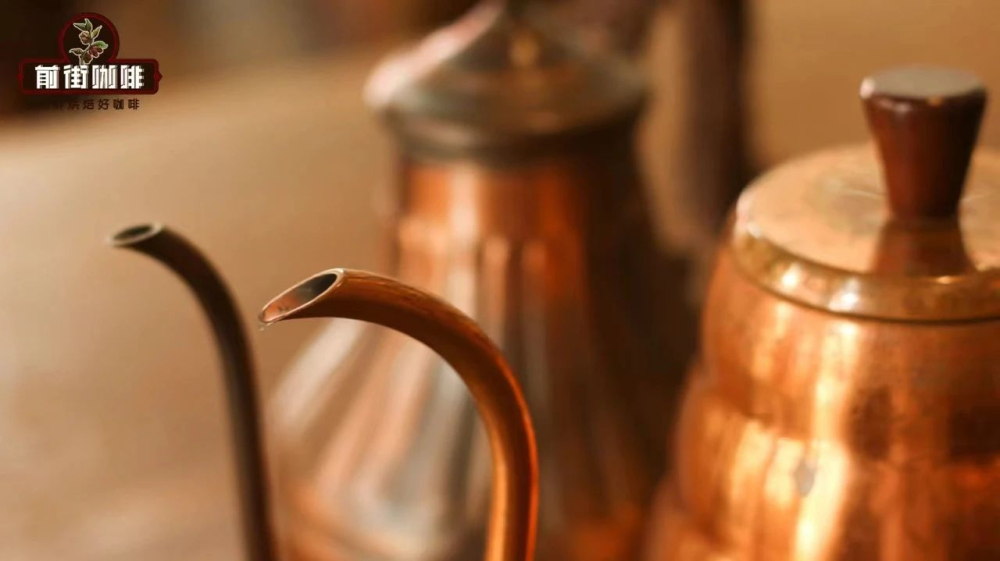 ); Americas – Colombia Huila beans, featuring black chocolate, cream, caramel, and cookie aromas; Brazil Cerrado beans, known for their creamy, peanut, almond, and cocoa notes; Costa Rica Tarrazú beans, offering balanced flavors with hints of nuts, sweet orange, and chocolate (see
 ). Asia – China Yunnan small beans, often showcasing nutty, brown sugar, chocolate, and tea undertones; Indonesia Mandheling beans, with spicy, herbal, sandalwood, caramel, and toast aromas (see
 ).
Once you’ve grasped the basics, you can move on to the actual brewing steps. First, grind the coffee beans to a consistency close to sugar granules with high uniformity. The recommended dosage is about half to two-thirds the capacity of the filter cone—avoid too little, which can cause unstable water flow, or too much, which may lead to overflow. Next, prepare hot water at a coffee-to-water ratio of approximately 1:15, with an ideal temperature of around 90°C—you can confirm the temperature with a thermometer after boiling.
Before starting the pour, fold the filter paper and fit it into the cone. Rinse the filter paper with hot water to preheat the cone—this not only stabilizes extraction temperature but also removes any papery taste from the filter. Discard the rinse water afterward. Place the coffee grounds into the cone and gently tap the sides to level the coffee bed. When starting the timer, begin the first pour: hold the kettle close to the edge of the cone, pouring in a circular motion from the center outward and back to the center to evenly saturate all the grounds, then stop. At this stage, the coffee grounds will begin to bloom and release small white bubbles. This phase is called “bloom”—wait about 30–40 seconds until the blooming slows and a small amount of coffee begins to drip from the bottom.
Next, proceed to the second pour. Once the foam starts to collapse, begin pouring in a continuous circular motion from the center, maintaining steady and even water flow. The entire pouring process should ideally take around 2 minutes—slightly faster for light-to-medium roasts (about 2:00–2:10), and extended to 2:00–2:20 for dark roasts. After pouring, gently shake the kettle to even out the coffee concentration, then pour and enjoy.
Pour over coffee is more than just a daily beverage—it’s a craft worth refining. From equipment selection to parameter control, to understanding the flavors of different regions, each step can enrich your coffee experience. Now, go ahead and try it—brew your own unique flavor.
The above content is compiled by CoffeeHunters, a coffee news website.


