







Introduction:Have you ever been puzzled by labels on coffee beans such as G1, AA, No.1, or SHB? These are not random markings but rather rigorous quality classification standards used by various producing regions. From Ethiopia to Brazil, different countries have established unique grading systems based on defect rates, bean size, altitude, and processing methods—all of which directly influence a coffee’s flavor potential and market positioning. This article delves into the grading rules of major global coffee-producing regions, helping you decipher the quality codes behind the labels.
In the world of specialty coffee, codes such as G1, AA, No.1, or SHB commonly seen next to origin labels are actually professional grading codes for green coffee bean quality. These classifications are not mere hierarchical rankings but rather comprehensive evaluation systems that integrate multiple indicators such as defect ratios, bean size, growing altitude, bean density, and processing techniques.
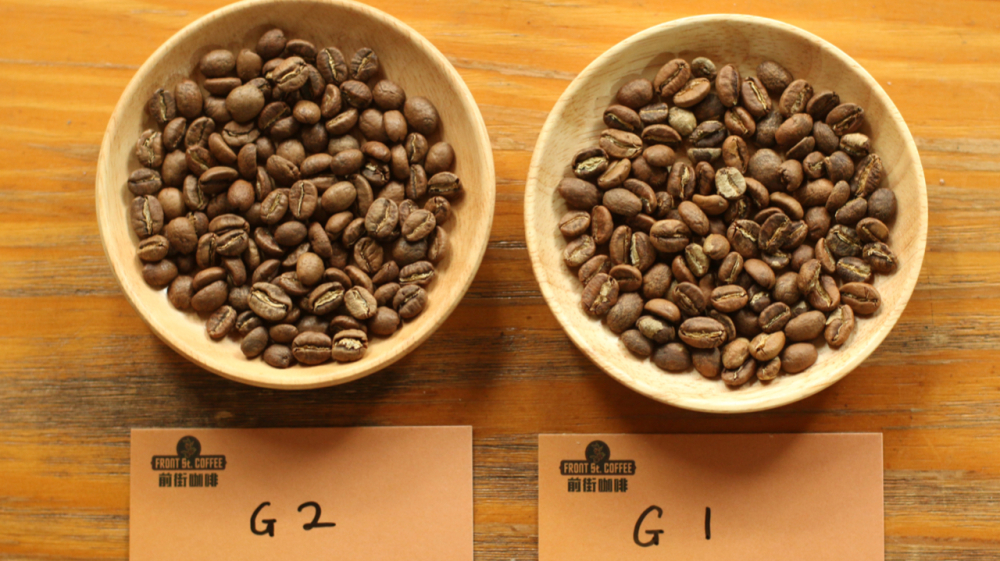
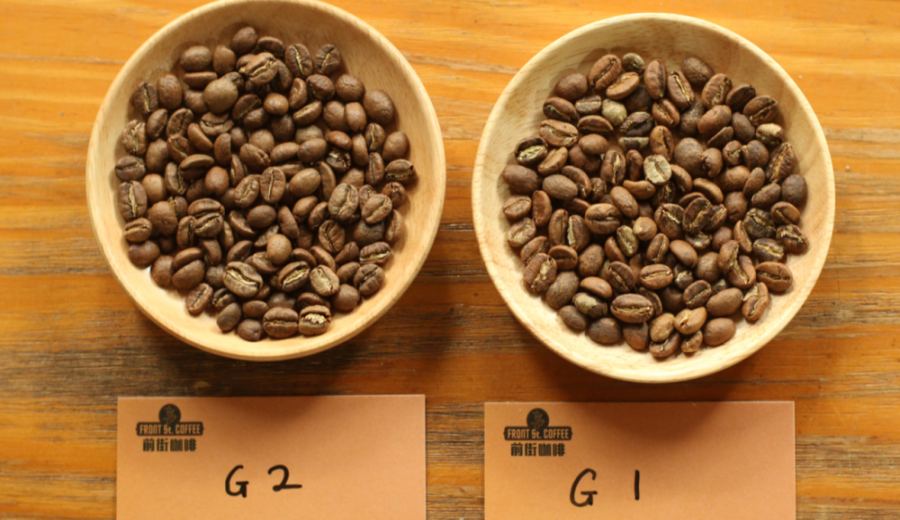
Take Ethiopia as an example. Before the establishment of the ECX (Ethiopian Commodity Exchange), the country primarily graded coffee based on the number of defective beans in a 300-gram sample. Washed beans were typically categorized under G1 to G2 grades, while traditionally processed natural beans, due to processing limitations, often fell under G3 to G5. Notably, with advancements in natural processing techniques, high-quality natural beans today can also achieve G1 to G2 status. After the ECX was established, a composite scoring system was introduced, combining physical characteristics (40%) and cupping flavor (60%), further subdividing the grades into nine levels. Among these, Q1 and Q2 grades require a cupping score of no less than 80, while G1 and G2 grades must reach 85 or above to qualify as specialty coffee.
Kenya’s coffee grading logic focuses on bean size and defect control. The most representative AA grade (17–18 mesh, approximately 6.7–7.1 mm) is often seen as a symbol of high quality, though it actually reflects bean size rather than absolute flavor excellence. The Kenyan grading system includes eight levels, ranging from top-tier AA TOP (common in the specialty coffee market) to MH/ML grades for domestic use (overripe beans). The PB grade (peaberry), which makes up only about 10% of production and often exhibits unique sweetness, is frequently separated and sold individually. In practice, AA-grade coffee is mostly processed using a 72-hour fermented washed method, often involving the SL28 and SL34 varieties, grown at altitudes of 1550–1750 meters, resulting in distinct berry notes.
Among Colombia’s Supremo grade, the 18-number bean (approximately 7.1 mm) is often chosen by specialty coffee shops due to its balance of commercial value and drinking performance. As for Jamaican Blue Mountain coffee, it has created one of the world’s most rigorous mountain-based grading systems: the No.1 grade requires 96% of beans to meet 17/18 mesh sieve size with a defect rate below 2%, combined with a high-altitude environment of 1310 meters and washed processing, yielding its characteristic mild acidity and balanced taste. Blue Mountain peaberries, a rare mutation making up only about 3–5% of production, are even more prized for their concentrated nutrient distribution, resulting in intense sweetness.
In Central America, countries such as Costa Rica, Panama, and Guatemala generally adopt altitude-based grading. Take Costa Rica’s SHB (Strictly Hard Bean) as an example—this grade requires planting at altitudes exceeding 1200 meters (with regions like Tarrazú often reaching 1980 meters). The high-altitude environment extends the growth cycle, increasing bean density and thus affecting flavor release efficiency during extraction. Neighboring El Salvador and Honduras directly classify grades by altitude, creating a clear quality gradient from strictly defined SHB (above 1350 meters) to lower-altitude HB (Hard Bean).
As the world’s largest coffee-producing country, Brazil employs a multifaceted grading system: in addition to the standard 17–18 mesh size, it strictly controls defect rates and incorporates cupping scores. The NY.2 grade, while not flawless, represents the pinnacle of the country’s commercial beans. For instance, Cerrado region SC-17/18 mesh beans with a Fine Cup rating often exhibit nutty and chocolatey notes. It’s important to note that Brazil’s “defect-free” classification is theoretical—in actual trade, beans are comprehensively evaluated based on defect counts (e.g., allowed defects per 300 grams) and cupping performance.
When understanding these grading standards, consumers should be aware of three common misconceptions: First, the same grade may represent vastly different quality levels across regions. Second, high-altitude or large-bean sizes do not guarantee excellent flavor—processing methods and varietal genetics are equally crucial. Lastly, modern specialty coffee places greater emphasis on cupping flavor wheel analysis rather than relying solely on traditional physical metrics. When purchasing, it’s advisable to look beyond grade labels and pay attention to practical information such as specific origin, processing method, and roast date.
The above content is compiled by CoffeeHunters, a coffee news website.


