








Introduction:Both ice drip and cold brew are methods of cold-extracted coffee, but they differ significantly in brewing principles, time, equipment, and final flavor. This article breaks down the key steps and extraction parameters of both cold brewing methods, and uses a light-roast washed Yirgacheffe as an example to analyze its unique flavor profile, helping you choose the right cold brew method based on your taste preference.
Many cold brew enthusiasts often wonder about the difference between ice drip and cold brew: do they really have distinctly different flavors? The answer is yes. Although both fall under the category of cold extraction, ice drip coffee and cold brew coffee differ fundamentally in their brewing processes, required equipment, and even in the final taste and aroma profiles.
Ice drip coffee is made by slowly dripping ice water drop by drop through a bed of coffee grounds, extracting flavor compounds gradually. This process is not only time-consuming — typically around six hours — but also requires specialized dripping equipment. It is generally recommended to use about60 grams of coffee grounds, ground slightly finer than for pour over, roughly passing through85% of a #20 mesh sieve, with a drip rate controlled at7 drops per 10 seconds, yielding approximately600 millilitersof coffee liquid. After the dripping is complete, it is recommended to let the coffee sit in the refrigerator for about12 hoursbefore drinking to allow the flavors to integrate more fully.

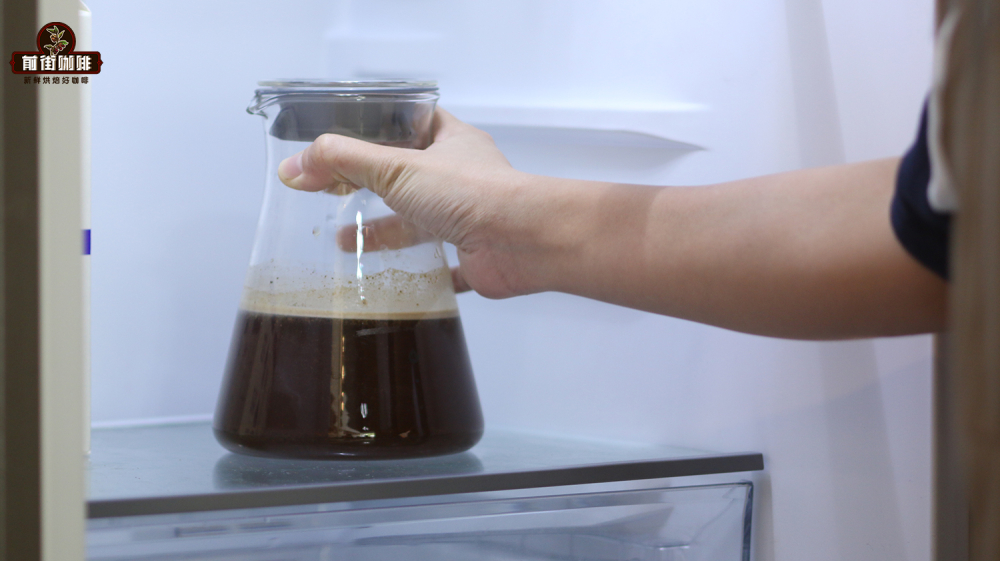
In contrast, cold brew coffee (also known as cold steeped coffee) is a much simpler and more accessible brewing method. Its principle involves steeping coffee grounds directly in cold water, allowing the coffee flavors to slowly release over time. A common coffee-to-water ratio is1:12, and the coffee grounds are similarly recommended to be ground slightly finer than for pour over — roughly85% passing through a #20 mesh sieve. The coffee grounds and cold water are combined in a sealed container, gently shaken, and then refrigerated for about12 hoursbefore being filtered through a sieve to remove the grounds. Some methods suggest letting the coffee sit for another4 hoursafter filtering to allow the flavors to stabilize and balance further.


Due to the differing principles and steps of the two brewing methods, the resulting coffee also shows clear differences in appearance and flavor. First, ice drip coffee usually has a clearer, more transparent liquid, while cold brew may appear slightly cloudy due to the longer steeping time.
In terms of flavor, ice drip coffee, having undergone a lengthy dripping and resting process, often exhibits more pronounced fermentation notes, with a clean and refreshing mouthfeel and subtle aromatic hints reminiscent of alcoholic fermentation, accompanied by mild berry-like acidity and sweetness, resulting in a more layered overall profile. Cold brew coffee, on the other hand, tends to present the inherent characteristics of the coffee beans, especially those with prominent fruity notes, preserving rich fruit aromas with a smoother and rounder mouthfeel, and relatively less noticeable fermentation character.

Using the same light-roast washed Yirgacheffe as an example, and comparing the results of ice drip and cold brew brewing makes the differences even clearer. Ice drip coffee made from this bean typically delivers a clean and refreshing taste base, with intense fermentation notes, a hint of wine-like character, and subtle berry-like acidity and sweetness. The overall flavor is fresh and distinctive, making it suitable for drinkers who enjoy bright acidity and unique fermentation flavors.
Conversely, the same bean brewed as cold brew presents a more unified and full-bodied flavor, with particularly prominent fruit sweetness, relatively softer acidity, and a smooth, rich mouthfeel. It is well-suited for consumers who prefer a fuller body and clear fruit notes. Regardless of which method you choose, the potential of light-roast beans can be fully expressed — just in different ways.
The above content is compiled by CoffeeHunters, a coffee news website.


