








Introduction:Want to know why Panama’s Janson Farms Geisha has repeatedly won international awards? This article delves into the farm’s history, growing environment, processing methods, and actual cupping performance to uncover the unique charm of this Alpine plot natural Geisha. Whether you're a coffee novice or a connoisseur, you’ll gain insights into bean selection and tasting essentials.
Among the shining stars of Panama’s specialty coffee scene, Janson Farms is undoubtedly one of the most iconic names. Since its first participation in the Best of Panama (BOP) competition in 2013 and frequent appearances on the rankings, this family-run farm—now in its third generation—has captivated numerous international judges with its delicate and captivating Geisha flavors. It has also become a regular highlight in many coffee competitions. Today, we’ll take you on a journey to discover this Geisha sanctuary nestled at the foot of Panama’s Talamanca Mountains.
The history of Janson Farms dates back to 1926 when a 21-year-old Swedish young man, Carl Axel Janson, driven by a longing for rural life, came to Panama alone and, together with his wife Margaret, chose the highlands of Volcán in Chiriquí Province to purchase a ranch and start a dairy business. Years later, as agricultural technology and market trends evolved, the family, with the help of agricultural experts, discovered that the area’s volcanic soil, high altitude, and cool climate were exceptionally well-suited for coffee cultivation. Thus, in 1989, they officially entered the coffee industry by founding Jason Coffee. By 1993, they had built a processing facility specifically designed for specialty coffee, gradually building up deep expertise from planting to post-harvest.

In 2003, as the T2722 Geisha variety from the Esmeralda Estate sparked a trend in Panama, the Janson family followed suit by introducing the green-tipped Geisha and experimenting with planting it in their own high-altitude fields. This move laid an important foundation for their future achievements. Today, in addition to the renowned Geisha, Janson Farms also grows a variety of other cultivars such as Catuai, Caturra, and Pacamara, showcasing their spirit of exploring diverse flavor profiles.
Janson Farms’ planting areas are mainly concentrated in two distinctive high-altitude plots: the Hacienda las Lagunas (Lagoon Estate) and the Los Alpes (Alpine Plot). The Hacienda las Lagunas is located west of the Volcán Barú and is named for its proximity to lakes. The planting altitude here ranges between 1350 and 1400 meters, featuring fertile volcanic soil and abundant natural water sources.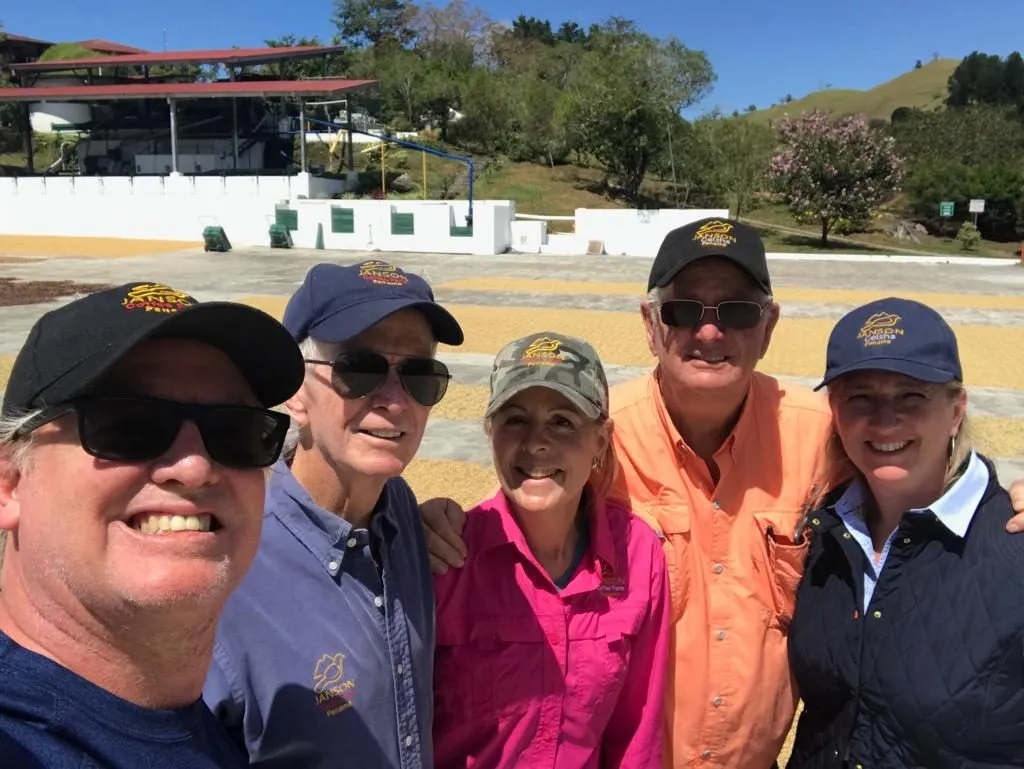 In contrast, the Los Alpes plot is situated on the high-altitude slopes of the Talamanca Mountains and the Cerro Tigre volcano, adjacent to Panama’s famous La Amistad International Park, a UNESCO-designated World Heritage natural reserve. This area not only has a higher average altitude of about 1700 meters but also benefits from oceanic warm currents, humid air, natural wetlands, and rich primary forests, providing an almost perfect growing environment for Geisha.
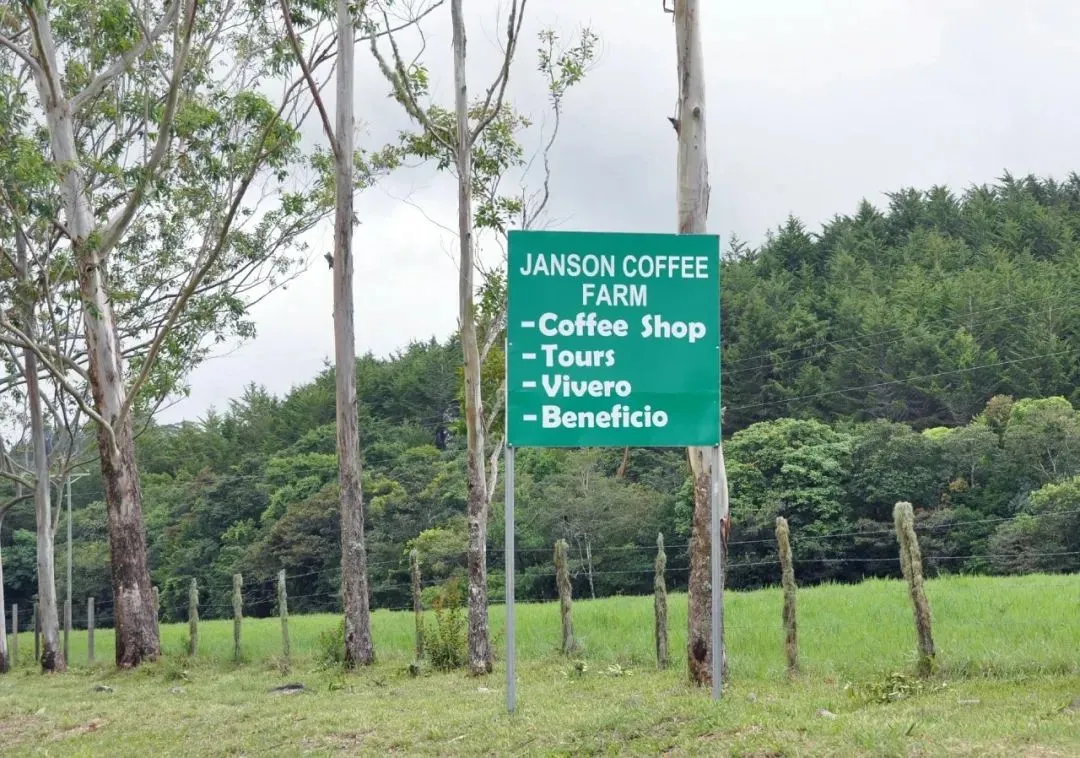
It’s worth mentioning that Janson Farms is not just a coffee-growing area but also a farm that combines eco-tourism. Visitors can stroll through the coffee fields, learn about every step from seed to cup, and even go boating on nearby lakes or horseback riding through the mountains. Additionally, the farm features a uniquely charming Janson Café where visitors can taste freshly roasted coffee, including a Janson Geisha priced at just four dollars per cup—a must-try delicacy for many guests.
In terms of management philosophy, the Janson family has always upheld the core values of “quality production and harmonious development,” emphasizing coexistence with nature.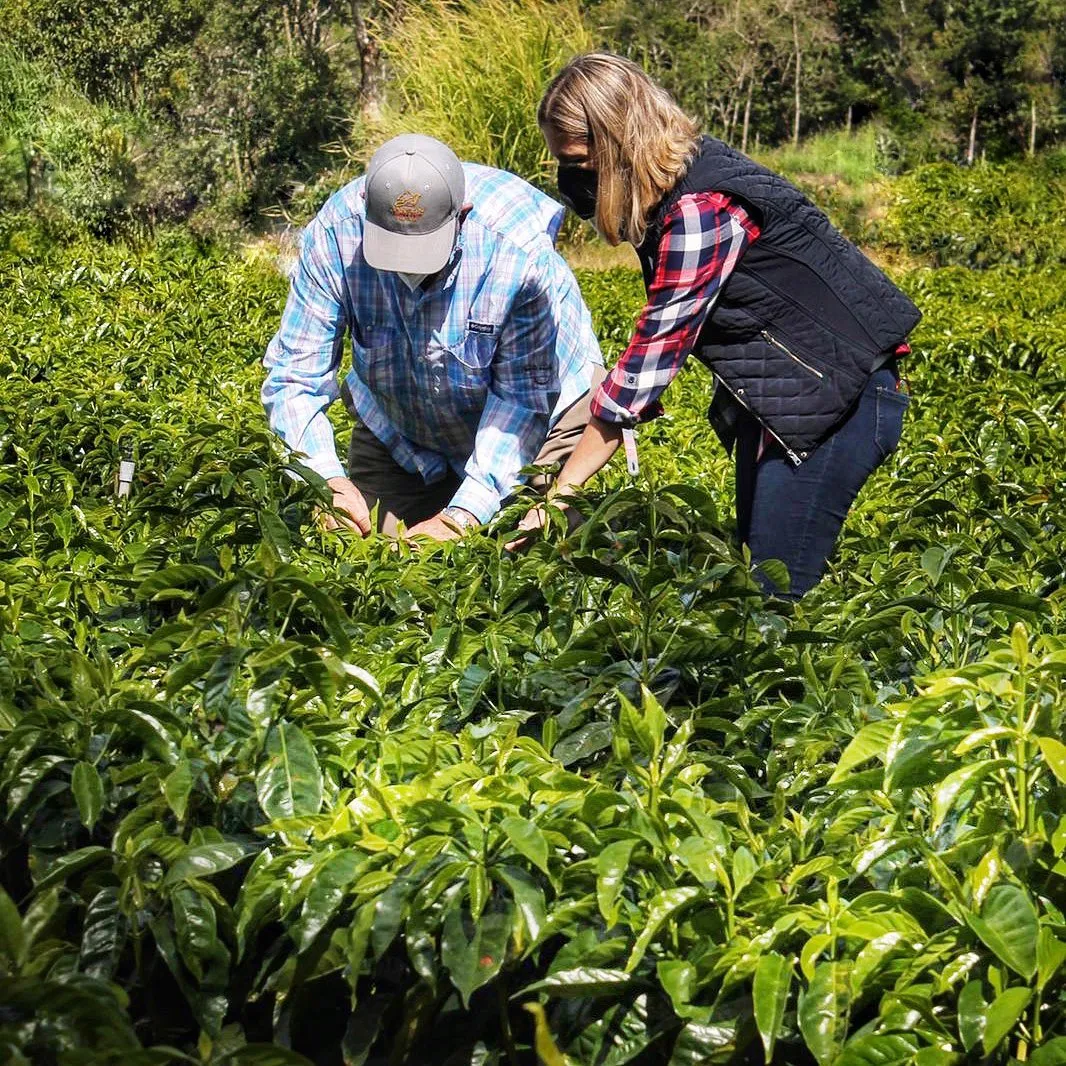 To maintain biodiversity and water quality, they clearly separate the primary forest from the coffee fields and firmly avoid the use of pesticides, insecticides, and herbicides. Instead, they rely on the natural action of enzymatic microorganisms to maintain soil health and vitality. Moreover, Janson has adopted solar energy and water recycling systems. The processed fruit peels and pulp are organically treated and returned to the land as natural nutrients for the coffee trees, setting an example of sustainable agriculture.
Like many renowned Panamanian farms, Geisha is the flagship variety at Janson Farms, accounting for more than half of their production. Additionally, each batch of coffee beans is assigned an independent numerical code for easy tracking and management. For example, the highly praised lot #364 from this farm, which was acquired through a well-known channel this year, comes from the Alpine Plot and is meticulously processed using the traditional natural method. To minimize damage during transportation, the farm specifically uses crates to load the coffee cherries, avoiding the potential compression and juice loss that might occur with standard sacks. After harvesting, the coffee cherries undergo initial sorting and are then evenly spread on drying beds to undergo approximately 27 to 30 days of sun exposure until the moisture content drops to around 12%, after which the beans are depulped. Finally, they are stored in a professional warehouse with controlled temperature and humidity to ensure consistency and stability of flavor.
Brewing Recommendations: To fully showcase the flavor potential of this natural Geisha, it is recommended to use a medium-light roast. The grind size can be fine (close to the size of pour over fine sugar grains), with water temperature controlled at 92-94°C and a brew ratio of 1:15 to 1:16. A well-known channel roaster suggests allowing the beans to rest for four days after roasting to ensure full degassing, which can then bring out a layered and delicate profile of fruity and sweet notes during brewing.
[Cupping Record]
Dry Aroma:Fermented wine-like notes, raisins, cherries
Wet Aroma:Winey chocolate, cranberries
Flavor:Pineapple, fermentation character, ripe fruits, dried fruits, elegant floral notes, berries, grape juice
In summary, the Alpine Plot natural Geisha from Janson Farms not only inherits the refined and complex characteristics typical of Panamanian Geisha but also showcases highly distinctive floral-fruity aromas and rich sweetness due to its unique microclimate and meticulous processing. If you’re a Geisha enthusiast or want to deeply experience the charm of high-altitude natural beans, this Janson #364 is definitely worth adding to your coffee bean collection.
The above content is compiled by CoffeeHunters, a coffee news website.


