








Introduction:Have you ever felt puzzled when faced with an overwhelming menu at a coffee shop? Classic Italian coffees like lattes, cappuccinos, and macchiatos all actually originate from the same foundation—espresso. This article will introduce in simple terms the origins, ingredient ratios, and flavor characteristics of various classic Italian-style coffees, using real-life examples to explain how adjusting ratios and techniques can help you find the cup that best suits your taste.
Walking into a café and seeing a dazzling array of coffee names—latte, cappuccino, macchiato, mocha—can be a bit overwhelming. These popular coffee drinks are all built upon the solid foundation of “espresso,” but by simply adjusting the proportions of coffee, milk, foam, or even chocolate, they evolve into vastly different aromas, textures, and layers of flavor.
Drawing on actual brewing experience, this article will comprehensively break down the ingredient ratios, naming origins, and tasting characteristics of these classic Italian-style coffees. It also explains how to adjust various ingredients to create a coffee that matches your personal taste. Additionally, it details the brewing parameters and flavor profile of a classic medium-dark roast blend, helping you understand and enjoy the nuances of each sip from the ground up.

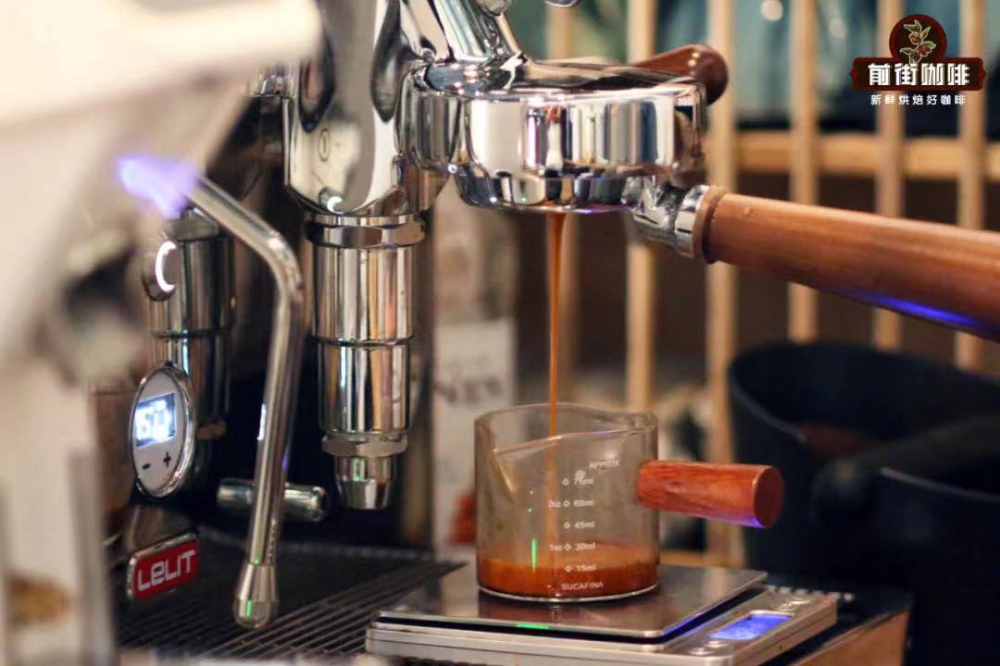
Espresso is the starting point of it all. This high-concentration coffee, extracted under high pressure, typically uses about 7 to 9 grams of finely ground coffee beans, with hot water at around 90 to 96°C, extracted at 9 to 10 bar of pressure for 25 to 35 seconds, yielding 25 to 35 milliliters of rich black coffee. This extraction method gives espresso a strong aroma, intense flavor, and distinct acidity, sweetness, and body.
Building on this foundation, adding different proportions of hot milk, steamed milk foam, or other ingredients to a single shot of espresso (about 30 milliliters) can give rise to many classic coffee drinks. Below, we’ll break down the most common ones one by one.
Latte (Caffe Latte): A harmonious dance of milk and coffee
Latte is actually short for the Italian “Caffe Latte,” which literally means “coffee with milk.” Interestingly, if you just order a “Latte” in Italy, the server might just hand you a glass of milk—because “Latte” alone means milk, and “Caffe Latte” is the proper term for coffee with milk.
This coffee is typically made up of one-third espresso, two-thirds hot milk, and a small amount of velvety milk foam. A common ratio is one shot of espresso mixed with about 150 to 200 milliliters of hot milk, topped with a thin layer of foam. Its charm lies in the perfect harmony between coffee and milk, where the creaminess of the milk softens the boldness of the espresso, resulting in a smooth and easy-drinking experience.
Cappuccino: Coffee-forward, with foam as the highlight
What makes cappuccino unique is that it maintains a stronger coffee flavor. Its standard ratio is one-third espresso, one-third hot milk, and one-third milk foam. This combination creates a visual effect of dark brown and beige, and its name is said to be inspired by the color of the robes worn by Franciscan monks in Italy.
The milk foam in a cappuccino is usually thicker, and some drinkers even sprinkle a bit of cocoa powder or cinnamon on top to enhance aroma and visual appeal. Compared to a latte, the coffee presence in a cappuccino is stronger, making it ideal for those who enjoy a pronounced coffee aroma but don’t want the intensity of straight espresso.
Mocha: When coffee meets chocolate
The name “mocha” comes from the port of Mocha in Yemen, once a hub for high-quality coffee beans, where the local coffee had a natural chocolatey note. Later, people began using “mocha” to refer generally to coffee with chocolate flavors. The modern version of mocha is typically made by mixing espresso with hot chocolate and a small amount of milk.
A commonly recommended ratio is 2/5 espresso, 2/5 hot chocolate, and 1/5 hot milk. This combination satisfies those who love both sweets and coffee, making it especially enjoyable in winter—warm and comforting.
Macchiato: A precise touch of milk foam
Macchiato means “spot” or “mark” in Italian. It’s made by gently adding a few milliliters of milk foam to a shot of espresso, creating a small white “spot” on the surface of the coffee—hence the name.
Typically, a macchiato can be divided into a single (single espresso + small amount of foam) or double (double espresso + small amount of foam), served in a dedicated espresso cup. This coffee is barely diluted, so the coffee flavor remains extremely intense, with the foam serving only as a subtle flavor guide, letting you savor the delicate hint of milk.
Caramel Macchiato: A richly layered sweet variation
The caramel macchiato is a creative twist on the classic macchiato. It’s usually made by pouring vanilla syrup first, then adding steamed milk, followed by espresso, and finally topping it with a thick layer of caramel sauce. It’s recommended not to stir, so every sip offers a multi-layered experience of sweet, bitter, and aromatic notes.
This drink, with its stunning appearance and rich flavor, has become a dessert-like favorite among many coffee lovers.
Americano: A refreshing take on espresso
During World War II, American soldiers stationed in Italy found the strong espresso too intense, so they diluted it with plenty of hot water to create a drink more similar to filtered coffee—thus giving birth to the Americano. The method is very simple: just add hot water to one or two shots of espresso, with the ratio adjustable based on personal preference, usually around 1:2 to 1:3.
This preparation softens the intensity of the espresso while preserving its core flavors, making it a top choice for those who prefer a lighter, cleaner coffee taste.
In summary, these classic Italian-style coffees all start with espresso, but by adjusting the proportions of milk, foam, chocolate, and other ingredients, they can offer a wide variety of flavor combinations. Remember, the ratios mentioned above are just guidelines—the most important thing is to tailor the balance of espresso and other components to your own taste preferences, and discover your perfect coffee formula.
The above content is compiled by CoffeeHunters, a coffee news website.


