








Introduction:Dive deep into the Tiger Mandheling from Aceh Province, Sumatra, Indonesia—explore its wet-hulled processing method, regional terroir characteristics, and varietal composition. Understand its medium-to-dark roast profile and pronounced notes of cream, dark chocolate, and nuts. This article also provides five practical pour-over and extraction methods, including V60, KONO, siphon, AeroPress, and French press, along with detailed parameters and flavor profiles to help you fully experience the layered charm of this classic Indonesian bean.
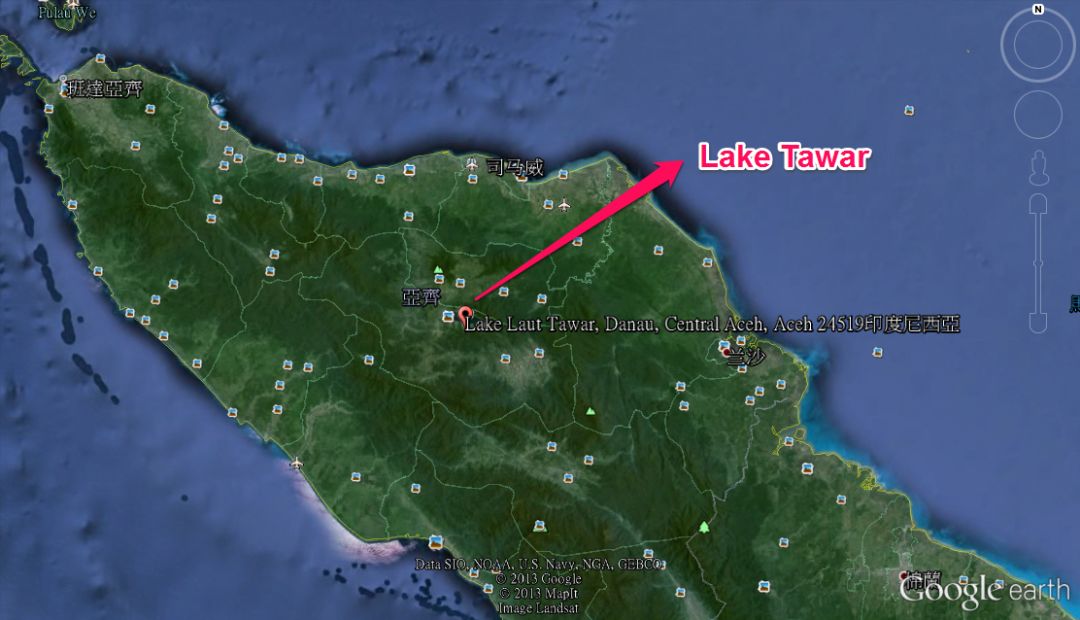
Nestled within the volcanic soils of the Gayo Highlands in northern Aceh Province, surrounded by Lake Tawar and the Gayo Mountains, lies a mandheling variety renowned for its full-bodied yet clean cup profile—Tiger Mandheling. This coffee primarily consists of three cultivars: Catimor, Typica, and Sidikalang, processed using Indonesia’s signature wet-hulling method to deliver a balanced flavor of cream, dark chocolate, and nuts. This piece will take you through the region’s environment, processing techniques, green bean traits, roast curve, and five practical pour-over brewing methods to comprehensively unravel the allure of this classic Sumatran bean.
Regional Background: Volcanic Soil and Highland Climate in Northern Sumatra
Indonesia is made up of numerous islands, with Sumatra, Java, and Sulawesi being the primary coffee-growing regions. The northern part of Sumatra, especially around Lake Tawar in Aceh Province and Lake Toba in North Sumatra, is particularly famous for its high-altitude coffee production. Tiger Mandheling originates from the Gayo Highlands in northern Aceh, encircled by Lake Tawar. The region enjoys a tropical rainforest climate, characterized by high humidity and frequent rainfall, combined with mineral-rich volcanic soil that provides ideal growing conditions for coffee trees.
However, due to its remote location and limited transportation, local coffee cultivation began relatively late, only scaling up in 1924. Most farming here still follows traditional shaded cultivation practices, with almost no pesticide use, approaching organic farming standards. Currently, there are around 60,000 smallholder farmers in Aceh, with an average farm size of about 1 to 2 hectares per household. Sales mostly go through multiple layers of middlemen, with few direct trade models in place. Moreover, long-term political instability has kept the area off the typical tourist map, and regions like the Gayo Mountains are especially secluded. Yet it is precisely this isolation that has helped preserve many traditional and pristine farming practices.
Wet-Hulling Process: Unique Processing That Delivers Bold and Rich Character
Tiger Mandheling employs Indonesia’s distinctive wet-hulling method (known in Indonesian as Giling Basah), which differs significantly from the more common washed process and is a key factor behind its bold and rich flavor profile.
The wet-hulling process involves the following steps:
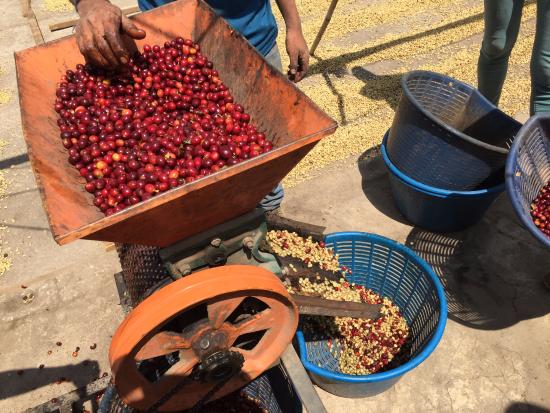
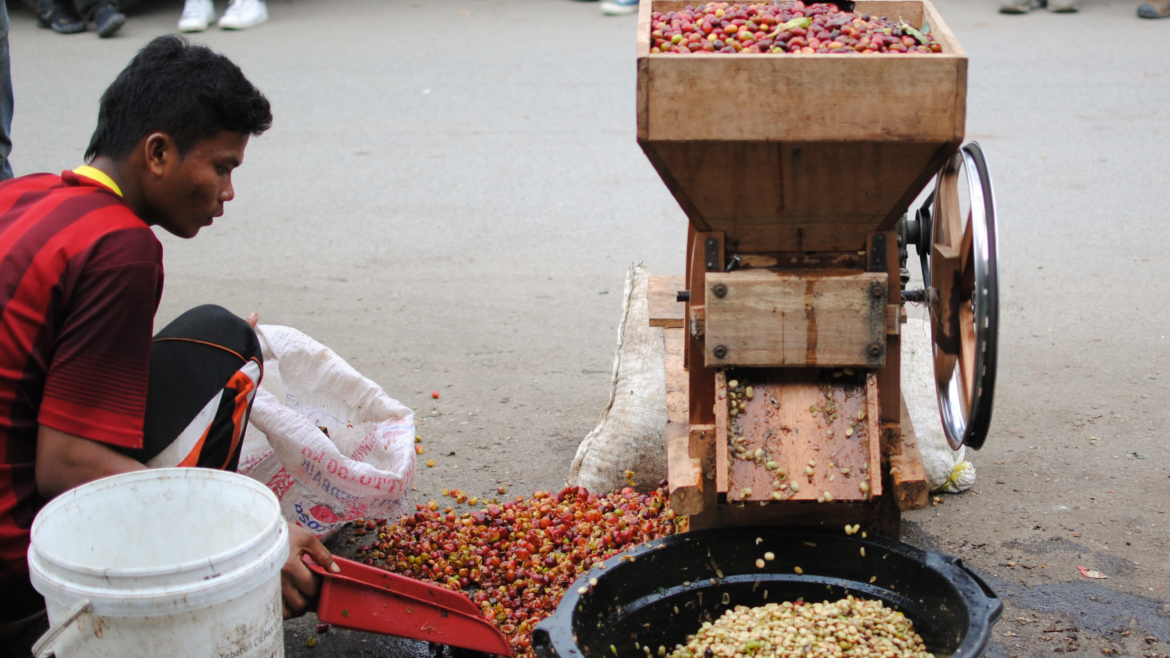
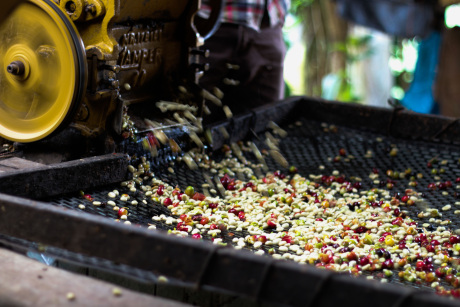
① First, the coffee fruit's skin and pulp are removed, leaving the parchment and mucilage intact.
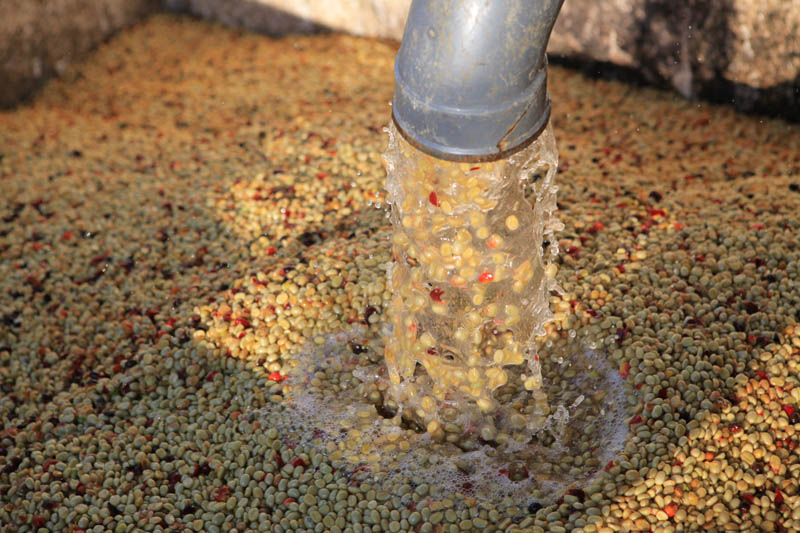
② The mucilage-covered beans are then fermented in water tanks.
③ The mucilage is washed off, and the beans are dried to approximately 20–24% moisture content.
④ The parchment is removed (at this point the beans are still semi-dry).
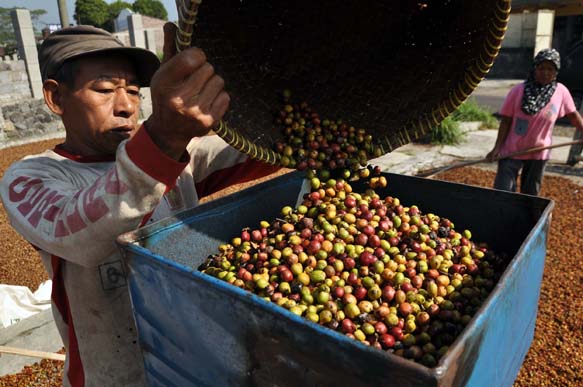
⑤ The beans are then sun-dried until their moisture content drops to 12–13% in preparation for export.

Why use the wet-hulling method? There are three main reasons:
a. Climatic Factors:Indonesia experiences extremely high humidity year-round, often between 70–90%, with frequent rainfall—some areas receive over 2,000 mm annually—making the lengthy drying process of the traditional washed method highly challenging. Wet-hulling allows for early removal of the parchment, enabling direct sun exposure and significantly shortening the drying time while reducing risks of mold and bacterial infection.
b. Economic Efficiency:The wet-hulling process is faster, effectively reducing labor and time costs, aligning with the market demands for quick returns prevalent during the colonial era.
c. Defect Issues:Hulling at the semi-dry stage results in beans that are less firm and more prone to compression, often producing so-called “goat hoof” or “kuku kambing” defects. As a result, multiple rounds of manual sorting are required to improve quality.
Green Bean Characteristics: Varietal Blend and Flavor Potential
The main varieties in Tiger Mandheling include Catimor, Typica, and Sidikalang. Catimor exhibits pronounced citrus and lemon notes but requires good fertilization management to achieve desirable sweetness. Typica offers clean acidity and a long-lasting sweet finish but is less resistant to disease and has limited yield. The combination of these two varieties gives Tiger Mandheling a good level of cleanliness while showcasing harmonious flavors of nuts, cream, and dark chocolate.
Catimor has higher productivity but requires continuous fertilization and pruning, with a longer harvest cycle. Typica is one of the closest to the original heirloom varieties, featuring an elongated bean shape, delicate flavor, but scarce yield. These varietal traits collectively shape the unique flavor profile of Tiger Mandheling.
Roast Analysis: Medium-to-Dark Roast Enhances Body and Sweetness
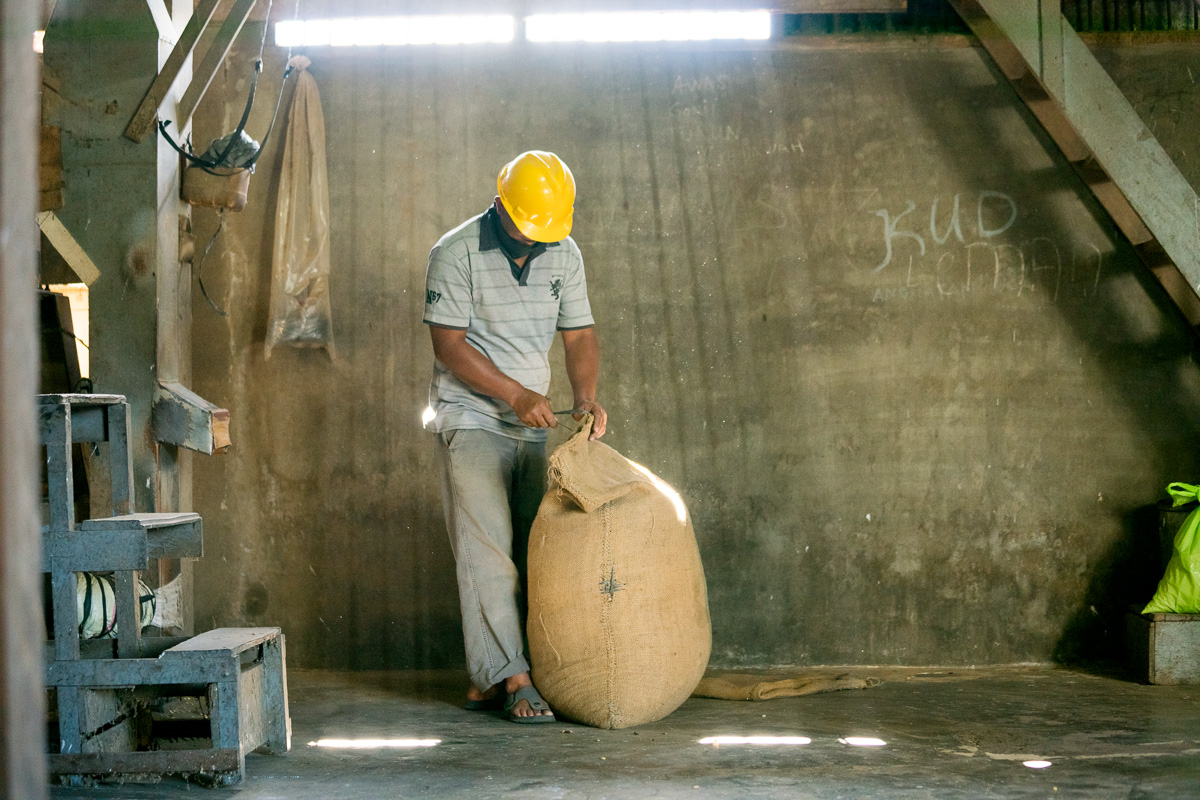
Given that Tiger Mandheling green beans have a relatively high moisture content and softer bean structure, a medium-to-dark roast is recommended. This helps suppress excessive acidity, enhance body, and improve overall balance. During roasting, it’s important to extend the drying phase and moderately lengthen the development time after first crack to elicit a richer caramelization reaction, highlighting its cleanliness and sweet taste.
Suggested roast parameters for reference:
- Bean inlet temperature: 200°C
- First crack timing: around 9’00”
- Drop temperature: around 203°C, roughly 4 minutes after first crack and 20 seconds before second crack
Five Pour-Over and Extraction Methods with Flavor Profiles
Below are five common brewing methods and how they interpret the flavors of Tiger Mandheling:
V60 Pour Over (brewer: Hario V60, water temp: 88°C, grind size: coarse sugar)
Using a 1:15 coffee-to-water ratio, three-pour method, total brew time around 2 minutes. This method highlights nutty and chocolatey notes in the finish but has a relatively lighter body, with a caramel-like sweetness and slight bitterness in the aftertaste.
KONO Pour Over (brewer: KONO, water temp: 88°C, grind size: coarse sugar)
Coffee-to-water ratio 1:14, utilizing the brewer’s rib design to reduce airflow and extend immersion time, resulting in a fuller body, more pronounced dark chocolate flavor, and well-balanced overall profile.
Siphon (water temp: 89°C, grind size: sugar, coffee-to-water ratio 1:12)
Through variations in high, medium, and low temperatures, it showcases rich layers: herbal aromas dominate the front, while nutty and caramel sweetness gradually emerge in the mid-to-late stages, resulting in a round and intense mouthfeel.
AeroPress (water temp: 85°C, grind size: Small Fuji #3.5, coffee-to-water ratio 1:15)
With full immersion extraction, the pressure enhances a rich body, fresh herbal notes, balanced caramel and nutty-chocolate flavors, good sweetness, and almost no bitterness.
French Press (water temp: 88–89°C, grind size: Small Fuji #4, coffee-to-water ratio 1:14)
Immersion brewing preserves a full spectrum of flavors, while the metal filter retains natural oils, resulting in a thick, smooth mouthfeel, natural sweetness, and well-controlled bitterness.
The above content is compiled by CoffeeHunters, a coffee news website.


