







Introduction:Panama’s unique geographical location gives rise to diverse microclimates, fostering distinctive coffee flavors. This article delves into the characteristics of its major coffee-growing regions, exploring how climate variations from high altitudes to lower elevations shape the aroma and taste of the beans. It also provides practical pour over brewing tips. Additionally, we’ve selected representative beans across different price points—including Red Label Geisha, Green Label Geisha, and Flower Butterfly—to analyze their processing methods, cupping profiles, and ideal brewing techniques, helping coffee enthusiasts find their perfect bean.
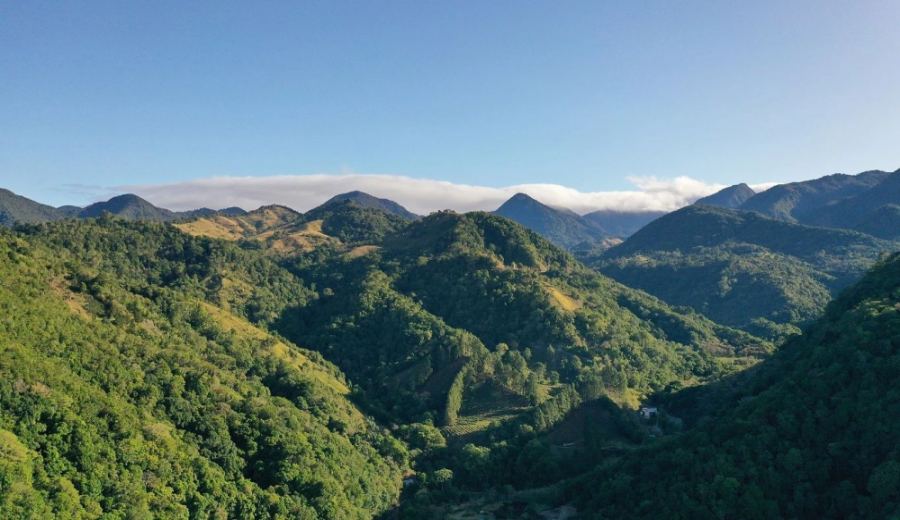
Located in the Central American isthmus, Panama borders the Caribbean Sea to the east, the Pacific Ocean to the west, Costa Rica to the north, and Colombia to the south. This strategic position endows the country with an exceptionally rich variety of microclimates. The interplay between high-altitude mountain ranges and oceanic air currents results in significant differences in temperature, humidity, and sunlight across regions, giving rise to single-origin specialty coffees with complex and varied flavor profiles.
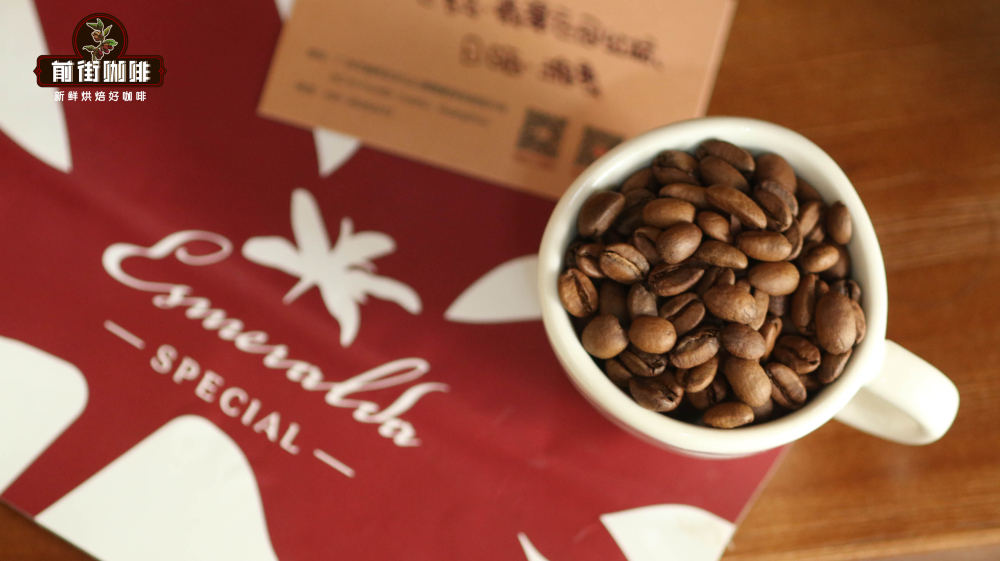
Among the many growing regions, the Geisha series from Hacienda Esmeralda stands out. In particular,Red Label Geishais positioned as a premium offering, sourced exclusively from specific micro-lots at high elevations. Each bean can be traced back to its exact plot of land, with both harvesting and processing strictly regulated. Cupping scores must exceed 92 points. This coffee is celebrated for its delicate floral notes and tropical fruit characteristics, offering a bright, refreshing profile with a long-lasting finish. It’s ideal as a gift or for pure enjoyment.
In contrast,Green Label Geishaadopts a blended harvesting approach, retaining the classic traits of the Geisha variety while showcasing the diverse profile of Panamanian coffee. Washed processed, this bean exhibits pronounced aromas of jasmine, citrus, and grapefruit, paired with honey and melon sweetness. With its balanced acidity and moderate body, it serves as an excellent entry point to experiencing the Geisha flavor.
For those on a tighter budget who still wish to explore the charm of Panamanian coffee,Flower Butterflyis a high-value option. This blend combines three varieties—Geisha, Caturra, and Catuai—all grown at high altitudes and processed using the washed method. Its flavor profile includes citrus, hazelnut, tea-like notes, raspberries, and plums, offering layered complexity. Its versatility makes it suitable for various brewing methods, including pour over, cold brew, French press, siphon, and AeroPress.
When it comes to pour over brewing, Panamanian coffee particularly benefits from medium-light roasts to highlight its bright acidity and complex aromatics. It is recommended to usemedium grind size (similar to granulated sugar), with a water-to-coffee ratio of approximately 1:15 to 1:16, and water temperature maintained between 90°C and 93°C. A three-stage pouring technique is advisable—beginning with a 30-second bloom—while total brew time should ideally fall between 2 minutes 30 seconds and 3 minutes to achieve optimal balance and clarity of flavor.
Moreover, the influence of microclimates on coffee cannot be overlooked. For instance, regions located near the Barú Volcano, with elevations exceeding 1,500 meters and significant diurnal temperature variation, allow coffee cherries to ripen slowly, accumulating richer sugars and flavor compounds. In contrast, coffee from coastal areas, influenced by higher temperatures and humidity, may present a rounder, fuller body with relatively softer acidity.
In summary, the diversity of Panamanian coffee stems from its unique geography and climate. Whether you’re seeking the top-tier quality of Red Label Geisha, the classic profile of Green Label Geisha, or the high性价比 of Flower Butterfly, there’s something to satisfy coffee lovers at every level. By understanding the characteristics of each region and the appropriate brewing parameters, you’ll be able to more precisely uncover the boundless charm of Panamanian coffee.
The above content is compiled by CoffeeHunters, a coffee news website.


