








Introduction:Dive deep into the flavor profile of Brazilian coffee beans—from their regional distribution and variety characteristics to their low acidity and rich body—this article offers a comprehensive analysis of this staple variety commonly found in espresso blends. It also provides brewing and extraction references for both single-origin Brazilian beans and blends, helping you achieve the optimal flavor expression.
As one of the world’s leading producers of Arabica coffee, Brazil’s coffee industry not only supports the national economy but has also gradually made its mark in the specialty coffee scene in recent years. The country’s specialty-grade beans mainly come from Minas Gerais, São Paulo, Paraná, and Mogiana, with common varieties including Bourbon, Typica, Caturra, and Catuai. However, due to the generally low altitude, flat terrain, lack of distinct microclimates, and predominantly unshaded cultivation, Brazilian coffee beans usually do not exhibit the bright acidity or complex, refined flavors typical of other Central and South American regions.
On the contrary, Brazilian coffee is known for itslow acidity, nutty tones, chocolatey sweetness,andrich, balanced mouthfeel.These regional traits make it a stable and practical base bean favored by many baristas and roasters. Precisely because its flavor profile may not be bold but boasts outstanding body and intensity, Brazilian coffee beans are widely used in various espresso blend recipes—so much so that many commercial and specialty espresso blends contain a high proportion of Brazilian beans.
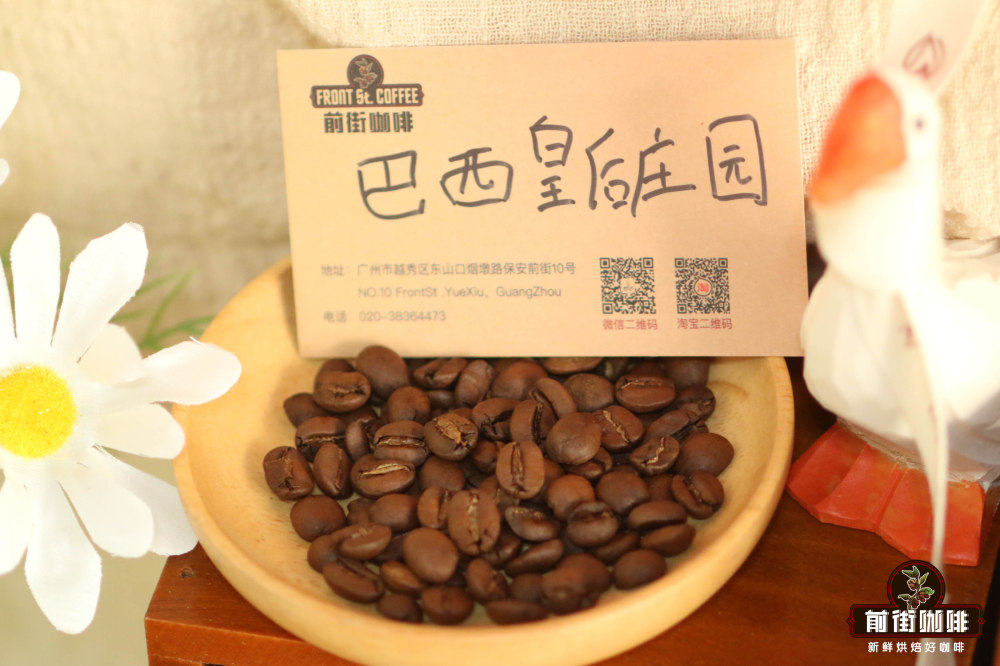
In fact, Brazil is not only a major producer of Arabica coffee but its coffee industry is also one of the pillars of the national economy. With the growing emphasis on specialty coffee, high-quality single-origin beans from certain Brazilian regions have started to attract market attention. Many experienced coffee enthusiasts and professionals, after tasting beans from various Brazilian regions, have noted a common flavor profile: low acidity, prominent nutty and chocolate notes, along with a well-balanced acidity and bitterness, and a rich, solid mouthfeel.
So, why can Brazilian coffee beans play such a key role in espresso blends? The answer lies in theirunassuming yet highly supportive flavor characteristics and exceptional body.Because their flavor profile is relatively mild and doesn’t overpower beans from other regions, they provide a rich mouthfeel foundation and sweet support, making them a core component in many espresso blends. Some espresso recipes even use up to 90% Brazilian beans, highlighting their importance in blends. In addition, as the world’s largest producer of Arabica coffee, Brazil offers a massive output at relatively affordable prices, helping roasters control costs while ensuring consistent and stable flavor in every cup.
It’s worth mentioning that although Brazilian coffee is often categorized as commercial grade, that doesn’t mean it can’t be part of the specialty coffee category. In fact, some regions such as Cerrado and Mogiana, through refined cultivation and processing techniques, are also capable of producing high-quality specialty-grade beans with standout flavor profiles and single-origin drinking value.
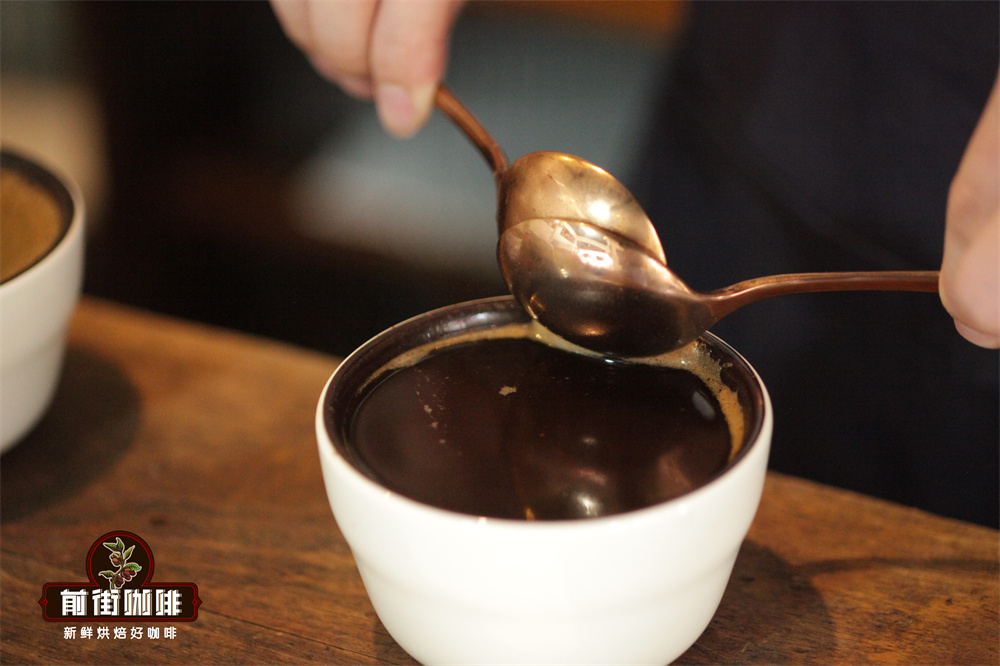
If you’d like to try Brazilian single-origin coffee, keep an eye out for the pulped natural Red Bourbon from the Cerrado region and the pulped natural Yellow Bourbon from Mogiana. These two beans fully showcase the classic traits of Brazilian coffee: low acidity, intense nutty and caramel aromas, a rich mouthfeel, and a long-lasting finish. Among them, Cerrado beans are popular among many coffee lovers as everyday brews due to their great cost-performance ratio; meanwhile, Mogiana’s Yellow Bourbon is known for its soft and balanced acidity, low bitterness, and clean profile. When brewed, it releases rich chocolate and nutty aromas, with a delicate and smooth mouthfeel—perfect for those who prefer balanced flavors.
For espresso blends, the brand also offers three Brazilian-focused recipes, each designed to meet different needs:
- Specialty Blend Coffee Beans: Composed of 30% Colombian washed beans and 70% Brazilian pulped natural beans, it emphasizes nutty, dark chocolate, and caramel aromas—ideal for users seeking layered flavors.
- Commercial Blend Coffee Beans: Contains 10% Robusta washed beans, 30% Colombian washed beans, and 60% Brazilian pulped natural beans. It highlights high body and intense cocoa and caramel flavors—suitable for daily drinking or high-volume brewing scenarios.
- Dark Cocoa Blend Coffee Beans: Combines 30% Yunnan washed small beans and 70% Brazilian pulped natural beans, showcasing gentle fruity acidity, caramel, and nutty notes—great for consumers who enjoy mildly acidic and balanced flavors.
All blend coffee beans are guaranteed to be 100% freshly roasted and shipped within five days of roasting to ensure peak flavor performance.
For pour-over brewing of Brazilian single-origin coffee, it is recommended to use a Kono filter, with a water temperature of 88°C, a coffee-to-water ratio of 1:15 (e.g., 15 grams of coffee to 225 milliliters of water), and grind size close to that of white sugar (approximately 70% through a #20 sieve). For specific steps, start with a 30-second bloom using 30 grams of water, then pour up to 125 grams of water. Once the liquid level drops halfway, continue pouring until reaching a total of 225 grams. The overall extraction time is about 2 minutes and 10 seconds.
As for espresso blend extraction, since every coffee machine and grinder performs differently, beginners are advised to start with the following reference values: use 20 grams of coffee, aim for a 1:2 coffee-to-water ratio (i.e., extracting 40 grams of espresso), under 9 bar pressure, and complete the extraction within 25–30 seconds. Then fine-tune based on actual flavor results (such as balance of acidity and sweetness, body, and richness) to find your optimal extraction parameters.
The above content is compiled by CoffeeHunters, a coffee news website.


