







Introduction:Drip bags are convenient and delicious, but did you know their optimal drinking window is actually shorter than you might think? This article delves into the storage tips, brewing parameters, and common misconceptions of drip bags, teaching you how to master the extraction essentials within the golden time frame. You’ll also learn about the ideal drinking periods and flavor profiles of different roast levels, ensuring that every brew offers you a fresh and captivating coffee experience.
Thanks to their simplicity and the lack of need for specialized equipment, drip bags have become a daily choice for many coffee enthusiasts. However, many overlook the fact that although the shelf life of a drip bag may be several months, the period during which it can showcase its best flavors is actually quite limited. Understanding the optimal drinking window, proper storage methods, and brewing details of drip coffee is the key to truly appreciating its essence.
As a convenient alternative to pour over, drip bags originated in Japan. Their design was inspired by the desire to allow busy modern individuals to enjoy a pour over-like coffee experience easily at home. As the market matured, drip bags gradually became one of the commonly stocked coffee formats in many consumers’ homes.
Like other agricultural products, coffee values freshness and optimal flavor periods. The so-called "optimal drinking window" refers to the timeframe from when the coffee is roasted, during which its flavors peak before gradually declining. For drip coffee, this golden period is usually shorter than you might expect. For light roast drip bags, it is recommended to enjoy them within two to three weeks after roasting; medium roast around two weeks; and dark roast within one and a half to two weeks, to achieve the most vibrant flavor expression.
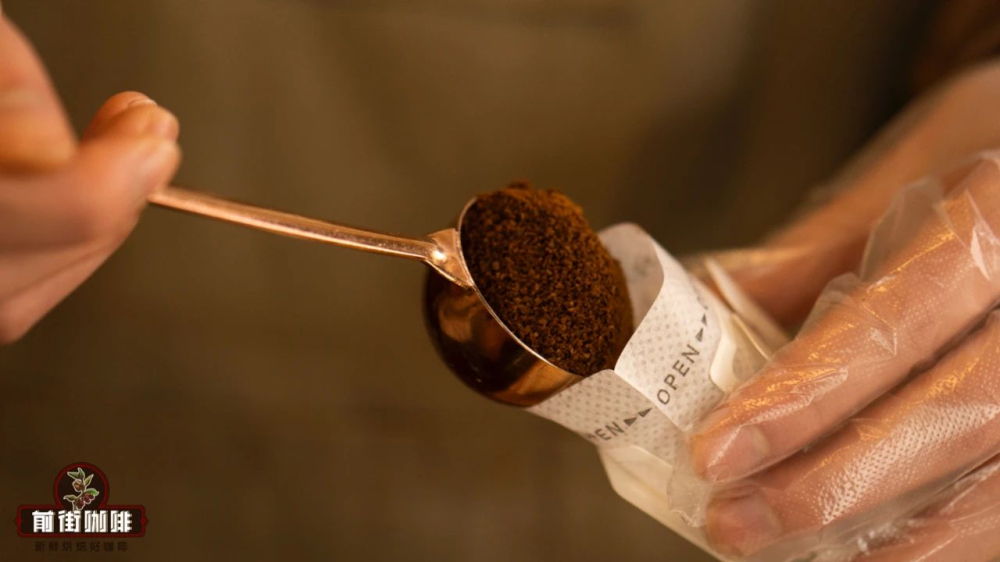
To brew a good cup of drip coffee, you only need to prepare about 150 to 180 milliliters of hot water. Each drip bag typically contains 10 grams of coffee grounds, suitable for brewing a single serving of black coffee. It’s worth noting that coffee grounds easily absorb odors, so it is not recommended to store unbrewed drip bags in the refrigerator, as this can affect aroma and taste.
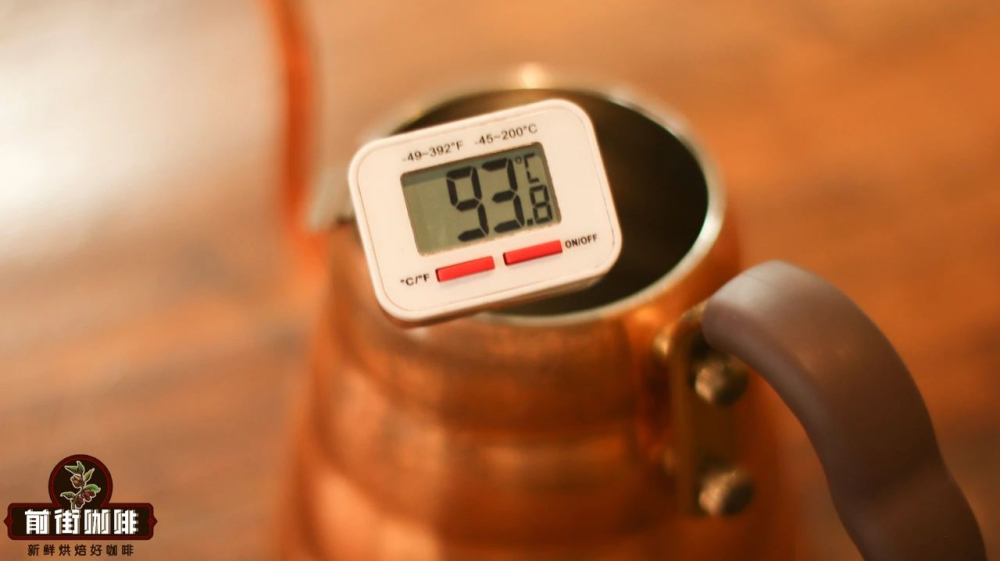
During brewing, water temperature control is one of the key factors. Generally speaking, light roast is recommended to use hot water at 90 to 92°C, which better highlights acidity and fruity notes; medium roast suits 89 to 91°C; while dark roast is advised to go down to around 88°C, to reduce the risk of over-extraction and avoid excessive bitterness. If you’re not very familiar with roast levels, you can fine-tune the water temperature according to your personal taste to find the most suitable flavor balance for you.
Some consumers may wonder whether the same drip bag can be brewed multiple times. The answer is no—it’s not recommended. Although some flavor may still be released during the second brew, in most cases, it’s merely a sign of over-extraction, with bitterness and impurities significantly increasing, while the true flavors have already faded. To experience the best performance of a drip bag, brewing and enjoying it in one go is the most appropriate approach.
In addition, even if it is still within the shelf life, if the optimal drinking window has passed, the brewed coffee may be significantly compromised in both aroma and taste. Especially for ground coffee, aroma volatilizes quickly, so it is recommended to brew it as soon as possible after purchase. If you notice that the coffee grounds do not exhibit a noticeable "hamburger effect"—that is, the middle layer of the grounds clearly bulging after pouring water—during brewing, it’s likely that the optimal flavor period has already passed. This phenomenon is less obvious in light roasts, but usually more visible in dark roasts.
For storage, it is recommended to keep unopened drip bags in a cool, dry place, away from direct sunlight and humid environments. If the bag has been opened but not yet brewed, try to use it within five days to retain the maximum aroma and freshness. Many consumers like to buy multiple packs at once, but if stored improperly, they may lose freshness even before the expiration date.
How to choose a drip coffee that suits your taste? You can make a selection based on origin and roast level. For example, if you enjoy fresh citrus and fruity acidity, you can opt for Ethiopia’s Yirgacheffe; if you prefer coffee with a noticeable sweetness, drip bags from Guatemala or Brazil are good choices; if you’re fond of rich nutty and chocolatey notes, consider products from Colombia or Costa Rica. For those who like strong herbal and earthy characteristics, Indonesia’s Mandheling is a challenging yet rewarding option.
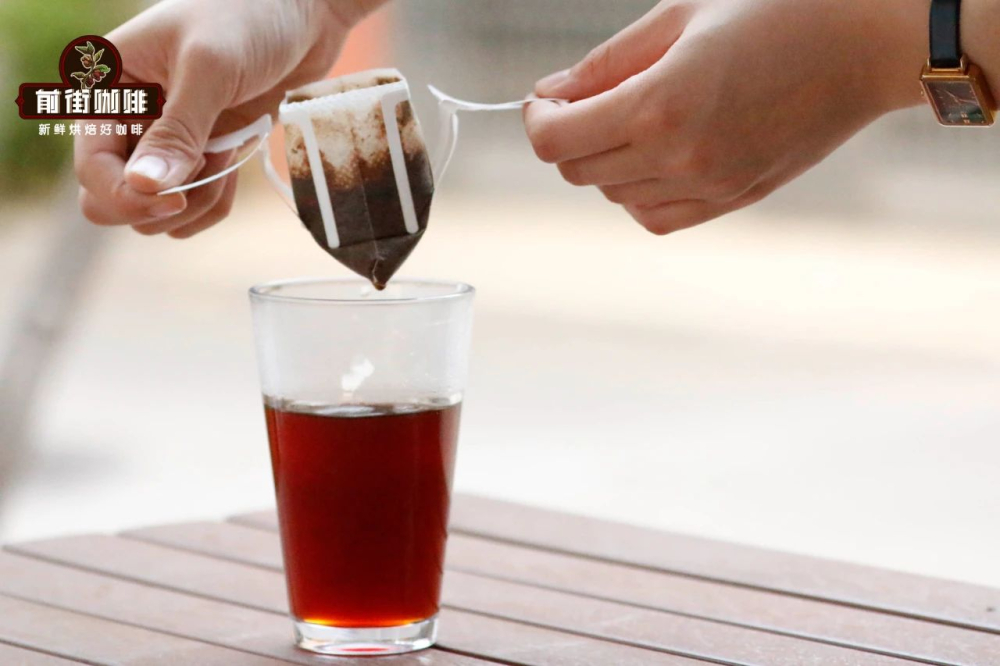
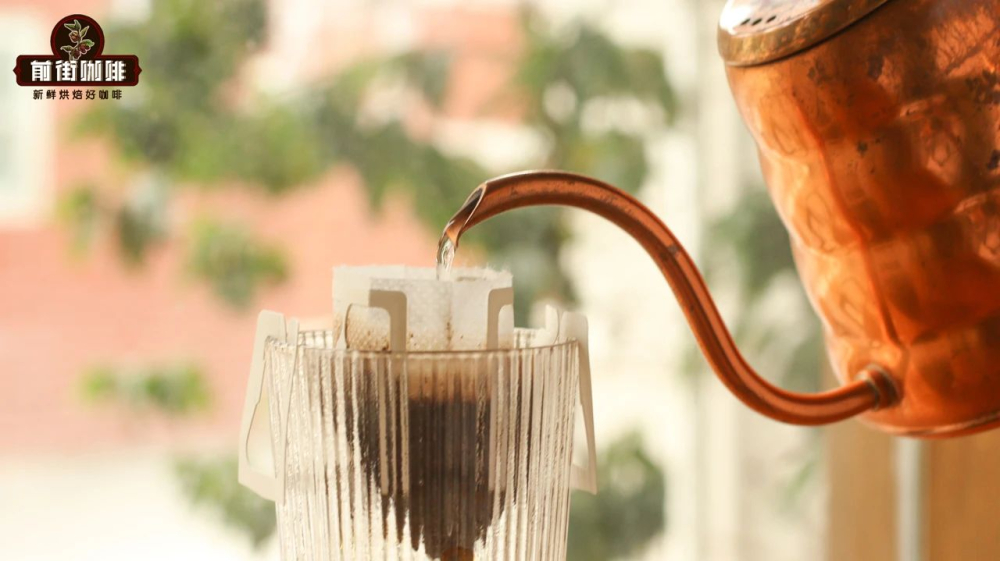
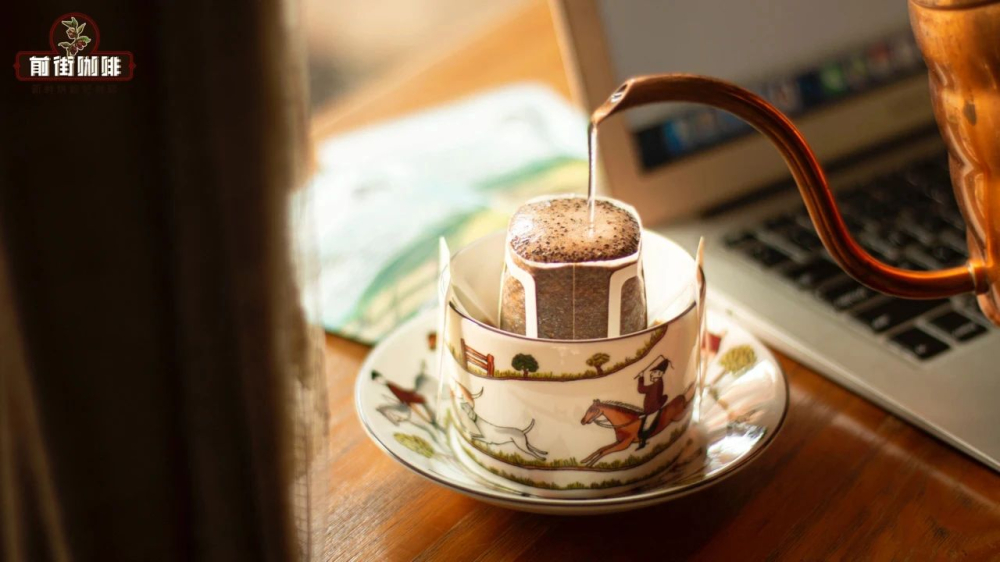
The steps to brew drip coffee are actually not complicated, but each step affects the final flavor. First, warming the cup is a small detail that enhances the overall experience, helping the coffee maintain a more stable temperature during drinking. Next, it is recommended to control the water temperature between 85 to 90°C, adjusting slightly according to the roast level. Before brewing, gently shake the drip bag to evenly distribute the coffee grounds, then tear open the seal and securely hang the drip bag on the rim of the cup.
The pre-infusion stage is one of the keys. Wet the coffee grounds with a small amount of hot water (about 30 milliliters), let it sit for about 20 seconds, which helps the coffee grounds fully expand and release aroma. This step is also known as "bloom." If you prefer a stronger taste, you can extend it to 40 seconds. Then, slowly pour water in a thin, steady stream until the cup is about 80% full, with a total extraction volume controlled between 150 to 180 milliliters. Multiple pours can extract flavors more evenly.
Finally, when you see the coffee grounds visibly swell after pouring water, it’s one of the signs of optimal flavor. Through observation and adjustment, you’ll gradually master your own drip coffee brewing secrets, and within the limited optimal drinking window, you can fully enjoy each cup of fresh and captivating black coffee.
The above content is compiled by CoffeeHunters, a coffee news website.


