







Introduction:Want to dive deep into the flavor code and brewing techniques of Yirgacheffe? Starting from Ethiopia’s classic coffee-growing region, this article compares the acidity, sweetness, and aroma profiles of washed and natural processed beans, providing precise grind size, water temperature, and pouring schemes for the V60 dripper. It also analyzes the unique offerings from the Guji Dingding Cooperative and the Red Cherry Project, helping you brew either a clean, bright citrus profile or a rich, full-bodied berry flavor.
Yirgacheffe is a dazzling jewel in Ethiopia’s coffee map, renowned worldwide for its high-altitude-grown citrus floral notes and distinctive fruit character. Whether you’re a coffee newcomer seeking bright acidity or a seasoned enthusiast who prefers complex sweetness, you’ll find your ideal bean in this region. This article will guide you through the flavor fog of Yirgacheffe—from geography and processing methods to the stories of classic cooperatives and practical brewing parameters—offering a comprehensive analysis of the differences between washed and natural versions, along with a hands-on pour-over guide.
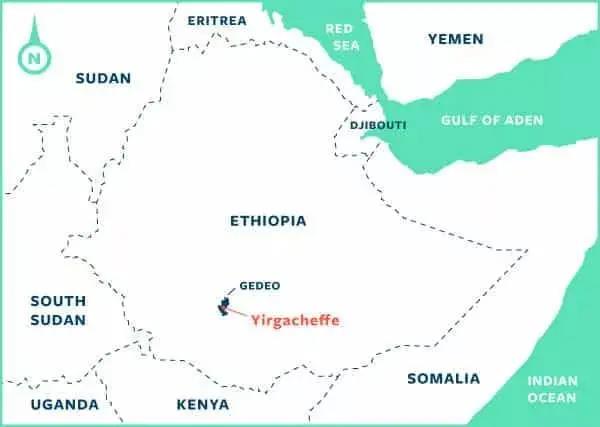
The Yirgacheffe region is located within one of the world’s highest-altitude coffee-growing belts, with an average elevation of about 2,000 meters. It is home to over forty small cooperatives, where coffee trees are often intercropped with bananas, cardamom, and other crops in farmers’ yards, forming a unique pastoral ecosystem. The cool climate and abundant sunlight at high altitudes, combined with significant day-night temperature variations, allow coffee cherries to ripen slowly, accumulating rich aromatic compounds. Micro-regions like Kochere are known for their bright citrus notes, while Wush Wush leans toward a softer tea-like profile, and Gedeb stands out for its pronounced berry character.
Originally a sub-region of Sidamo, Yirgacheffe became its own distinct zone due to its overwhelmingly vivid flavors—particularly its delicate acidity and iconic white floral notes. In the local ancient language, “Yirga” means “to settle,” and “Cheffe” refers to “wetland,” reflecting the unique terroir of this misty, high-altitude plateau wetland. Early Yirgacheffe beans, traditionally processed with sun-drying methods, once carried earthy off-flavors due to technical limitations. It wasn’t until the introduction of Central and South American washing techniques that the now highly recognizable bright style was developed.
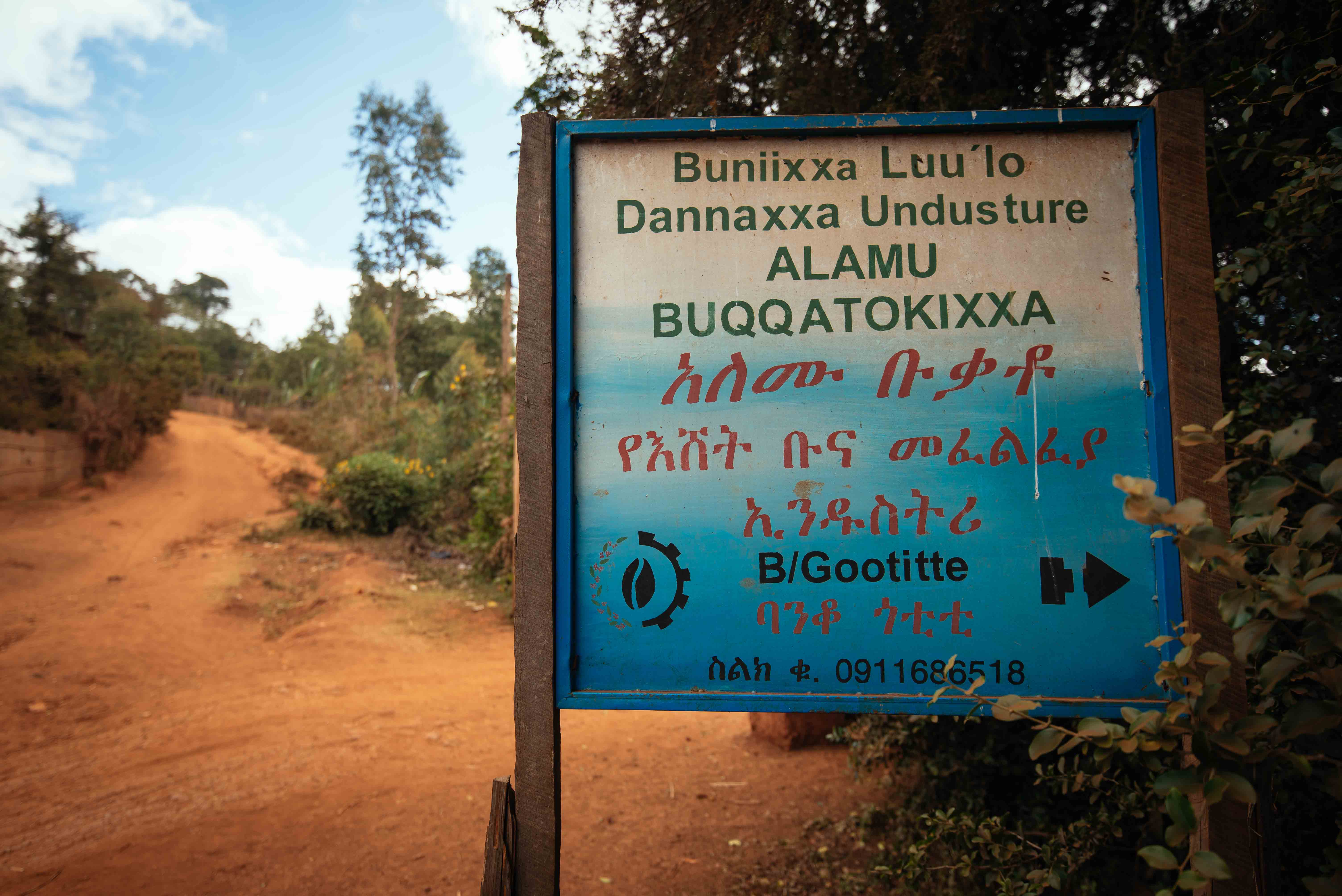
The Guji Dingding Cooperative is located in the Wolkite region, southeast of Yirgacheffe. When it split from the Wolkite Cooperative in 2012, it had only about 300 members. This village, known as “the last pure land of Yirgacheffe,” continues traditional planting and processing methods. Its washed beans use G1-grade heirloom varieties, grown at elevations of 1,900–2,300 meters, with a flavor profile that weaves together jasmine, citrus, blueberry, honey, and green tea—making it especially suitable for drinkers who enjoy layered complexity.
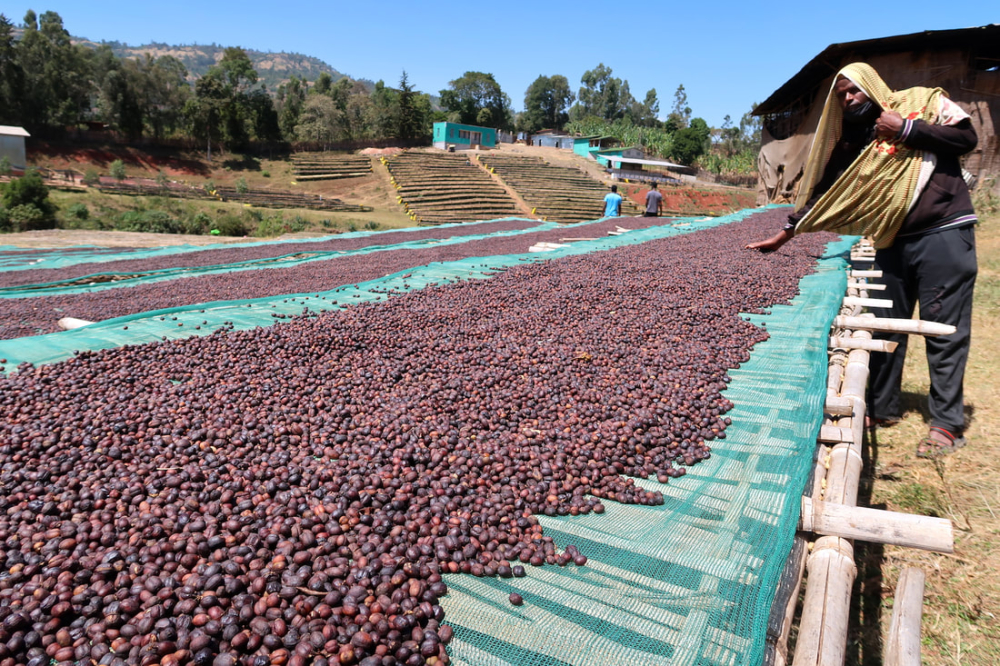
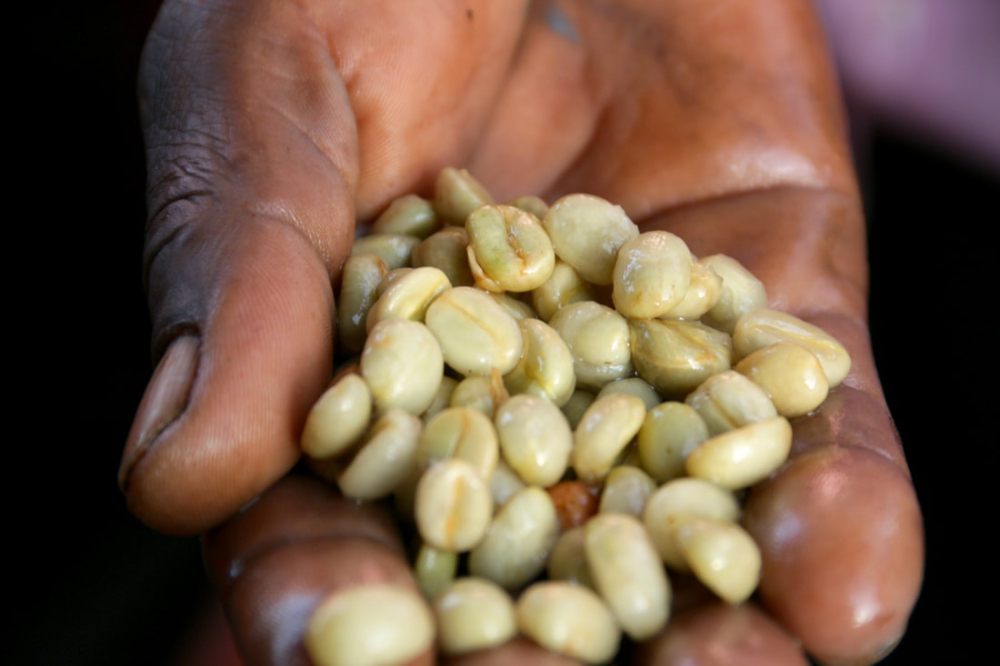
Key steps in washed processing include: after removing the pulp and skin, the mucilage-covered coffee beans are left to ferment in tanks for 18–36 hours (adjusted based on temperature and humidity), then scrubbed through washing channels to remove impurities, with higher-density quality beans retained. The parchment beans are subsequently sun-dried on African-style raised beds for 14 days, and once the moisture content meets standards, they undergo hulling, polishing, color sorting, and other processes before export. This method yields bright acidity and a clean cup profile, with acidity that leaps like lemon juice but leaves a honey-like softness in the aftertaste.
Natural processing methods, meanwhile, have undergone significant innovation. Traditional approaches involved spreading coffee cherries directly on the ground to dry, which easily absorbed earthy flavors or fostered mold growth, leading to flavor defects. Modern upgrades use raised African beds (African drying tables) or cement surfaces, with multiple daily turnings to ensure even drying. A well-known coffee brand’s “Red Cherry Project” beans are a representative of this process—carefully selected 100% fully ripe red cherries, dried for 3–4 weeks to 11% moisture content, with the intact mucilage layer providing a sweet foundation.
The Red Cherry Project began in 2007, initiated by Dutch trader Trabocca, disrupting the then-prevailing quantity-based pricing model. The project required farmers to handpick only fully ripe red cherries, producing in small batches (1,500–3,000 kg per batch) and enhancing quality premiums through strict screening. The Arabica Langano Farm natural beans used by a certain well-known coffee brand, G1-grade heirloom varieties grown at 2,300 meters, yield a complex flavor profile of berries, lemon, mango, and black tea after medium-light roasting, with a caramel-like lingering sweetness.
When brewing washed Yirgacheffe, it’s recommended to use freshly roasted G1-grade beans (with a 4–7 day rest period post-roast being ideal). Set the grind size to medium-fine, achieving 78% passing through a Chinese standard No. 20 sieve, and leverage the V60 dripper’s spiral ridge for optimal gas release. Three-stage extraction parameters: first, pour 30 ml of hot water for a 30-second bloom to activate aromas; second, pour 120 ml in a circular motion from the center outward; third, when the liquid level drops to half, add 90 ml. Water temperature can be set to 90–91°C to highlight citrus notes and tea-like qualities, or 92–93°C to enhance body. A 1:16 coffee-to-water ratio balances acidity and sweetness, with total brew time controlled at 2 minutes 10 seconds to avoid over-extraction and bitterness.
For the natural version, the same dripper and grind size are recommended, but adjust the coffee-to-water ratio to 1:15 to intensify sweetness. Maintain a stable water temperature of 91–92°C, and modify the pouring technique to center-only pouring to reduce agitation. After the 30 ml bloom, pour 100 ml in the second stage and add 95 ml in the final stage, with a total brew time of 2 minutes. This approach highlights the fermented berry character and creamy smooth texture, leaving a subtle brown sugar note in the aftertaste.
In terms of flavor description, the Guji Dingding washed beans feature white floral top notes, accompanied by lively acidity from citrus and lemon, with honey sweetness emerging mid-palate and a green tea-fresh finish.Key parameters: grind size 78% through a No. 20 sieve, water temperature 90–93°C, coffee-to-water ratio 1:16. The Red Cherry natural beans, on the other hand, showcase intense berry and mango aromas, with a juice-like richness on the palate. After balancing acidity and sweetness, complex layers of black tea and fermented cream emerge.Recommended parameters: grind size 80% through a No. 20 sieve, water temperature 91–92°C, coffee-to-water ratio 1:15. Master these details, and you too can recreate the sunshine and morning dew of Ethiopia’s highlands at home.

The above content is compiled by CoffeeHunters, a coffee news website.


