







Introduction:Gain an in-depth understanding of the cultivation systems, altitude ranges, processing method differences, and unique flavor profiles of Ethiopia’s nine top specialty coffee regions — from the citrusy floral notes of Yirgacheffe to the berry-like complexity of Harrar. We analyze the factors behind these distinctive characteristics and also provide practical pour over parameters to help you master brewing techniques for these renowned regions and uncover the unique charm of each coffee.
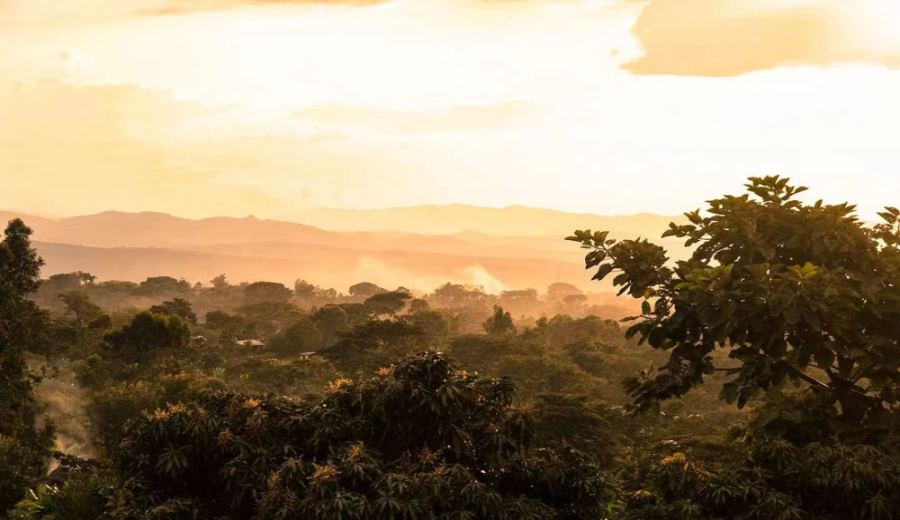
Ethiopia is hailed as the genetic treasure trove of global coffee, boasting the richest variety of coffee species and diverse farming systems. Its coffee production mainly relies on four types: forest, semi-forest, garden, and plantation — with over 90% of output coming from the first three, which are primarily smallholder-driven. This structure not only preserves biodiversity but also gives rise to a range of distinctive specialty coffee regions.
This article will take you on an in-depth exploration of Ethiopia’s nine well-known specialty coffee regions: Gimma, Sidamo, Yirgacheffe, Harrar, Limu, Illubabor, Jimma (Lekempti), Teppi, and Bebeka. We’ll break down the altitude conditions, farming methods, processing techniques, and flavor profiles of each area, along with practical pour over recommendations, to help you gain a more comprehensive understanding of this “king of flavors” coffee nation.
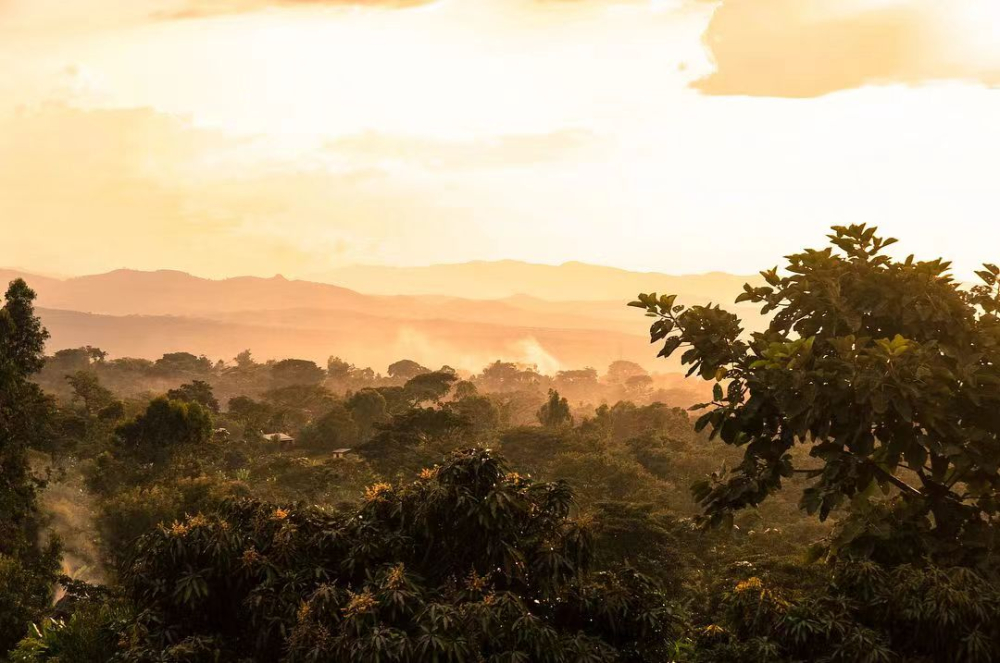
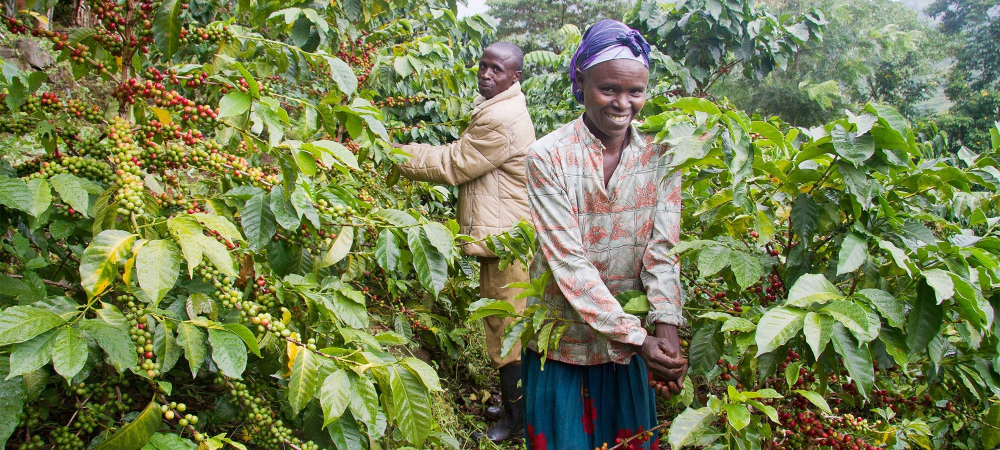
Ethiopia’s coffee farming systems can be broadly divided into four categories: Forest coffee grows in protected virgin forests and is managed and harvested by designated personnel; Semi-forest coffee is maintained by farmers who periodically manage the forest canopy and shade trees — although yields are limited, it holds significant ecological value; Garden coffee is the most common system, where smallholders often intercrop coffee with other plants, with the iconic sight of coffee grown under false banana trees being particularly representative; Plantation coffee refers to large-scale state-operated farming, which is efficient but less prevalent. These four systems are widely distributed across the nine regions, each contributing to distinct coffee profiles.
In the western regions such as Teppi, Bebeka, and Illubabor, as well as the northwest near Lake Tana, the beans produced tend to be larger in size with a pronounced wild character, though their acidity tends to be more muted. The central region’s Limu and the central-southern regions’ Yirgacheffe and Sidamo are famed for their intense floral and fruity aromas, bright acidity, and rich juiciness, and also generally offer more stable quality. Harrar in the east falls somewhere between eastern and western styles, combining wild notes with fruitiness, but due to the complex environment of the region, its quality can be more variable.
Another major hallmark of Ethiopian coffee lies in its rich and complex native variety genetics, combined with diverse processing methods — including traditional natural, modern washed, and even semi-washed processes — resulting in layered and uniquely varied final cup profiles. For this reason, Ethiopian coffee is often referred to as the “king of flavors” in the coffee world.
Next, let’s get to know the characteristics of these nine specialty regions one by one:
Yirgacheffe, although administratively part of the Sidamo region, has been independently classified due to its outstanding cup quality. The region includes the town of Yirgacheffe and surrounding sub-regions such as Wenago, Kochere, Gelena, and Abaya. Under the new grading system, Grade A beans labeled as Yirgacheffe A or Wenago A often command higher prices than their Grade B counterparts. The region’s altitude ranges from 1700 to 2400 meters, with garden farming being the primary system. In recent years, in addition to classic washed and natural processes, there has also been promising experimentation with the honey process.
Cupping results from a certain brand show that Yirgacheffe coffee typically exhibits bright citrus acidity, delicate white floral notes, and often finishes with almond flavors and a tea-like aftertaste. Representative beans such as ‘Yirgacheffe Gedeo Cooperative Coffee Beans’ (Region: Gedeo Zone, Altitude: 1900–2300m, Variety: Ethiopian Heirloom, Process: Washed, Flavors: Citrus, Black Tea, Caramel, Almond, Green Tea) and ‘Yirgacheffe Red Cherry Coffee Beans’ (Processed at the Aletaran Washing Station, Altitude: 2300m, Process: Natural, Flavors: Citrus, Berry, Fermented, Honey, Creamy) are both highly recommended.
Sidamo, with altitudes ranging from 1400 to 2200 meters, also mainly utilizes garden farming. Its flavors are similar to those of Yirgacheffe — refined washed or natural processes yield captivating floral and citrus notes, and its market positioning is also quite premium. The region features a diverse range of varieties, including Kurmie, Wolisho, and Deiga, among which Kurmie is less disease-resistant, Wolisho is vigorous, and Deiga has a medium tree form. All three are key materials for premium natural series such as Biloya and Aricha.
Cupping by a certain brand indicates that Sidamo coffee is generally fuller-bodied than Yirgacheffe — alongside bright citrus acidity, it also offers a rich, berry juice-like mouthfeel. The representative bean ‘Sidamo Huakui Coffee Beans’ is one example. Additionally, beans from the Hambela area processed naturally by the Buku Able washing station (Altitude: 2250–2350m, Variety: Ethiopian Heirloom, Flavors: Citrus, Strawberry, Passion Fruit, Fermented, Black Tea) also exhibit a unique personality.
Limu, at 1200 to 2000 meters altitude, features a mix of garden, forest, semi-forest, and plantation farming systems, with most exports going to Europe and America, making it less commonly found in the Taiwan market. Processing methods include washed, natural, and honey, and while its body is lighter and floral/citrus notes less pronounced compared to Yirgacheffe or Sidamo, it offers distinctive grassy and black sugar aromas with bright acidity, which are quite favored in European and American markets.
Harrar, at 1500 to 2400 meters altitude, is a long-established coffee region in East Africa and is exclusively known for the natural process. With annual rainfall of only around 1000mm, almost all local coffee is processed naturally. Harrar’s highland coffee is famed for its unique “mixed” character, considered a representation of traditional flavor, and stands alongside Yirgacheffe as one of Ethiopia’s two stars. When carefully sorted for defects, it often reveals berry notes and pleasant fermentation scents, though quality has become more inconsistent in recent years and the grading system is less rigorous — it’s advisable to sample or cup before purchase.
Gimma, at 1350 to 1850 meters altitude, mainly employs forest and semi-forest systems and is Ethiopia’s largest-producing region, accounting for about one third of national exports. The region’s famous Kaffa Forest is known for its wild varieties, but most commercial beans are blends of multiple varieties, diluting their unique profiles. That said, washed-process premium Gimma still shows clean and transparent flavor profiles, similar to those of Central American specialty beans; commercial-grade Gimma is also commonly found in Taiwan, with occasional batches offering bright lemon peel notes and good value.
Illubabor, at 1350 to 1850 meters altitude, is located in western Ethiopia bordering Sudan and has the second highest coffee genetic diversity after the Kaffa Forest. Its beans are noticeably larger than those of Yirgacheffe and Sidamo, with lower acidity but balanced body, and are often sent to Gimma for blending rather than sold alone.
Gimbi (Lekempti), at 1500 to 1800 meters altitude, shares a farming system similar to Harrar, with slightly longer bean shapes. Some washed and natural beans are quite popular in Europe and America. Though often seen as the “budget version of Harrar,” its acidity and fruit tones are usually superior to Illubabor, with a brighter overall flavor profile.
Teppi & Bebeka, two adjacent regions at altitudes between 500 and 1900 meters, feature farming systems that include garden, forest, and semi-forest. Teppi has established commercial plantations and has recently promoted garden farming to increase farmer incomes, with an annual output of about 3000 tons. Both regions have wild coffee, though in limited quantities, and their flavors differ significantly from Harrar and Yirgacheffe — their most notable trait is low acidity, making them suitable as blend components, with processing including both natural and washed methods.
In addition,the Lake Tana region, though not mainstream, sits at 1840 meters altitude and is known for its monastery and forest coffees, with annual output of less than 10 tons. Coffee here is harvested by village cooperatives or smallholders and purchased through Ethiopian trade companies, giving it a mysterious and almost religious character — it could be considered one of the most “divinely inspired” coffees in the world.
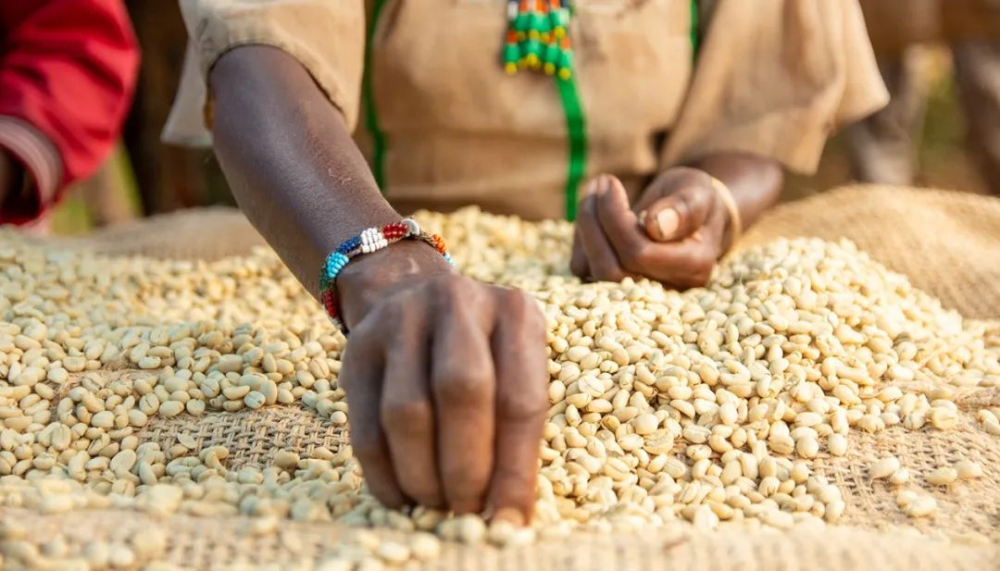
In terms of growing environments, the small mountain villages of Yirgacheffe enjoy cool, foggy conditions year-round, with spring-like seasons, gentle summer breezes, no harsh winters, and coffee often grown under banana trees — creating ideal and unique conditions for Arabica. As for processing, early Ethiopian natural methods were relatively crude with heavier off-flavors. Starting in 1959, South American washed techniques were introduced, and today most regions use washed methods — involving pulping, fermentation, washing to remove mucilage, and drying — to ensure cleanliness. After 2006, some processing stations further adopted raised-bed natural drying to prevent coffee from touching the ground, greatly enhancing the purity of fruit aromas and overall cup quality of natural beans.
For brewing, it is recommended to use freshly roasted beans (the optimal tasting window is 4–7 days post-roast) and opt for light roasts to preserve floral and fruity characteristics. A barista from a certain brand recommends using a V60 dripper, with water at 92°C, 20 grams of coffee (with a 20-number sieve at 80% sieve rate), a 1:15 coffee-to-water ratio, and a three-pour technique (first pour: 30g bloom for 30 seconds, second pour: 95g, third pour: 100g, total brew time around 2 minutes) — this approach effectively highlights layered acidity and sweetness, as well as nuanced flavor details.
The above content is compiled by CoffeeHunters, a coffee news website.


