








Introduction:As a South American coffee origin, Bolivia boasts high altitudes and unique flavor potential, yet has long struggled with persistently low production. This article delves into the root causes of its industry challenges—including policy direction, disease outbreaks, and shifts in international aid—while spotlighting a cocoa natural Java bean from Hacienda Waliki. From variety characteristics and processing methods to pour over parameters and flavor profiles, it offers a comprehensive exploration of this uniquely flavored specialty coffee.
Among South America’s many coffee-producing nations, Bolivia is often overlooked, yet it actually possesses high-altitude growing conditions with significant potential. However, the country has consistently ranked among the world’s lowest in coffee output, due to complex factors such as the economic incentive of coca leaf cultivation, the ravages of leaf rust disease, and the discontinuation of international competitions and aid. This article will explore from historical background, regional distribution, and variety traits, while providing a detailed introduction to a Java bean from Hacienda Waliki processed with a special cocoa natural method—from planting and harvesting to roasting and pour over recommendations, offering coffee enthusiasts a fuller understanding.

Bolivia is a landlocked South American country, with its capital La Paz being the highest-altitude capital in the world, over 3,600 meters above sea level. The nation not only has a geographically isolated location but also relatively underdeveloped economy, and its coffee industry has long faced multiple challenges. As early as 1880, Bolivia began cultivating coffee, primarily led by large northern plantation owners at the time. However, over time, the economic returns of coffee farming became increasingly meager, prompting many farmers to switch to growing more profitable coca leaves—legally, with returns four times higher than coffee and requiring relatively less labor.
The over-cultivation of coca leaves severely damaged the soil; land once used for coca often lost its productivity within just a few years, becoming unsuitable for other crops. In the early 2000s, the United States provided agricultural aid, but relations soured after the Bolivian government shifted support toward the coca industry, leading to an aid cutoff—with coffee farmers suffering the most. Although some programs were later restarted, such as the COE (Cup of Excellence) competition, it was halted again after 2009 due to political reasons, making it even harder for Bolivian coffee to gain exposure and support on the international stage.
The 2013 leaf rust epidemic dealt another heavy blow. This fungus, which attacks coffee leaves, severely impairs photosynthesis, leading to tree death or drastic yield reductions. That year, Bolivia’s coffee production plummeted by 50%, and with long-standing policy and market issues, overall output has dropped by as much as 70% over the past decade—further marginalizing this already niche producing region.
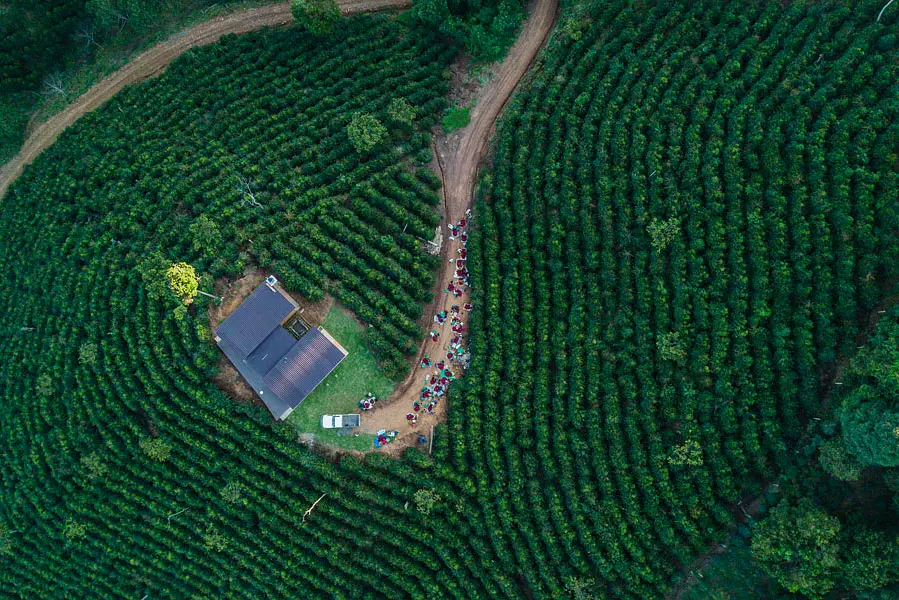
Bolivia’s main coffee-growing regions are concentrated in La Paz, particularly the Yungas area, located on the eastern slopes of the Andes Mountains, at altitudes between 800 and 1,800 meters. With a humid, rainy, warm, and suitable climate, it is an ideal environment for coffee growth. Around 95% of the country’s coffee is produced in this region, which also includes the infamous “Death Road” Yongas Road, highlighting the rugged terrain and challenging cultivation conditions.
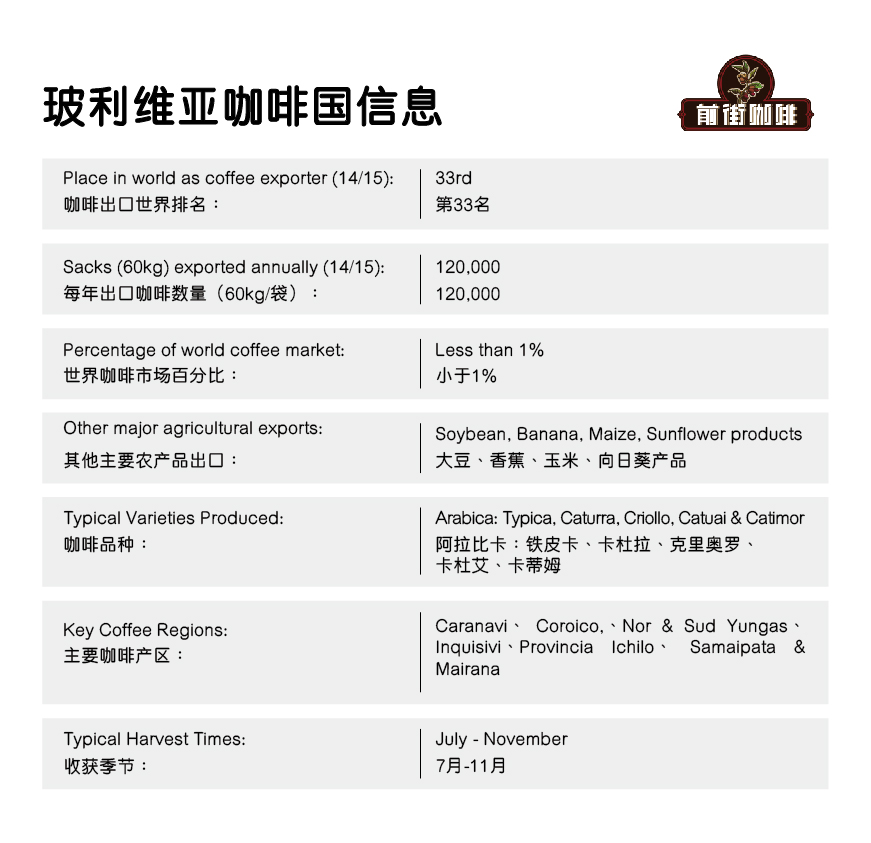
Bolivia’s coffee production is dominated by smallholder farmers, with approximately 23,000 small farms averaging just 2 to 9 hectares in size nationwide. About 40% of the coffee is consumed domestically, and nearly all cultivation is done organically. The main varieties planted include Arabica types such as Typica, Caturra, Catuai, and Catimor, with the typical harvest season running from July to November each year.
Among them, Catimor is a hybrid of Timor and Caturra, known for its higher resistance to leaf rust and yield, but often exhibiting pronounced bitterness and salty aftertastes in flavor. It is a high-yield variety with relatively ordinary flavor performance. In terms of processing, due to Bolivia’s generally cool climate, most farmers opt for washed processing, occasionally using natural or honey methods—but to avoid weather impacts, many green beans are dried using machines.
In recent years, the “Sun of Tomorrow” initiative driven by local enterprises has focused on assisting smallholders to improve quality through technical support, breeding improvements, pruning and harvesting training, and acquiring their beans at premium prices to establish a sustainable business model. Additionally, the COE competition—previously funded by USAID—once provided international exposure for Bolivian coffee, but its termination due to political factors has made promoting the country’s specialty coffee even more difficult.
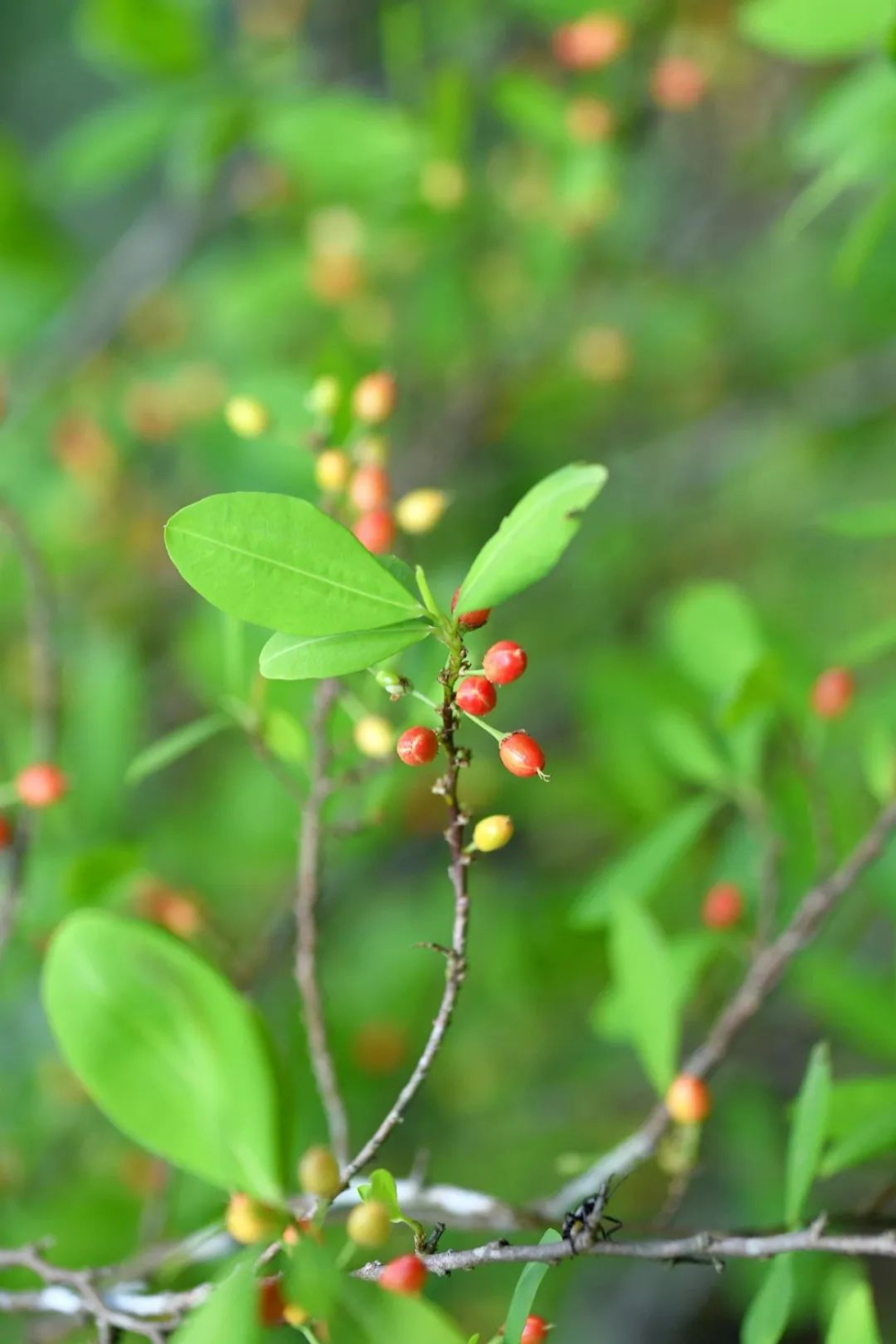
Among the many smallholder farms, Hacienda Waliki is an emerging gem. Located about 10 kilometers outside the town of Caranavi in La Paz Province, this mountain farm sits at an altitude of 1,600 meters and is operated by the Rodriguez family under their family enterprise Agricafe. The estate name “Waliki” is inspired by a local greeting meaning “How is everything?”, to which the usual reply is “Everything is good” or “Hakuna Matata.”
Covering only 3.62 hectares, Hacienda Waliki benefits from prime terroir, where high altitudes allow coffee cherries to ripen slowly, accumulating richer sugars and resulting in sweeter flavors. During harvest season, the farm employs local community members to meticulously handpick only fully ripe coffee cherries, harvesting in batches to ensure optimal ripeness. Picked cherries are transported in crates to avoid stacking damage and dried on African raised beds, with hourly turning to ensure evenness.
Notably, Hacienda Waliki introduced a cocoa dryer for the latter stages of coffee bean processing. This equipment maintains a constant temperature below 40°C, evenly turning the beans every 30 minutes over approximately 35 hours, significantly reducing the impact of weather on the drying process. After drying, the green beans are sent to La Luna factory in La Paz for hulling and manual sorting to ensure consistent quality.
This “Cocoa Natural Java Bean” from Hacienda Waliki is of the Java variety, which actually originates from Ethiopia, traveled to Indonesia via Yemen, and then spread worldwide. Genetic studies show that Java has a direct relationship with Ethiopia’s native Abysinia variety, rather than being a Typica variant as previously believed. This variety features slender beans with yellowish-green tips, tall plants but low yields, yet strong resistance to leaf rust and fruit diseases—making it suitable for small-scale farmers.
In cupping, this Java bean reveals an exceptionally unique and captivating flavor profile, even rivaling the famed high-priced Geisha variety. Processed with cocoa natural method, it delivers intense fermentation aromas while retaining clear fruitiness and sweetness.
Suggested pour over parameters are as follows: use 15 grams of coffee grounds, with a brew ratio of 1:15, water temperature controlled at 90°C, and grind size recommended to be 80% passing through a 0.85mm sieve. Use a Hario V60 #01 filter cone, following these steps:
- First pour: 30 grams of water, bloom for 30 seconds
- Second pour: add 95 grams (total 125 grams), completed in about 1 minute 05 seconds
- Third pour: add 100 grams (total 225 grams), completed in about 1 minute 45 seconds
- Total extraction time is about 2 minutes, then remove the filter cone
In terms of flavor, this coffee showcases subtle fermentation notes, layers of grape, nuts, and floral aromas, with medium acidity and a juice-like, vibrant mouthfeel. It is highly recommended for coffee lovers who enjoy fruity profiles and unique processing methods.
The above content is compiled by CoffeeHunters, a coffee news website.


