







Introduction:Many coffee enthusiasts often wonder about the shelf life and optimal flavor period of drip bags, and what fundamentally sets them apart from instant coffee. This article delves into the reasons behind the flavor changes in drip coffee bags over time, analyzes the significant differences in composition and health impact between drip bags and instant coffee, and provides practical brewing parameters and steps for drip bags to help you master the brewing techniques that bring out the best flavor.
The shelf life of drip coffee bags is typically labeled as 12 to 18 months, but this only represents a basic food safety guarantee, not the optimal assurance of flavor quality. For users who care about coffee taste, it’s more important to understand its “best-by period”—that is, the time range during which you can enjoy the best flavor. Generally speaking, starting from the completion of roasting,the flavor, aroma, and balance of sweet, sour, bitter, and umami in drip coffee bags will noticeably decline after about three weeks.The period during which it can truly showcase good flavor is only around 20 days.
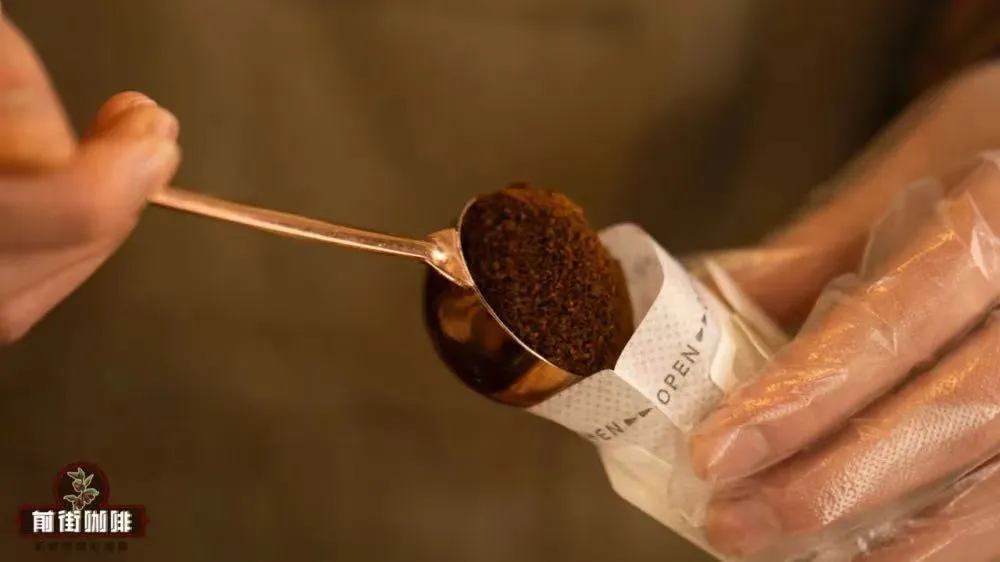
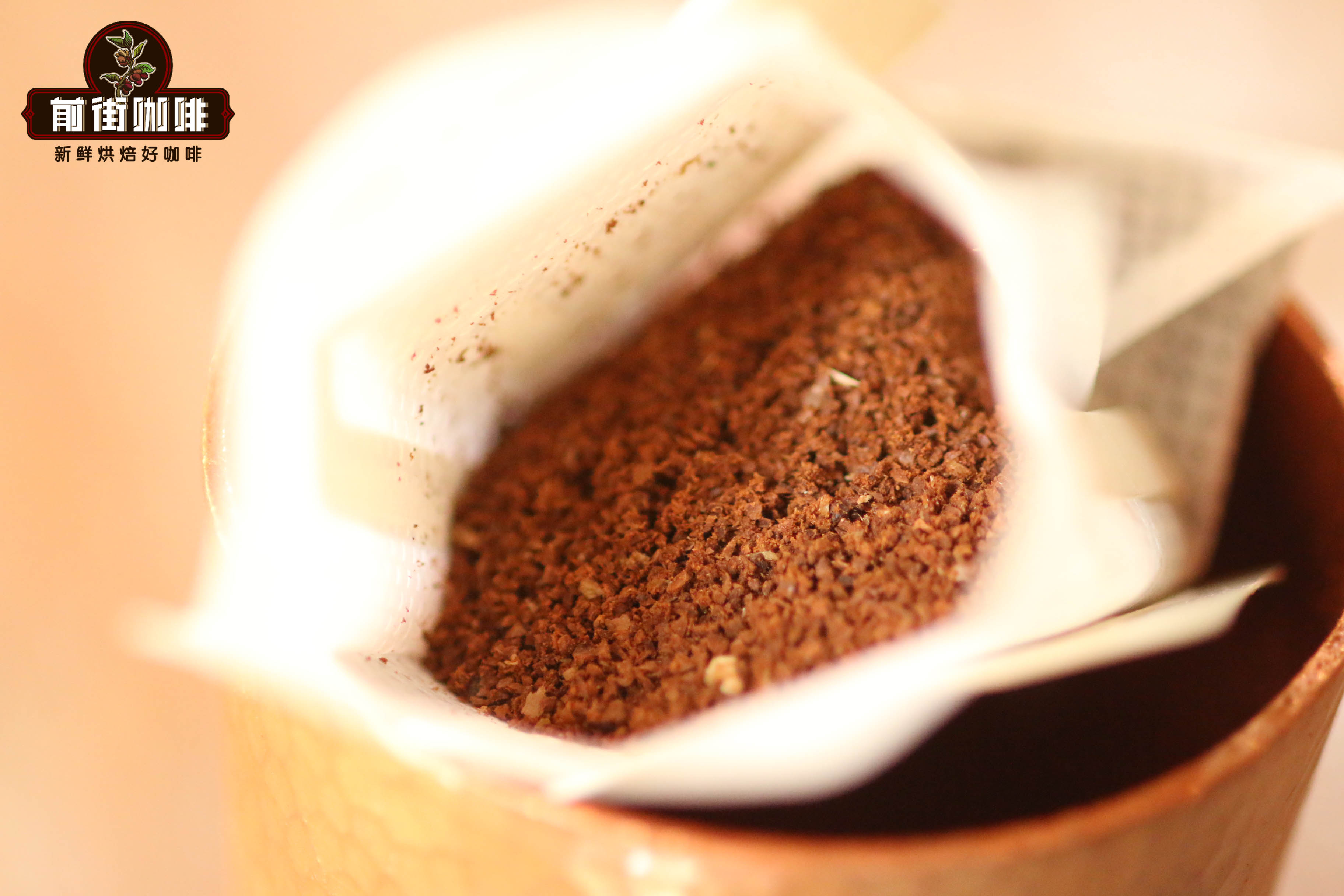
Why is freshly ground coffee often considered a higher-quality choice? The key lies in its ability to present a richer and more multi-layered flavor profile. These flavors mainly come from the various aromatic compounds produced during the roasting process of coffee beans, which interact with other taste elements to form the unique coffee flavor we perceive. Drip coffee bags, being pre-ground products, are convenient but also suffer from increased surface area exposure to air after grinding, leading to faster flavor volatilization and oxidation.
To verify this, experiments have observed the performance of drip coffee bags made at different time points. Taking drip bags produced within four days after roasting as an example, starting from the roasting date,around the third week, there will be a significant decline in the overall flavor performance, aroma intensity, and the harmony of sweet, sour, and bitter notes.Therefore, if you want to enjoy a cup of drip coffee with rich flavor, it is recommended to consume it within 20 days of purchase to experience it at its best.
Many consumers easily confuse drip coffee bags with instant coffee when making purchases, but in reality, the two are fundamentally different. To pursue convenience and solubility, instant coffee often contains artificial sweeteners or other additives, which may have negative health impacts if consumed long-term. Moreover, many commercially available instant coffees contain only 9% coffee content, with some high-quality products reaching 100%, but most still include various food additives such as creamers, emulsifiers, and stabilizers. In contrast, drip coffee bags are pure black coffee without added sugar or milk, and moderate consumption can even help boost metabolism and aid in fat reduction.
Whether a cup of coffee tastes good depends on many factors, including the roasting and freshness of the coffee beans, grind size, water temperature, pouring method, and brewing time. If you’re using freshly roasted and properly ground drip coffee but still find the flavor lacking, the issue likely lies inwater temperature control and pouring rhythm.On top.
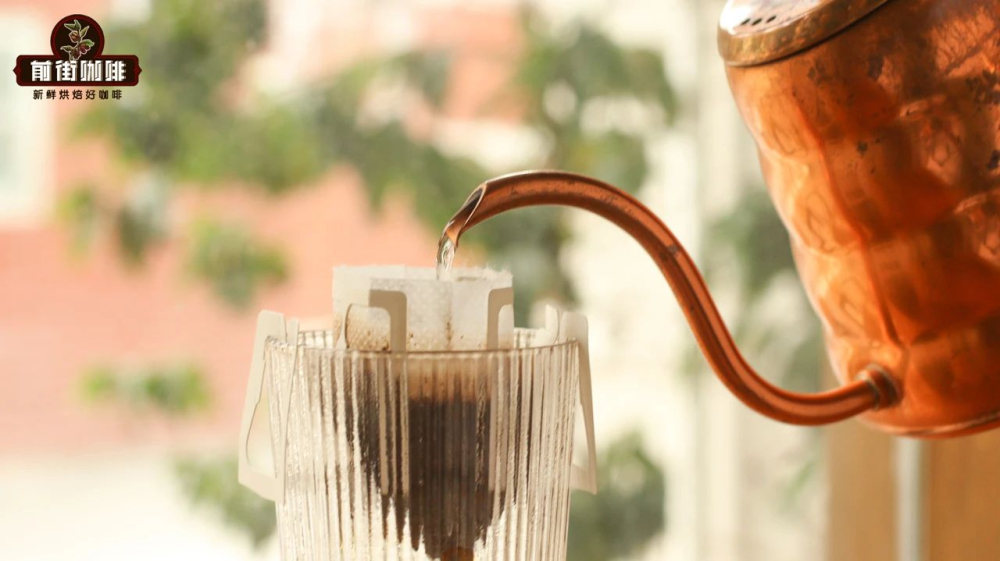
In practice, it’s recommended to use freshly boiled water along with a moderately sized pouring kettle and coffee cup. Taking a common 10-gram drip coffee bag as an example, each pack can yield approximately 120 to 130 milliliters of brewed coffee. First, boil the water and choose a cup with slightly high rims, such as a standard mug, to accommodate the subsequent pouring and dripping process.
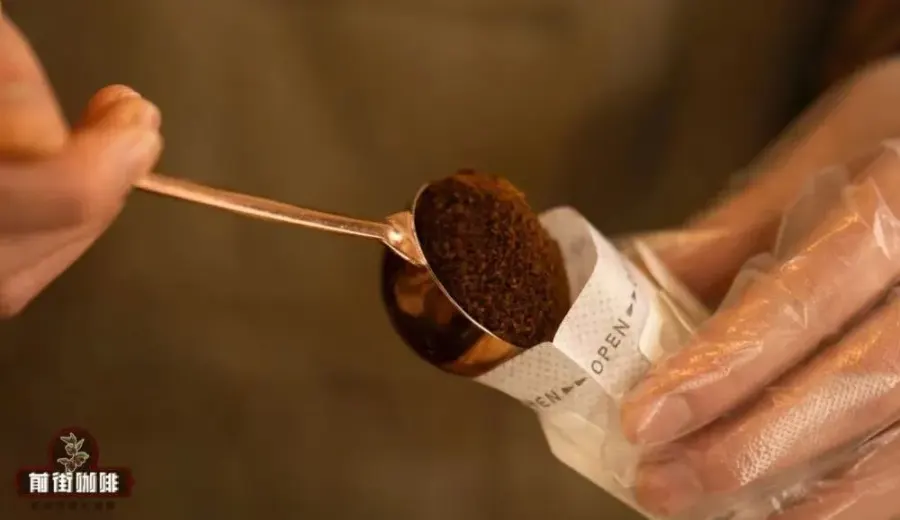
Next, carefully tear open the outer seal of the drip bag, then cut along the dotted line to open the non-woven fabric opening. Gently shake the drip bag to concentrate the coffee grounds at the bottom, then hang the two side handles over the rim of the cup. At this point, you can begin the first step—blooming: pour a small amount of hot water to evenly wet all the coffee grounds, let it sit for about 10 to 20 seconds. This step helps release carbon dioxide from the coffee grounds and lays a good foundation for subsequent extraction.
After blooming, switch to a smaller and steadier stream of water, slowly pouring in a circular motion from the center outward until the water level approaches the top edge of the drip bag, then stop pouring and wait for the coffee liquid to fully drip through. Once the first round of water has dripped out, pour more water until the filter bag is nearly full, and finally add the last bit of water, allowing it to naturally drip through. Generally speaking, the total water volume is controlled at around 150 grams, so you can complete the entire extraction process just by observing the dripping, without needing an electronic scale.
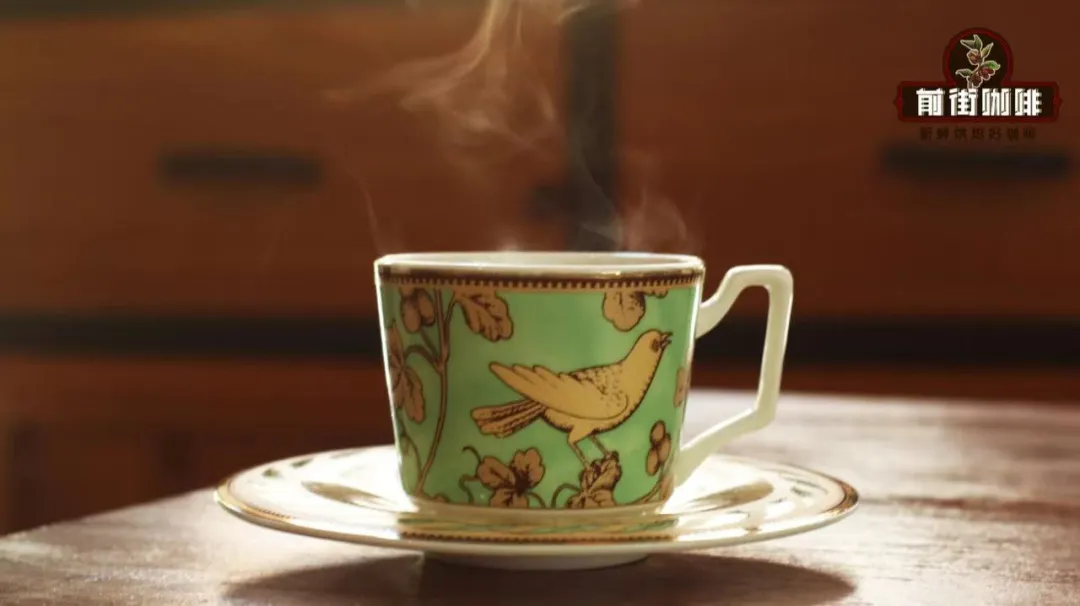
Once all the coffee liquid has dripped through, it’s recommended to gently swirl the cup to mix the liquid evenly, and then you can enjoy this pure black coffee, savoring its layered and distinct flavor profile.
The above content is compiled by CoffeeHunters, a coffee news website.


