







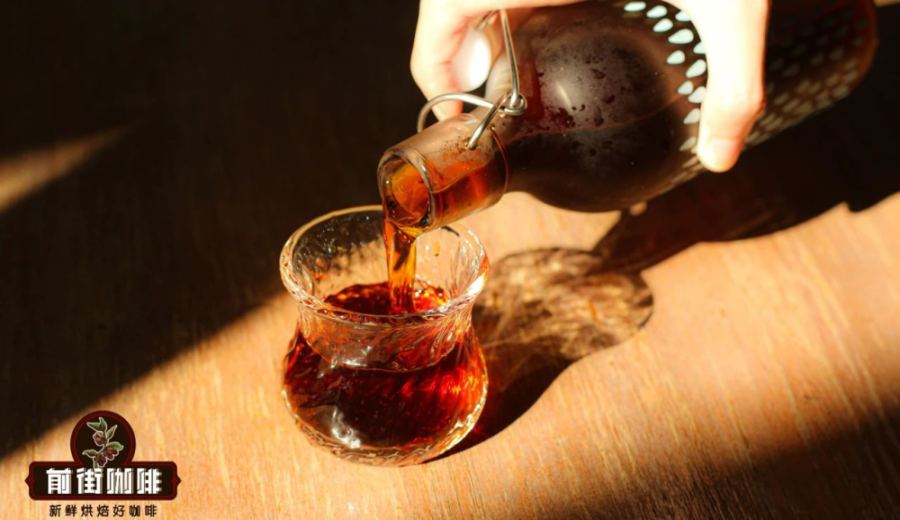
Introduction:Want to understand the unique charm of the 90+ Candleberry coffee beans from Ethiopia's Sidamo region? This article takes an in-depth look at this specialty coffee renowned for its tropical fruit profile. From the regional terroir, processing method, roast profile, to pour over techniques and parameter settings, we’ll help you unlock its flavor code and extraction tips. Whether you're a beginner or an advanced enthusiast, you’ll find it rewarding.
As the birthplace of Arabica coffee, Ethiopia boasts rich coffee genetic diversity, and the Sidamo region is one of its finest examples. The American specialty coffee brand Ninety Plus Coffee (abbreviated as 90+), has cultivated a highly representative coffee on this land — Candleberry. This coffee is widely praised for its vibrant tropical fruit profile and has become a dream brew for many coffee lovers, thanks to its unique processing method and flavor profile.
So, what kind of brand is 90+? And what makes the Candleberry beans so special? This article will fully break down this iconic specialty coffee — from regional background, processing technology, roasting strategy, to actual brewing methods — helping you better understand its appeal and personally extract its captivating tropical fruit aroma and rich body.
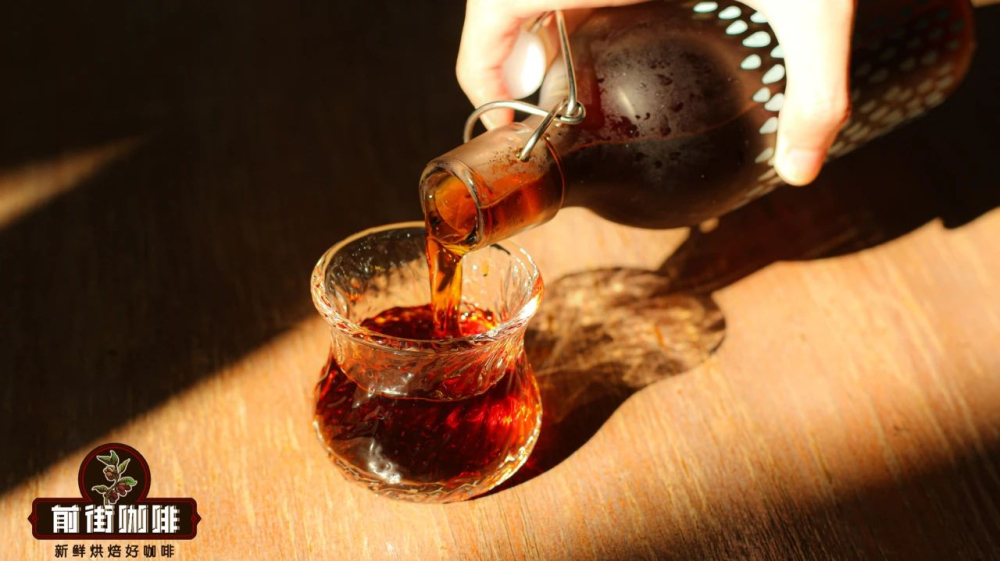
What is 90+ coffee?
Founded in 2006, the American brand Ninety Plus Coffee is known for its groundbreaking craftsmanship in specialty coffee production. Rather than using the traditional naming convention based on region or farm, this brand names each coffee according to its flavor characteristics. For instance, "Candleberry" — whose name implies “the best way to approach” in the local language — symbolizes the ultimate pursuit of flavor expression in this coffee.
90+ does not represent "coffee scoring over 90 points," but refers to an exclusive series of top-tier coffees developed by the brand itself, encompassing 13 different flavor themes. These coffees are all grown from Ethiopia’s Heirloom native varieties, cultivated in high-altitude environments, and carefully selected and specially processed. Each 90+ coffee can be considered a work of art, with every aspect — from variety, microclimate, harvest timing, to post-harvest processing — repeatedly tested and optimized to showcase the purest and most distinctive flavor expression.
The Terroir of Candleberry: The Unique Land of Sidamo
The origin of Candleberry is actually located in southern Ethiopia’s Sidamo region, not the commonly known Yirgacheffe. Sidamo sits on a plateau, with altitudes ranging approximately from 1400 to 2100 meters. The terrain is diverse, including mountains, plateaus, valleys, and plains. The soil is mineral-rich volcanic earth, deep in layers, well-drained, and high in organic matter. These conditions together nurture coffee with complex and layered flavors.
Sidamo coffees generally exhibit a pronounced sweetness, and the region’s varying microclimates and diverse native varieties result in highly distinctive and recognizable flavor profiles. The coffee beans used in Candleberry are local native varieties grown at altitudes between 1750 and 2000 meters, forming the foundation of its unique aroma and taste.

Processing Method: A Refined Presentation of Natural Drying
Candleberry uses the traditional natural drying (sun-dried) process, but with the technical support of the 90+ team, the drying process is more meticulous. Only fully ripe coffee cherries are selected, and they are frequently turned during sun drying to ensure even pulp drying, avoiding uneven fermentation or off-flavors.
Compared to the common earthy notes or over-fermentation issues found in typical natural beans, Candleberry, through strict screening and processing, showcases an exceptionally clean and intense tropical fruit aroma — such as mango, red berries, and tropical passionfruit — along with a soft sweetness and delicate acidity. The dried green beans may have a slightly uneven appearance, but this is one of the hallmarks of high-altitude native varieties and natural processing.
Roast and Flavor Profile
To fully highlight the fruity characteristics of Candleberry, a medium-light roast is recommended, using a strategy of rapid temperature rise to bring out the bean’s inherent aromatic compounds. During roasting, attention should be paid to controlling the drying phase and the development after first crack, in order to preserve bright acidity and a rich fruit profile.
The flavor profile of this coffee typically includes bright tropical fruit aromas (such as passionfruit and mango), soft citrus acidity, honey-like sweetness, and a long-lasting finish of richness and floral notes. When served cold, the flavor layers become even clearer, with sweetness and fruitiness standing out even more.
Pour Over Recommendations: Parameters and Techniques
To fully experience the tropical fruit flavors and rich body of Candleberry, it is recommended to use a Hario V60 filter cone with a medium-fine grind (approximately 80% passing through a Chinese standard No. 20 mesh sieve). Below are the recommended brewing parameters:
Water temperature:90°C
Coffee dose:15 grams
Coffee-to-water ratio:1:15
Grind size:Medium-fine (approximately 80% passing through a No. 20 mesh sieve)
For brewing technique, it is recommended to use a pulse pouring method: start with a 30-second bloom using 30 grams of water, then pour in small circles to reach 120 grams for the first pour. After the water level drops, continue pouring to 225 grams to finish. Total brew time should be around 2 minutes. This method effectively highlights the bean’s fruit acids and aromas while maintaining a smooth and layered mouthfeel.
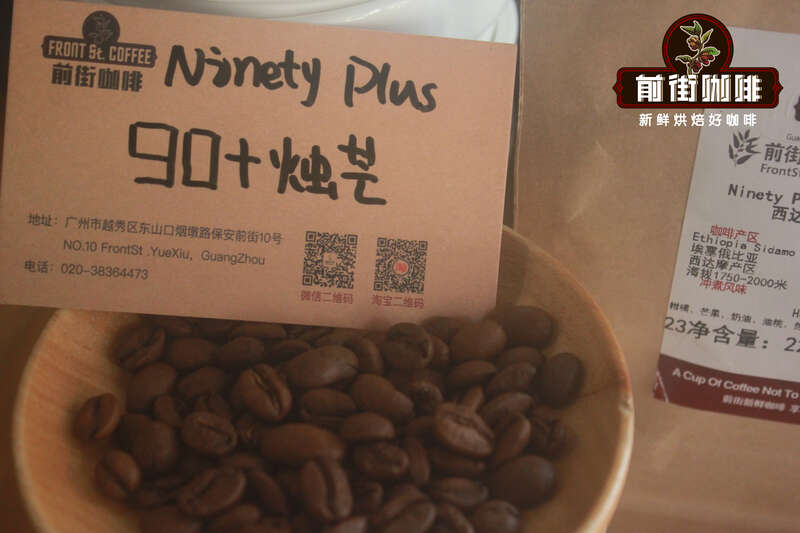
In summary, the Ethiopian Sidamo 90+ Candleberry is a highly representative specialty coffee. It not only stands out in terms of regional terroir, processing technique, and flavor expression, but is also ideal for coffee enthusiasts eager to explore tropical fruit profiles and pour over skills. With the right roast level and brewing parameters, you too can enjoy a colorful and layered cup of Candleberry coffee at home.
The above content is compiled by CoffeeHunters, a coffee news website.


