








Introduction:Want to dive deeper into the unique charm of Brazilian and Bolivian coffee beans? This article will take you on a comprehensive journey through their planting history, variety characteristics, pour over brewing parameters, and flavor differences, offering an in-depth look at the coffee profiles of these two major South American regions. By comparing actual tasting notes, it will help you understand how altitude, variety, and processing methods influence the taste of coffee, and guide you toward finding your own preferred coffee profile.
Both Brazil and Bolivia are key coffee-producing countries in South America, yet their coffees offer distinctly different flavor profiles. As the global "giant" leading in coffee production, Brazilian coffee beans generally exhibit nutty, cocoa, and sweet sugarcane notes, with softer bean density—making them ideal for those who enjoy balanced flavors. In contrast, Bolivia, though smaller in output, leverages its high altitudes and unique varieties to present more layered berry sweetness and deep fruit aromas, making it especially appealing to coffee enthusiasts seeking distinctive flavors.
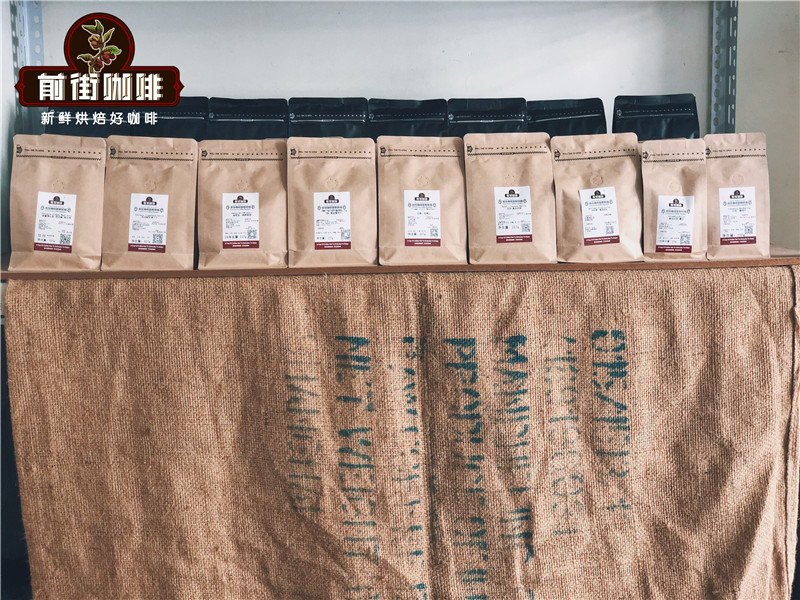
The history of Brazilian coffee dates back several hundred years, and its massive coffee cultivation scale continues to hold significant importance in the global market. The country is home to approximately 3.97 billion coffee trees, 75% of which come from small-scale farms rather than large estates. In the early days, Brazilian coffee exports had a tremendous impact on the global market—for instance, the 1994 frost disaster caused international coffee prices to soar. Today, coffee is produced in 17 states across Brazil, but nearly 98% of output is concentrated in four southern and southeastern states: Paraná, São Paulo, Minas Gerais, and Espírito Santo. Among them, Paraná alone accounts for half of the national production, making it the core coffee-producing region of Brazil.
In comparison, Bolivia’s coffee industry started much later, only gradually moving toward commercial production in the 1950s. Though coffee trees were once commonly planted in gardens as ornamental plants, the industry truly began to take shape after the major frost in Brazil in 1957, which Bolivia capitalized on. However, political instability in the following decades hindered the development of local coffee cultivation. It wasn’t until 1991, when the political situation stabilized and the government initiated programs involving indigenous communities in coffee farming, that the foundation for today’s Bolivian specialty coffee began to form—though initial efforts focused less on quality. Notably, due to inadequate infrastructure, regions like the renowned Yungas area face extremely high risks during processing and transportation due to rugged mountain roads and logistical challenges, indirectly driving up coffee costs.
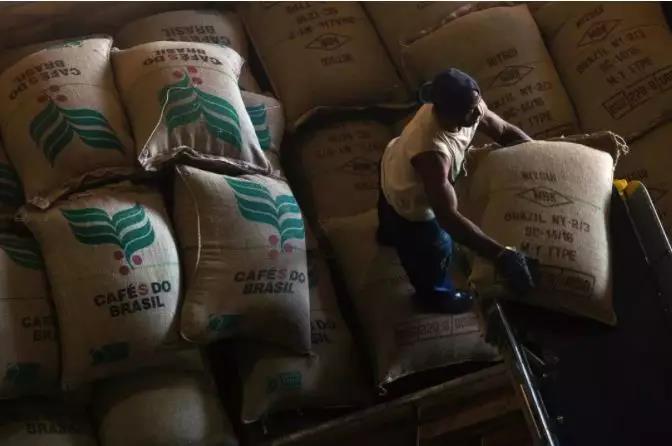
In terms of flavor, Brazilian coffee is primarily grown at elevations of 900–1100 meters on flat terrain and is mostly processed using the natural (sun-dried) method. This results in softer bean texture, lower acidity, and dominant flavors of nuts, cocoa, and pronounced sweetness—particularly in the Bourbon variety, which often carries a sugarcane-like sweetness. The featured “Brazil Cerrado Natural Red Bourbon” comes from the Southern Minas region at around 1000 meters altitude. Its flavor profile is clear and bright, offering immediate sweetness upon entry, paired with lemon-like aromatic freshness, rich nuttiness, and a deep dark chocolate finish. Overall, it presents a full-bodied and well-balanced cup.
Bolivian coffee, on the other hand, is typically grown at higher altitudes—such as in the Yungas region where elevations can reach 2500 meters—and often utilizes unique varieties like Java, resulting in a more complex cup profile. Take the “Bolivia Java Coffee Beans” for example, grown at the Vallecito Estate in the La Paz region at around 1600 meters altitude. Processed with a cocoa natural method, it showcases deep sweetness, gentle citrus acidity, and complex notes of black fruits and berries. Compared to Brazilian beans, Bolivian coffee tends to present a juice-like mouthfeel and delicate floral notes at mid-to-low brew temperatures, with livelier acidity and a hint of fermentation character—making it ideal for brewers eager to explore deeper flavor dimensions.
In terms of variety, Brazil’s mainstream Red Bourbon is a mutation of Typica, known for its elegant aroma and bright acidity. Especially when grown at higher altitudes, it more easily exhibits fine wine-like subtleties; whereas Bourbon grown at lower altitudes excels in sweetness, often showcasing pronounced caramel and sugarcane tones. Bolivia primarily cultivates what is locally called the “long bean” variety of Java, which actually originates from Ethiopia’s Abysinia variety—not, as previously misidentified, a Typica variant. Java beans are slender in appearance with yellowish-green sprouts, grow tall but yield relatively low. Yet due to their excellent disease resistance and unique flavor profile, they are favored by many smallholder farmers, and their cup quality can even rival that of high-priced, renowned varieties like Geisha.
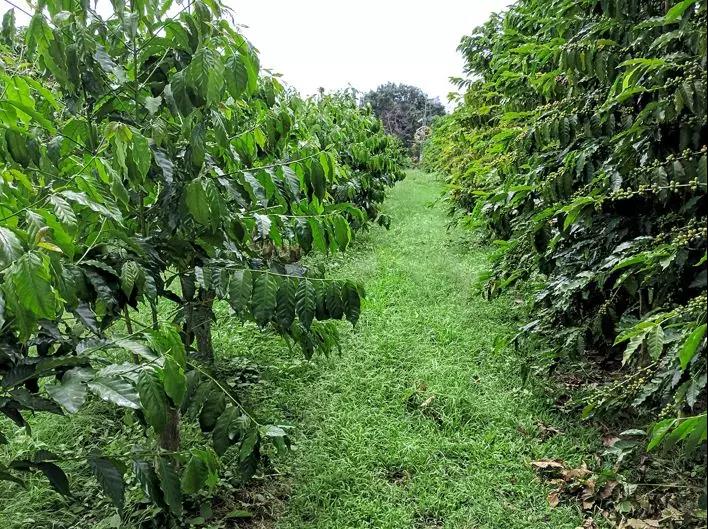
To help readers more intuitively perceive the differences between the two coffees, here are standardized pour over parameters and brewing methods. It is recommended to use a Kono dripper, whose short ribs slow down water flow, achieving more thorough immersion extraction and thus enhancing the body of the coffee. During brewing, control the water temperature at 89°C, with a coffee-to-water ratio of 1:15, and a medium-coarse grind size (similar to coarse sugar). The specific steps are as follows: start with a 30-second bloom using 30 grams of water to fully expand the coffee grounds (observe whether a “hamburger” shape forms to assess bean freshness and grind size appropriateness); then pour 125 grams of water at 54 seconds, and when the water level drops to two-thirds of the coffee bed, continue pouring to reach a total of 225 grams. The entire extraction time is about 2 minutes and 10 seconds. These parameters help balance sweetness, acidity, and body, making them suitable for comparative tasting of both coffee beans.
In terms of final flavor expression, the Brazilian Cerrado Red Bourbon delivers prominent sweetness with subtle lemon aromas and rich nuttiness, while its dark chocolate finish rounds out the cup for a fuller mouthfeel. The Bolivian Java coffee, meanwhile, exhibits mild fermentation notes and grape-like acidity at higher temperatures, gradually revealing nutty and white floral aromas as it cools, with moderate acidity and a juice-like, refreshing taste. Through such a comparison, you can not only gain deeper insight into how altitude, variety, and processing methods affect coffee flavor, but also identify the coffee beans and brewing methods that best suit your personal taste preferences.
The above content is compiled by CoffeeHunters, a coffee news website.


