







Introduction:Did you know that the time between brewing a hot cup of coffee and it becoming undrinkable is actually quite short? Changes in temperature, container material, and even whether the lid is properly closed can all affect the coffee’s temperature and flavor profile. This article delves into the science behind the optimal drinking window of hot coffee, analyzes why simply increasing the water temperature to extend heat may backfire, and provides practical brewing and preservation tips so you can enjoy every sip at its best.
Finally, under the invasion of cold air, autumn has quietly arrived in Guangzhou. Though brief, it brings a hint of coolness. As we often mention, changes in temperature directly impact coffee extraction and drinking experience. Especially in cooler environments, the rate at which coffee cools after brewing noticeably increases, as the greater the temperature difference between the surrounding environment and the beverage, the faster the heat dissipates.
When a hot cup of coffee cools rapidly, it not only affects the taste but also significantly shortens its optimal drinking period, also known as the “flavor window.” Many customers cannot finish their coffee right away, so both cafés and coffee enthusiasts have begun seeking ways to effectively slow down the cooling process, keeping the deliciousness intact for longer.

Increasing the initial temperature of the coffee is undoubtedly one of the most intuitive solutions. For example, when making hot Americanos or lattes, using hotter water or steaming milk to a higher temperature can result in a warmer final product, thereby extending its ability to retain heat during drinking. This not only helps maintain a higher serving temperature for a longer time but also mitigates the impact of ambient temperature differences on extraction efficiency to some extent.
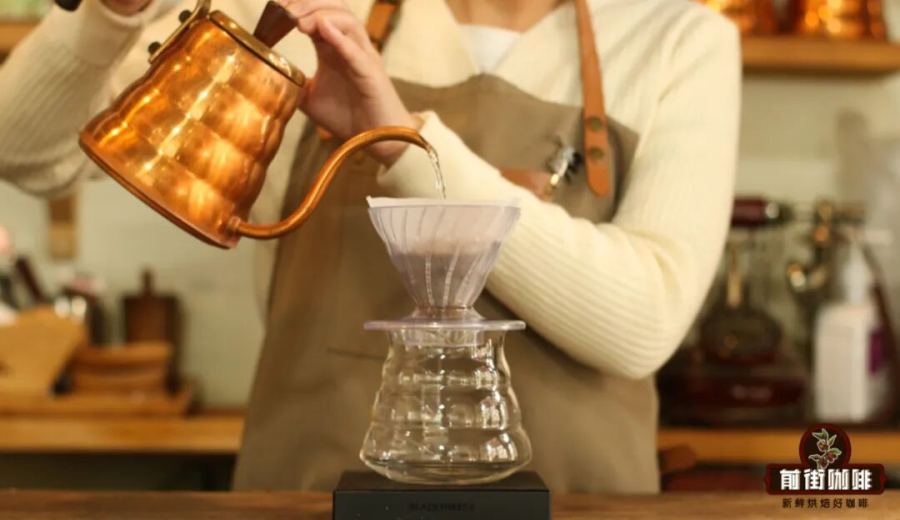
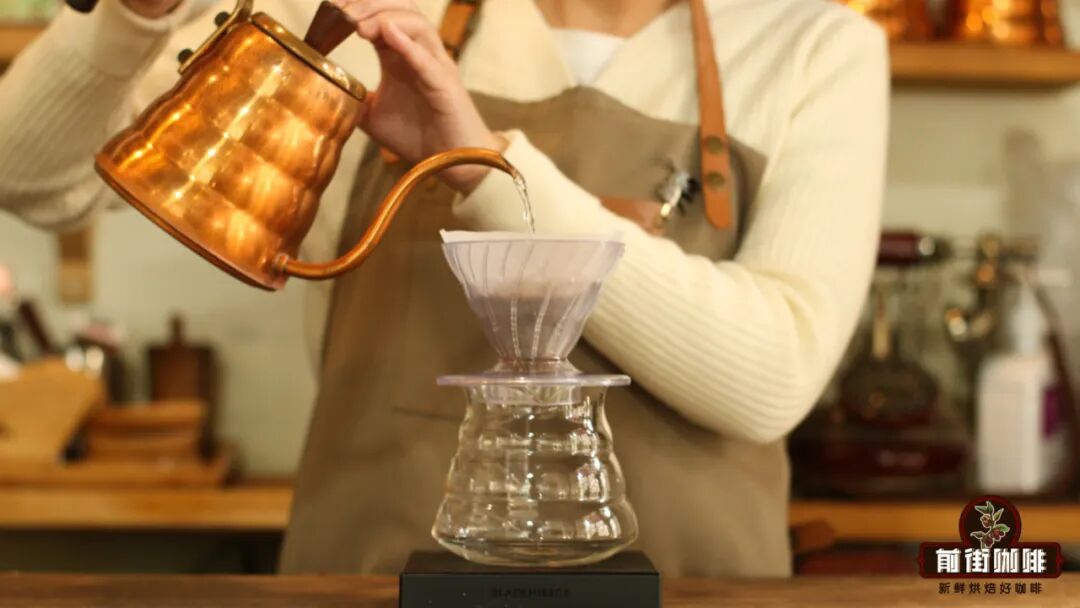
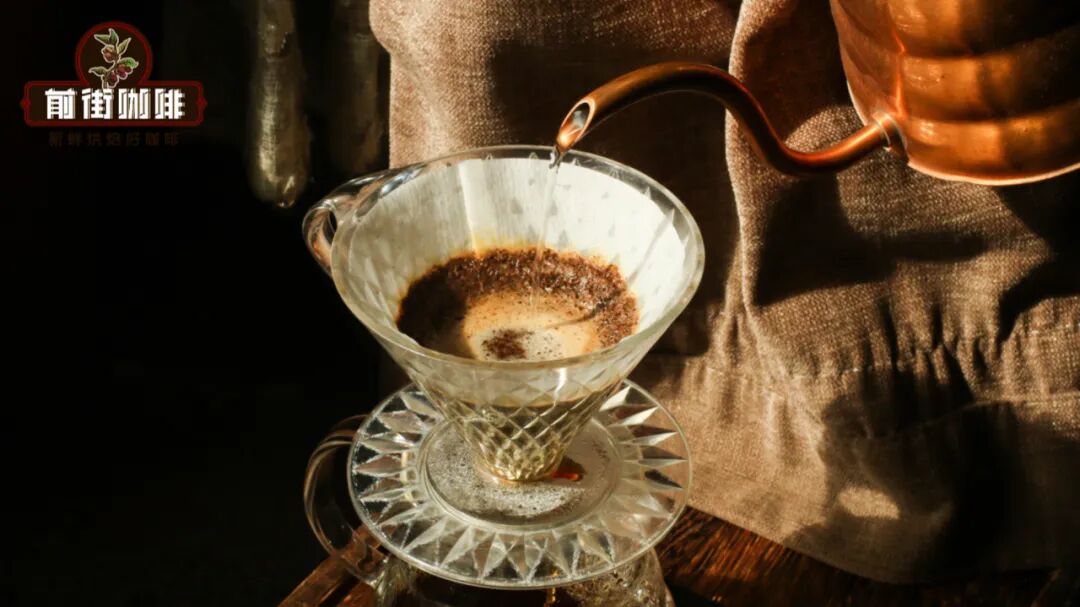
For instance, during pour over brewing, since the entire extraction process relies on manually pouring water, the hot water often loses some heat due to exposure to air before even contacting the coffee grounds—this heat loss becomes even more pronounced in colder seasons. Therefore, moderately raising the brewing water temperature helps compensate for this heat loss, ensuring fuller extraction and a richer flavor.
However, some people misunderstand this technique, thinking that simply drastically increasing the water temperature will keep the coffee hot for longer, or even assuming it can improve overall flavor. In reality, for most coffees, excessively raising the water temperature not only offers no benefits but can easily lead to negative effects, especially in pour over and milk-based coffee preparation.
When the water temperature exceeds the ideal range and other extraction parameters are not adjusted accordingly, the coffee is prone to over-extraction, releasing excessive bitterness and impurities that lead to an imbalanced overall flavor. Water temperature is closely related to extraction efficiency: the higher the temperature, the faster the release of flavor compounds—but not all released substances are pleasant, as some of them include off-putting impurities.
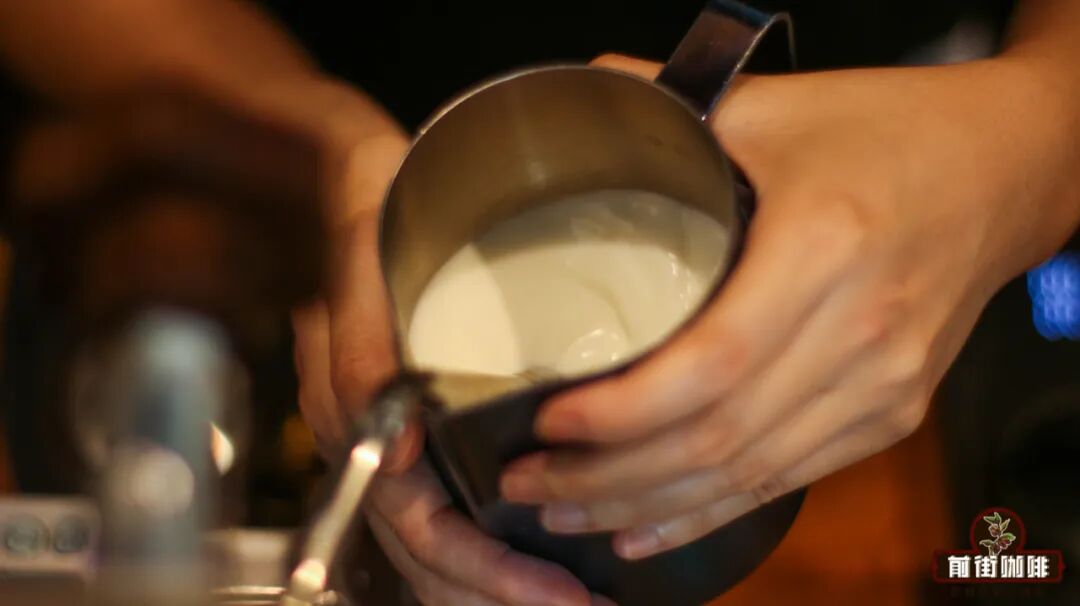
The situation is even more delicate for milk-based coffee. It is generally recommended to heat milk to around 65°C when preparing drinks like lattes. This temperature not only highlights the natural sweetness from lactose in the milk but also maintains a good texture and mouthfeel. Once the temperature exceeds 70°C, the protein and fat structures in the milk may begin to alter, reducing sweetness and potentially resulting in a thinner or even rougher mouthfeel.
Therefore, while increasing temperature to extend the coffee’s flavor window, be careful not to over-adjust. For pour over coffee, it is advised to increase the water temperature by only about 1–2°C above your usual baseline; for milk-based coffee, the milk temperature should be increased by no more than 3–4°C to avoid significantly compromising overall flavor and texture.
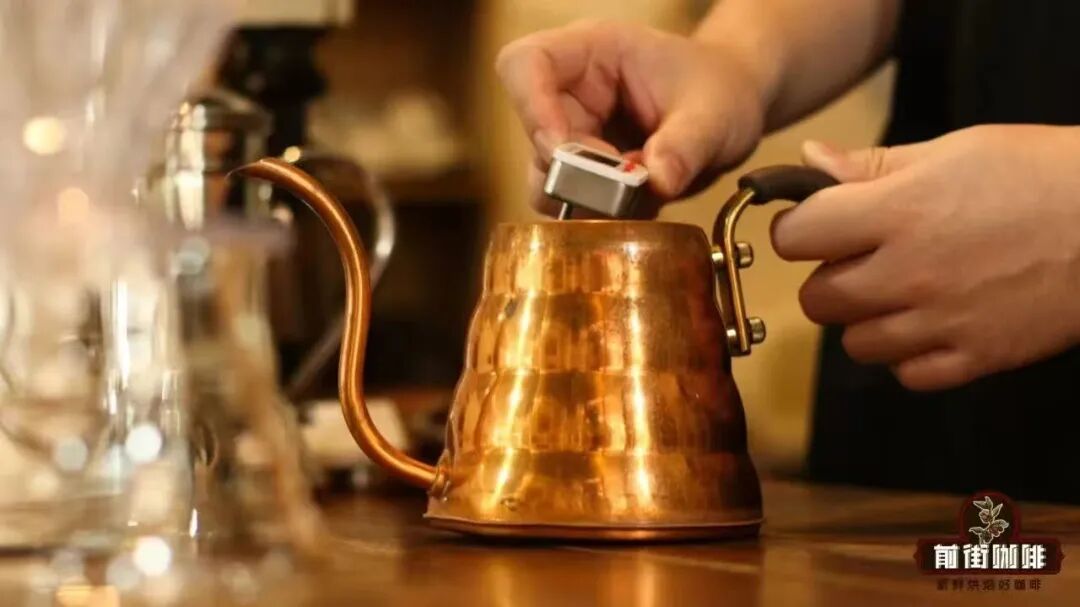
In addition to adjusting water temperature, there are several other practical methods that can help keep coffee warmer for longer, thus extending its best drinking period.
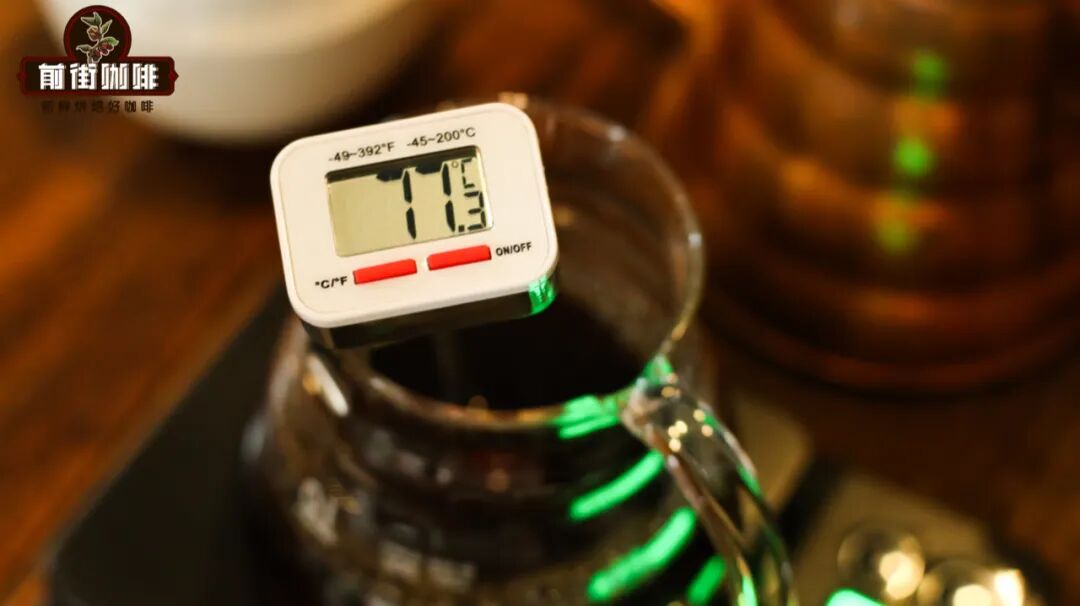
First, preheating your brewing equipment is a simple yet often overlooked key step. The temperature of the vessel itself directly affects the starting temperature of the coffee. If the filter cone, pour over kettle, or other containers are not preheated, they will absorb a lot of heat from the freshly brewed hot coffee, causing it to cool quickly. Practical tests have shown that without preheating, the final coffee temperature may be as low as about 65°C, whereas with proper preheating, it can rise to around 75°C.
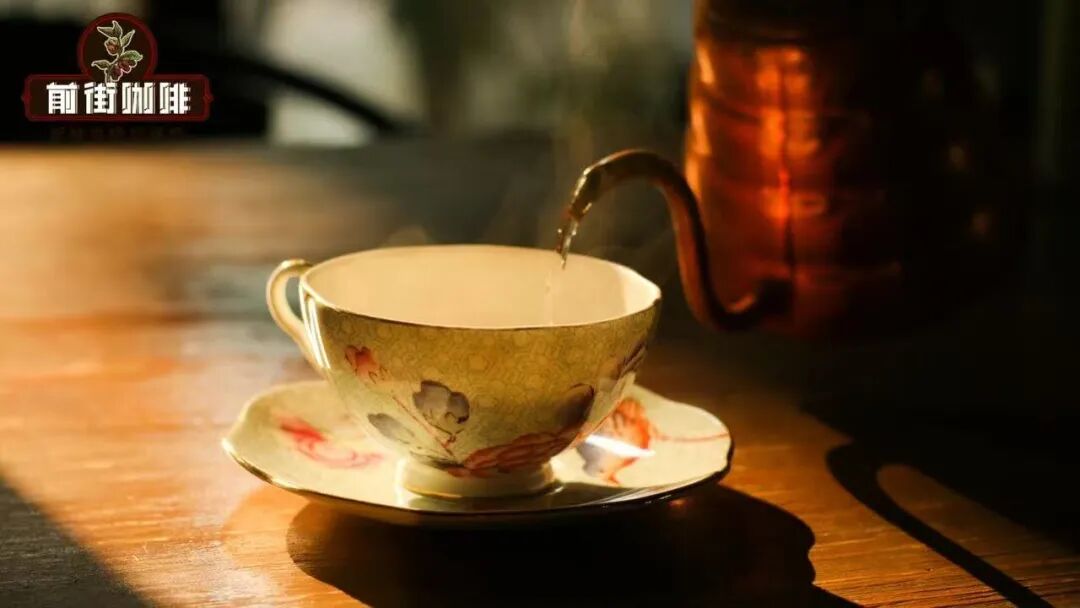
Preheating is simple—for example, soaking the metal filter cone and glass lower vessel in hot water beforehand, or directly using residual heat from the coffee machine for preheating, can effectively reduce heat loss. This applies not only to pour over but also to other brewing methods that require precise temperature control.
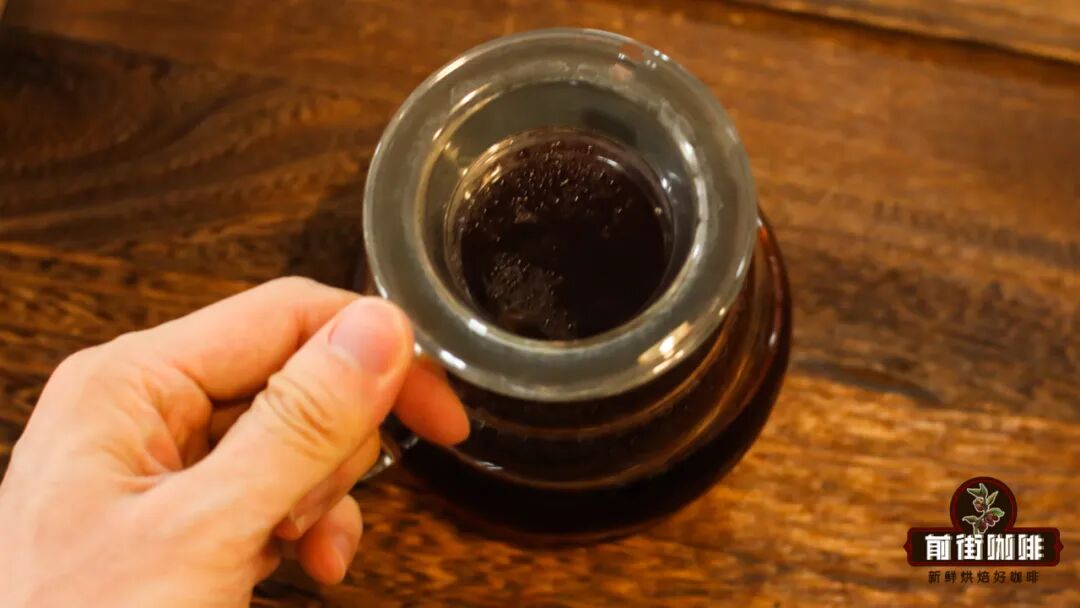
Secondly, maintaining the airtightness of the coffee container is another crucial technique to delay cooling. For shared pitchers or thermoses with lids, simply closing the lid after pouring can effectively reduce the escape of heat and aroma. By creating a physical barrier, it minimizes the cooling effect caused by air convection, further extending the comfortable drinking temperature range of the coffee.
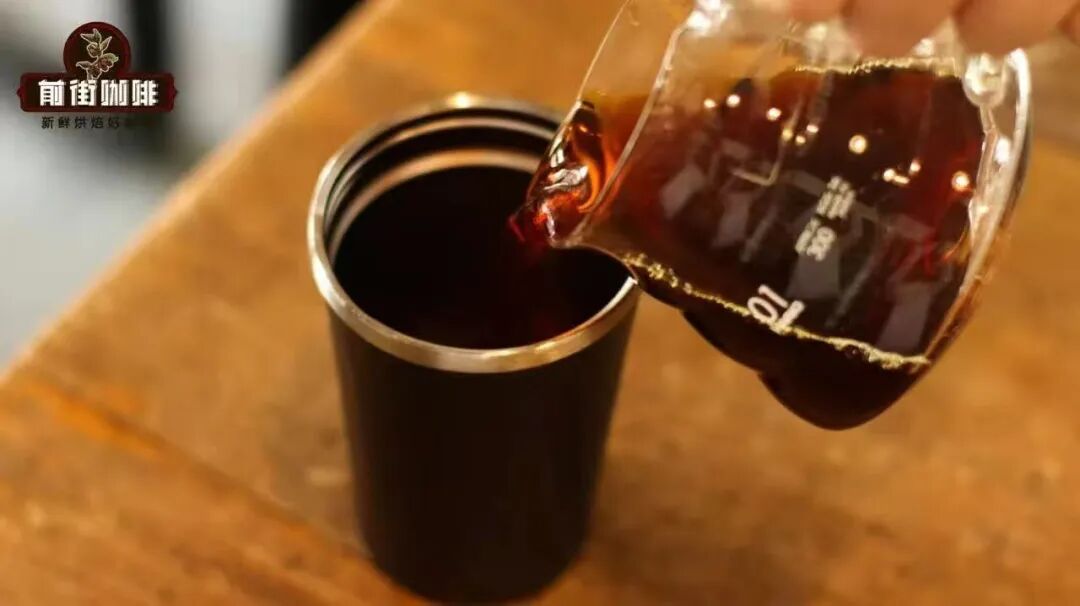
Experiments have shown that using a well-sealed thermos to hold pour over coffee, when unopened, not only maintains the coffee’s temperature but also preserves its aroma for a longer time. For individual users, this is a simple and effective method. Just make sure to tightly close the lid when not drinking, and each sip will retain the flavor as if it were just brewed.
However, it’s important to note that even with perfect sealing, coffee is not a sterile beverage, and it is still recommended to consume it within 2–3 hours to avoid potential hygiene issues.
The above content is compiled by CoffeeHunters, a coffee news website.


