







Introduction:Want to understand the differences among the three major coffee-producing regions—Colombia, Brazil, and Indonesia—and the classic bean varieties each represents? This article provides an in-depth analysis of the geographical environments, climate conditions, cultivated varieties, and processing methods of these three regions, taking you from the origin to grasp the unique characteristics of different coffees. It also explains why medium-to-dark roasted Colombian Huila, Brazilian Cerrado, and Indonesian Mandheling have become classic everyday choices for many.
When you're looking for a coffee bean that offers balanced flavor, affordable pricing, and suitability for daily drinking, classic varieties from Colombia, Brazil, and Indonesia are often the top choices. These three types, typically medium-to-dark roasted, showcase rich notes of chocolate, nuts, cream, and spices. They have a full-bodied taste without being overly bitter, making them especially friendly to coffee lovers who are sensitive to acidity. This article will analyze the differences among Colombia, Brazil, and Indonesia—three globally significant coffee-producing countries—from aspects such as regional geography, climate, varieties, and processing methods, helping you gain a deeper understanding of the origins of their flavors.
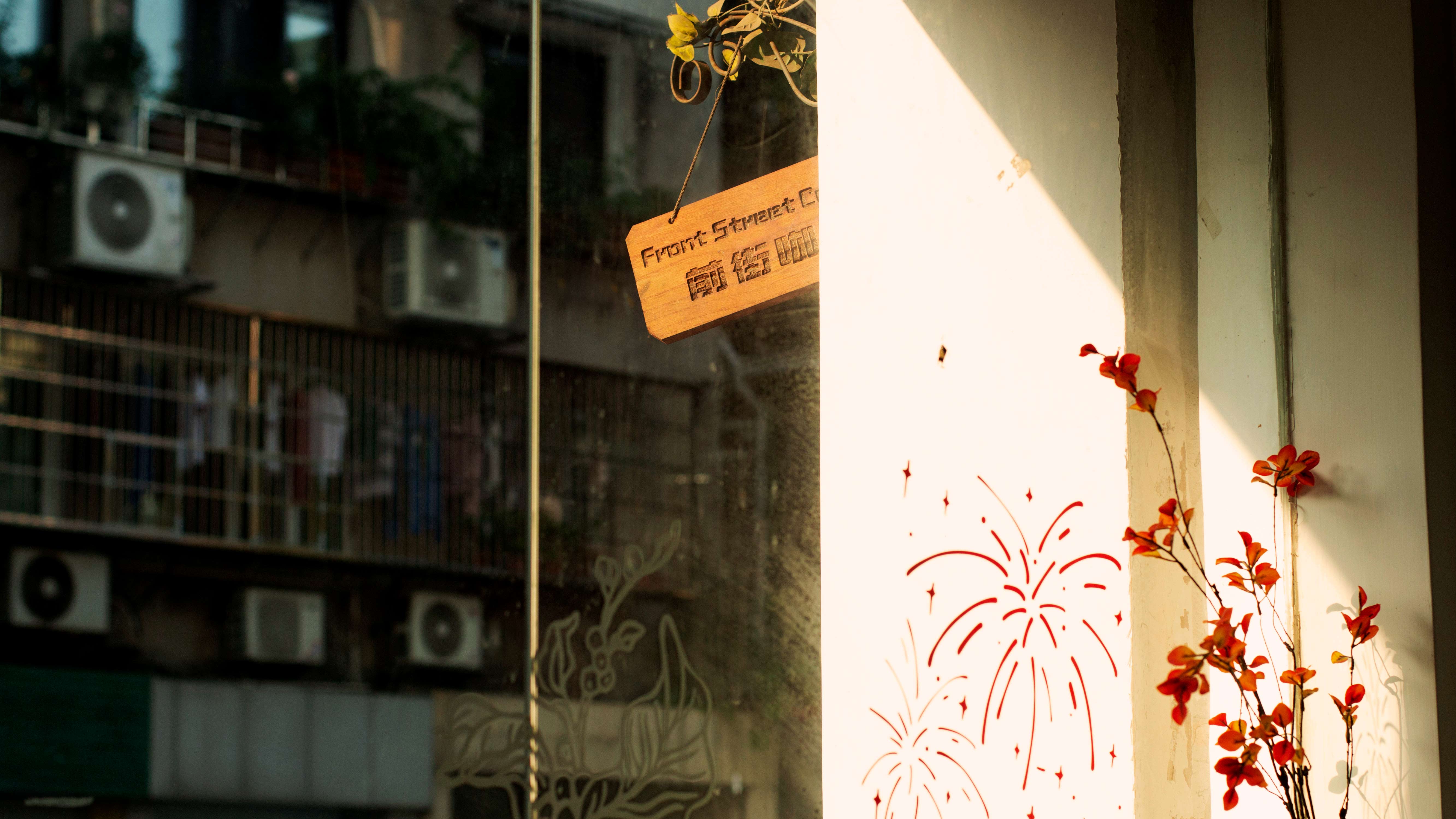
Colombia is the world’s second-largest producer of Arabica coffee, with cultivation mainly concentrated at altitudes of 1,200 to 2,000 meters above sea level. Such elevation allows the coffee trees to mature slowly, accumulating richer flavor compounds. The country’s Andes mountain range runs vertically, creating complex microclimates, and its volcanic soil is rich in minerals, giving Colombian coffee generally bright acidity and layered fruit aromas. The nation can be divided into multiple producing regions, among which the southwestern areas of Cauca, Nariño, and Huila are the most renowned. Coffees from these regions often exhibit distinct fruit notes, with smooth mouthfeel and rich complexity.
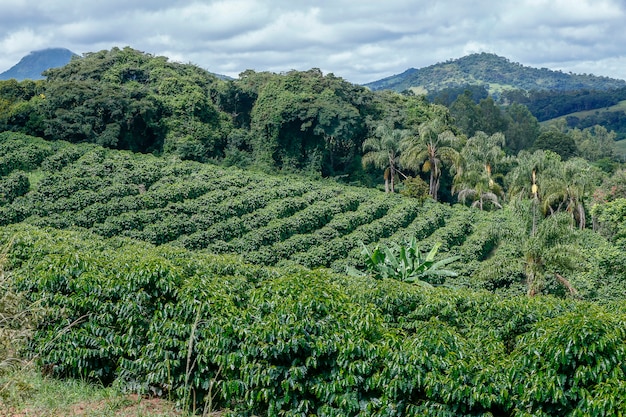
Brazil is the world’s largest producer of Arabica coffee, and its output has a significant impact on the global coffee market, even influencing ICE futures prices based on its supply situation. Due to its terrain, which is mainly plateau and plain, along with a warm and stable climate, Brazilian coffee is mostly harvested mechanically, ensuring high efficiency and relatively low cost. Major producing regions include Minas Gerais, São Paulo, Bahia, and Espírito Santo. Among them, Cerrado and South Minas in Minas Gerais, with their higher altitudes, produce many high-quality specialty coffees. Brazilian coffee generally features low acidity, rich nutty and chocolatey tones, and a smooth, full-bodied mouthfeel, making it an important base for many blends.
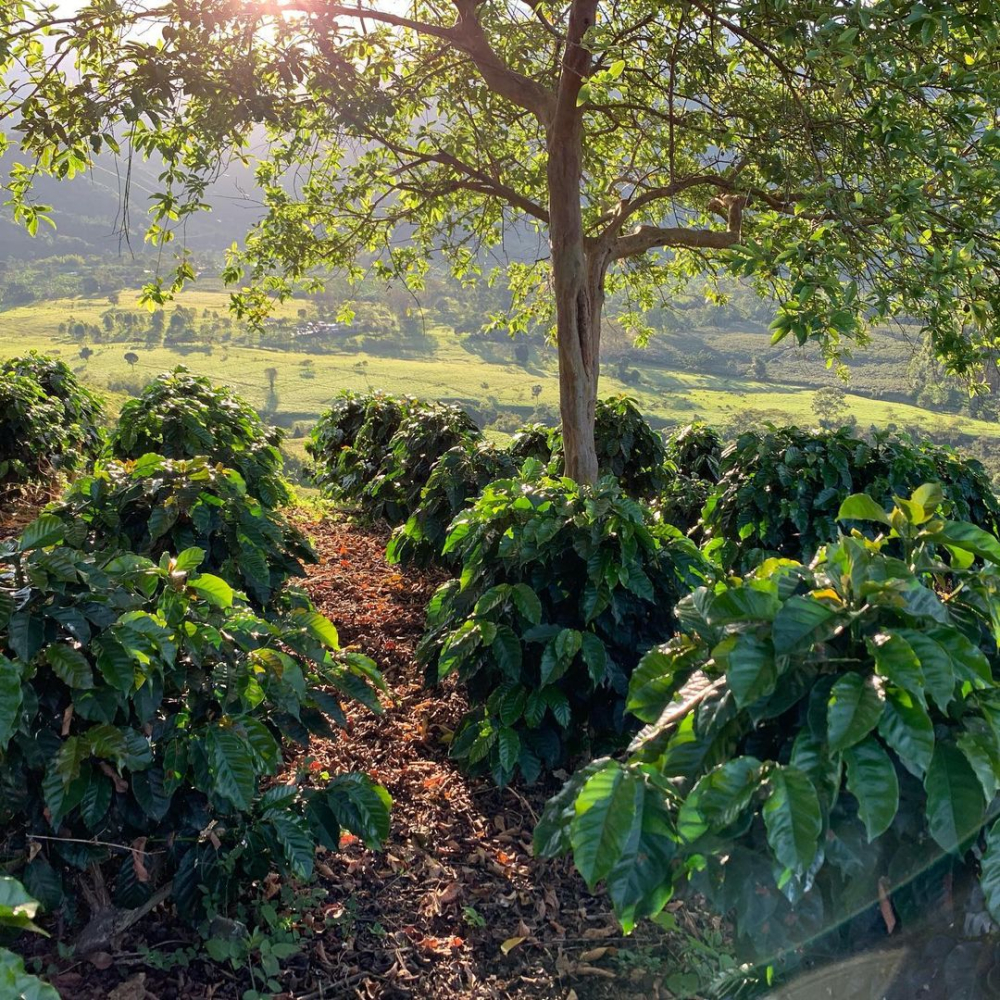
Indonesia is an important coffee-producing country in Asia, particularly the islands of Sumatra, Java, and Sulawesi, known for producing coffee with intense and unique flavors. Among them, Sumatran Mandheling coffee is one of the most representative offerings. It is produced in the northern part of the island, in the high-altitude regions of Aceh and North Sumatra. These areas have a tropical rainforest climate with year-round cloud cover, coupled with fertile volcanic soil, nurturing coffee with intense and distinctive flavor profiles. Mandheling coffee is usually processed using the wet-hulled method, resulting in low acidity, high body, and prominent notes of spice, herbs, and woodiness. It is a top choice for many black coffee enthusiasts.
In Colombia, Caturra is one of the primary Arabica varieties, a natural mutation of the Bourbon variety. It features high yield, no need for shade, and shorter plant height, making it convenient for harvesting and management. The flavor profile of Caturra is similar to that of Bourbon, with bright acidity and fruity notes. Most Colombian coffee is processed using the washed method, which clearly highlights the unique regional flavors. For example, washed beans from the Huila region often carry rich notes of nuts, chocolate, and caramel, along with a soft sweet aftertaste, making them suitable for drinkers who prefer balanced flavor profiles.
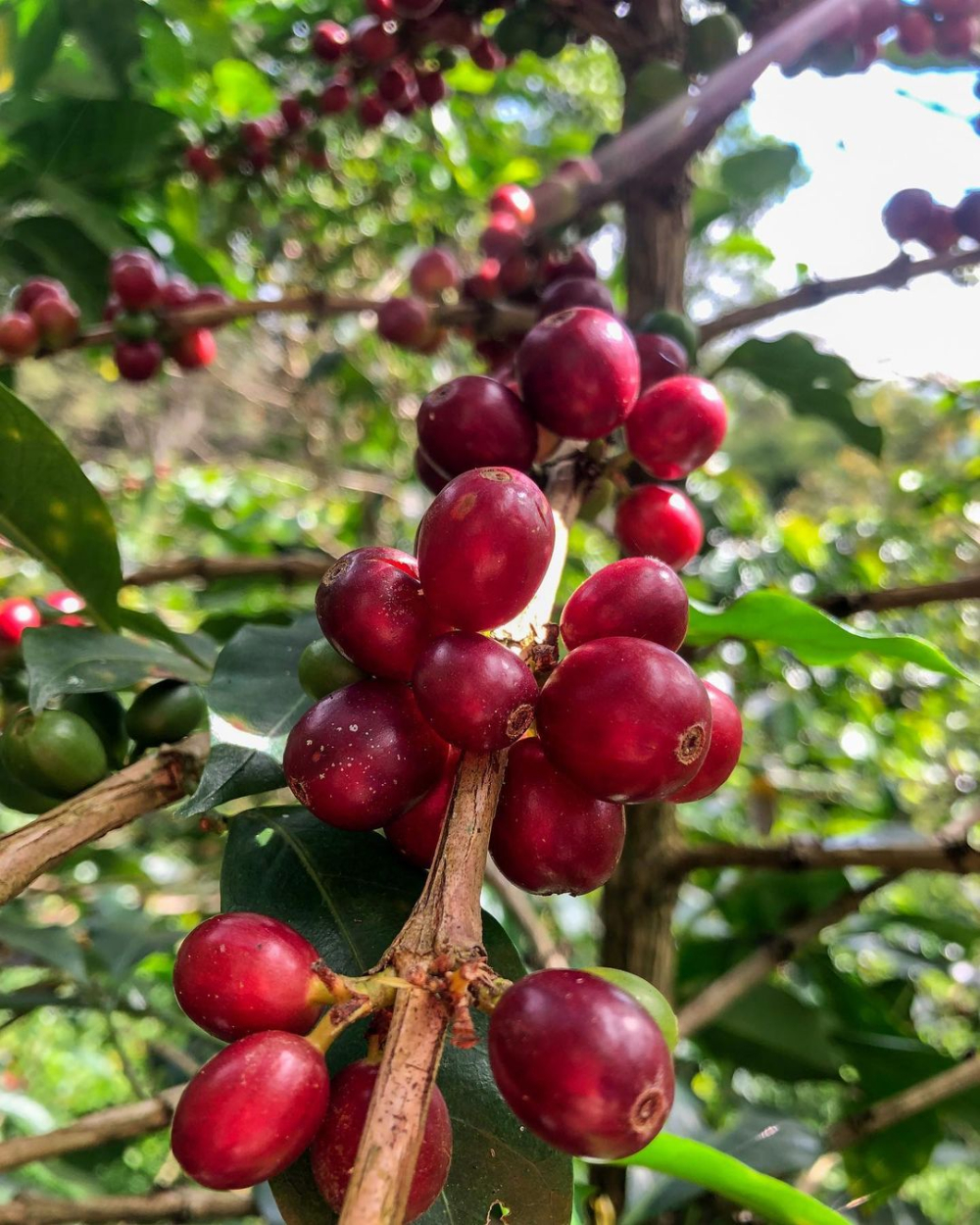
Brazilian coffee is dominated by the Bourbon variety, which is further divided into Yellow Bourbon and Red Bourbon. Red Bourbon gets its name from the deep red color of the beans when ripe. Its flavor is usually more intense than that of Yellow Bourbon, with softer acidity and delicate floral notes. Due to Brazil’s generally low altitude, flat terrain, lack of significant microclimates, and common use of semi-washed or natural processing methods, Brazilian coffee exhibits unique “soft bean” characteristics: low acidity, full body, and distinct nutty and chocolatey sweetness. It serves as a foundational variety in many blend recipes.
As for Indonesia, the most representative is Sumatran Mandheling coffee. This coffee is often mistaken as being named after a place, but in fact, “Mandheling” refers to the Mandailing ethnic group in Sumatra. Lintong Mandheling comes from the Lintong region in north-central Sumatra, near Lake Toba. The coffee here is mostly processed using the wet-hulled method. This method involves first washing to remove the fruit pulp, then slightly sun-drying the parchment coffee beans with mucilage until their moisture content drops, followed by early removal of the parchment before continuing with subsequent sun drying. This method significantly shortens the processing time but also gives the coffee unique woody, herbal, and earthy aromas. It has a rich and full-bodied flavor with low acidity, making it very suitable for consumers who enjoy dark-roasted black coffee.
In summary, Colombian coffee excels with its high altitude and washed processing, offering fresh and layered flavors; Brazilian coffee showcases low-acidity, full-bodied soft bean traits due to its flat terrain and semi-washed processing; Indonesian Mandheling achieves its unique intense and mellow aroma through the wet-hulled method and special geographical environment. If you’re looking for everyday drinking beans, consider starting with medium-to-dark roasted Colombian Huila, Brazilian Cerrado, and Indonesian Mandheling. These three beans not only offer stable flavors but also each have their own distinctive qualities, meeting the expectations of most coffee drinkers.
The above content is compiled by CoffeeHunters, a coffee news website.


