








Introduction:Italian-style blended coffee beans emphasize the perfect balance of acidity, sweetness, bitterness, and body. A high-quality blend not only showcases complex layers but also enhances the overall flavor profile of espresso and milk-based beverages. This article carefully selects five Italian blends designed for different consumer groups—from classic richness, nutty balance, floral and fruity notes, commercial stability to high cost-performance options—analyzing their roast levels, suitable scenarios, and brewing suggestions one by one to help readers find the blend that best suits their preferences.
In the world of coffee, Italian blending is an art that values harmony and layering. Unlike single-origin coffees that highlight origin and processing methods, blended coffees combine beans from different regions, altitudes, and processing techniques to create a comprehensive flavor profile that a single origin cannot achieve. The ideal Italian blend should avoid jarring sharp acidity, excessive dryness or bitterness, and instead pursue a rounded, full-bodied, and layered taste. Especially when making espresso, it places greater emphasis on the texture and stability of the crema (coffee foam).

The market offers a wide array of Italian blends, but selecting the one that truly fits your needs or shop concept is a skill. This article will deeply analyze five distinctly styled Italian blend beans, each targeting classic richness, nutty balance, floral-fruity sweetness, commercial stability, or the high cost-performance market. Not only do they provide detailed flavor descriptions, but also practical roast level suggestions and applicable scenario analyses, offering readers clearer guidance when purchasing or blending their own.
First introduced is the classic blend combination that emphasizes richness and caramel aroma. This blend is usually made from Brazilian Red Bourbon, Indonesian Mandheling, and Vietnamese beans, with deep roasting enhancing the intensity and sweetness of the flavors. The foundation of caramel and nuts is prominent, making it suitable for crafting traditional-style espresso or pairing with milk for lattes and cappuccinos. Deep roasting not only helps reduce sharp acidity but also brings different regional beans into harmony and balance in flavor. It delivers rich crema and serves as the base choice for many classic café drinks.
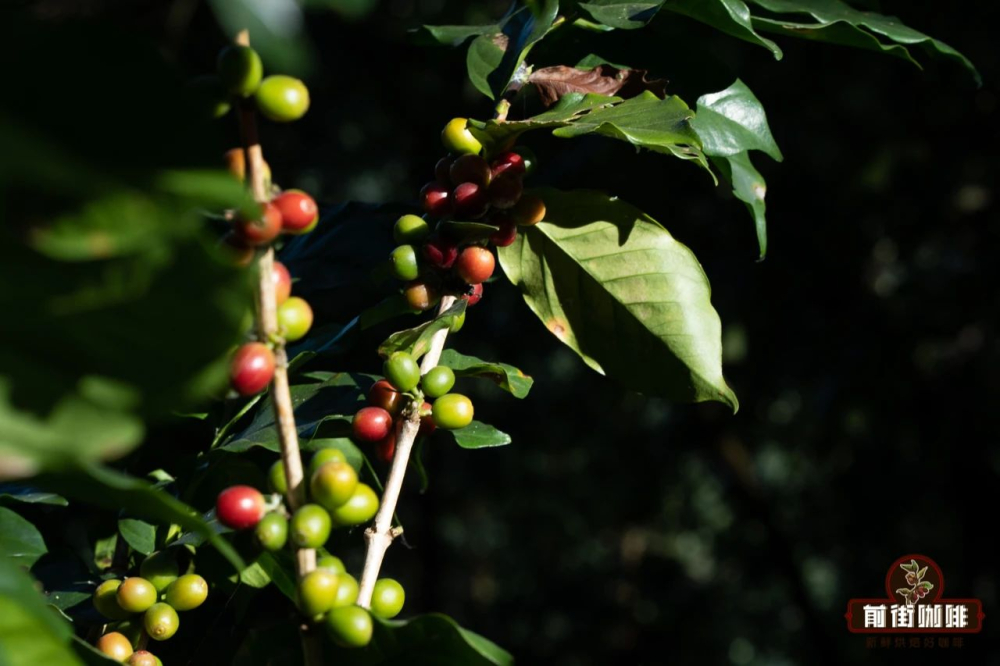
For those who prefer a mild and comfortable nutty tone, a blend primarily composed of Brazilian and Colombian Arabica beans is a great option. Such blends typically use medium-dark roasting, clearly presenting a flavor profile of nuts, toasted bread, and subtle fruit acidity, with a soft mouthfeel and sweet aftertaste. Suitable for home daily use or small café daily offerings, its balanced roast level does not easily mask the inherent regional characteristics of the beans, while retaining moderate body and aroma expression. Crema release is moderate, fitting for all kinds of milk coffee and black coffee preparation.
For consumers who enjoy bright floral and fruity flavors, a medium-roasted blend combination is recommended. These blends often combine beans from Costa Rica, Ethiopia, and Colombia, using honey or natural sun-dried processing methods to enhance fruitiness and sweetness. They are suitable for making espresso with flavors like strawberry, citrus, or marshmallow. Medium roasting retains more acidity and fruity tones, while appropriate roasting balance ensures the overall flavor isn’t overly intense. The extracted crema is delicate, and the mouthfeel is smooth, catering to coffee enthusiasts seeking innovation and personalized flavors.
Commercial-grade blends focus on stable output and cost-effectiveness, typically combining Brazilian, Colombian, and Vietnamese Robusta beans. While slightly inferior in premium-level aroma compared to specialty coffee, they offer high flavor consistency, making them suitable for large-scale daily operations in cafés. The espresso from such blends usually presents rich flavors of nuts, cocoa, and caramel, with a moderately bitter-sweet aftertaste. The crema is thick and stable, providing a solid foundation for popular drinks like lattes and Americanos. It’s a go-to choice for many commercial shops ensuring consistent supply.
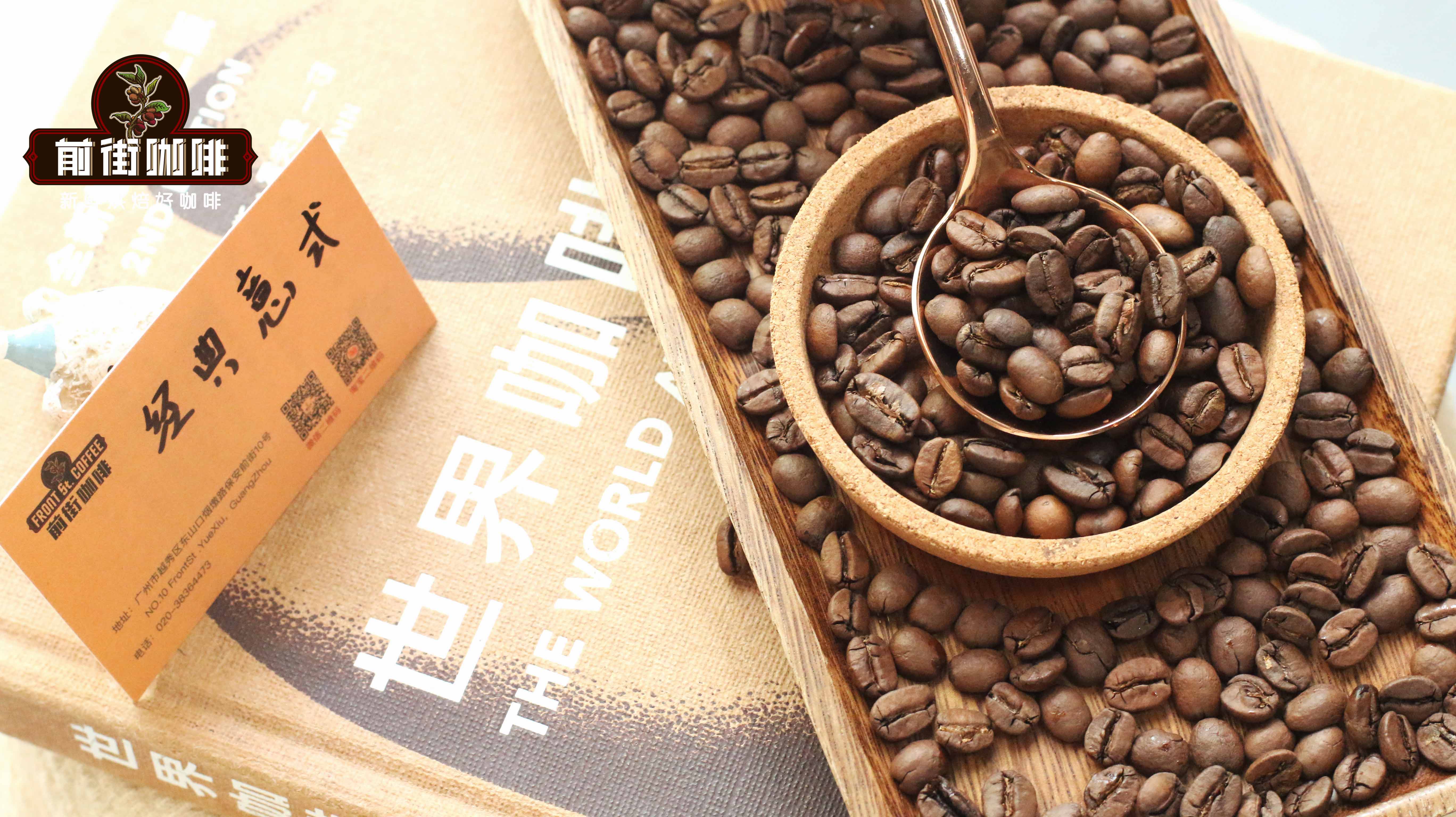
Lastly, for home enthusiasts on a budget yet pursuing flavor quality, high-cost-performance blends offer another solution. These blends often pair Brazilian beans with washed beans from Yunnan, using a moderate roast level to showcase soft fruit acidity, caramel sweetness, and layers of nutty dark chocolate. Affordable in price, their flavor performance rivals that of mid-tier blends, making them suitable for daily espresso brewing or simple milk coffee preparation. They’re a quality-and-value entry-level favorite.
In summary, choosing the right Italian blend involves considering not just flavor preference, but also usage scenario and budget constraints. Whether you seek classic richness, vibrant fruitiness, or commercial reliability, understanding each blend’s roast level, flavor features, and usage suggestions can help you achieve better results during extraction and further elevate your overall coffee tasting experience.
The above content is compiled by CoffeeHunters, a coffee news website.


