








Introduction:The Yirgacheffe Aricha Natural coffee beans come from Ethiopia’s Mist Valley region, situated at an altitude of 1950 to 2100 meters, and are renowned for their Grade 1 classification. They boast a vibrant and distinct flavor profile featuring notes of strawberry, mango, berries, and cocoa. This article delves into the origin environment, the impact of the natural processing method on the flavor, and shares expert-recommended cold brew preparation methods. Whether you’re a coffee novice or a seasoned enthusiast, you’ll be able to grasp the correct way to appreciate and brew this classic bean.
Yirgacheffe Aricha (also spelled Arika or Aricha) is a representative naturally processed coffee from Ethiopia, grown at an altitude of approximately 1950 to 2100 meters in the highlands of the Mist Valley, within Ethiopia’s iconic Yirgacheffe coffee region. These beans are graded as Grade 1, signifying their outstanding quality and making them particularly appealing to coffee lovers who seek bright acidity and complex flavors. This article will provide a detailed introduction to the origin background and processing characteristics of Aricha Natural beans, analyze their unique strawberry, mango, berry, and cocoa flavor notes, and also offer cold brew recommendations to help you fully experience the potential of these beans.
Yirgacheffe is a renowned high-altitude coffee-growing region in southern Ethiopia, characterized by fertile red clay soil and a microclimate often shrouded in clouds. These conditions contribute to the cultivation of coffee with vivid and multifaceted flavor profiles. Aricha is produced in the Aricha Keble town within the Yirgacheffe area, situated on an east-facing slope at around 1950 meters above sea level, nestled within the Mist Valley and surrounded by lush greenery. The region has over 1400 hectares of coffee cultivation, with the Aricha Keble area managed collectively by about 700 smallholder farmers. It also features a 2-hectare processing facility primarily responsible for selection and cupping to ensure that each batch of beans maintains stable and excellent quality.
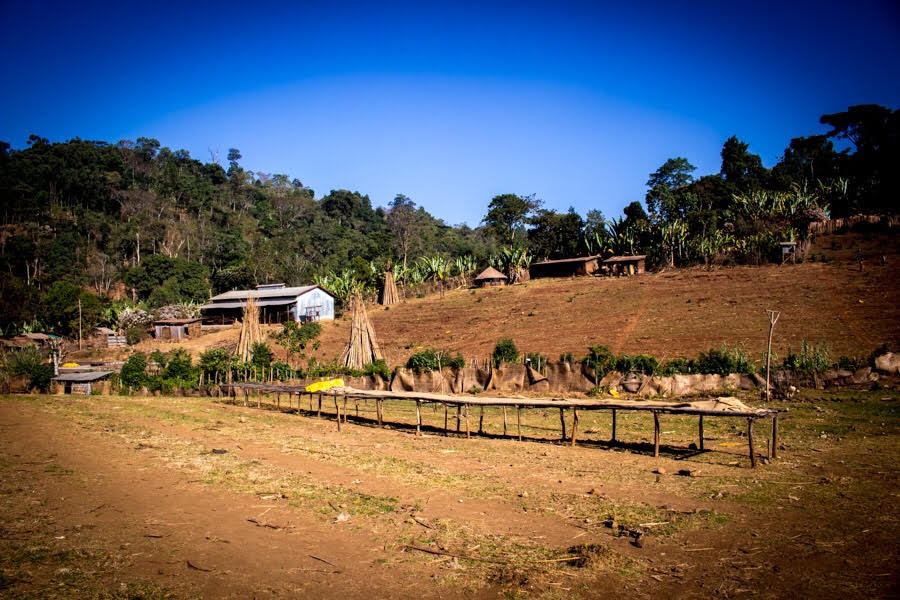
The most distinctive feature of Aricha Natural beans lies in their natural sun-drying processing method (Natural Process). This involves placing harvested coffee cherries directly on raised beds or in natural environments, allowing the fruit to gradually dry under the sun without initially removing the pulp or mucilage. This traditional technique has a history of over nine centuries and is one of the earliest coffee processing methods used in Ethiopia. In the era before mechanized equipment became widespread, the drying process relied entirely on sunlight and manual turning to control the drying progress. During drying, the coffee beans not only absorb the natural sugars from the pulp and mucilage but also retain the full fruity aroma, resulting in a final coffee liquid with intense fruity tones, along with sweet notes of honey, caramel, and even chocolate.
During the sun-drying process, coffee cherries are typically spread evenly on elevated drying beds to ensure good ventilation and even heat exposure. The drying period generally lasts about two weeks. Throughout this time, the cherries must be constantly turned to prevent mold and over-fermentation until the moisture content is reduced to10% to 12%before hulling can take place. While this technique preserves fruity flavors to the greatest extent, it is also more dependent on weather conditions and manual labor. As a result, the overall flavor consistency is not as stable as that of washed processing. Therefore, strict cupping selection is required to choose batches with the most balanced flavor and highest quality.
Another variation of this processing method is the ‘pasa’ technique, where coffee cherries are dried directly on tree branches. This utilizes a higher suspension and more direct sunlight, resulting in a slightly different flavor profile. Regardless of which sun-drying method is used, the final coffee typically exhibits a fuller body, lower acidity, and higher sweetness, making it highly suitable for those who enjoy intense fruit aromas and dessert-like flavors.
Aricha Natural beans are most commonly described as having bright notes of strawberry, mango, red wine, pineapple, and grapefruit, paired with soft citrus acidity and a creamy smooth mouthfeel. The finish often carries lingering notes of cocoa and honey. As the temperature cools slightly, additional layers such as blueberry, apricot, and floral notes may emerge. The overall flavor profile is rich and highly dynamic. These flavor characteristics have made Aricha Natural beans a favorite among many pour over and espresso enthusiasts, and they are also highly suitable as a base for cold brew coffee.
For this bold and multi-layered Aricha Natural bean, cold brew is a highly recommended brewing method. Cold brew involves steeping coffee grounds in cold water (around 4 to 10°C) for an extended period (typically6 to 12 hours), which effectively extracts fruity acidity and volatile aromatic compounds from flowers and fruits while avoiding the release of excessive bitter or smoky large-molecule substances. As a result, the strawberry, berry, mango, and cocoa aromas of Aricha Natural beans are fully presented, yielding a flavor that is refreshing and layered.
In practice, it is recommended to use a coarse grind size with a coffee-to-water ratio of approximately1:8 to 1:12. Combine the coffee grounds with cold water in a sealed container, let it steep in the dark for at least 6 hours, or extend to 12 hours for a stronger flavor. After steeping, filter out the coffee grounds using paper or cloth to obtain a fresh, low-acid, and smooth cold brew coffee. It is not only suitable for direct consumption but can also serve as a base for iced coffee, coffee cocktails, or flavored specialty drinks, showcasing the diverse charm of Aricha Natural beans.
In summary, Yirgacheffe Aricha Natural beans, with their origin advantages, traditional natural processing technique, and distinctive berry, cocoa, and floral aromas, have become one of the most notable bean varieties in the global specialty coffee market. Whether you prefer pour over, espresso, or cold brew, this coffee offers different yet equally captivating flavor profiles. By gaining a deeper understanding of its origin background and processing method, you’ll be better equipped to master the tasting nuances and further appreciate the boundless potential of this classic Ethiopian natural bean.
The above content is compiled by CoffeeHunters, a coffee news website.


