







Introduction:Iced drip coffee is beloved for its unique refreshing acidity and sweetness, along with its low-temperature slow extraction characteristics. However, to brew a cup with balanced flavors and distinct layers, mastering a series of key details is essential. This article provides an in-depth breakdown of every step—from bean selection, grind size, coffee-to-water ratio, and drip rate, to pre-wetting, filter paper placement, and refrigerated fermentation—and shares practical single-origin bean recommendations and recipe combinations to help you accurately recreate professional-grade iced drip flavors at home.
Thanks to its low-temperature extraction method, iced drip coffee showcases a refreshing and pleasant sweet and acidic profile, preserving more delicate flavor layers compared to hot brewing. However, to successfully produce a cup of iced drip coffee with balanced flavors and clear layers, no detail can be overlooked—from bean selection to extraction parameters. This article will guide you step by step through crucial aspects such as coffee bean choice, grind coarseness, coffee-to-water ratio, drip speed, pre-wetting, filter paper use, and refrigerated maturation. It also recommends several single-origin beans suitable for iced drip and practical recipes, helping you easily master this technique.
Numerous factors influence the performance of iced drip coffee, including coffee bean variety, roast date, grind size, coffee-to-water ratio, drip rate, and storage method—all of which directly affect the final flavor profile. Among these, the coffee-to-water ratio and drip speed are particularly critical, as they determine whether extraction is even and the concentration is appropriate. Additionally, because iced drip is a long-duration low-temperature extraction process, using freshly roasted but not overly fresh beans (around 20 days of aging) can prevent excessive carbon dioxide from interfering with extraction uniformity—a common recommendation among experienced brewers.
In terms of bean selection strategy, iced drip differs significantly from typical high-temperature extraction methods. Due to the low temperature of ice water, only some water-soluble substances can be dissolved, making it less effective at extracting the intense roasted aromas or large-molecule aromatic compounds commonly found in medium to dark roasts. Therefore, it’s recommended to prioritize single-origin beans with bright flavors, lively acidity, or fruity and fermented characteristics, preferably in light to medium roasts. If you prefer a sweet iced coffee, consider options with ripe fruit notes; if you’re drawn to bright acidity, choose beans with clear acidity and citrus or berry traits. Additionally, some coffee enthusiasts experiment with dual-bean blends—for example, combining strawberry and cherry profiles—which can yield complex aromas like dried fruit, sweet orange, and rose, with a lingering finish of lemon and berries, offering a truly distinctive cup.
Many beginners often overlook the tamping step, but it actually has a non-negligible impact on the uniformity of iced drip extraction. Unlike espresso machines that rely on high pressure for extraction, iced drip doesn’t require tightly compacted coffee grounds. Instead, it’s recommended to gently pat the coffee bed flat with your fingers to ensure even distribution, then use a flat tamper to lightly press it down. Over-tamping can obstruct water flow, causing water pooling or channeling effects and leading to uneven extraction. Moreover, since most iced drip systems lack built-in ventilation grooves at the bottom, an overly compact coffee puck can further hinder drainage and gas release, worsening extraction consistency.
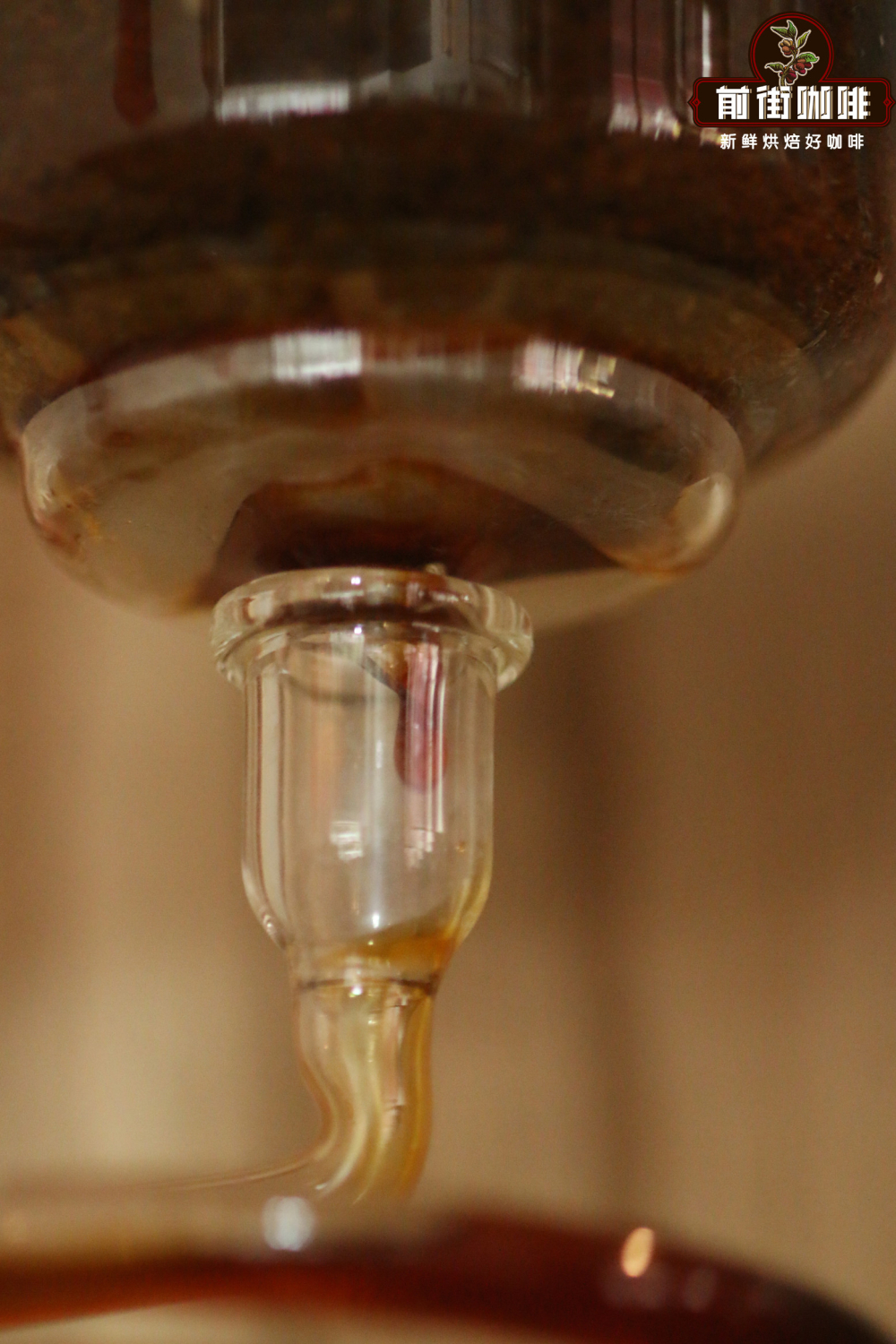
The pre-wetting process is akin to the bloom step in pour over, helping to uniformly moisten the coffee bed and improve overall extraction performance and stability. Because iced drip is a low-temperature filtration extraction method, without prior soaking, the coffee bed may experience uneven water absorption—resulting in over-extraction in some areas and under-extraction in others. Proper pre-wetting not only mitigates this issue but also helps shorten the overall brewing time, making the subsequent dripping phase smoother.
Placing a round filter paper on top of the coffee bed is a common detail in many professional practices. This not only provides a better contact surface for the dripping water, ensuring each coffee particle participates evenly in extraction, but also prevents the water from directly impacting the coffee bed and forming a single indentation, which could leave surrounding coffee grounds under-soaked. Skipping the filter paper may cause water to seep along indentations, resulting in incomplete extraction and compromising the final flavor’s integrity and layering.
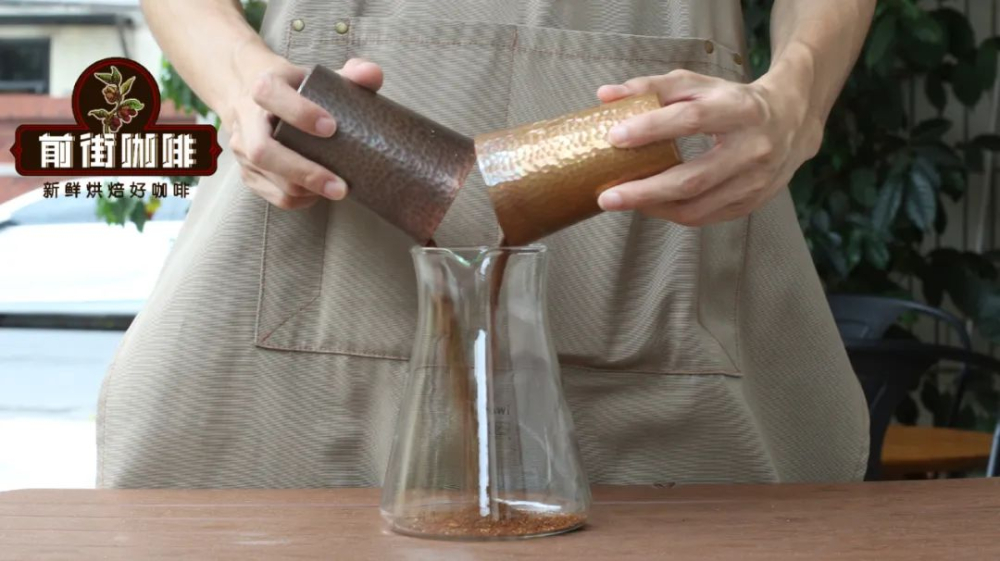
Choosing the right grind size is another key factor affecting the flavor performance of iced drip. Referring to the 20-mesh standard sieve used in China, a recommended filtration rate of 80% to 85% is ideal—this is slightly finer than the typical pour over grind. If the grind is too coarse, insufficient flavor will be extracted, resulting in a weak-tasting cup; conversely, if it’s too fine, over-extraction may occur, and poor drainage could lead to noticeable bitterness. In practice, for beans with slower extraction rates at low temperatures, adjusting to a medium-fine level similar to regular pour over is advisable for optimal extraction efficiency. For example, if using the shop’s ek43s grinder, set it to 9.5; for hand grinders like the C40, adjust between 20 and 22 clicks.
Drip rate and coffee-to-water ratio are two core parameters in iced drip preparation. Generally, a rate of 7 drips per 10 seconds serves as a benchmark, yielding evenly extracted and well-balanced flavors, though slight adjustments can be made based on personal taste preferences. As for the coffee-to-water ratio, a commonly recommended value is 1:10, suitable for later dilution with ice; for direct consumption, the ratio can be increased to 1:12 to 1:14 to achieve a more palatable strength. In practice, you can use 60 grams of ground coffee placed in a filter-paper-lined brew chamber, then cover with a second layer of filter paper, followed by pre-wetting the coffee grounds to facilitate even extraction. The upper chamber is recommended to be filled with a mixture of ice and water (roughly 1:1), ultimately yielding about 600 grams of brewed coffee. The entire process is stable and easy to control.
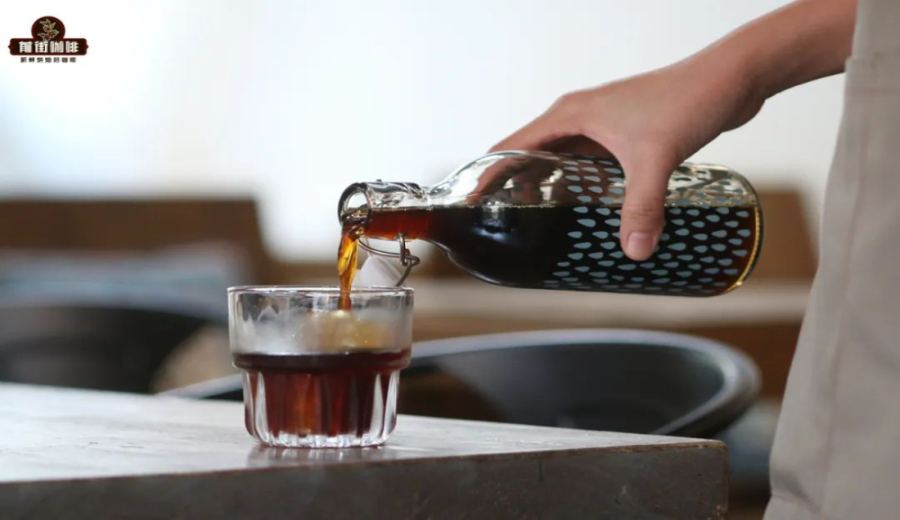
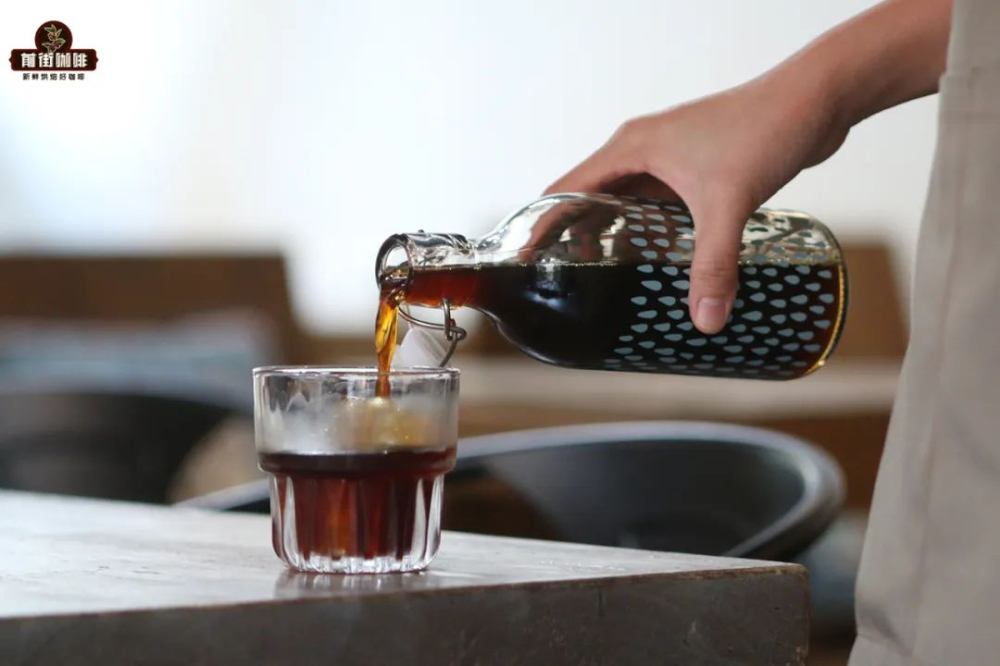
Once brewed, the iced drip coffee is recommended to be poured into a glass container with a sealing gasket and refrigerated for at least 12 hours before drinking. During this period of low-temperature resting, not only does the initially unevenly concentrated coffee further mix and stabilize, but the cold environment also promotes mild fermentation reactions, enhancing the flavor’s intensity and imparting special aromatic notes. It’s worth noting that although the refrigerator environment may seem clean, microscopic organisms invisible to the naked eye can still be present, so choosing a well-sealed container is especially important. Practical tests have shown that most iced drip coffee reaches its optimal flavor state after around 12 hours of refrigeration, exhibiting richer layers and more refined characteristics.
The above content is compiled by CoffeeHunters, a coffee news website.


