








Introduction:To consistently brew well-balanced espresso at home, precise control over both bean selection and extraction parameters is essential. This article explains the definition and characteristics of espresso, compares espresso beans with pour over beans, explores the pros and cons of blends versus single-origin (SOE) beans, and analyzes common roast styles and their applicable scenarios. It then provides a complete extraction guide, including dosing, distribution, tamping, and pressure control, along with practical parameter suggestions such as dose weight, grind size, and brew ratio to help you easily replicate a rich, professional-grade espresso.
Standing in front of the coffee aisle at the supermarket, the wide array of espresso bean packaging can leave you unsure where to start. Some bags are labeled dark roast, others light roast; some simply say “blend,” while others feature tempting flavor descriptions like berries or caramel. Faced with these choices, which one will actually brew a satisfying espresso at home?
So-called espresso is actually a method of coffee preparation that uses high pressure extraction. Originating in Italy after World War II, this espresso-making approach can produce a strong and layered cup even using average beans, thanks to the boost from high temperature and pressure. The key to all of this, aside from the machine, is the choice of beans — which is the decisive factor affecting overall flavor.
First, we need to understand that coffee beans on the market are generally divided into two main categories: espresso beans suitable for pressurized extraction, commonly used in espresso machines or moka pots; and pour over beans designed for non-pressurized methods such as pour over, siphon, or cold drip. The biggest difference between the two lies in roast level — espresso beans usually require a darker roast to withstand high-pressure environments and deliver a bold flavor.

Among espresso beans, there are further divisions into blends and single-origin beans (SOE). Blends consist of two or more coffee beans from different regions, typically blended by roasters to achieve flavor balance, stable output, and cost efficiency. They are the mainstream choice for many cafes and home brewers. For example, certain brands’ commercial blend and dark cocoa blend are classic combinations with excellent cost-performance, ideal for users seeking consistent flavor and a rich profile.
As for SOEs, they use beans sourced from a single origin, often highlighting the unique flavor characteristics of that region. While many believe SOEs offer more pronounced flavors, they are often roasted lighter to medium, so acidity may be more noticeable. However, skillfully blending high-quality single-origin beans can also create an overall profile that surpasses a single SOE, albeit at a higher price. For instance, a certain brand’s strawberry sugar espresso bean, combining beans from Costa Rica, Colombia, and Ethiopia’s Yirgacheffe, showcases an enticing mix of rose floral notes, berry sweetness, and dried fruit flavors.
So, how exactly can you brew a stable and flavorful espresso at home? Here’s a breakdown of the full operation process and key parameters:
Step one: Remove the portafilter from the machine, place it on an electronic scale, and tare it to zero in preparation for accurately weighing the coffee grounds.
Step two: You may press the brew button briefly to release a small amount of water, which helps stabilize the machine and improve extraction performance.
Step three: If using a double-spout portafilter, it is recommended to keep the coffee dose between 18 to 21 grams. This range provides sufficient strength and flavor expression and is also ideal for most home machines.
Step four: After filling the portafilter with coffee grounds, gently level the coffee bed with your fingers to ensure an even surface, which aids in even pressure distribution during tamping.
Step five: Place the tamper vertically on the coffee bed and apply natural arm pressure, aiming for a tamp force between 20 to 30 pounds. After tamping, you can slightly rotate the tamper to make the puck more compact and level, ensuring even water flow during extraction.
Step six: Securely reinsert the loaded portafilter into the machine, and place a preheated ceramic cup underneath to help maintain the optimal temperature and aroma of the coffee.
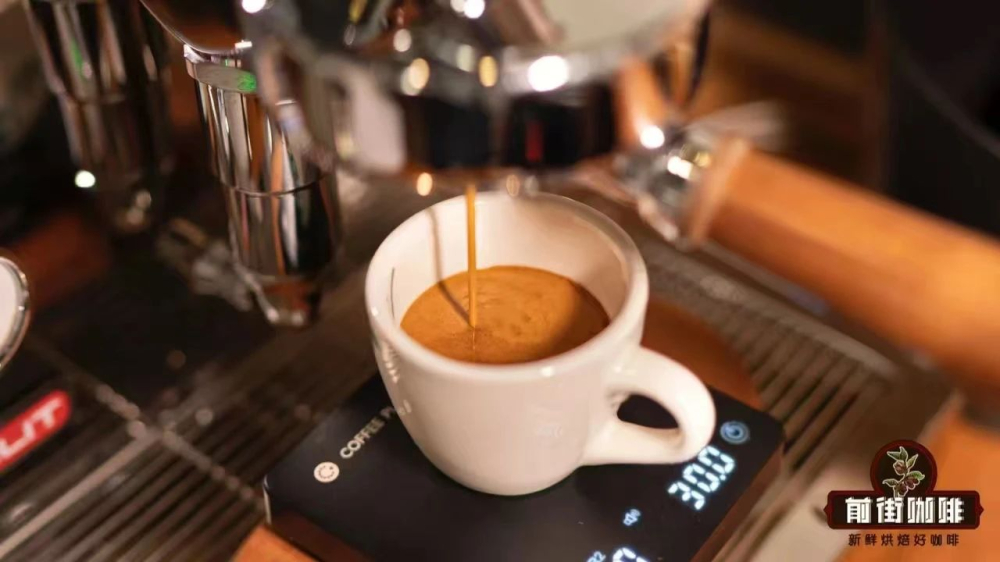
Step seven: Start the extraction. Initially, the flow will be slow, then stabilize into a consistent thin stream. It is recommended to keep the extraction time between 25 to 30 seconds. Stop when the coffee color turns golden and the flow speeds up. Aim for a brew ratio of 1:2 to achieve a rich yet not overly bitter taste.
Finally, you can decide based on your personal taste whether to stir slightly before drinking, or enjoy it directly to experience its multi-layered aroma and flavor changes. By mastering these details, you too can easily recreate a café-quality professional espresso at home.
The above content is compiled by CoffeeHunters, a coffee news website.


