







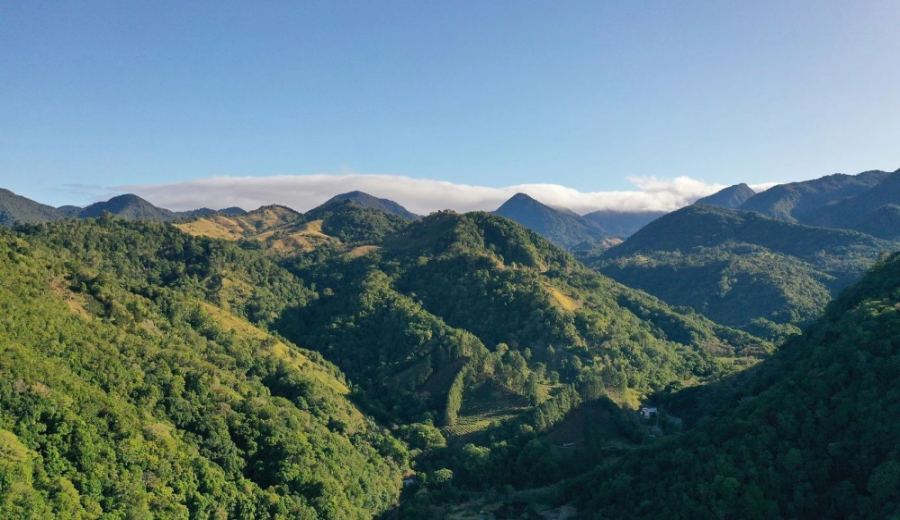
Introduction:From the introduction of coffee to Panama in the 18th century to the international fame of the Geisha variety in coffee competitions, how did this Central American country establish its status in the specialty coffee world? This article takes you deep into the main producing regions of Chiriquí Province in Panama, unravels the unique aromas and flavors of Geisha, and details the full process and parameters for brewing a balanced and rich flat white using this variety. Whether you’re a beginner or a coffee enthusiast, you’ll find plenty to gain.
Although Panama was not the first Central American country to cultivate coffee, it has earned an outstanding reputation in the global specialty coffee market thanks to the highly representative Geisha variety. From the early introduction of coffee, gradual expansion, to becoming synonymous with high-altitude specialty coffee, this history not only witnesses the transformation of Panama’s coffee industry but also contains many details worth savoring. Starting from the historical background, this article will delve into key producing areas such as Boquete and Volcán, analyze the reversal of Geisha—from obscurity to winning international top competitions—and guide you hands-on to brew a floral and fruity flat white using this renowned bean variety.
Tracing the origins of coffee in Panama, it dates back as early as 1742. Records indicate that a ship from the French Caribbean (possibly Martinique or Haiti) arrived at Portobelo via Cartagena, carrying a barrel of coffee beans. However, the actual record of local cultivation only began around 1780, when settler Pedro Antonio de Ayarza first attempted to grow coffee in Portobelo. But limited by geographical and climatic conditions, the results were modest.
It wasn’t until the 1820s that coffee cultivation gradually spread to other parts of Panama, even briefly replacing cocoa as the main beverage, competing with the tea popular in Europe. To this day, Panama’s Geisha variety still holds the world record for the highest auction price per pound of green beans. Thanks to its exceptional flavor profile, it remains a highly sought-after coffee among enthusiasts worldwide.
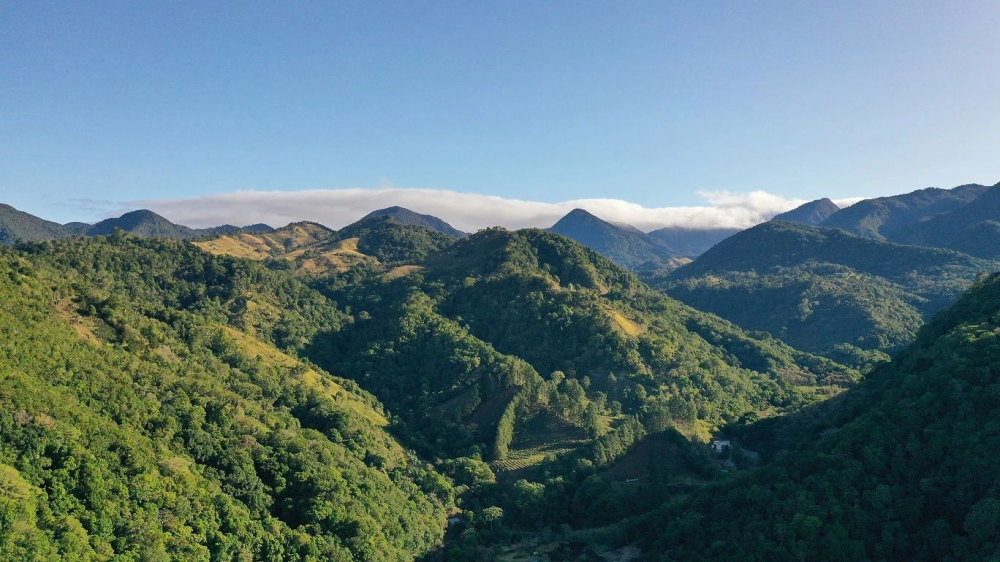
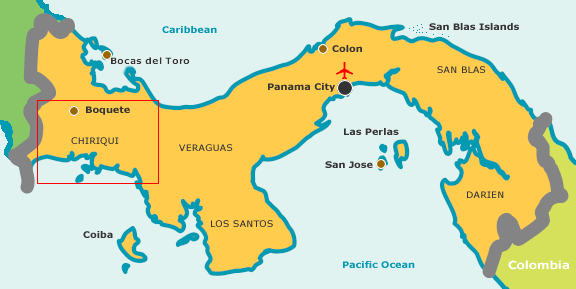
Panama’s coffee-growing regions are mainly concentrated in the western part of the country, near the border with Costa Rica in Chiriquí Province. This includes several well-known producing areas such as Boquete, Volcán, Renacimiento, and Santa Clara. These regions are all located in the Central American Ridge, adjacent to the majestic though inactive Barú Volcano, which rises up to 3,475 meters. The area enjoys a cool and varied climate, along with fertile volcanic soil—providing ideal conditions for high-quality coffee growth, as well as supporting a diverse range of crops such as flowers, cherries, and bananas.
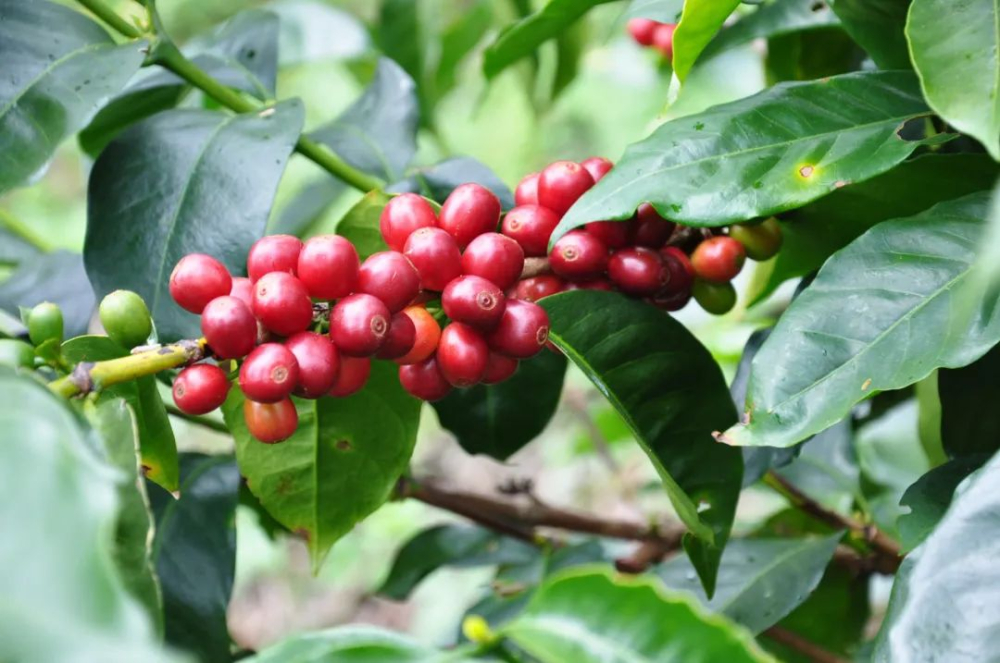
When talking about Panamanian coffee, one cannot overlook the Boquete Valley. This small town, covering approximately 514 square kilometers with a population of around 15,000, is not only a key birthplace of Panama’s coffee industry but also where numerous European immigrants—including the Swiss, Germans, Swedes, and Yugoslavs—settled and engaged in coffee farming in the late 19th century. Today, Boquete has about 50 to 75 coffee farms and roughly 15 coffee processing facilities. The local elevation is mostly around 1,600 meters, with organically rich soil and a unique microclimate, such as the light morning fog or summer haze, which slows down the ripening of coffee cherries, resulting in a bright acidity and captivating floral and fruity notes.
For readers trying Panamanian coffee for the first time, Geisha is undoubtedly the most worthwhile representative. If you want to explore the charm of this variety, it is recommended to start with a washed-process, medium-light roasted Boquete Geisha. This bean, when brewed, reveals clean white floral notes paired with bright citrus, grapefruit, and green tea tones. Its layered flavor is like music, making it an excellent choice for those new to Panamanian specialty coffee.
The rise of Geisha was not an overnight success. In its early days, due to its tall plant stature, low disease resistance, low yield, and average flavor performance at low altitudes, it was long overlooked. It wasn’t until 2004 that this Panamanian variety made its first appearance at the internationally renowned “Best of Panama” (BOP) competition. With its delicate jasmine aroma and profound tropical fruit notes, it instantly captured the judges’ favor, winning the championship that year and setting a record-high price unmatched since then. Since then, it has gained immense fame in the global specialty coffee scene. What makes Geisha so captivating is that it breaks away from the intense profile of traditional black coffee, more resembling a complexly aromatic flower-and-fruit tea. As the temperature changes, its layers and nuances become even more enjoyable.
After learning about the background and charm of Geisha, we’ll now demonstrate how to use this bean to make a balanced and fragrant Geisha flat white. This coffee combines the floral and fruity characteristics of Geisha with the smoothness of fresh milk, making it ideal for those who enjoy milk coffee while seeking flavor complexity. Here is the complete extraction and preparation process:
Coffee Beans:Panamanian Geisha
Coffee Powder Amount:20 grams
Extracted Coffee Liquid Amount:40 grams (recommended total extraction time: 26–32 seconds)
Coffee Powder to Liquid Ratio:1:2
Brewing Equipment:Double-shot portafilter espresso machine (recommended grind setting: Galileo 2.0)
Milk Amount:150 milliliters, steamed to about 55–60°C, with a milk foam thickness of about 0.3 cm
Step 1: First, thoroughly dry the portafilter basket to ensure there is no residual moisture. Grind 20 grams of coffee beans using the grinder and weigh them accurately with an electronic scale.
Step 2: Use a distribution tool to evenly spread the coffee grounds, then apply vertical pressure with a tamper to compact the puck, ensuring stable water flow during extraction.
Step 3: Before extraction, run water for 1–2 seconds to wet the group head and remove any residual coffee grounds. Reset the electronic scale to zero, lock the portafilter into the group head, and begin extraction.
Step 4: Observe the extraction process. When the coffee liquid reaches 40 grams and the time falls within the 26–32 second range, stop the extraction. Immediately pour the coffee liquid into a cup and set aside.
Step 5: Steam 150 milliliters of fresh milk to the appropriate temperature and foam texture, then blend it evenly with the previously extracted espresso. Finally, create a small “white dot” on top using the milk pitcher to complete the Geisha flat white.
This flat white, infused with the unique aroma of Geisha, has its overall acidity softened by the addition of milk, while sweetness and mouthfeel richness are enhanced. Though its flavor complexity may seem slightly more restrained compared to pure black coffee, its floral and citrus notes remain distinct and interact with the milk to produce a caramel-cookie-like aroma—making it perfect for everyday enjoyment or café recommendations.
The above content is compiled by CoffeeHunters, a coffee news website.


