







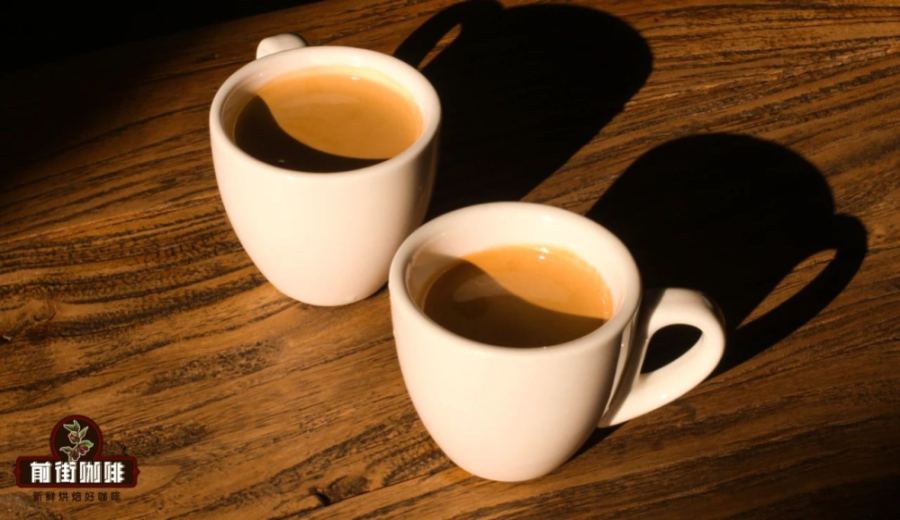
Introduction:Espresso is not just a symbol of Italian culture, but also one of the souls of global coffee beverages. From early steam technology to today’s 9-bar pressure extraction, what key developments has this small yet concentrated black coffee undergone? And why do Italians favor dark roasts, drinking it standing up, and always ordering it after meals? This article will delve into the origins and evolution of Espresso, and introduce you to the authentic Italian espresso drinking culture and blend choices.
Espresso is not only the most representative beverage of Italy, but also a classic in the hearts of coffee lovers worldwide. However, the birth of this small black cup did not happen overnight—it is the result of long-term technological innovation and cultural refinement. From the “devil’s drink” introduced at the Venice port in the early 16th century, to being renamed the “drink of God” by Pope Clement VIII, and then through the gradual maturation of steam-powered machines, detachable portafilter designs, and 9-bar high-pressure extraction technologies, Espresso has gradually evolved into the familiar form we know today.
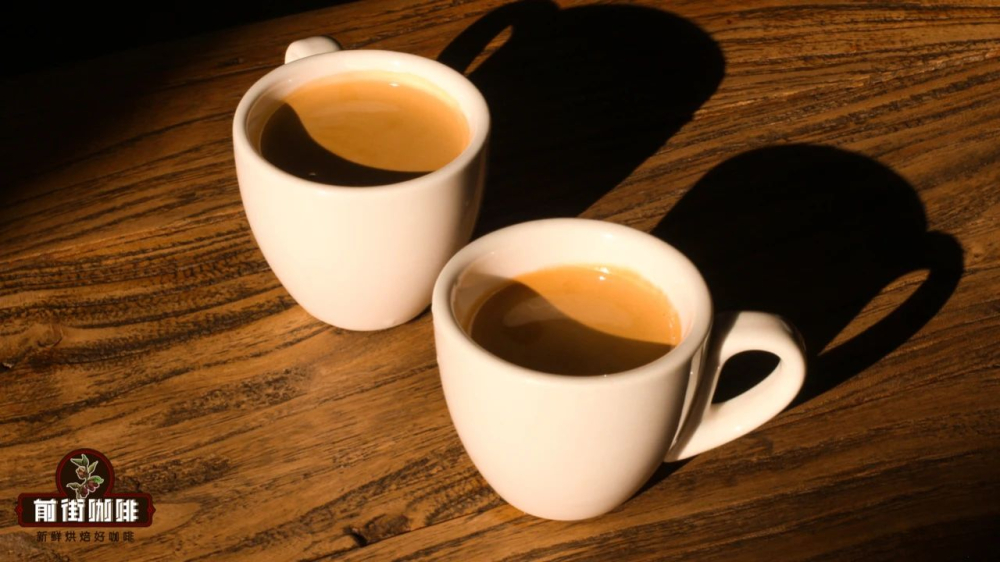
This type of coffee is called “Espresso” precisely because it emphasizes “fast preparation.” Compared to traditional drip or Turkish brewing methods, Espresso uses high-pressure steam or mechanical pressure to extract a rich and layered coffee liquid in an extremely short time. Initially, this beverage was only popular in Southern European regions such as Italy and Spain, but over time, it has become a staple in coffee shops around the world—even in tea-centric countries like the UK, its aroma can now be easily detected.
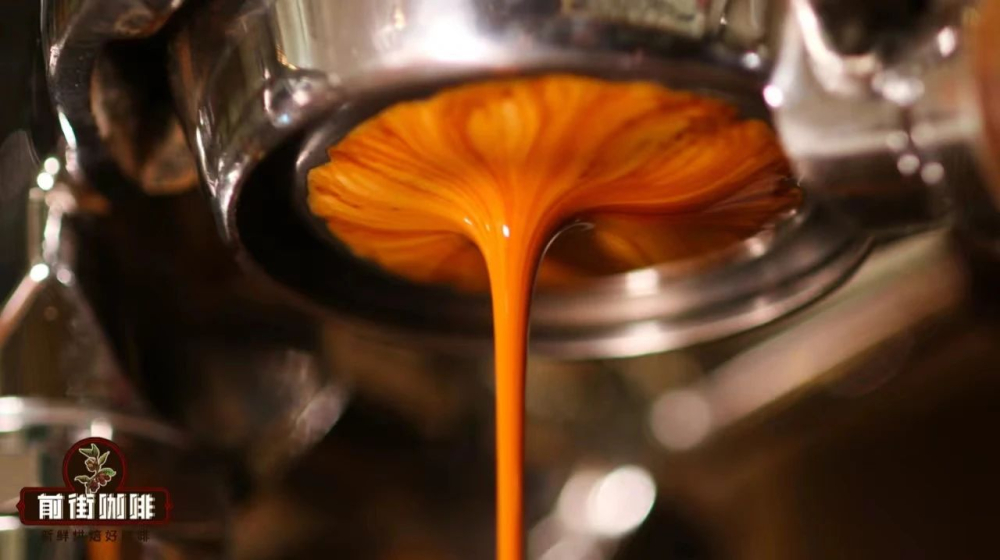
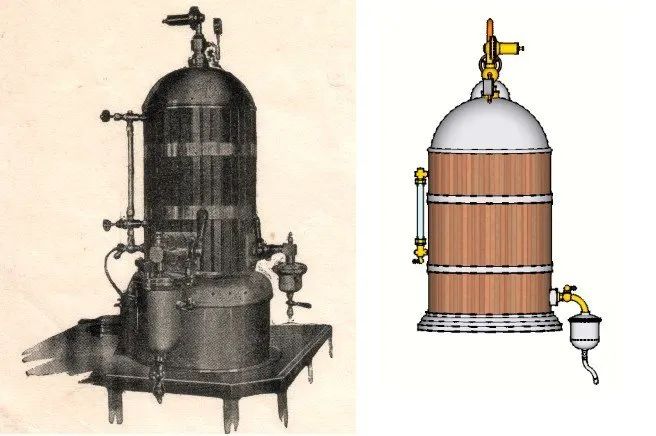
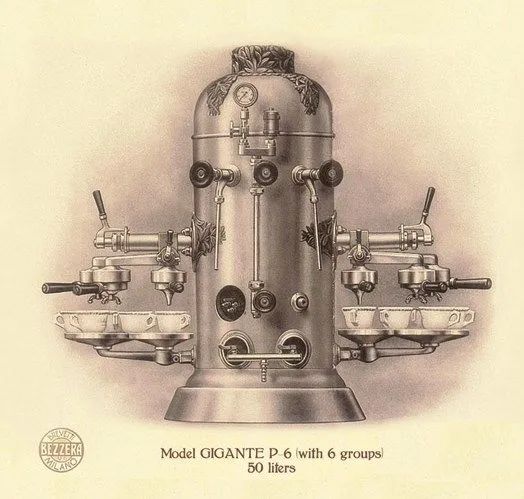
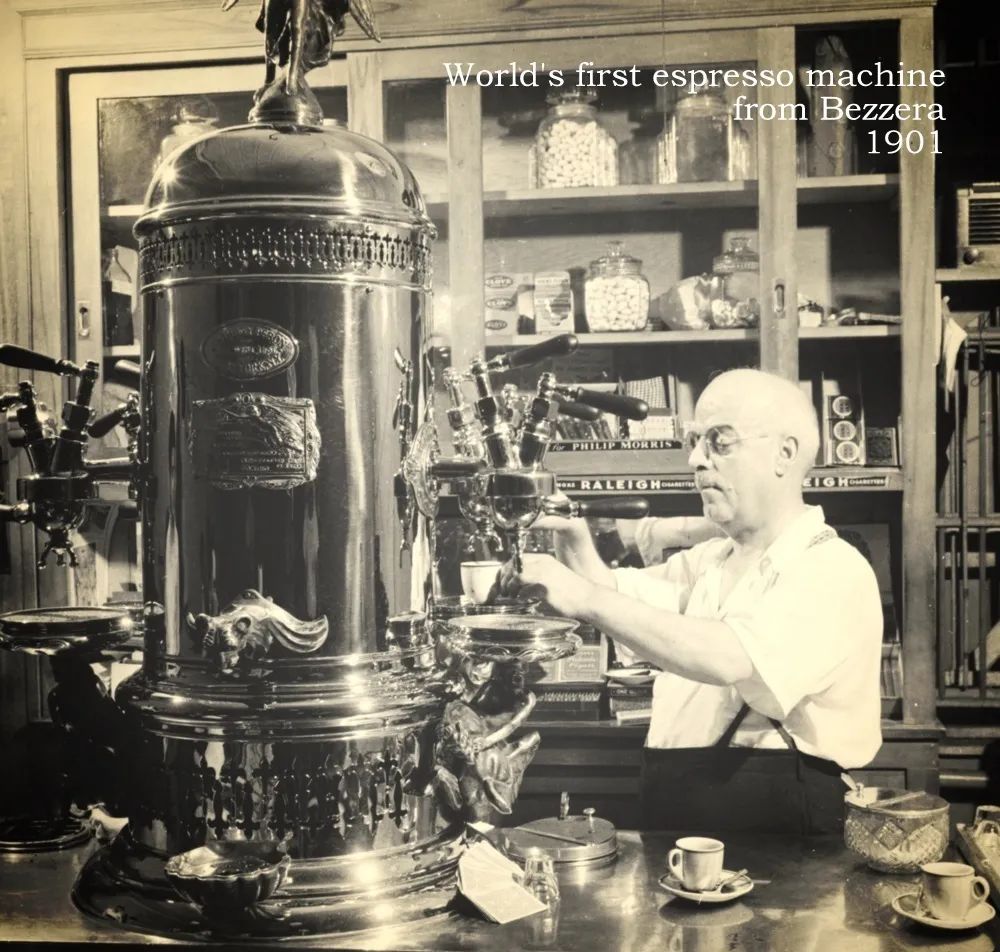
Italians not only shaped the flavor profile of espresso, but also played a key role in equipment technology. As early as 1884, Angelo Moriondo of Turin applied for the first patent for a steam-powered coffee machine. Although this machine could speed up the extraction process, unstable temperature control often led to over-extraction, resulting in bitter and burnt flavors. Later, after multiple modifications, by the end of the 19th century, Milanese engineer Luigi Bezzera introduced a prototype design with a detachable portafilter and high-pressure extraction mechanism. This allowed coffee to be extracted at higher pressure in a shorter time, significantly improving efficiency and flavor stability.
This prototype laid the foundation for later Espresso machines, and the term “Espresso” gradually entered the Italian dictionary around the 1920s, referring to concentrated coffee made using pressurized equipment. However, the initial user experience wasn’t great—the intense flavor of this new drink meant many people needed time to adapt. But Italians didn’t stop there; they continued to optimize the design and operation of steam machines, striving to enhance the quality and consistency of each cup.
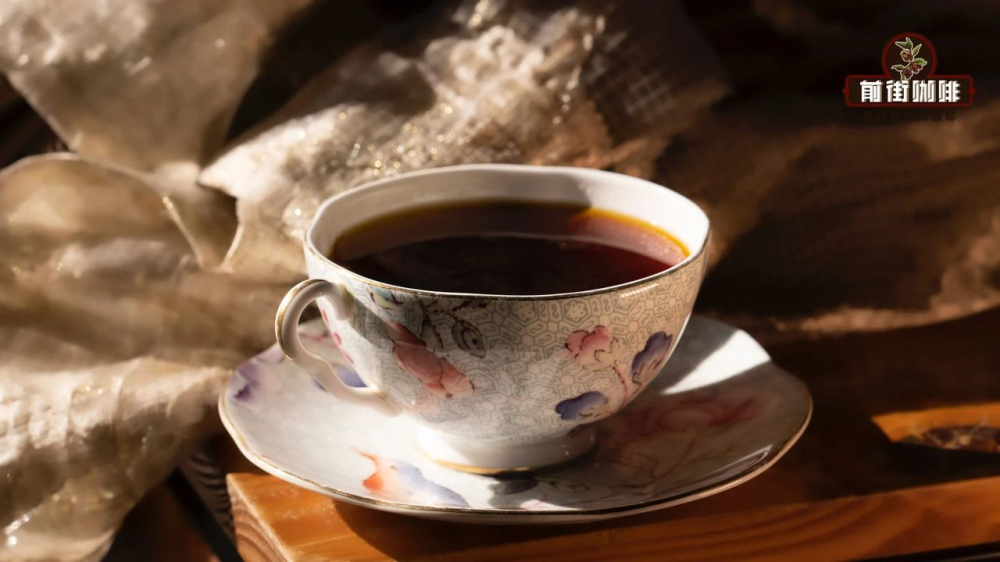
One of the most representative technological breakthroughs came from Milanese engineer Achille Gaggia in 1938. He introduced a lever system to the coffee machine, which increased the extraction pressure from the original 1.5 bar to9bar, this innovation not only caused a captivating dark brown crema (foam) to appear on the surface of the coffee, but also made the extraction process more precise, stabilizing flow rate and flavor output, and laying the technical foundation for modern Espresso.
With continuous advancements in equipment, Espresso gradually became an inseparable part of daily life in Italy. Local coffee shops emphasize efficiency and rhythm—customers typically stand at the counter, quickly sipping a single shot of Espresso, priced at around1 euro (approximately 35 New Taiwan Dollars or 7 Chinese Yuan), making it a truly mass-market beverage.
For Italians, only authentic Espresso can be called “real coffee.” They generally prefer dark roasted beans, emphasizing a rich, full-bodied texture and deep sweet-bitter flavors. Some shops even add a small amount of Robusta beans to enhance the crema layer. Many people stir in a bit of brown sugar before sipping, then drink it all in one go, enjoying that intense yet balanced taste sensation. To them, Espresso isn’t just a pick-me-up, but also an essential post-meal digestive aid.
If you want to recreate authentic Italian flavors at home or in your shop, choosing the right blend is crucial. Below are several common and representative Italian blend profiles that can serve as references for selection or roasting:
1. Basic Italian Blend Coffee Beans (454g / 1 pound)
Suitable for users on a budget or those just starting out, the flavor is relatively mild, featuring soft fruit acidity, caramel sweetness, and a base of nuts and dark chocolate. The overall mouthfeel is smooth but with less complexity, making it suitable for everyday use in homes or small cafes.
2. Commercial Italian Blend Coffee Beans (454g / 1 pound)
Emphasizes a balance of acidity and sweetness, along with rich chocolate and nut tones. The aftertaste is clear and long-lasting, making it a stable choice for everyday use in regular coffee shops, meeting most customers’ expectations of a “standard Italian Espresso.”
3. Premium Italian Blend Coffee Beans (454g / 1 pound)
Overall flavor is relatively soft, mildly acidic with sweetness, and has a noticeable but non-irritating aftertaste. The crema performance is moderate, suitable for shops aiming to offer a smooth cup with some layering.
4. Sunflower Warmth Italian Blend Coffee Beans (227g / 1/2 pound)
This blend features prominent fruit acidity and berry aromas, complemented by wine-like notes and rich chocolate undertones. It has a good aftertaste and a three-dimensional flavor profile, especially suited for consumers who enjoy fermented notes and fruity layers. It is a daily offering recommended by many baristas.
From the birth of a steam coffee machine to the maturity of 9-bar pressure extraction technology, the evolution of Espresso is not just a history of technology, but also an extension of the Italian cultural spirit. Whether you’re a coffee newbie or a seasoned enthusiast, understanding this background can help you better appreciate the story and craftsmanship behind every cup of Espresso.
The above content is compiled by CoffeeHunters, a coffee news website.


