







Introduction:Maragogype, also known as Elephant Bean, is the largest variety in the Arabica family, renowned for its unique size and flavor profile. This article will take you on an in-depth journey through the history of Maragogype, its cultivation challenges, the processing methods at Nicaragua’s Mama Mina Estate, as well as the characteristics of its natural sun-dried flavor. Additionally, we’ve compiled professional roasting profiles and pour over recommendations to help you fully appreciate the charm of this rare bean.
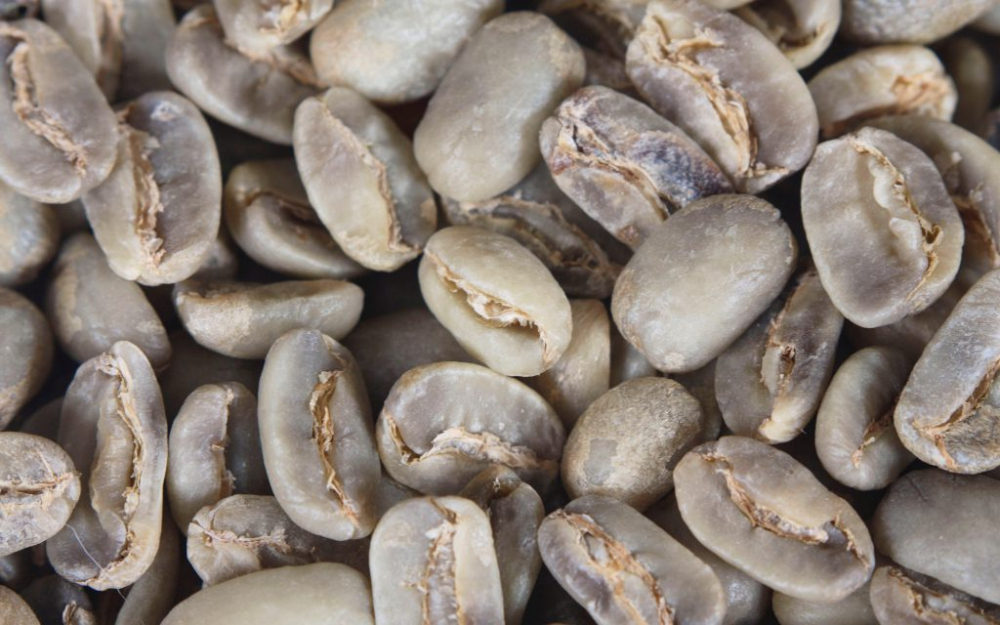
Among the many Arabica varieties, one stands out due to its unusually large size — the Maragogype, commonly referred to as Elephant Bean. The beans of this variety can be more than three times the size of regular Arabica beans. It was first discovered in 1870 in the Maragogype region of Bahia, Brazil, and later identified as a natural mutation of Typica. Due to its rare size and demanding growing conditions, Maragogype beans are produced in limited quantities, primarily found in Brazil, Nicaragua, Mexico, and Guatemala.
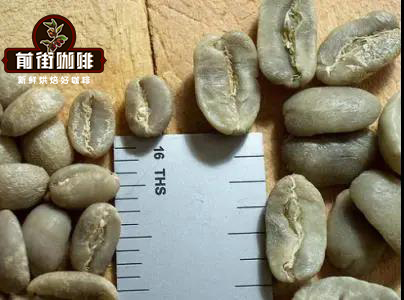
In the coffee bean grading system, beans are generally categorized by size, with common export grades ranging from 17 to 18 screens. Screens of 19 are already considered rare. Maragogype beans typically reach 20 screens or larger, making them highly distinctive in appearance and a prized find among coffee enthusiasts and collectors.
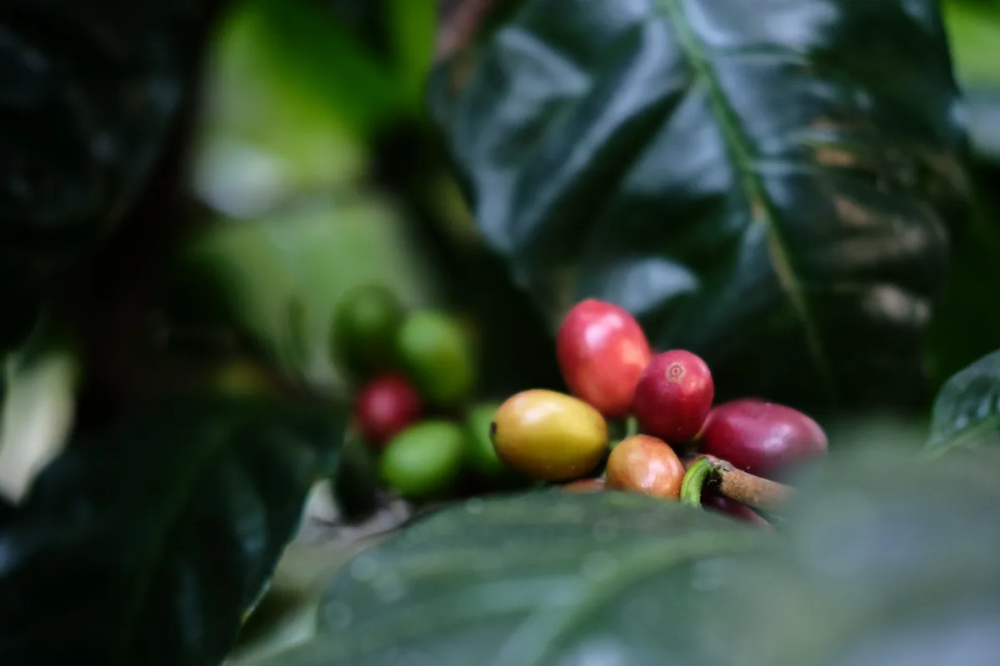
Because Maragogype plants are taller than typical coffee trees, with broad canopies and dense foliage, they not only occupy more space but also require higher levels of soil nutrients and water. Coupled with their longer growth cycle — it usually takes about five years before they begin to bear fruit — harvesting and management are also more complex, resulting in relatively few farmers willing to cultivate them. Currently, there are few regions globally that produce Maragogype consistently with outstanding flavor profiles, among which Nicaragua’s Mama Mina Estate is one of the most highly regarded representatives.
Mama Mina Estate is owned by Nicaragua’s Miñarro family, who have accumulated over a century of farming experience since 1908. The family owns a total of nine coffee farms, eight of which are located in Nicaragua, including San Jose, Limoncillo, Escondida, Milagros, Placeres, Los Altos, Mama Mina, and Suspiro, with another in Cerro Azul, Honduras. These farms are mostly situated at high altitudes and employ shade-grown cultivation methods with volcanic soils, resulting in coffee with richly layered flavors.
Maragogype can only fully express its potential when grown at elevations above 1,500 meters. Thanks to the high-altitude cultivation and meticulous farm management at Mama Mina Estate, the Maragogype beans from this region exhibit intense aromas of blackberry, black plum, and citrus peel. They offer a silky mouthfeel and clear sweetness upon tasting, making them an outstanding representation of the Maragogype variety in terms of flavor.
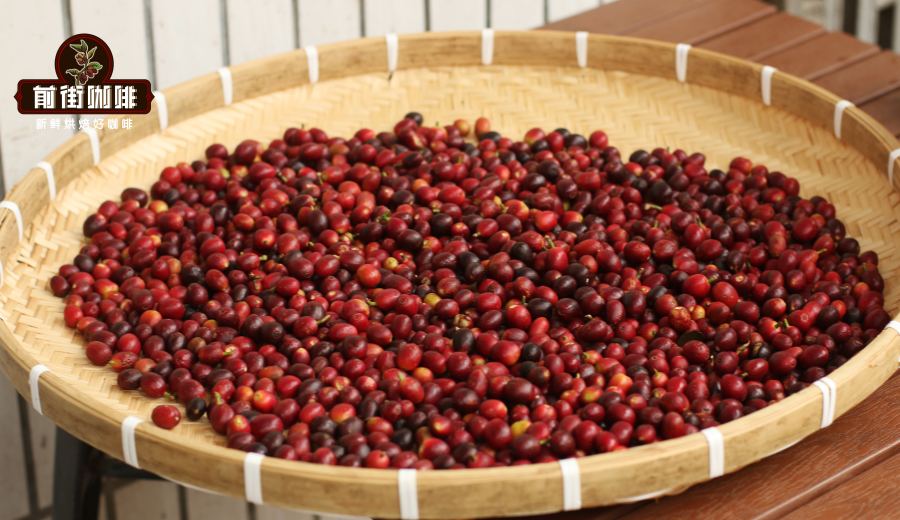
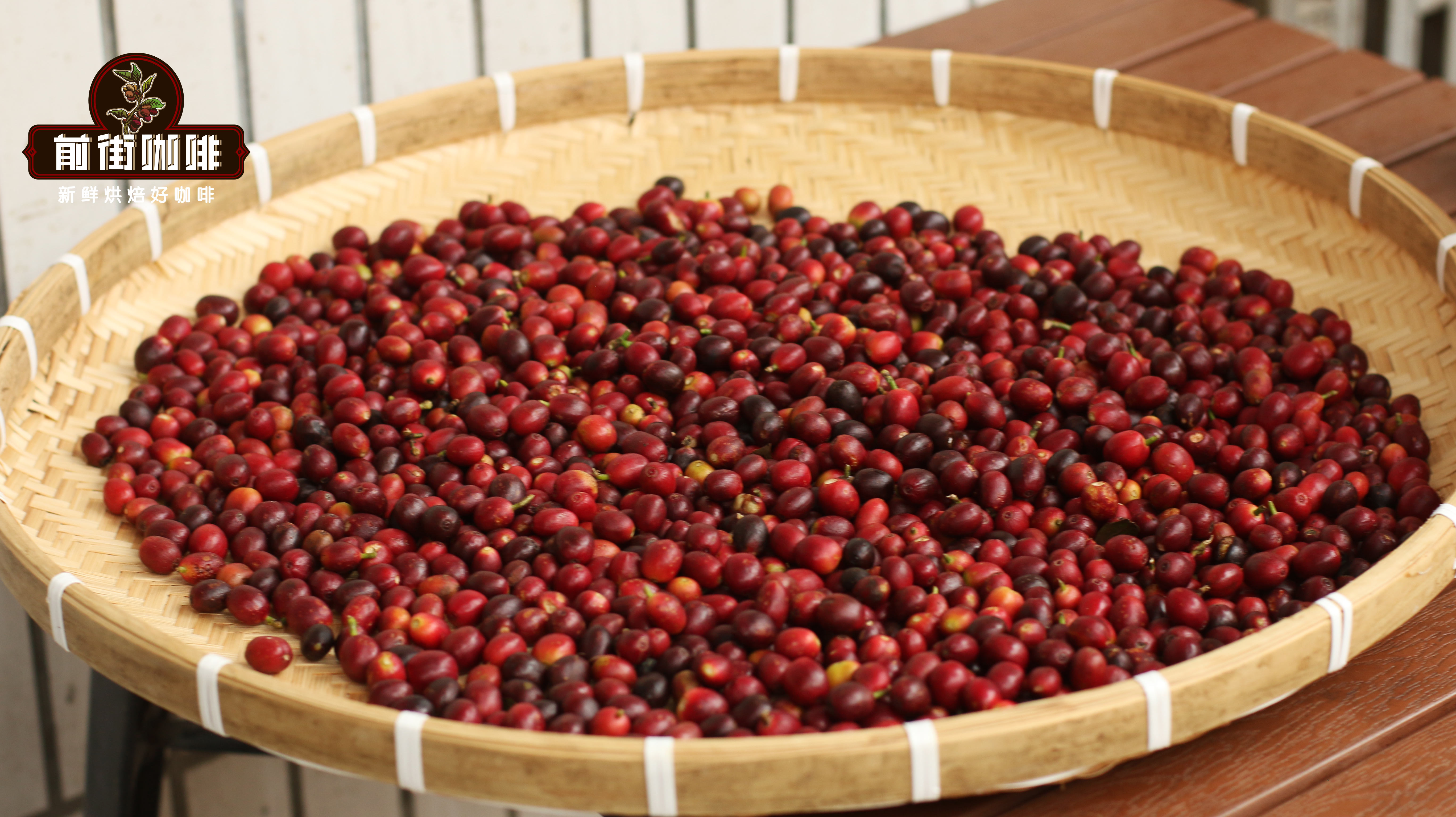
This batch of Maragogype beans is processed using the traditional natural (sun-dried) method. This is the most primitive and weather-dependent processing method in coffee production. First, the harvested coffee cherries are placed in a water tank for flotation. Ripe cherries sink to the bottom, while unripe or overripe ones float and are removed. Next, the healthy cherries are evenly spread out on drying beds to slowly dry under ample sunlight, reducing the moisture content from around 60% down to 12–15%. Finally, a depulper is used to remove the outer skin and pulp, leaving clean green beans.
In terms of roasting, due to the large size of Maragogype beans, there is a significant difference in heat transfer between the core and the surface of the bean. Therefore, a low ramp-up rate is required to ensure stable heating and extend the drying phase, guaranteeing even development throughout. This batch of Maragogype beans was roasted to a medium-light level using a Yangjia 700N roaster, with a green bean charge of 300 grams. The initial drum temperature was 175°C, with a power setting of 120 and the air vent set to 3. At the turn-around point of 1 minute and 32 seconds, the temperature reached 100.9°C. Subsequently, the air vent and power were adjusted gradually based on changes in the bean surface to control the color transformation and drying pace. The control of heat and air vent settings just before and after the first crack is particularly crucial. The roast was completed at 196°C, with the entire process taking approximately 9 minutes and 8 seconds.
For brewing recommendations, this natural sun-dried Maragogype is best brewed with a medium-fine grind (suggested at 78% extraction through a standard #20 sieve), using a 1:16 coffee-to-water ratio. Water temperature should be controlled at 91°C, with 15 grams of coffee and a total of 240 milliliters of water. The extraction process is recommended to be done in stages: start with a 30-second bloom using 30 grams of water, then pour in a small circular motion until reaching 150 grams for the first pour. After a slight drop in water level, continue pouring up to 240 grams, then remove the filter to finish extraction. The total brew time is approximately 1 minute and 56 seconds. These parameters help to highlight the aroma of citrus, brown sugar, and nuts, while showcasing a maple-like sweetness.
It’s worth mentioning that although Maragogype offers a unique flavor, its challenging cultivation and limited production mean that many coffee enthusiasts may have had little exposure to it. However, Pacamara — a hybrid of Maragogype and Pacas — is relatively more common. It not only inherits the large bean size and bright acidity of Maragogype but also boasts higher yields and better environmental adaptability. Pacamara is commonly found in Central American producing regions such as El Salvador and has won numerous awards in the Cup of Excellence competitions. It is also a favorite among many advanced coffee enthusiasts.
The above content is compiled by CoffeeHunters, a coffee news website.


