








Introduction:Colombia is the world’s second-largest producer of Arabica coffee, and thanks to its exceptional geographical and climatic conditions, it is home to numerous high-quality coffee-growing regions. This article delves into the terroir characteristics of three renowned regions—Nariño, Cauca, and Huila—analyzing their coffee flavor profiles and recommended brewing methods, along with practical suggestions on water temperature, grind size, and brew ratios to help coffee enthusiasts better appreciate the charm of Colombia’s specialty beans.
Colombia is not only the world’s second-largest producer of Arabica coffee but also one of the key sources of specialty coffee. Thanks to its high-altitude terrain and diverse climates, the country’s coffee is widely recognized for its distinct regional characteristics and consistent quality. In particular, the southwestern regions of Nariño, Cauca, and Huila stand out due to their unique microclimates and refined processing methods, making them essential starting points for exploring Colombian coffee flavors.

Colombia’s coffee-growing belt is primarily concentrated in the west, spanning over 15 regions from north to south, among which those in the southwest are the most celebrated. These areas generally lie at elevations between 1,200 and 2,000 meters, with some high-altitude regions reaching up to 2,300 meters. Coupled with volcanic soils and abundant rainfall, this environment produces Colombian coffee with bright acidity, rich complexity, and a full-bodied aftertaste. More importantly, Colombia enjoys two major harvest seasons and several micro-lots throughout the year, ensuring a year-round supply of fresh coffee.
First, let’s look at the Nariño (NARINO) region, located in the far southwest of Colombia. Bordering Ecuador, it is nourished by multiple natural rivers and enjoys ample sunshine year-round. Coffee is primarily grown at around 1,600 meters above sea level, with some premium areas reaching up to 2,300 meters. Benefiting from the warm, humid air currents from surrounding canyons and fertile volcanic soils, Nariño coffee boasts a balanced and gentle acidity with an exceptionally clean taste. The region accounts for only 3% to 5% of the country’s total coffee production, and has just one main harvest season each year, typically starting in April and extending into August for high-altitude areas—highlighting its rarity.
Adjacent to Nariño is the Cauca region, also situated in southwestern Colombia. Dominated by mountainous terrain, its average elevation is about 1,758 meters, peaking at 2,100 meters. The significant diurnal temperature variation here slows the ripening process of coffee cherries, allowing more time for sugar and flavor compounds to accumulate, resulting in a soft balance of acidity and sweetness. Cauca’s rainy season generally falls between October and December, after which the coffee trees bloom intensively and enter the harvest phase, offering coffee drinkers who prefer delicate flavors another compelling choice.
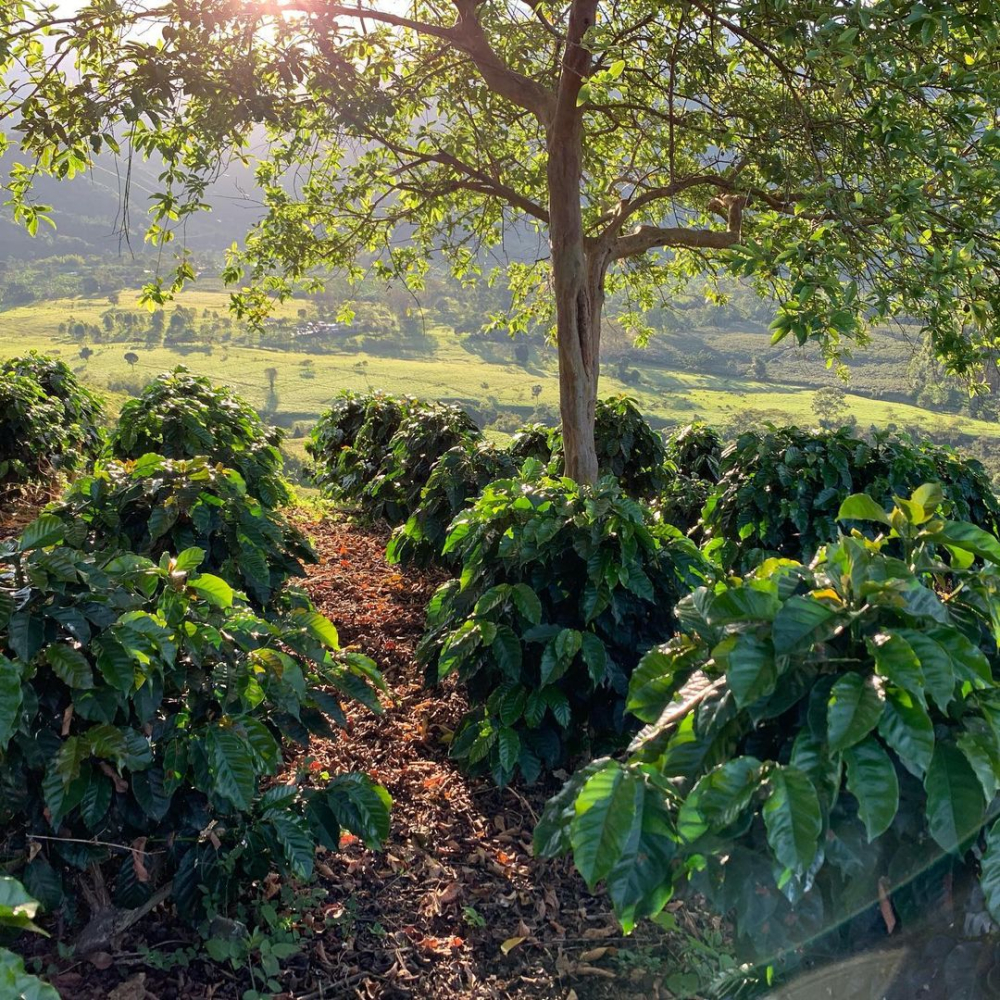
When discussing Colombia’s specialty coffee, the iconic Huila region simply cannot be overlooked. Surrounded by majestic mountains, Huila has an average elevation exceeding 1,500 meters and is traversed by several major rivers. The cool mountain breezes brought by its canyon topography contribute to a pleasant climate that aids in the slow maturation of coffee, fostering complex aromas. The region’s volcanic soils are rich in minerals, providing ideal growing conditions for coffee trees. Huila’s harvest season is divided into two phases: the main season runs from September to December, followed by a secondary season from April to May. Local farmers predominantly harvest by hand to ensure each coffee cherry reaches optimal ripeness, which is why Huila coffee is often regarded as the most representative expression of Colombian flavor.
Taking Huila as an example, many well-known coffee farms cultivate the Caturra variety and employ the washed processing method. Caturra is a natural mutation of the Bourbon variety, first discovered in Brazil in 1927 and now widely planted in Central America. Compared to Bourbon, Caturra is slightly less resistant to disease but, under the right conditions, can exhibit brighter acidity and richer aromatic layers—particularly excelling at elevations above 1,500 meters. The washed process significantly reduces interference from impurities, highlighting the inherent flavor characteristics of the region, making it an ideal choice for experiencing the foundational profile of Huila coffee.
The washed processing method typically involves the following steps: after removing the pulp and flesh, the parchment-covered beans are placed in a cement tank for approximately 24 hours of fermentation, using a natural acidic environment to break down the mucilage layer. Once fermentation is complete, the beans are rinsed with clean water and dried on a clean surface until they reach a moisture content of about 12.5%. This technique effectively preserves the original aroma and flavor of the coffee beans, which is why it is commonly used for many entry-level specialty beans.
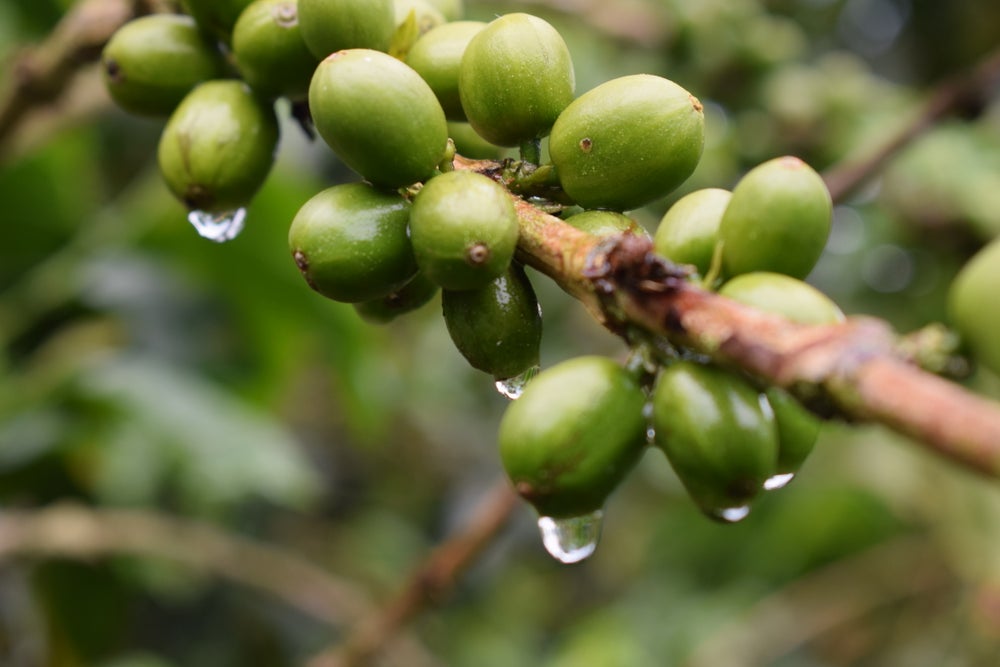
For beginner coffee enthusiasts, selecting a representative washed Huila bean is an excellent way to get acquainted with Colombian flavors. The recommended brewing parameters are as follows: use a medium-light roasted Caturra variety, ground to 80% passing through a Chinese No. 20 standard sieve (approximately medium-fine grind), with a brew ratio of 1:15 and water temperature controlled at 90°C. A V60 filter cone is suggested, using a three-pour method for pour over: start with a 30g bloom for 30 seconds, then pour in a circular motion for 95g, and when the coffee bed has settled halfway, add the final 100g. Maintain a slow, steady pour focused on the center to ensure even extraction.
This Huila-flavored washed bean ultimately delivers a mellow nuttiness, soft dark chocolate aroma, and caramel sweetness, with a lingering light fruity acidity. The overall cup is refreshing and layered, making it highly suitable for daily drinking or as an introductory choice for discovering Colombian coffee. Whether you’re new to pour over or eager to explore regional flavor profiles, these three classic Colombian regions are well worth your in-depth exploration.
The above content is compiled by CoffeeHunters, a coffee news website.


