







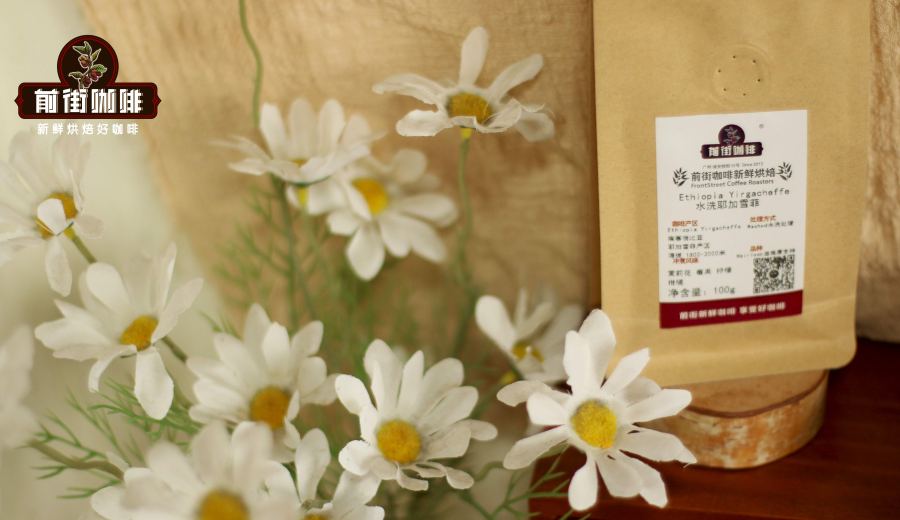
Introduction:Yirgacheffe and Sidamo are two of Ethiopia’s most representative specialty coffee regions, each showcasing distinctly different floral and fruity flavor profiles. This article will delve into the growing environments, cultivation systems, and processing methods of both regions, while comparing the flavor characteristics and recommended brewing parameters of their representative coffee beans. This will help you easily choose the most suitable Ethiopian beans based on your personal taste and master precise brewing techniques.
Although Yirgacheffe and Sidamo are both leading names in Ethiopia’s specialty coffee scene, they exhibit notably different flavor directions. Yirgacheffe is renowned for its bright lemon acidity and refreshing floral notes, making it a model of the floral-fruity profile; in contrast, Sidamo offers a richer berry-like juiciness and fuller body, resembling a vibrant fruit juice concentrate. Though both regions belong to Ethiopia’s southern highlands, subtle differences in terrain, climate, and processing methods have created uniquely distinct flavor personalities.
To deeply understand their differences, we must start with Ethiopia’s diverse coffee cultivation systems. Nationwide coffee farming can be divided into four categories: forest coffee, semi-forest coffee, garden coffee, and plantation coffee, among which the garden system accounts for the largest proportion and is the cradle of most specialty beans. Ethiopia’s nine major specialty regions—including Gimma, Sidamo, Yirgacheffe, Harrar, Limu, Illubabor, Ghimbi (Lekempti), Teppi, and Bebeka—each develop their own unique coffee character due to variations in altitude, climate, and variety.
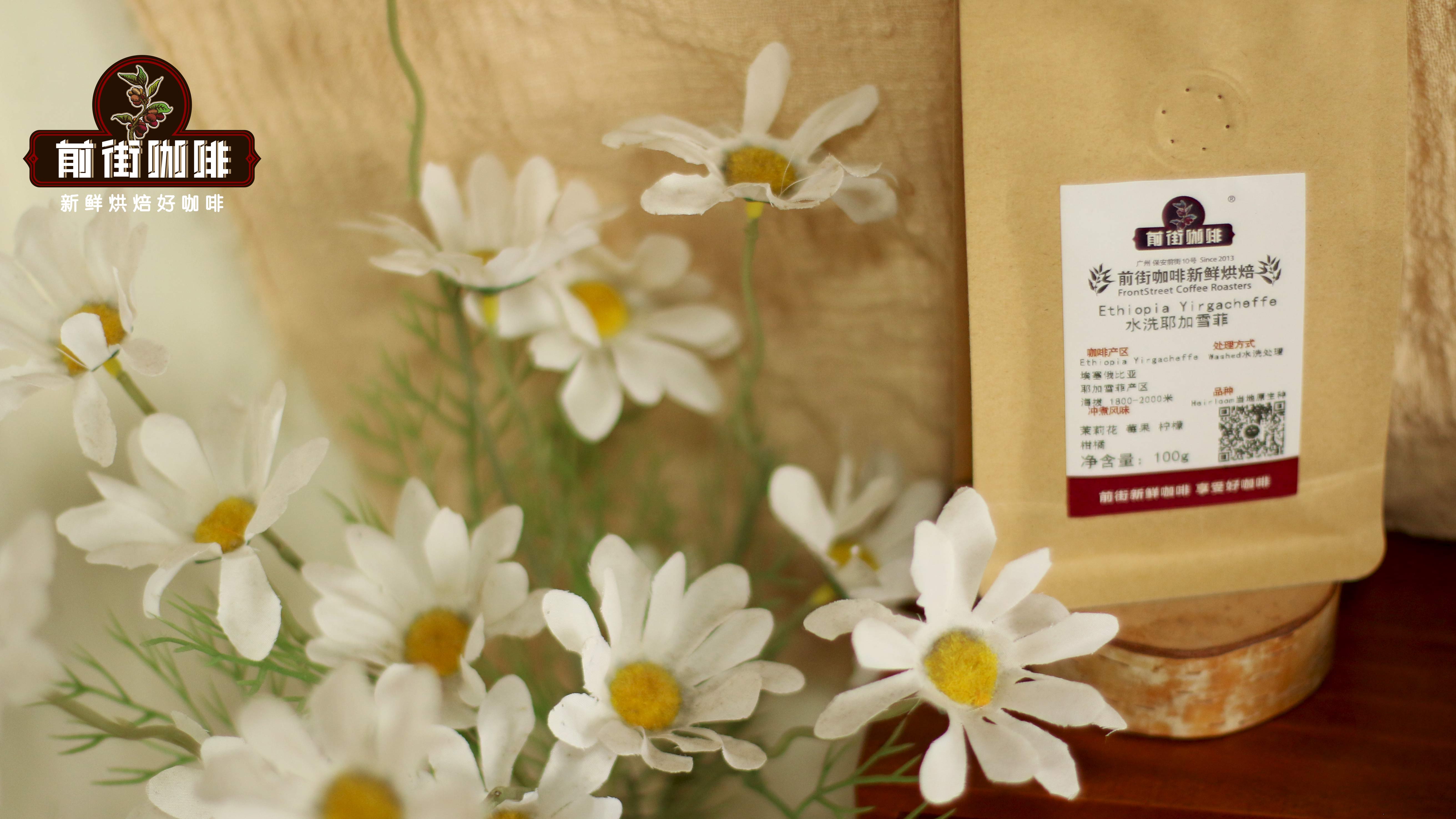
Interestingly, Yirgacheffe was originally part of Sidamo but was later designated as a separate region due to its uniquely bright and refreshing flavor. Therefore, if the two are seen as the two major representatives of the floral-fruity category, Yirgacheffe is like a morning lemon tea, while Sidamo is more like an afternoon rich fruit smoothie. If you’re undecided when choosing Ethiopian beans, ask yourself: do you prefer a refreshing lemony acidity or a rich berry-like juiciness? This is the key differentiator between the two.
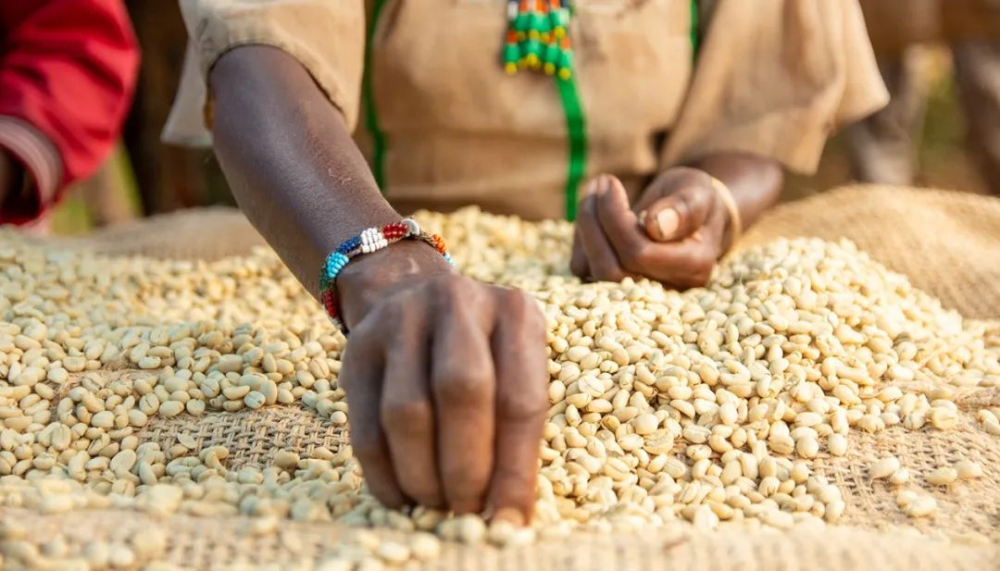
In terms of varieties and processing methods, both regions predominantly use Ethiopian native varieties, with medium-sized beans and some short-statured small-bean types. Both Sidamo and Yirgacheffe excel in both meticulous washed and natural sun-dried processing, where washed processing has significantly improved coffee cleanliness and flavor complexity since its introduction in 1959. Additionally, in recent years, many processing stations have adopted elevated raised-bed sun-drying methods, using off-the-ground fermentation and strict selection to effectively reduce off-flavors and make the fruit aromas more concentrated and pure.
One notable bean representing Sidamo’s flavor is “Sidamo Huakui,” grown at altitudes of 2250–2350 meters in the Guji-Hambela area. Processed using the natural method, it presents intense citrus, strawberry, and passionfruit aromas, along with a distinct black tea base and fermentation notes. The overall mouthfeel is round and full-bodied. As for Yirgacheffe, there’s the “Gutiti Cooperative” washed bean, grown at altitudes of 1900–2300 meters, with flavors distinctly focused on lemon, black tea, and caramel, and an aftertaste featuring almond and green tea notes—ideal for those who enjoy a clean, refreshing profile. Another option, “Yirgacheffe Red Cherry,” uses the natural processing method and exhibits intense fruity fermentation aromas and honey sweetness, with a creamy, velvety mouthfeel.
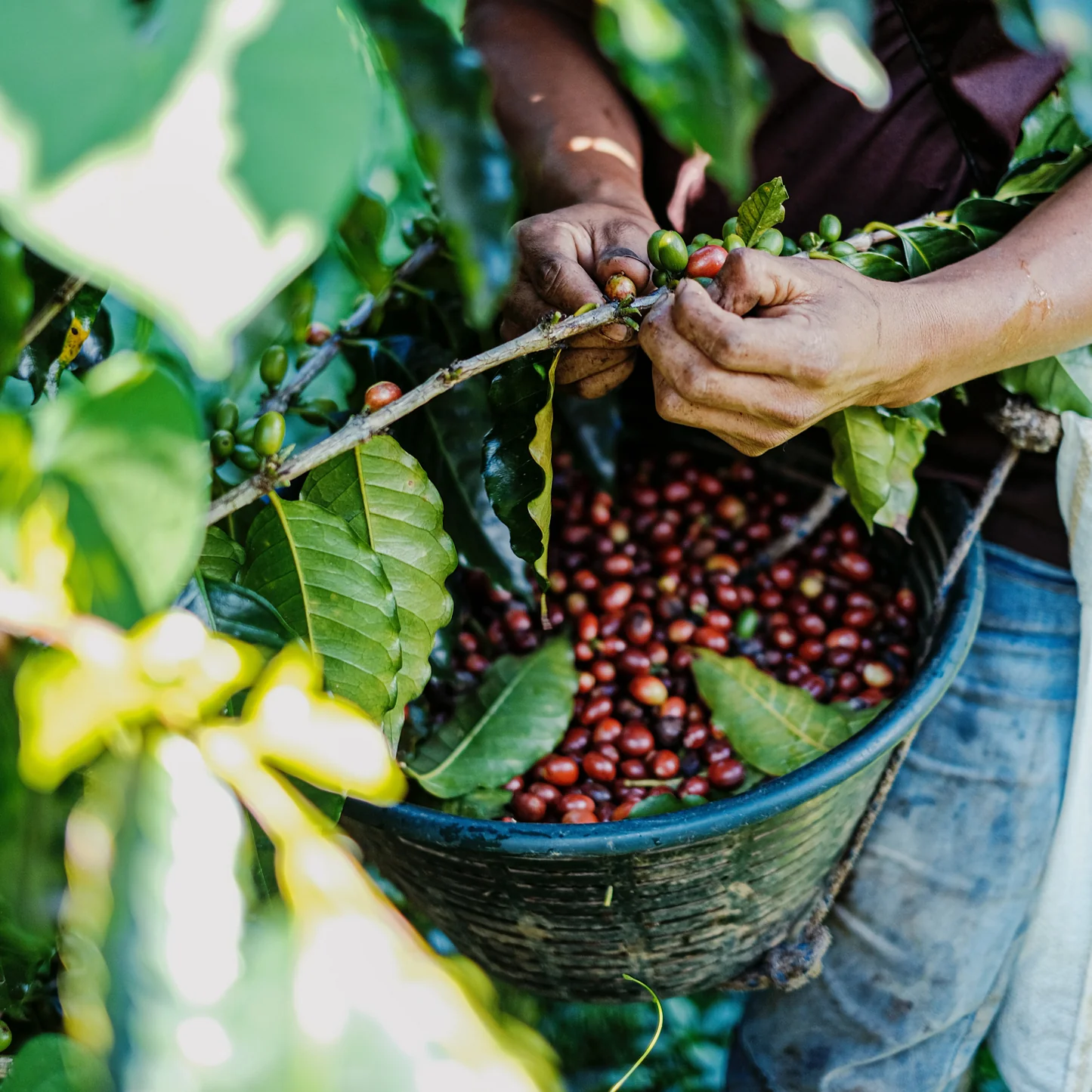
In terms of growing environment, Yirgacheffe is located in mountainous villages with a cool, foggy climate and spring-like seasons all year round. Summer brings gentle breezes, and winters are not harsh, making it an ideal environment for Arabica. Local farmers often intercrop coffee trees with false banana plants (enset) and other crops under banana trees, which not only provides shade but also creates a unique rural landscape. Although Sidamo is also a high-altitude region, its microclimate is slightly warmer, allowing coffee cherries to develop thicker mucilage as they ripen, resulting in a rounder, juicier coffee flavor.
The evolution of processing methods is also a key factor influencing the flavor profiles of these two regions. Early sun-dried processing methods tended to produce heavier off-flavors, but the introduction of washed processing in 1959 brought a breakthrough in the cleanliness and aroma complexity of Ethiopian coffee. In the past decade, some processing stations have further adopted elevated raised-bed sun-drying methods, isolating contact with the ground and strictly controlling the fermentation environment to produce high-quality natural beans with intense yet clean fruit flavors.
If you prefer lightly roasted Ethiopian beans, it is recommended to use a V60 filter cone with water at 92°C and a 20-number sieve with 80% grind fineness, employing a three-stage extraction method: the first stage involves pouring 30 grams of water for a 30-second bloom, followed by the second stage with 95 grams and the final stage with 100 grams of water, keeping the total extraction time around 2 minutes. These parameters help highlight floral-fruity acidity and aroma layers, especially suitable for high-aroma, high-acidity beans like Yirgacheffe and Sidamo. After brewing, you’ll experience clear floral notes, bright citrus acidity, and a lasting tea-like finish with honey sweetness—as if you were in the highland coffee fields of Ethiopia.
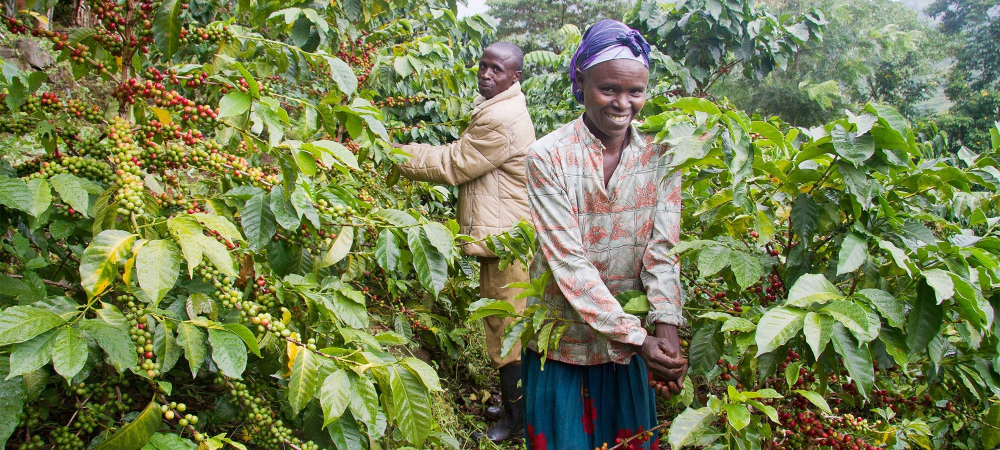
Overall, Yirgacheffe and Sidamo each have their own charm: the former excels with its crisp, bright acidity and tea-like aftertaste, appealing to coffee lovers who enjoy a refreshing profile; the latter stands out with its rich fruit aromas and full juiciness, winning favor among those who prefer a more complex mouthfeel. No matter which one you choose, as long as you master the correct roast level, processing method, and brewing parameters, you can fully showcase the “kingly flavor” of Ethiopian coffee.
Besides the two well-known regions mentioned above, Ethiopia also has distinctive areas such as Gimma, Harrar, and Limu, each showcasing different flavor profiles. Gimma mainly produces commercial-grade beans, but it also has some noteworthy washed specialty beans; Harrar is the representative of sun-dried coffee, with intense flavors and unique wild notes, making it a great starting point for exploring the diversity of Ethiopian coffee. If you’re new to pour-over coffee, you might want to start with Yirgacheffe or Sidamo and gradually experience the surprising variations brought by different regions and processing methods.
The above content is compiled by CoffeeHunters, a coffee news website.


