







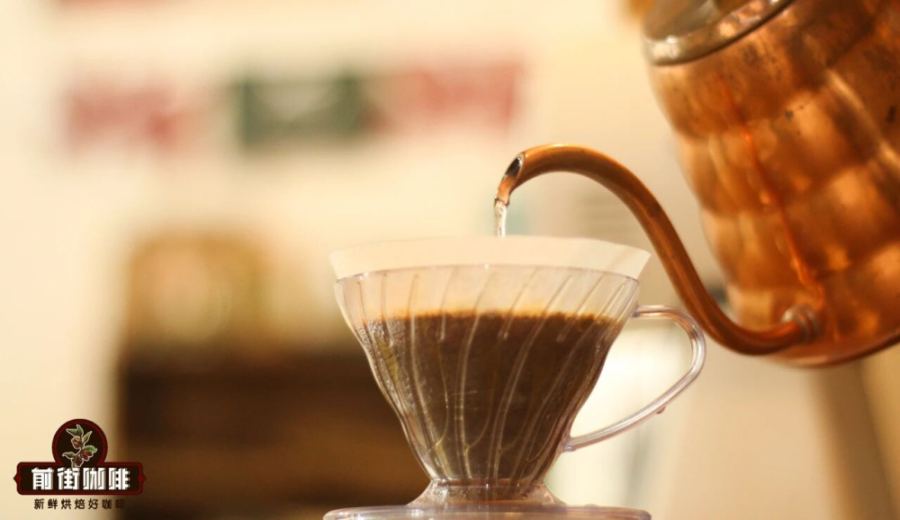
Introduction:This article provides a detailed guide to the practical essentials of pour over and drip bag coffee, analyzing everything from equipment selection and parameter control to flavor variations. It helps you understand the various factors that influence coffee flavor. Whether you're a beginner or an advanced enthusiast, you can master brewing techniques and get recommendations on coffee bean choices suited to different taste preferences.
Even as fully automatic coffee machines become increasingly common, pour over coffee remains a top choice for many coffee lovers to explore flavor details due to its intuitive operation, simple equipment, and emphasis on personal touch. This brewing method, originating from Japan’s culture of precision, only requires hot water, filter paper, and a pour over setup to produce a uniquely flavored cup of coffee in just two minutes.
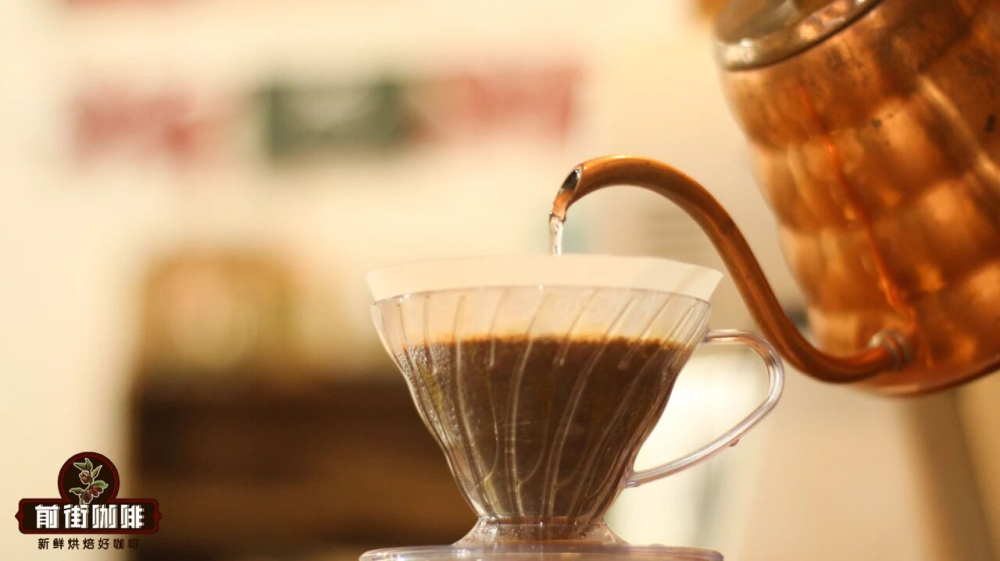
The basic principle of pour over coffee is to evenly pour hot water over ground coffee and extract the coffee liquid through a filter paper and dripper. The entire process is entirely controlled by the brewer, including water temperature, pouring speed, and water flow direction, so each brew may yield different results. Although not many tools are required, mastering the various variables and operational details is still essential to consistently extract the desired flavors.
[Key Equipment for Pour Over Coffee]
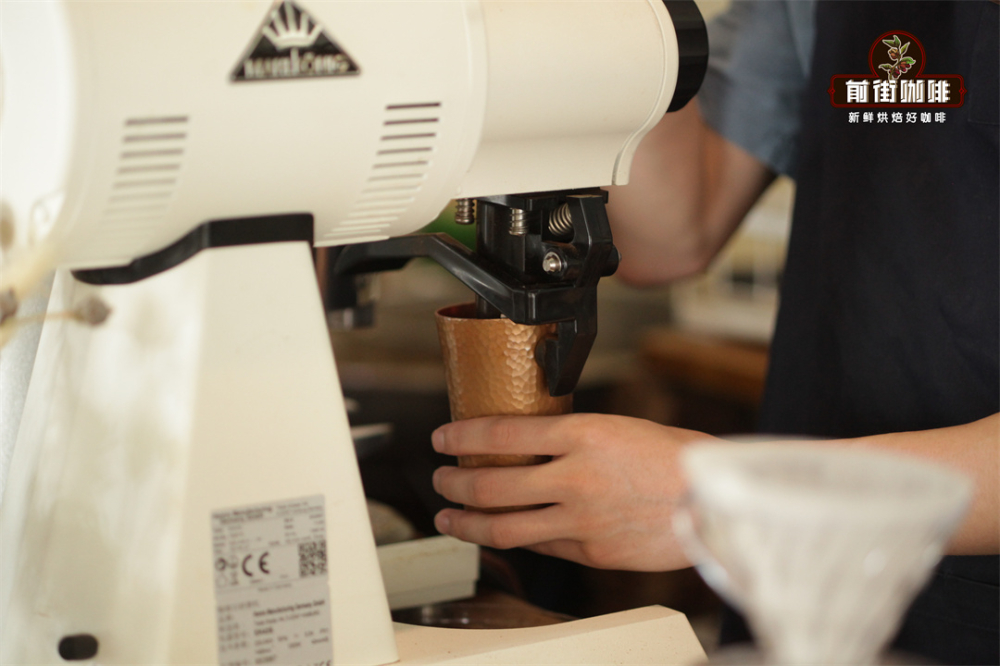
Grinder: Freshly ground coffee has a significant impact on flavor. It is recommended to use a grinder that can consistently produce particles with a coarseness similar to that of granulated sugar No. 2. The higher the uniformity of the particle size, the more it helps achieve stable extraction, resulting in a more ideal overall mouthfeel.
Filter Paper: In addition to filtering out coffee grounds, filter paper also absorbs some impurities and oils, thereby affecting the purity and layering of the coffee’s taste. Different drippers require specific types of filter paper. Unbleached filter paper may carry a slight pulp taste, so it is recommended to wet it with hot water before use. Wetting has less impact on certain specially treated filter papers (such as vinegar-bleached types).
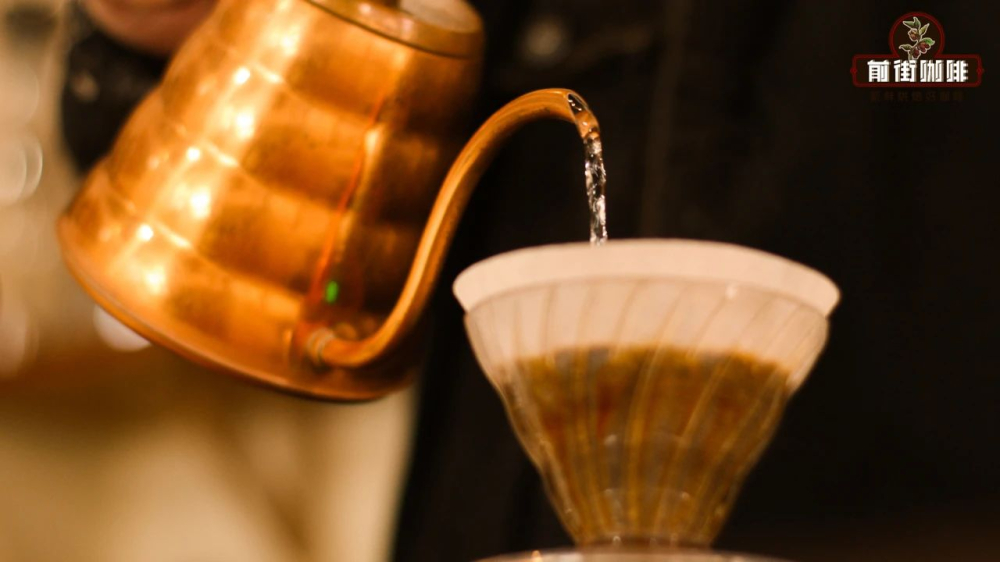
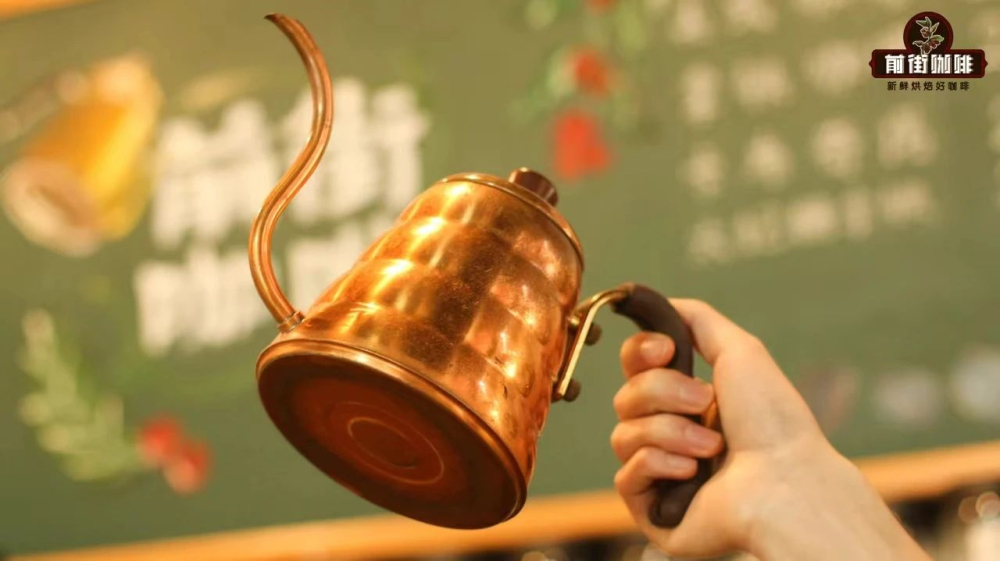
Pour Over Kettle: There are many styles of pour over kettles on the market, but the key lies in the spout diameter, which directly affects the flow rate and control precision. For beginners, a narrow-spout kettle is easier to manage for stable water flow, helping to maintain a consistent pouring rhythm. Additionally, different kettles are suitable for different heat sources (e.g., induction stoves or gas stoves), so this should be considered when purchasing.
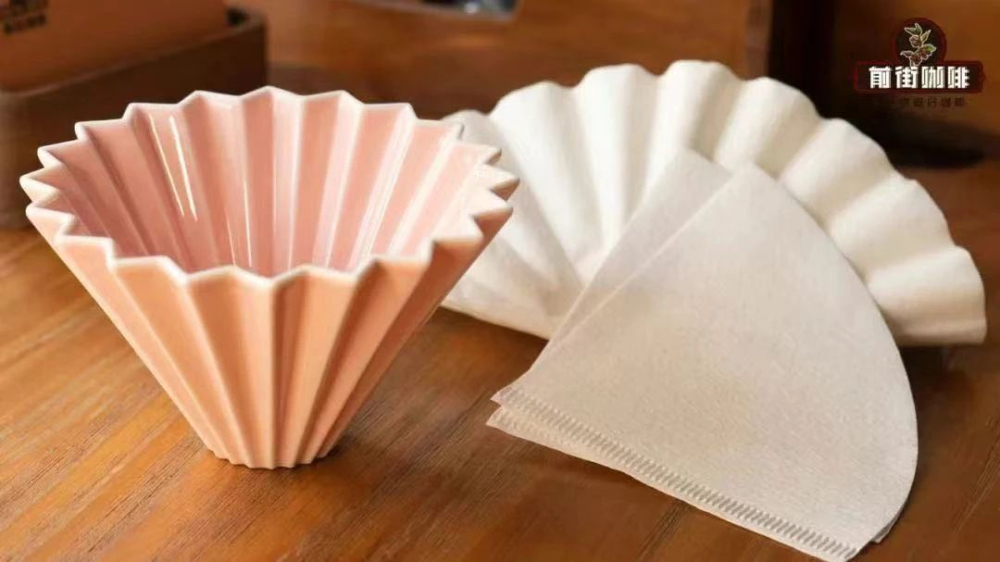
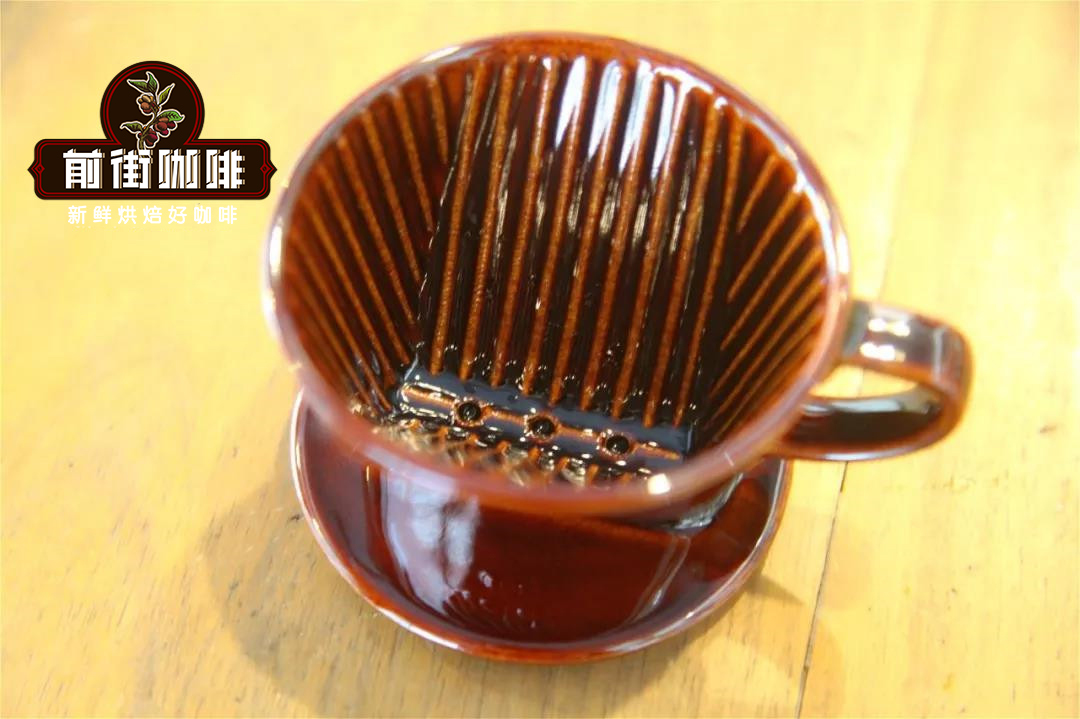
Dripper: Dripper shapes are mainly divided into three types:扇形 (fan-shaped), 锥形 (cone-shaped), and 波浪形 (wave-shaped). Each design affects the flow rate and extraction efficiency. Fan-shaped drippers have smaller bottom filtration holes, resulting in slower water flow and typically producing a fuller, richer mouthfeel; cone-shaped drippers have larger holes and faster flow rates, offering a brighter and lighter flavor profile; wave-shaped drippers have a flat bottom and work with specific filter papers, delivering balanced performance suitable for users seeking consistency.
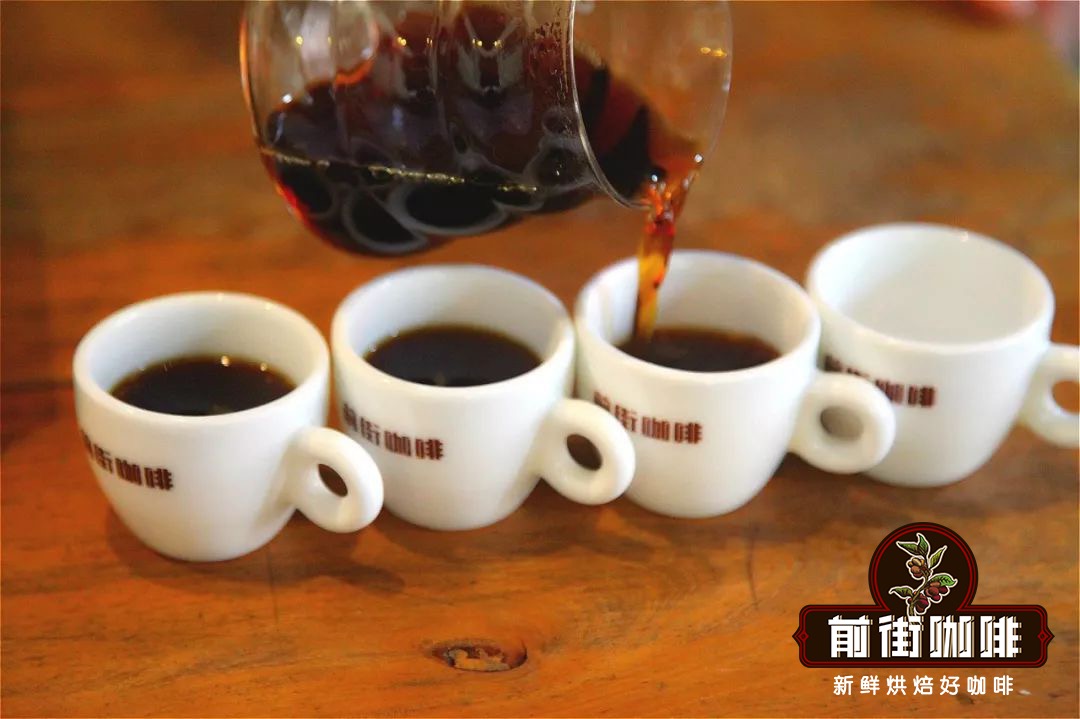
Accessories: These include a server and coffee cup. It is recommended to preheat the cup to maintain coffee temperature. Additionally, small tools such as a digital scale, thermometer, and timer help precisely control the coffee-to-water ratio, water temperature, and extraction time, improving overall consistency in brewing.
[Flavor Characteristics of Pour Over Coffee]
The extraction process of pour over coffee is fast and efficient. Continuously poured hot water extracts aromatic compounds from the surface of the coffee grounds, but due to the speed, improper parameter control can easily lead to over-extraction. The whole process is like stir-frying over high heat—high temperature quickly releases flavors, but it also tests your control over the heat.
There are numerous variables that affect the final flavor, including pouring speed, water temperature, coffee grind size, and dripper structure. Each factor can significantly alter the balance of acidity, sweetness, bitterness, and the layers of mouthfeel. Therefore, pour over coffee is not just a brewing method but also an interesting journey to explore the diverse flavors of coffee.
For different taste preferences, you can refer to the following common recommendations: those who enjoy floral notes can try high-altitude varieties with tropical fruit and tea-like characteristics; those who prefer bright acidity and berry tones can choose beans with black tea and red berry flavors; consumers seeking balanced taste—neither too acidic nor too bitter—can consider classic South American single-origin beans or blends with caramel notes; for those who love a rich and full-bodied mouthfeel, dark roasted beans that have undergone fine screening often deliver deeper aftertastes and layered aromas.
[Simple Alternative: How to Brew Drip Bag Coffee]
For users with limited time or those seeking convenience, drip bag coffee is a practical alternative to pour over. While it cannot fully replicate the rich layers of pour over coffee, it still showcases the unique flavor of single-origin coffee and is simpler and quicker to prepare.
Taking a standard commercial drip bag as an example, each packet contains about 10 grams of coffee. To use, tear open the packaging and remove the drip bag, then unfold the two “ears” and place it over the rim of a cup. It is recommended to use a cup with an opening diameter of about 8 to 9 centimeters to ensure the drip bag stays stable and does not tip over.
The brewing parameters for drip bag coffee can be similar to those for pour over: the water temperature is recommended to be around 90°C. Begin with a bloom step for about 10 seconds, using an amount of water roughly equal to the weight of the coffee grounds. This helps awaken the coffee and release initial aromas. Then proceed with pouring. Beginners are advised to pour until the cup is about 70% full in one go or to pour in two circles, keeping the water flow thin, slow, and even.
After brewing, remove the drip bag. Since the soluble substances in the coffee grounds have been mostly extracted, re-brewing is not meaningful. Although a drip bag can only be used once, most commercial products use freshly roasted and ground coffee, are affordably priced, and offer stable flavor—making them ideal for everyday drinking.
For consumers who prefer cold drinks, you can add an appropriate amount of ice or prepare iced coffee; if you prefer milk coffee, you can also add milk according to personal taste to create a flavor combination that suits you.
The above content is compiled by CoffeeHunters, a coffee news website.


