







Introduction:Many coffee beginners often confuse the powder-to-water ratio with the powder-to-liquid ratio, leading to unstable brewing flavors. This article delves into the fundamental differences between the two, guiding you to master the precise conversion methods under the Golden Cup extraction standard, and reveals how coffee powder's water absorption rate affects the final liquid yield. From basic definitions to practical applications, it helps you consistently recreate your ideal flavor profile.
In the field of coffee brewing, the terms powder-to-water ratio and powder-to-liquid ratio often confuse beginners. Although they differ by just one word, the meanings they represent are completely different, and misunderstanding them can significantly reduce extraction effectiveness.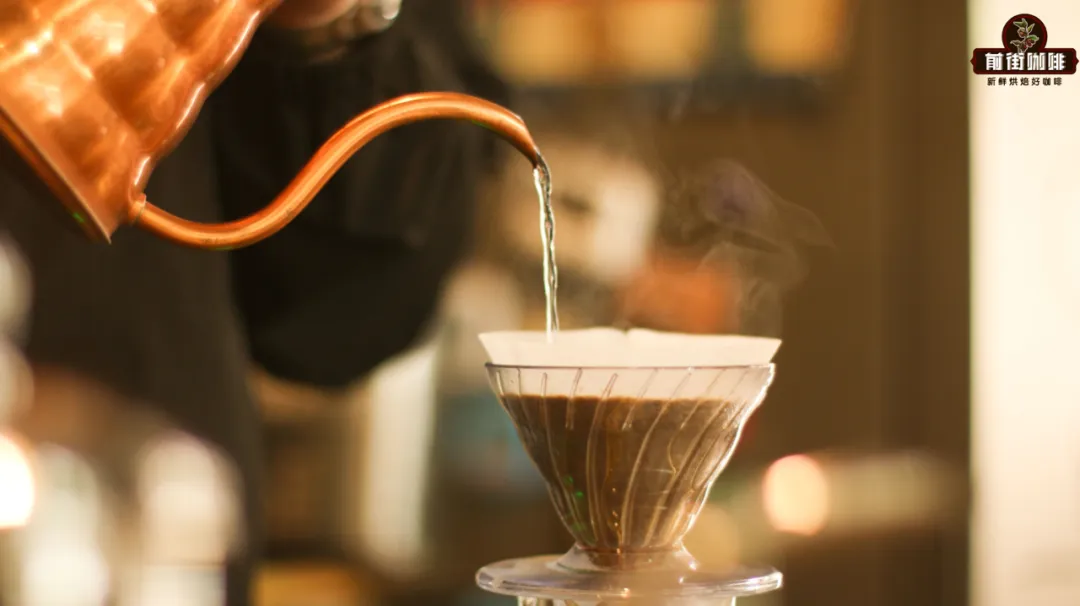
The so-called "ratio" is essentially a mathematical relationship. Once you understand this core concept, professional terms in coffee brewing become clear and easy to grasp. The powder-to-water ratio refers to the ratio of the weight of coffee powder to the volume of water poured in. For example, the common 1:15 ratio means using 15 milliliters of water to brew 1 gram of coffee powder. The advantage of this calculation method is that it is simple to operate, effectively controls the amount of water poured, and reduces variables caused by differences in the water absorption of coffee beans.
In contrast, the powder-to-liquid ratio describes the relationship between the coffee powder and the final output of coffee liquid. For example, a 1:12 ratio means that 1 gram of coffee powder should ultimately yield 12 milliliters of coffee liquid. On the surface, they may seem similar, but there is a key difference—these two cannot be directly interchanged in calculations.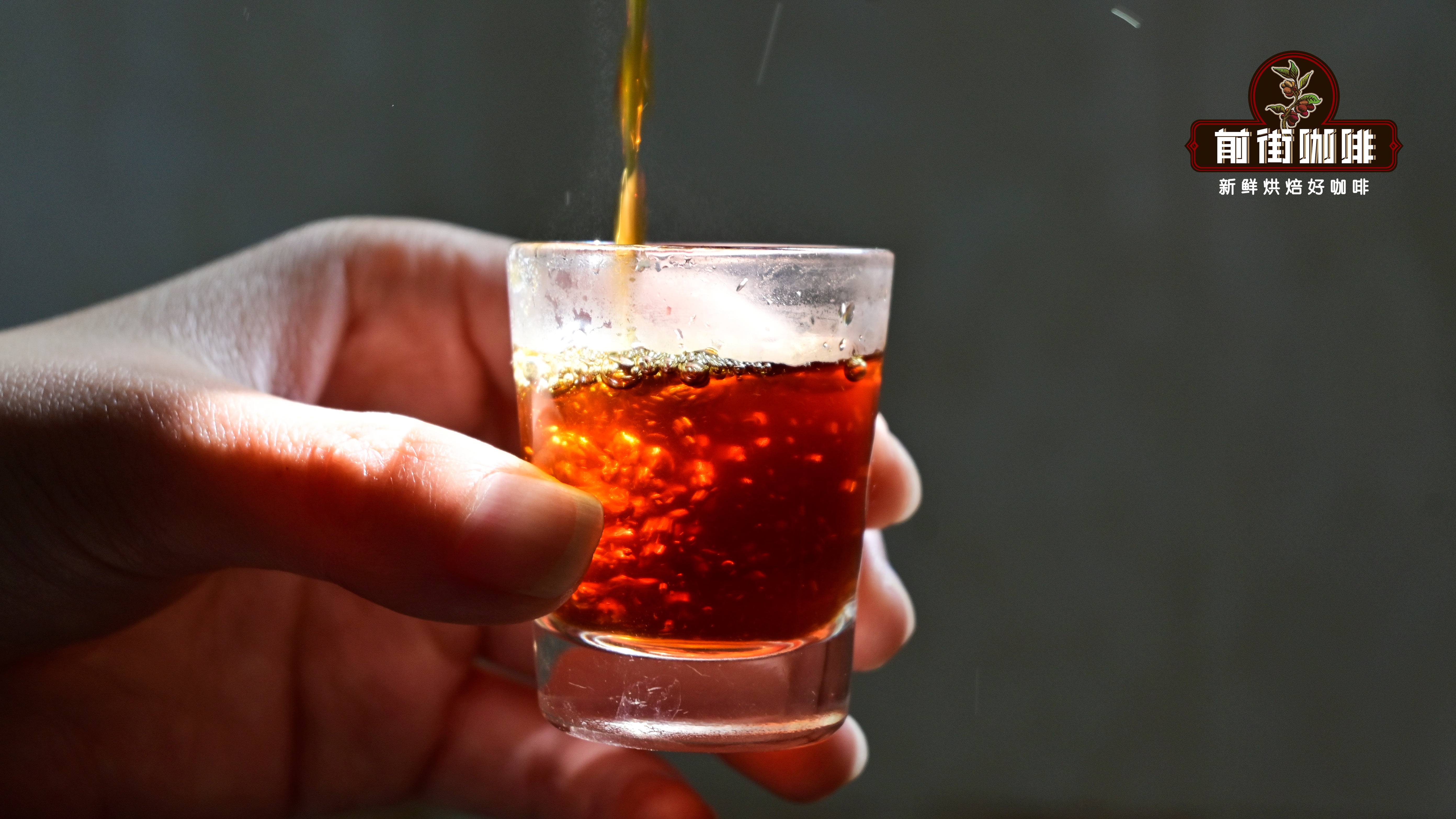
A commonly overlooked phenomenon during actual brewing is that coffee powder absorbs some of the water. Typically, each gram of coffee powder absorbs about twice its own weight in water, which means that when brewing with 225 milliliters of hot water, the final liquid yield will inevitably be less than the amount of water poured. For example, when using 15 grams of coffee powder and 225 milliliters of hot water, the coffee powder will absorb approximately 30 milliliters of water (15×2), so the estimated yield of coffee liquid is about 195 milliliters. It’s important to note that different coffee bean varieties may have slightly varying water absorption rates, and this figure is only a reference benchmark.
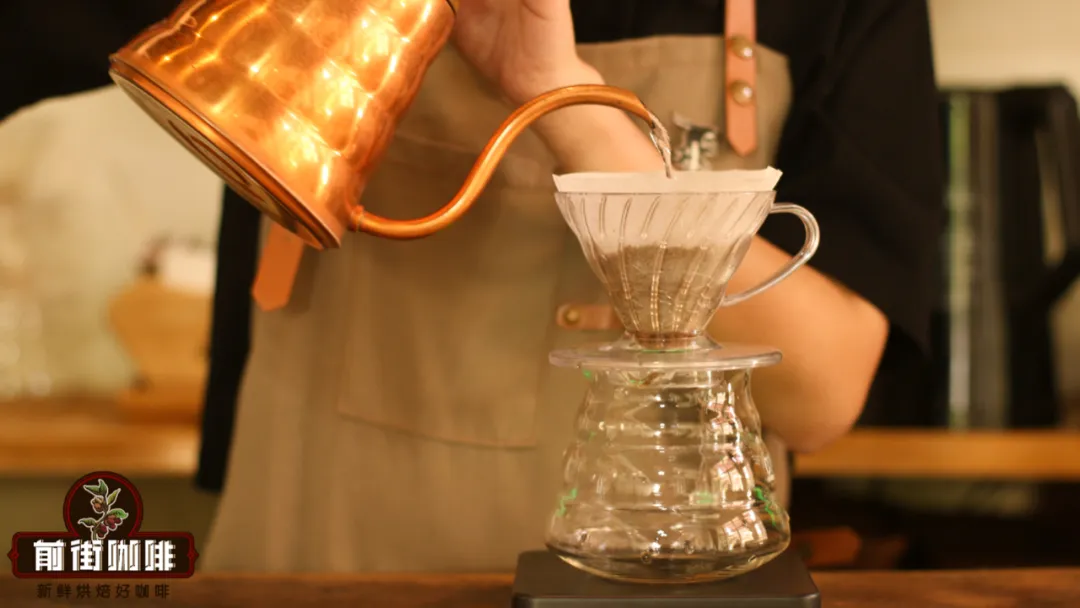 Mastering this conversion logic is crucial for achieving Golden Cup extraction. The Golden Cup standard generally recommends a powder-to-water ratio range of 1:15 to 1:18, which balances flavor extraction efficiency and concentration. When you adjust the ratio, you need to consider not only your target taste but also the water absorption characteristics of the coffee powder. Professional baristas often determine the precise water absorption coefficient of specific bean varieties through experimentation, while home brewers can start by using the general value of a 2x water absorption rate for estimation.
It is recommended that beginners start practicing with a 1:16 powder-to-water ratio, while using a timer to record the brewing time. If you find the coffee too light, you can gradually adjust the ratio to 1:15; if bitterness or astringency is noticeable, try a lighter ratio of 1:17. After each adjustment, pay attention to observingthe actual amount of coffee liquid collected, which will help you build a more accurate parameter understanding system.
The above content is compiled by CoffeeHunters, a coffee news website.


