








Introduction:Italian-style blended coffee beans are not simply a mix of beans from different regions, but a comprehensive art that combines roasting techniques, flavor design, and market demand. This article delves into the principles and processes behind blending, explores the differences between pre- and post-roast blending, and provides a detailed introduction to four classic Italian blend profiles — from winey chocolate to nutty dark chocolate — to help you choose the most suitable blend based on your needs.
Blended coffee beans are by no means a casual mixture of beans from different origins, but a professional technique that requires experience, inspiration, and scientifically balanced proportions. From commercial needs to flavor pursuits, there are many intricate considerations behind blending. Understanding the purpose, steps, and roasting strategies of blending allows you to more accurately select the right Italian blend, whether for home or café use, ensuring you can brew the ideal flavor.
The main purposes of blending often include balancing flavors, controlling costs, and maintaining consistent taste. Many single-origin coffee beans, while distinctive, may lack in acidity, sweetness, or body. Through blending, the strengths and weaknesses of each bean can complement each other, resulting in a more layered and balanced cup. Additionally, blending ensures that beans from different harvests or origins maintain a consistent flavor profile, which is especially important for commercial coffee supply.
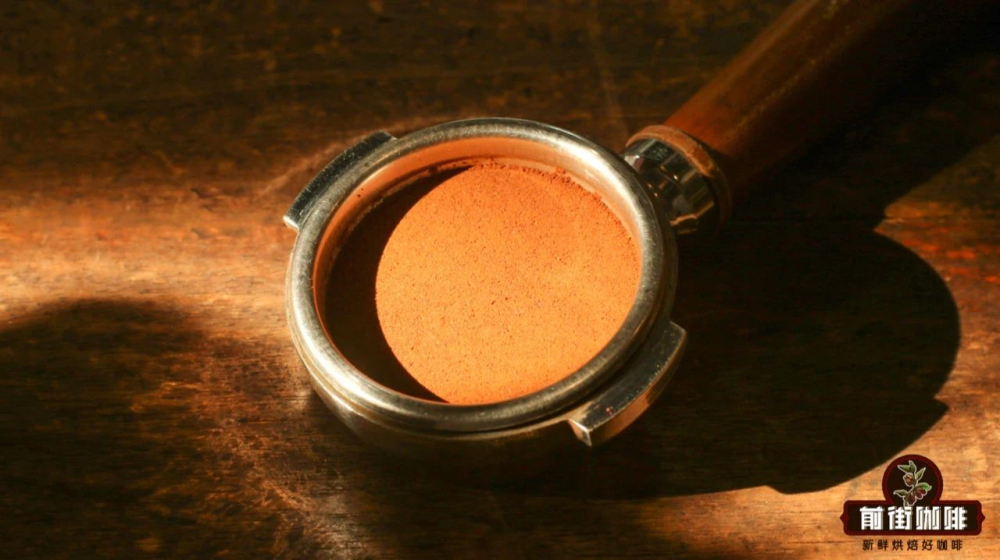
Before deciding on a blend, it’s essential to first clarify the target flavor profile — for example, whether you want to emphasize fruity acidity, chocolate notes, or a rich nutty aroma. Next, it’s necessary to deeply understand the characteristics of each single-origin bean, including origin, processing method, and roasting suitability. This information is usually acquired through cupping and accumulated experience. When blending, it’s recommended to use 2 to 6 types of beans with distinct flavor profiles, avoiding too many varieties that might lead to muddled tastes. At the same time, attention should be paid to the proportioning of each bean, highlighting the dominant flavor while using supporting notes to create a harmonious and layered taste.
Regarding the order of roasting and blending, there are mainly two methods: “blend before roasting (green blend)” and “roast before blending (roasted blend).” If the recipe is already finalized, it’s generally recommended to mix the beans in proportion first and then roast them together, which helps ensure overall flavor consistency. However, if you’re experimenting with different blend combinations, it’s better to roast each bean individually at its optimal degree first, then blend them in proportion. This approach better highlights the unique characteristics of each bean. The former is called “green blend,” where care must be taken to use beans with similar screen sizes to avoid uneven roasting; the latter is called “roasted blend,” allowing fine-tuning of each bean’s roast curve based on its traits, making it suitable for advanced blending experiments.
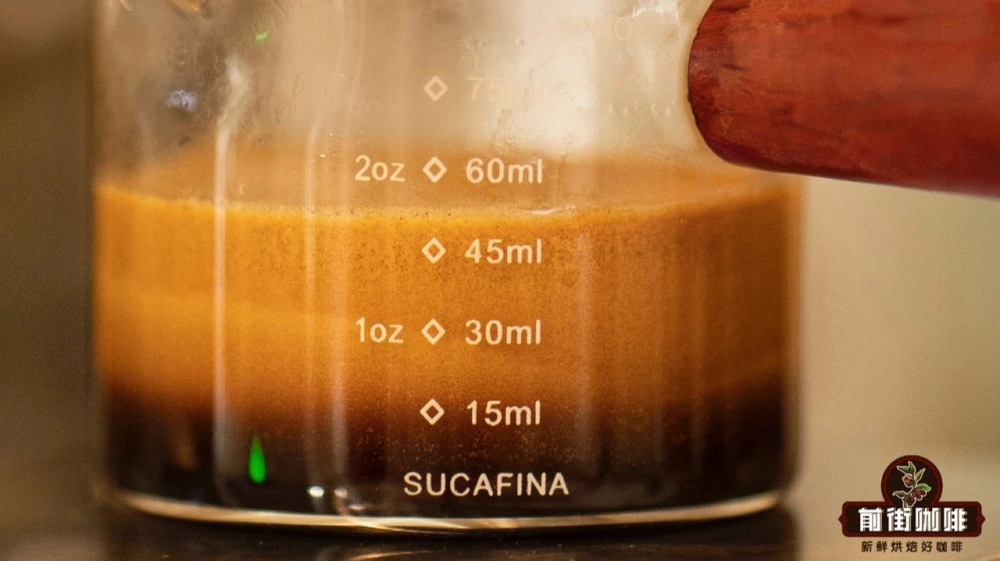
We are launching four classic Italian-style blended coffee beans, each with its own distinctive character and suitable for different scenarios and needs. The first is “Sunflower Warm Sun,” a roasted blend of Honduran Sherry and Ethiopian Yirgacheffe Natural Red Cherry. It features prominent fruit acidity, berry aromas, and a rich winey chocolate profile, making it ideal for small specialty cafés or individual enthusiasts seeking unique flavors. Its half-pound packaging is also suitable for consumers who use less coffee but value quality.
The second is “Premium Blend,” a roasted blend of Colombian and Brazilian beans. It offers a well-balanced flavor, smooth on the palate with subtle grassy notes and gentle bitterness and sweetness, leaving a clean aftertaste. It’s highly suitable for general specialty cafés as an everyday espresso bean — stable and easy to promote.
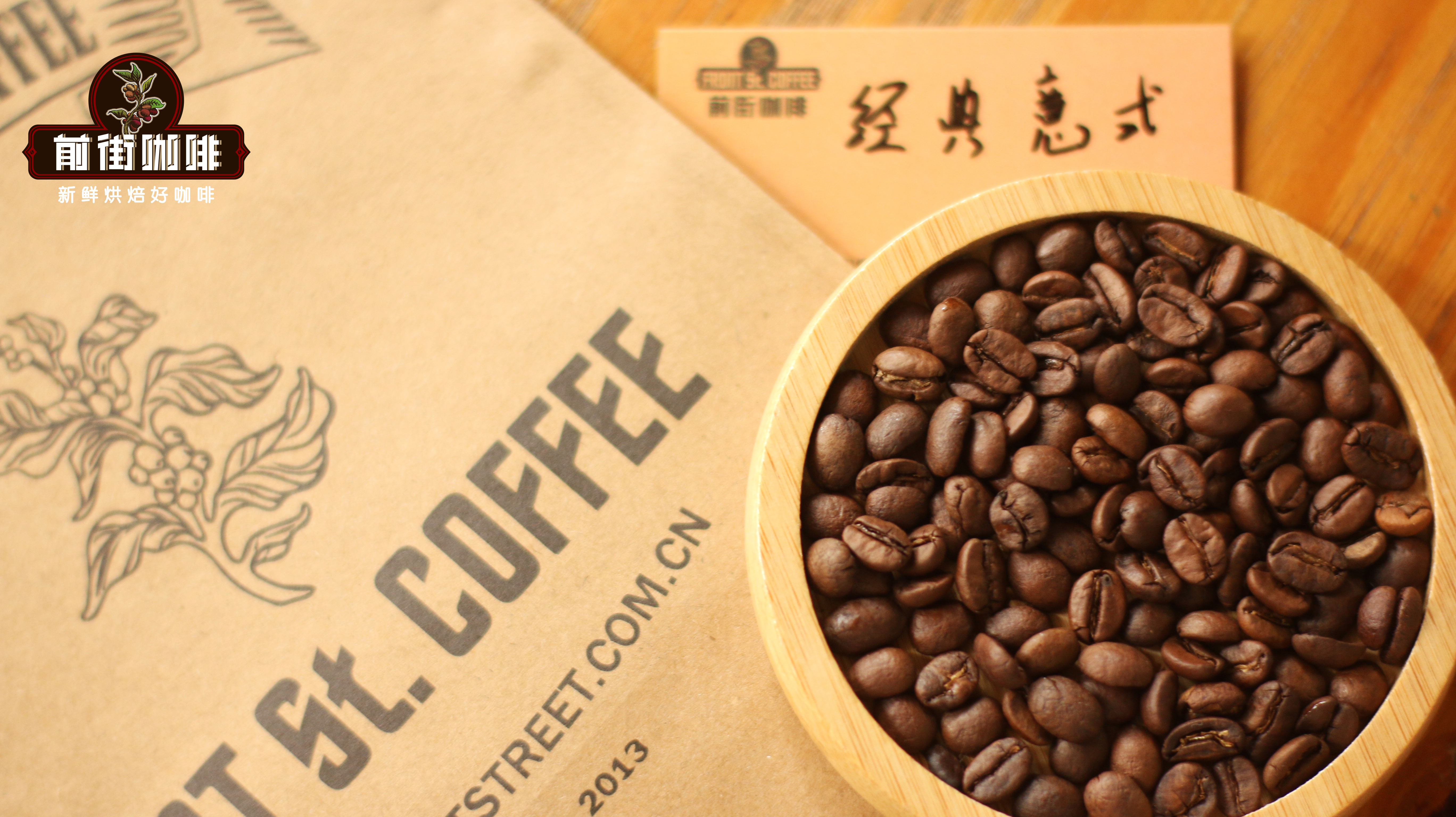
“Commercial Blend” combines Colombian, Brazilian, and a small amount of Robusta beans, using a green blend approach. This bean delivers a classic flavor with caramel sweetness, nutty and dark chocolate notes, balanced acidity and sweetness, and rich crema. It’s suitable for cafés and beverage shops of all sizes, making it a high-cost-performance commercial choice.
Finally, there’s the barista-recommended “Dark Cocoa Blend,” a roasted blend of Yunnan AA and Brazilian beans. It has a soft flavor, featuring fruit acidity, caramel sweetness, and intense dark chocolate and nutty aromas. The cup is smooth with good body, making it suitable for small cafés, bakeries, or beverage shops focused on balanced flavor. The high-altitude characteristics of Yunnan beans give it a body close to that of Central and South American beans, making it a stable and distinctive commercial-grade option.
The above content is compiled by CoffeeHunters, a coffee news website.


