







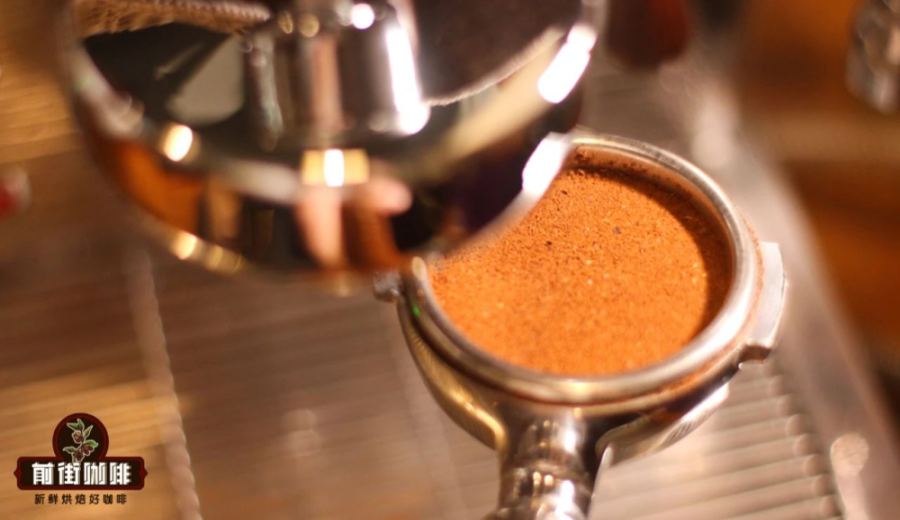
Introduction:When brewing espresso at home, do you often encounter issues such as overly short extraction time, thin crema, or weak flavor? These common problems mostly stem from inaccurate grind size. This guide starts with selecting freshly roasted coffee beans and introducing suitable home grinders, then delves into the workings and pros and cons of flat burr grinders. It also provides an adjustment logic based on the golden ratio and extraction time, supplemented by practical examples to help readers find their ideal grind setting and elevate their home coffee experience.
Many coffee enthusiasts trying to brew espresso in their own kitchens often face problems like fast flow, lack of crema, and flat flavors. In fact, the key issue often lies in the grind size setting. To make an ideal shot of espresso, it’s crucial to start with freshly roasted coffee beans.
When selecting beans, it’s recommended to choose products clearly labeled with the roast date (rather than the expiration date), and opt for beans from professional roasters to ensure quality and freshness. High-quality coffee packaging usually comes with a one-way degassing valve. You can place the valve close to your nose and gently press the coffee bag — if you smell a rich aroma, the beans are in good condition. Conversely, if the scent is dull or has even turned rancid, it likely means the beans have gone stale and should not be used.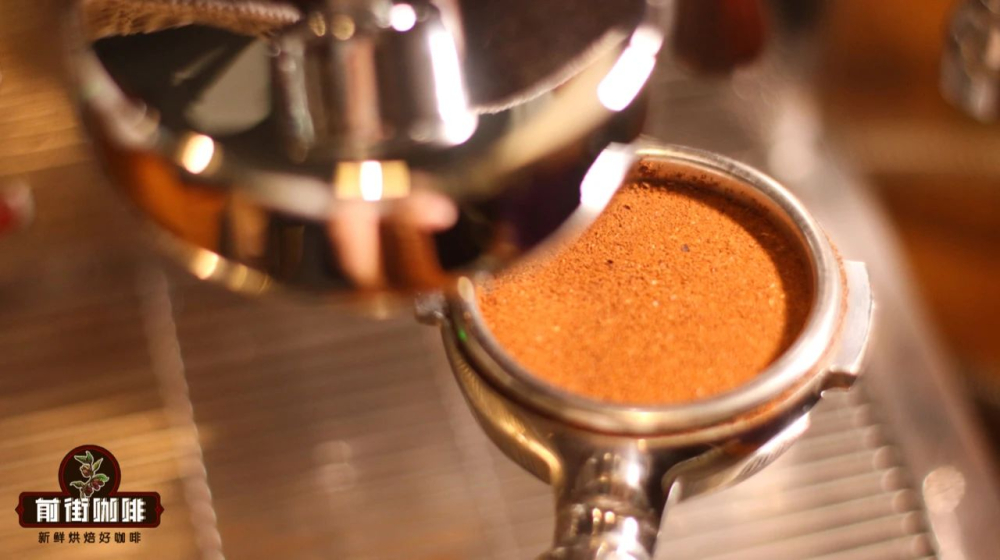
Next, choosing a suitable grinder is the key factor affecting the final extraction result. For commercial use, you can directly opt for grinders specifically designed for espresso, which generally offer extremely fine grinding capabilities, fast output, and larger burr sizes. But if you’re brewing at home, it’s advisable to consider a flat burr grinder. Although its uniformity is slightly inferior to commercial models, it can produce sufficiently fine particles suitable for home users seeking espresso flavors.
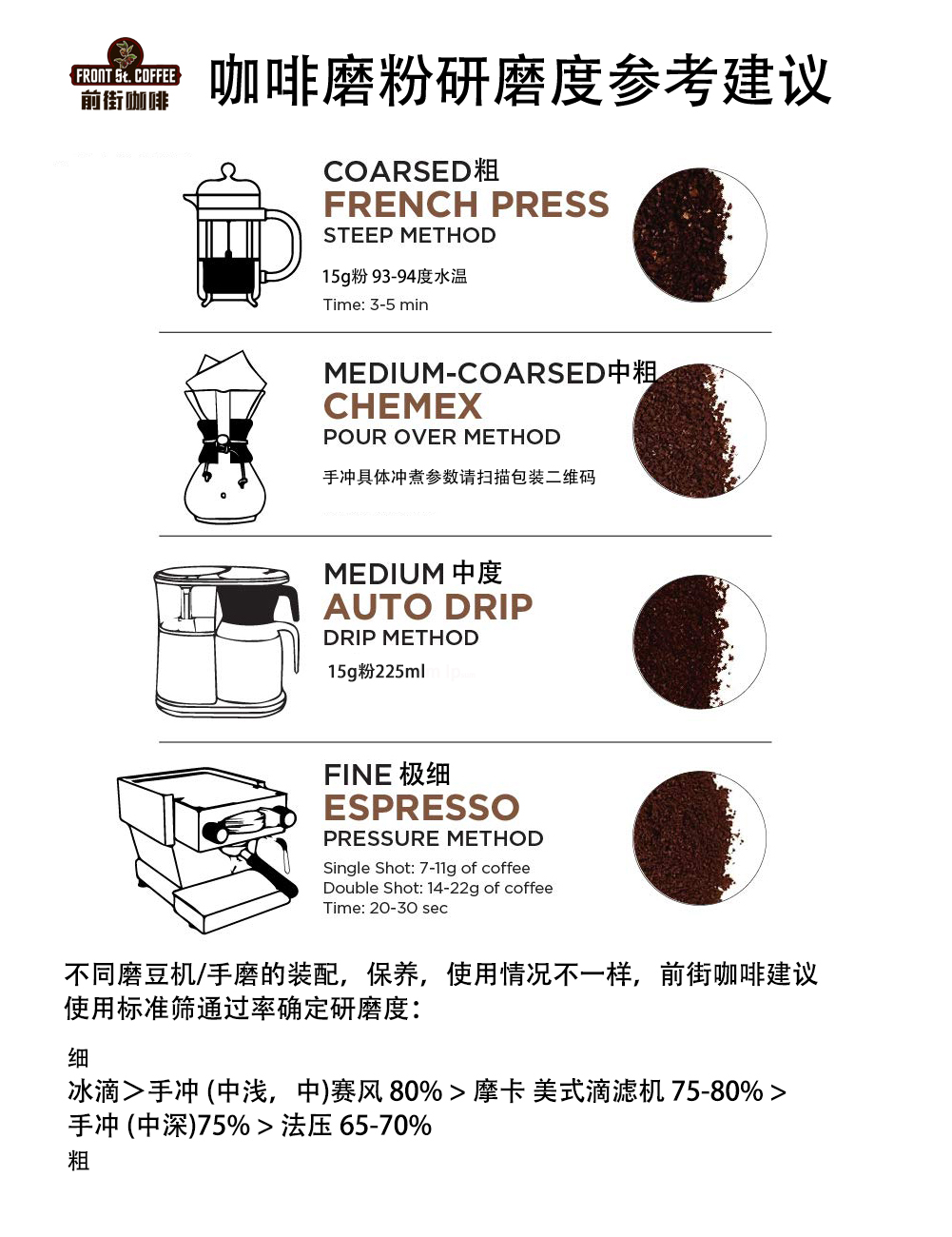
The operating mechanism of a flat burr grinder consists of two parallel, horizontally aligned burrs. When driven by the motor, the bottom burr spins and throws the coffee beans toward the cutting area of the burrs. Since the beans rely on the rotation force of the bottom burr to enter the grinding zone, the amount of beans on top affects how evenly they’re fed in, which in turn impacts the consistency of the grind. Additionally, the beans undergo more collisions during the pushing process, which tends to produce more fine particles. While a flat burr design may result in less uniform extraction compared to conical burrs, it can enhance the concentration and aroma release of the coffee in a short time, offering unique advantages for espresso. However, because friction generates noticeable heat, prolonged continuous use may lead to burnt or over-extracted flavors, so extra care is needed.
To adjust to a grind size suitable for espresso, you must first understand the basic working principles of a grinder. Simply put, the smaller the gap between the burrs, the finer the resulting particles, making water flow more difficult and extending the extraction time. Conversely, the larger the gap, the coarser the particles, allowing smoother water flow and faster extraction. Therefore, finding the right grind setting is key to controlling extraction time and flavor release.
In practice, you can refer to the “golden ratio” and “golden time” settings as benchmarks: it’s generally recommended to use a 1:2 coffee-to-water ratio, meaning 20 grams of coffee grounds yield 40 milliliters of espresso, while keeping the extraction time between 25 and 28 seconds. By observing the flow rate and tasting the flavor, you can further fine-tune the grind size. If you notice the flow is too fast, the crema is pale, and the flavor is overly acidic, it’s usually due to the grind being too coarse, leading to under-extraction. On the other hand, if the flow is too slow, the stream is thin, the crema is very dark, and there are burnt or bitter off-flavors, it may indicate the grind is too fine, causing over-extraction and channeling.
To judge the extraction results more precisely, you can use a concentration meter for assistance. A qualified espresso should typically have a concentration between 7% and 12%. By stirring the extracted liquid and taking a sample for measurement, you can more objectively determine the direction for adjustments.
Below is a set of home espresso brewing parameters that have been practically proven effective, for readers’ reference and application: when using a flat burr grinder, it is suggested to set the grind size around the 2.0 mark (adjust according to specific model), with a pressure of about 10 bar, water temperature at 94°C, 20 grams of coffee grounds, and an extraction time maintained between 25 to 30 seconds, yielding 40 milliliters of espresso. Under this parameter combination, the result typically presents a smooth mouthfeel and moderate body, accompanied by clear notes of chocolate and caramel. The entry feels as dense as nutty cookies, with an overall flavor that is rich and well-balanced.
The above content is compiled by CoffeeHunters, a coffee news website.


