







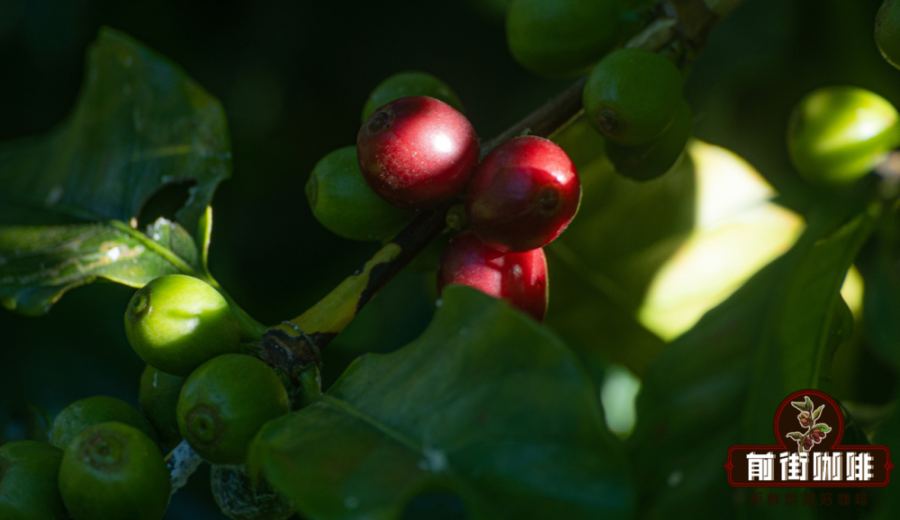
Introduction:As one of the few Arabica-growing regions in China, Yunnan’s small-grain coffee thrives thanks to its unique geographical environment, yielding beans with diverse flavor profiles. From the early introduction of Typica to the widely planted Catimor, different varieties showcase distinct characteristics in flavor expression and brewing suitability. This article delves into the features of Yunnan’s major coffee-growing regions, helping you understand how to choose appropriate brewing parameters based on variety, while also providing practical pour-over tips and flavor evaluations.
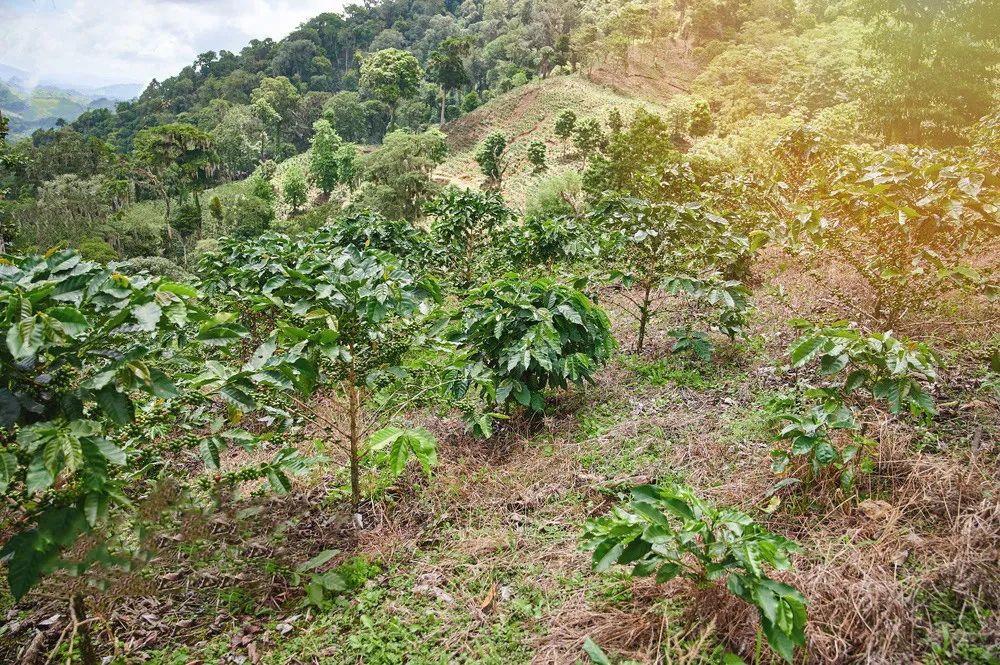
Yunnan small-grain coffee belongs to the Arabica species of the Rubiaceae family and is mainly cultivated in regions such as Lincang, Baoshan, Pu’er, Dehong, Nujiang, and Xishuangbanna. As early as 1892, a French missionary successfully introduced the first coffee tree to Binchuan County for trial planting. Due to the relatively small size of the fruit, it came to be known as “small-grain coffee.” Later, genetic identification confirmed that the initially introduced variety was Typica. Over time, Yunnan’s coffee industry experienced phases of expansion, decline due to uprooting, until Nestlé introduced the disease-resistant and high-yield Catimor variety. As the main raw material for instant coffee, this helped stabilize production. In recent years, with the rise of specialty coffee concepts, Yunnan small-grain coffee—through optimized cultivation and post-harvest processing techniques—has gradually gained international recognition.
Among the many producing areas, Baoshan’s Longjiang Dam and Lincang stand out with their unique altitudes and microclimates, representing the pinnacle of Yunnan’s specialty coffee. This article introduces two representative Yunnan small-grain coffee beans: one is the Catimor variety grown at an altitude of 1,200 meters in Baoshan’s Longjiang Dam, and the other is a Typica grown at 1,300 meters in a certain area of Lincang. These two beans not only differ markedly in variety but also exhibit unique flavor profiles and suitable brewing methods.
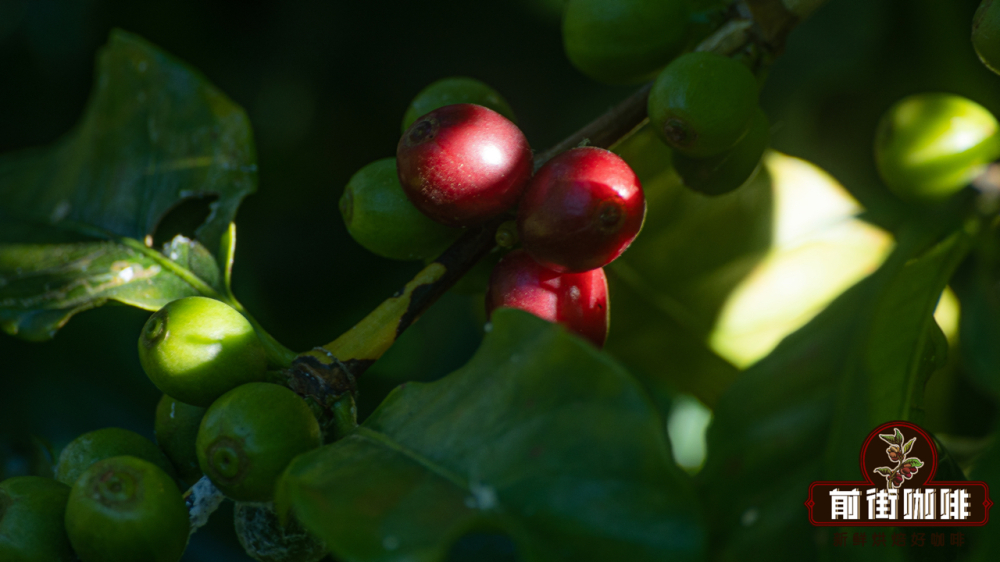
The Catimor grown in Baoshan’s Longjiang Dam, benefiting from high altitude and ample sunlight, typically displays a brighter acidity, often with plum-like sourness accompanied by rich fruit notes. Meanwhile, the Typica grown in Lincang, owing to its pure genetic lineage and stable growing environment, generally offers a cleaner mouthfeel and softer sweetness, making it ideal for coffee lovers who prefer a mellow and balanced flavor. Both beans, when medium roasted, can showcase the distinctive flavor combination of the Yunnan region, including plum, nuts, caramel, and a hint of tea-like notes, with balanced acidity and bitterness, as well as rich and layered aromas.
For brewing recommendations, this article uses the Hario V60 dripper as an example, providing a set of practical pour-over parameters suitable for the two aforementioned Yunnan small-grain coffee beans. It is recommended to use 15 grams of coffee grounds, with water temperature controlled at 90°C, a medium-fine grind (approximately 80% extraction through a Chinese standard No. 20 sieve), and a 1:15 coffee-to-water ratio. Employ a staged extraction method: start with a 30-second bloom using 30 grams of water, then pour in a small stream centered up to 125 grams and pause briefly. Once the water level drops slightly, continue pouring up to 225 grams before removing the dripper. The total extraction time is advised to be around one minute.
The design of the Hario V60 dripper features curved and uneven ribs, which effectively promote gas release and maintain a stable flow rate, thereby enhancing the expression of flavor layers. This is particularly important for highlighting the delicate fruit acidity and aroma of Yunnan small-grain coffee. However, attention should be paid to the speed and stability of pouring to avoid under-extraction due to too fast a pour or over-extraction from too slow a pour.
In actual tasting, the Lincang Typica emits subtle caramel and nutty aromas in the dry scent, with a primary taste reminiscent of a sweet plum-like profile, complemented by brown sugar-like sweetness and mild fruit acidity. Its aftertaste carries a soft tea-like note similar to black tea, resulting in a refreshing and layered mouthfeel overall. In contrast, the Baoshan Catimor exhibits a more vibrant character, with a dry scent featuring light fermentation notes and roasted nut aromas. Upon sipping, the distinct plum acidity shines, paired with the sweetness of roasted nuts and caramel, while the aftertaste leaves a hint of fermented tea, contributing to a full-bodied and structured drinking experience.
Whether you choose Typica or Catimor, understanding each bean’s characteristics and optimal brewing conditions is key to elevating your coffee flavor experience. For beginners in pour-over brewing, it is recommended to start with medium-roasted Yunnan small-grain coffee, adjusting water temperature, grind size, and pouring techniques to gradually explore various flavor possibilities. Observing aroma changes during the bloom phase and monitoring flow rate during extraction can also help you better grasp each bean’s optimal performance.
The above content is compiled by CoffeeHunters, a coffee news website.


