








Introduction:Arabica coffee, known for its smooth and easy-drinking characteristics, is the first choice for many coffee enthusiasts. But did you know? Within the Arabica species, there are multiple varieties, each with distinct flavor profiles. This article delves into the origins, appearances, and flavor characteristics of major varieties such as Typica, Bourbon, Geisha, and Catuai, accompanied by practical illustrations, and includes pour over bean recommendations for beginners to help you avoid common buying pitfalls and easily find your own preferred coffee flavor.
Arabica coffee is generally considered the best choice for beginners due to its mild taste, rich sweetness, and layered fruity acidity. However, within this large Arabica family, there is a wide variety of cultivars, each with its own unique flavor profile, often leaving newcomers to specialty coffee unsure where to start. This article will begin with the basic differences between Arabica and Robusta, then systematically analyze the origin, plant characteristics, and flavor performance of well-known varieties such as Typica, Bourbon, Caturra, Catuai, Kenya SL series, Geisha, and Ethiopian heirloom beans, supplemented with illustrations and practical purchasing advice to help readers quickly grasp the essence of specialty Arabica coffee and find the coffee beans that best suit their taste.

Many people, when first trying coffee, often experience a noticeable bitterness or astringency, which mainly comes from a component in coffee beans called chlorogenic acid. The Robusta variety naturally contains higher levels of caffeine, amino acids, and chlorogenic acid, resulting in a heavier, deeper flavor with strong bitterness and a rough mouthfeel. In contrast, Arabica contains only about 0.9% to 1.2% caffeine, but has about 60% more fat content and twice the sugar content of Robusta. This combination of components makes Arabica smoother on the palate, with more pronounced sweetness, along with bright fruity acidity and multi-layered aromas—no wonder it’s the preferred choice for most coffee drinkers.
Under the Arabica category, there are actually many branches with distinct characteristics. The following "Tips for Choosing Specialty Arabica Coffee" can help you make smarter choices among the vast array of products:
1. Typica (铁皮卡)
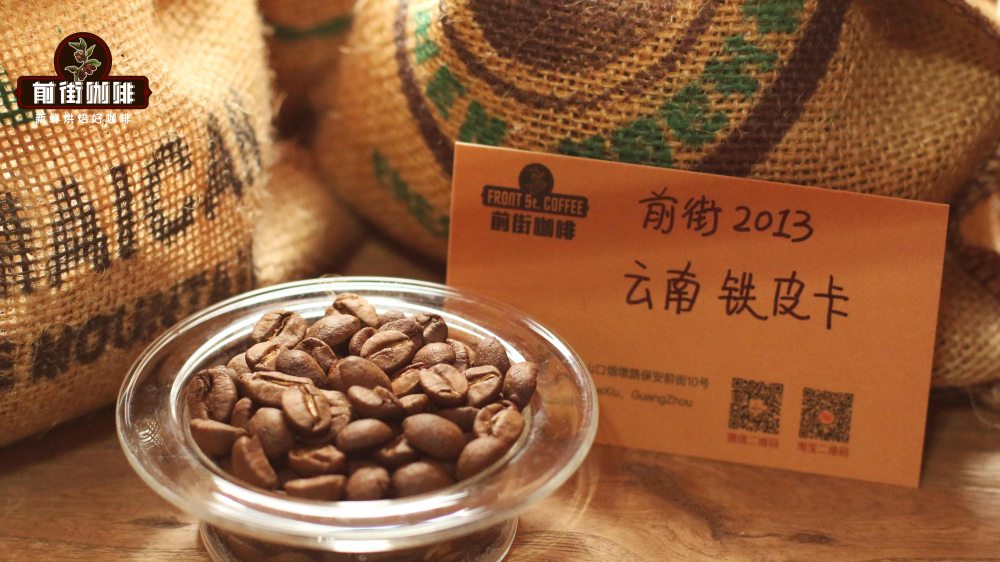
Typica is one of the oldest original varieties from Ethiopia and is considered the ancestor of all modern Arabica lineages. Its top leaves exhibit a distinctive bronze color, and the coffee beans are oval or slender and pointed in shape. Typica is renowned for its elegant and delicate flavors, with soft acidity and refreshing aromas. However, it has the downside of being a weaker plant with poor disease resistance and low yield, so it is mostly found in high-altitude, meticulously cultivated regions.
Recommended picks:2013 Yunnan Typica, PGN Paradise Bird, Jamaican Blue Mountain
2. Bourbon (波旁)
Bourbon is a natural mutation of Typica that occurred after it was transplanted to Yemen. Its most obvious characteristic is that the bean shape changed from the original slender and pointed form to a rounder and plumper one. Bourbon has wider leaves than Typica, with wavy leaf edges; young leaves are often green, while the fruits are round and can mature into different colors such as red, orange, or yellow. This variety offers pure flavors and a clean aftertaste, making it widely loved by specialty coffee enthusiasts.
Recommended picks:Brazil Cerrado Red Bourbon, Brazil Queen Estate Yellow Bourbon, Rwanda Red Bourbon
3. Caturra (卡杜拉)
Caturra is a natural variant of Bourbon, first discovered in Brazil in 1937. Compared to Bourbon, Caturra plants are shorter, though they inherit some of Bourbon’s weaknesses such as lower disease resistance, but offer better yield performance and retain a sweet flavor. It is one of the key cultivated varieties in many Central and South American producing regions.
Recommended picks:Colombia Huila, Panama Diamond Mountain
4. Catuai (卡杜艾)
Catuai is the offspring of Caturra and a New World variety (itself a natural hybrid of Bourbon and Sumatra Typica). As a result, it also carries some Typica genes. In appearance, Catuai coffee beans are oval and flat, with a slender tail end—an important identifying feature.
Recommended picks:Panama Elida Estate Catuai
5. Kenya SL28 and SL34
SL stands for Scott Laboratories. In the 1930s, the Kenyan government commissioned the laboratory to conduct breeding and classification research on coffee varieties, aiming to identify those that could adapt to local terroir, possess commercial potential, and be suitable for large-scale cultivation. SL-28 and SL-34 were two important outcomes from this effort. These two varieties give Kenyan coffee its distinctive plum-like acidity, citrus notes, along with wine-like complexity and sugarcane-like sweetness, resulting in a clear and tightly structured overall flavor.
Recommended picks:Kenya Little Tomato
6. Geisha (瑰夏)
Geisha is a variety that is highly distinctive both in appearance and flavor. Its trees are tall, with top branches extending upward at about 45 to 50 degrees, smooth and slender leaves, and an umbrella-shaped or flat-topped form, forming a strong contrast with the traditional conical Typica. Geisha coffee beans are slender, with pointed ends and a plump middle—resembling a sausage bun in shape. In terms of flavor, Geisha is famous for its unique citrus fruit aroma, delicate floral notes (such as jasmine), and bright acidity, often hailed as the “perfume” of the coffee world.
Recommended picks:Panama Finca Hartmann (Geisha), Panama Boquete Geisha, Geisha Blend Strawberry Candy
7. Ethiopian Heirloom (埃塞原生种)
As the birthplace of coffee, Ethiopia boasts the world’s richest coffee genetic library, with so many varieties that they are difficult to further subdivide. Due to limited farming environments and grading conditions, many coffee beans grown by local farmers are actually blends of several varieties but have not been individually classified, hence collectively referred to as “heirloom.” These beans vary greatly in size and offer highly diverse flavors, often featuring layers of floral, berry, and tea-like notes—making them an excellent choice for many pour over enthusiasts exploring flavors.
Recommended picks:Yirgacheffe, Guji Dingding, Huakui
The above content is compiled by CoffeeHunters, a coffee news website.


