








Introduction:Want to learn about the flavor characteristics of washed Caturra from Huila, Colombia, and the best pour-over brewing methods? This article provides an in-depth analysis of the origin background, variety traits, and processing method of this classic everyday coffee bean, along with practical recommended pour-over parameters. It also compares the flavor differences with the same-region Anaerobic Natural from Huila Moonlight Night, helping you grasp the diverse charm of Colombian coffee more comprehensively.
Colombia is not only the world’s third-largest coffee-producing country but also the only nation where the law mandates that only Arabica varieties can be grown. It also leads the world in washed coffee production. On the [CoffeeV] coffee bean menu, you can find a variety of Colombian coffees ranging from entry-level everyday beans to high-end specialty options, such as washed Caturra from Huila and the refined estate-level Huila Moonlight Night. This article will start with the overall characteristics of the producing region, guiding you to understand Colombia’s coffee-growing environment and industry advantages. It will focus on analyzing the flavor profile and recommended pour-over brewing approach for washed Caturra from Huila, and will also compare the unique flavors of the same-region Huila Moonlight Night Anaerobic Natural, helping you better choose the coffee that suits you.
 Many beginners often don’t know where to start when faced with a wide array of coffee beans. This is not only due to the overwhelming number of choices, but also because of a lack of basic understanding of the flavor profiles of coffees from different regions, making it difficult to determine which one best suits their taste. [CoffeeV] has previously launched a series of everyday beans precisely to allow consumers to experience the most representative flavors of each coffee-producing region at reasonable prices. If you’ve tried the [CoffeeV] Everyday Series, you should already have a preliminary impression of the foundational styles of the world’s major coffee-producing areas. This article takes Colombia as an example to help you build a general understanding of the flavor profile of this region.
Colombian coffee maintains long-term stability in both yield and quality, consistently ranking as the world’s third-largest producer, giving it a pivotal role in the international market. It’s worth noting that Colombia is the world’s largest exporter of washed Arabica and the only country with legislation mandating that only Arabica varieties can be planted. With strong government support, Colombia has successfully transformed from a former drug crop-growing region into the world-renowned coffee kingdom it is today.
On the [CoffeeV] bean menu, Colombian beans make up a significant proportion, including Huila Moonlight Night, Rose Valley, San Jose, Sakura, and Hanami. Each has a highly distinctive and recognizable flavor personality, winning widespread customer favor. Although Colombia is known for exporting washed beans, among these offerings, only Hanami is washed processed—it’s actually a Geisha blend with a dry aroma featuring delicate floral notes of spices and chamomile. The cup presents bright acidity, with a particularly standout sweet-tart citrus flavor reminiscent of oranges.
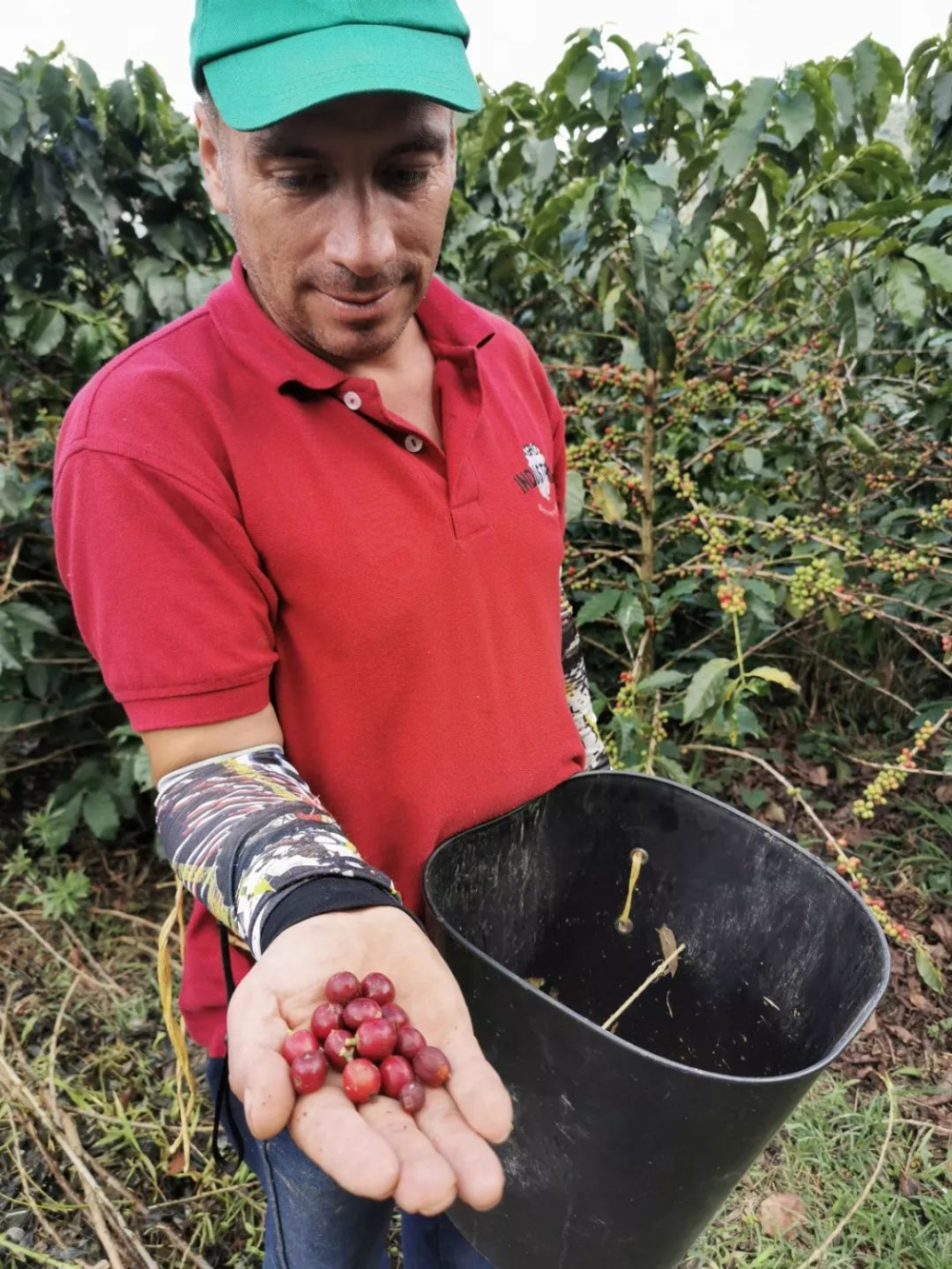 Colombia has over 563,000 farming households, with nearly 800,000 people engaged in coffee cultivation. Among them, 95% of the planted area is less than 5 hectares, and 60% of farmers manage plots smaller than 1 hectare, while large-scale farms exceeding 20 hectares account for just 0.5%. The total national coffee-growing area reaches 881,000 hectares, accounting for about 24% of arable land, with an average planting area of around 1.7 hectares per household. The country has approximately 2.7 billion coffee trees, 66% of which are under modern cultivation, with the rest distributed across traditional smallholder farms. As times evolve, an increasing number of second-generation farmers are taking over operations. Generally well-educated and influenced by diverse cultures, they are gradually driving the evolution and opening-up of Colombia’s coffee cultivation model.
Why are so many people in Colombia willing to engage in coffee farming? The answer is simple: there is a market and demand, which drives production motivation. And the reason Colombian coffee is so widely loved lies in its outstanding quality and unforgettable taste.
Colombia has “four treasures”: flowers, gold, emeralds, and coffee—each is an export product the country takes pride in. The country’s natural conditions are extremely suitable for coffee cultivation. Though located in the tropics, its diverse terrain results in varied climates depending on altitude and latitude. Aside from a few lower-altitude areas like Bucaramanga, most coffee-growing regions lie in high-altitude mountainous zones between 1,200 and 1,900 meters, primarily along the Andes Mountains. The terraced landscape gives Colombia rich microclimates, ensuring different regions have harvest seasons throughout the year, and unlike Brazil, it is less prone to frost threats.
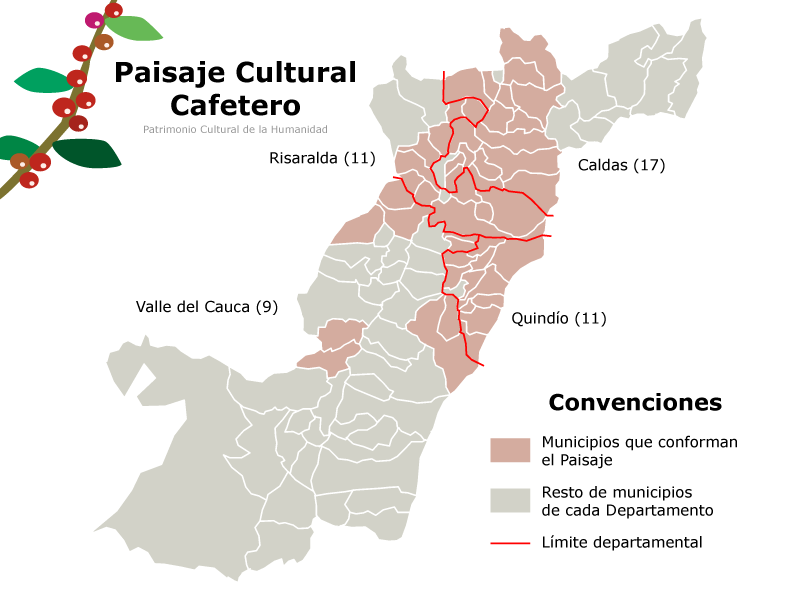
 The eastern plains and southern and Pacific coastal regions of Colombia have a tropical rainforest climate, while the northwest has a tropical savanna climate. The country’s average annual temperature ranges between 15.8 and 20.5°C, with average temperatures in coffee-growing regions falling between 18 and 22.5°C, and annual rainfall around 1,000 to 2,500 millimeters. Due to the existence of up to 86 different microclimates between northern and southern regions, the regional characteristics of Colombian coffee are remarkably distinct.
In addition to its exceptional natural environment, the high quality of Colombian coffee is also inseparable from the careful management by local farmers. Smallholder farms are the mainstay of Colombia’s coffee industry. Farmers often plant shade trees such as banana or tall timber trees around coffee plants and set up shading structures during the seedling stage to maintain an optimal growing environment. The higher humidity and smaller diurnal temperature variation inside coffee plantations help coffee beans mature slowly, thereby accumulating more caffeine and aromatic compounds, enhancing the final flavor profile.
Next, we’ll take everyday beans and premium estate beans as examples to delve into the flavor characteristics of Colombian coffee. First up is the everyday offering from [CoffeeV]—washed Caturra from Huila, Colombia. Huila Province is located in the southern section of the Central Cordillera in southern Colombia and is one of the country’s renowned specialty coffee regions. Its terrain consists of hills surrounded by mountains, with planting elevations exceeding 1,500 meters and important rivers flowing through, providing abundant and stable water resources.
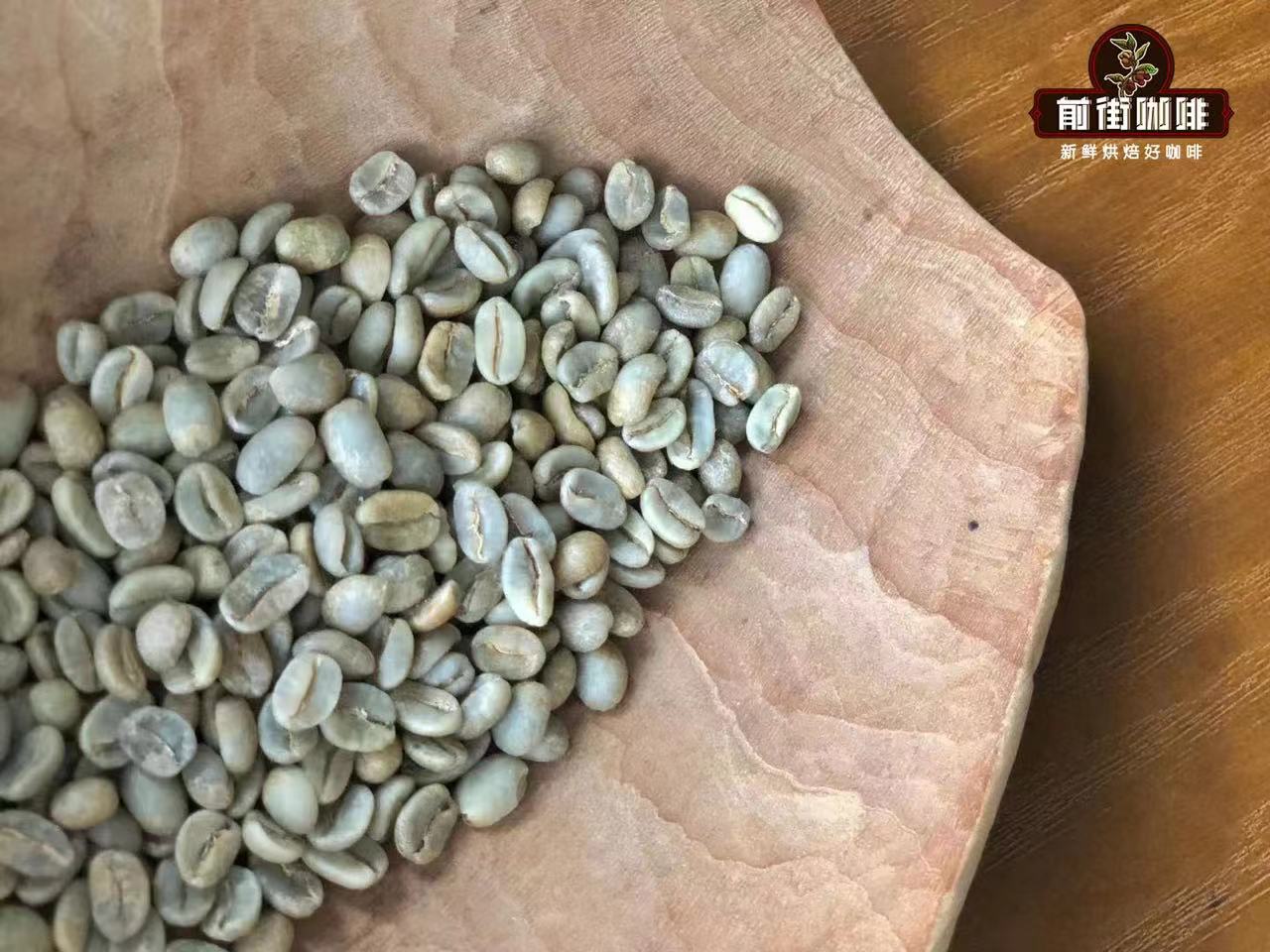
This coffee uses the Caturra variety, a natural mutation of Bourbon, which is planted quite extensively in Colombia—reportedly accounting for about half of the country’s production. Below are the actual pour-over recommendations for this Huila Washed Caturra:
Pour-over equipment:V60 dripper
Brew water temperature:91°C
Coffee-to-water ratio:1:15
Coffee dose:15 grams
Grind size:80% passing rate through a Chinese No. 20 standard sieve (approximately medium-fine grind)
Brewing steps:
1. Start by pouring 30 grams of water for a 30-second bloom.
2. Then continue pouring with a small stream in circular motions. When the total water volume reaches 125 grams, perform the first pour break.
3. When the water level drops and is about to expose the coffee bed, continue pouring until you reach 225 grams, then stop.
4. Once the water level drops again and is about to expose the coffee bed, remove the dripper.
The overall brew time is recommended to be controlled around 2 minutes.
The flavor profile of this Huila Washed Caturra is: pronounced nuttiness upon entry, medium-to-high body, caramel-like sweetness, and a slight fruity acidity may emerge at lower temperatures.
Besides this everyday bean, the shop also offers Huila Moonlight Night coffee beans from the same Huila region. Though both are from Huila, Moonlight Night’s flavors are more delicate and refined. These beans come from the Esquivel Guatiding Farm and are processed using anaerobic natural (anaerobic sun-dried) methods with longer fermentation, offering the potential for more complex flavors. Using the same pour-over method, Huila Moonlight Night exhibits intense floral aromas, balanced and layered flavors, with a sweet strawberry jam-like finish and subtle bitterness of dark cocoa. The fermentation character is noticeable but well-controlled, without overpowering the cup.
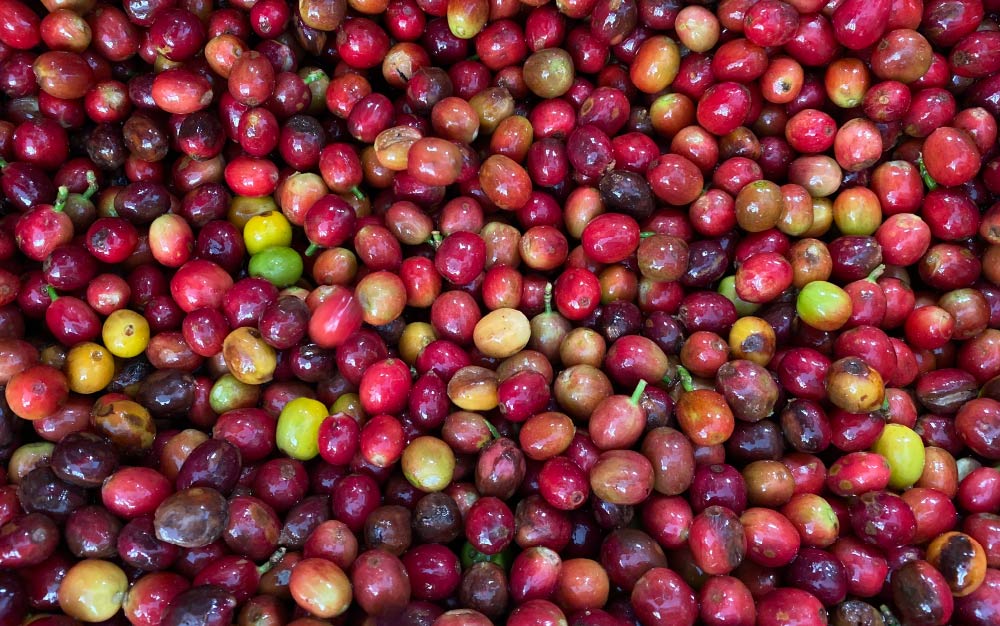
Colombia’s ability to consistently produce high-quality coffee over the long term is not only due to its innate natural advantages but also owes much to its well-established industry system. The Colombian Coffee Growers Federation (FNC) is the country’s sole official coffee industry organization and one of the world’s largest agricultural NGOs. It represents over 540,000 coffee farming households, dedicated to promoting industry collaboration, technological advancement, and quality control. It ensures that coffee farmers receive fair returns and enables global buyers to confidently source premium green beans from Colombia.
The above content is compiled by CoffeeHunters, a coffee news website.


