







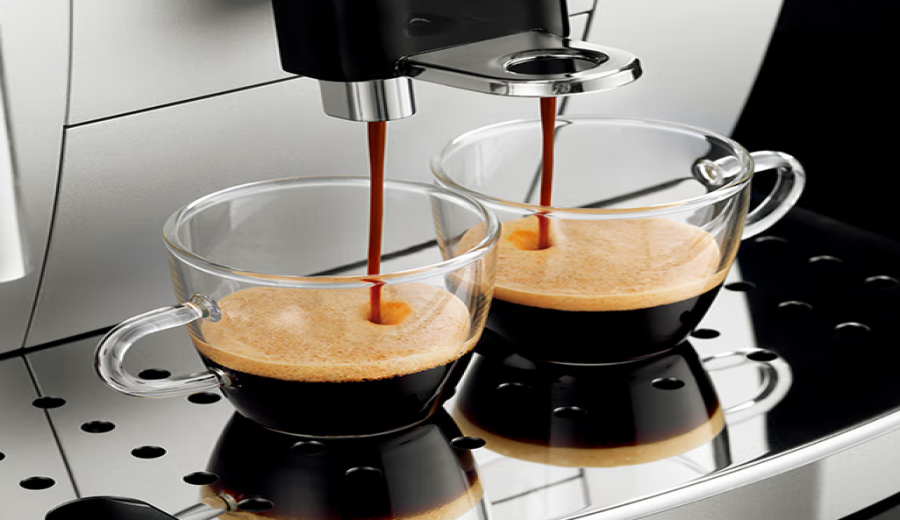
Introduction:Want to enjoy professional-level coffee flavors effortlessly at home? A fully automatic coffee machine is your ideal choice. This article delves into how to select the right equipment for home use—from machine types and operation processes to bean characteristics—while providing detailed usage steps and maintenance tips. It will help you quickly master the skills to brew a rich and aromatic espresso, from beginner to expert.
With the convenience of one-touch grinding and extraction, fully automatic coffee machines have become the top choice for many homes and offices. These devices not only save time but also consistently deliver professional-grade coffee taste. This article will systematically introduce key factors in selecting a home fully automatic coffee machine, operation procedures, daily maintenance, and offer practical advice on choosing coffee beans—all to help readers build their ideal coffee experience from scratch.
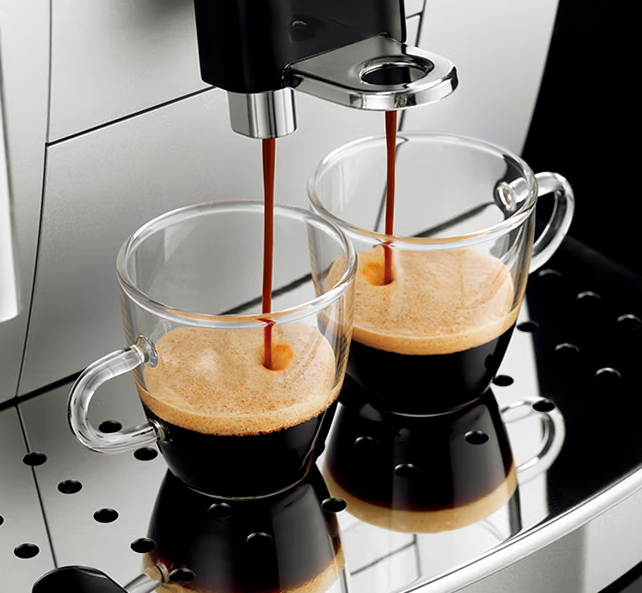
Modern households have increasingly high standards for coffee quality, and fully automatic coffee machines are widely favored for their simplicity and instant enjoyment. With just a touch of a button, the machine automatically completes the entire process from grinding coffee beans to extracting coffee liquid, significantly lowering the barrier to using pour-over or semi-automatic equipment. Whether you're a busy office worker or a household user seeking convenience, this type of equipment allows you to quickly enjoy a cup of richly aromatic coffee.
Home fully automatic coffee machines can generally be divided into two main types: traditional models that use whole coffee beans, and integrated designs that rely on pre-ground coffee or capsules. The former preserves the original flavor of the beans, making it suitable for users who appreciate layered taste profiles; the latter excels in convenience, ideal for scenarios requiring fast service. It's worth noting that traditional fully automatic models usually offer more flexible parameter adjustment options—such as grind size, extraction pressure, and water temperature control—to further enhance the expressiveness of coffee flavors.
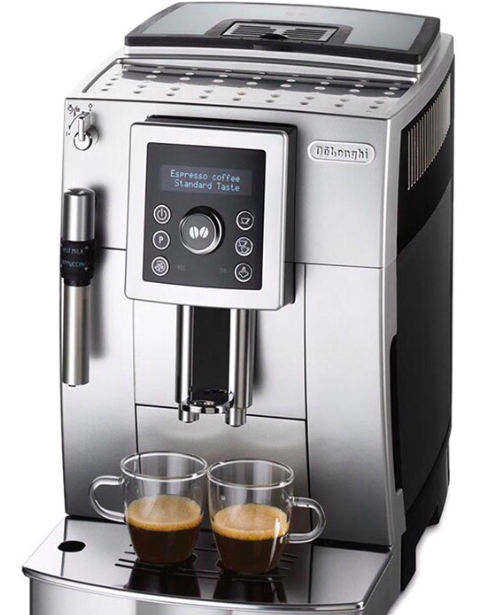
Before using a fully automatic coffee machine for the first time, it’s recommended to complete the following preparations: First, ensure the machine is clean—especially wash the water tank and coffee grounds container to prevent residues from affecting the flavor of the first cup. Second, choose coffee beans based on your personal taste: single-origin beans are suitable for those who enjoy fruity and floral notes—beans from high-altitude regions often carry bright citrus or berry aromas; Italian-style blends are known for their rich and balanced taste, perfect for consumers who prefer a bold flavor. In addition, pre-fill the water tank to about three-quarters full to ensure a stable water flow during extraction.
In terms of operation, after starting the machine, wait for the self-check to complete, then adjust parameters via the control panel. Common options include cup size, water temperature settings, and grind fineness. Some high-end models even offer dual-cup modes and steam wand temperature control. Be especially aware that certain models, due to structural limitations, only support grinding coffee beans and cannot use pre-ground coffee or capsules. It's advisable to choose a model with compatible bean hopper and ground coffee compartment designs to expand usage flexibility according to your actual needs.
When actually making coffee, first pour coffee beans into the bean hopper to about 80% full (most models have a capacity of 400 grams), and fill the water tank to the marked water level line. After selecting your preferred drink type and pressing the corresponding button, the machine will automatically perform the grinding, tamping, and extraction process. During brewing, it’s recommended to observe the machine’s operation to ensure the coffee liquid flows smoothly and there are no unusual noises. After brewing, you can add milk or sugar to taste—for example, use freshly steamed milk foam to enhance the flavor layers of a latte or cappuccino.
Daily maintenance is key to extending the machine’s lifespan. Clean the coffee grounds container promptly after each use, and regularly rinse the extraction system with a dedicated cleaner to prevent residue buildup from affecting flavor. For long periods of non-use, it’s recommended to empty the water tank and remove any remaining coffee beans, while wiping the exterior and spout with a damp cloth. Some models come with an automatic descaling function, which can be performed every 1–3 months depending on usage frequency to ensure unobstructed water flow through deep cleaning.
In summary, selecting and using a home fully automatic coffee machine requires a comprehensive consideration of convenience, flavor preferences, and budget. With proper operation and regular maintenance, even beginners can easily brew drinks at home that approach the quality of professional café beverages—enjoying each cup of your own unique, aromatic coffee moment.
The above content is compiled by CoffeeHunters, a coffee news website.


