







Introduction:Explore the unique charm of Sumatra Mandheling coffee—from the origin of the name "Mandheling," the terroir shaped by Sumatra’s volcanic landscape, to the bold herbal and spicy notes brought by the wet-hulling process. Learn about the grading standards of Golden Mandheling, how it differs from regular Mandheling, and get practical brewing and tasting tips to dive deep into the essence of this classic Southeast Asian-flavored coffee.
When it comes to premium Asian coffee, Sumatra Mandheling is almost universally recognized as a classic representative. This Arabica coffee from Indonesia’s Sumatra Island, with its post-dark-roast notes of pine, herbs, spices, and dark chocolate, has long been beloved by coffee enthusiasts worldwide. This article will delve into the origins of the name "Mandheling," the geographical and climatic features of the Sumatra region, and the wet-hulling process that gives it its distinctive flavor. We’ll also compare Mandheling with Golden Mandheling, introduce the stringent selection criteria of the PWN company, and offer cupping insights and practical brewing suggestions for drip bags—whether you’re new to Mandheling or a coffee enthusiast looking to explore specialty-grade beans, you’ll find valuable takeaways here.
The name "Mandheling" actually stems from a historical anecdote. During World War II, a Japanese soldier tasted an amazing coffee in an Indonesian café and asked the shop owner for the name of the coffee. Mistaking the question for one about his origin, the owner replied "Mandheling" (referring to the Mandailing ethnic group). After the war, the Japanese soldier recalled that richly flavored coffee and assumed the name was "Mandheling." In 1968, a Japanese businessman imported 15,000 kilograms of Sumatra Mandheling coffee from the Dutch-owned N.V. Pawani Medan company in Indonesia, which became extremely popular in the Japanese market. Since then, "Mandheling" has become synonymous with Sumatran Arabica beans and gained widespread recognition.
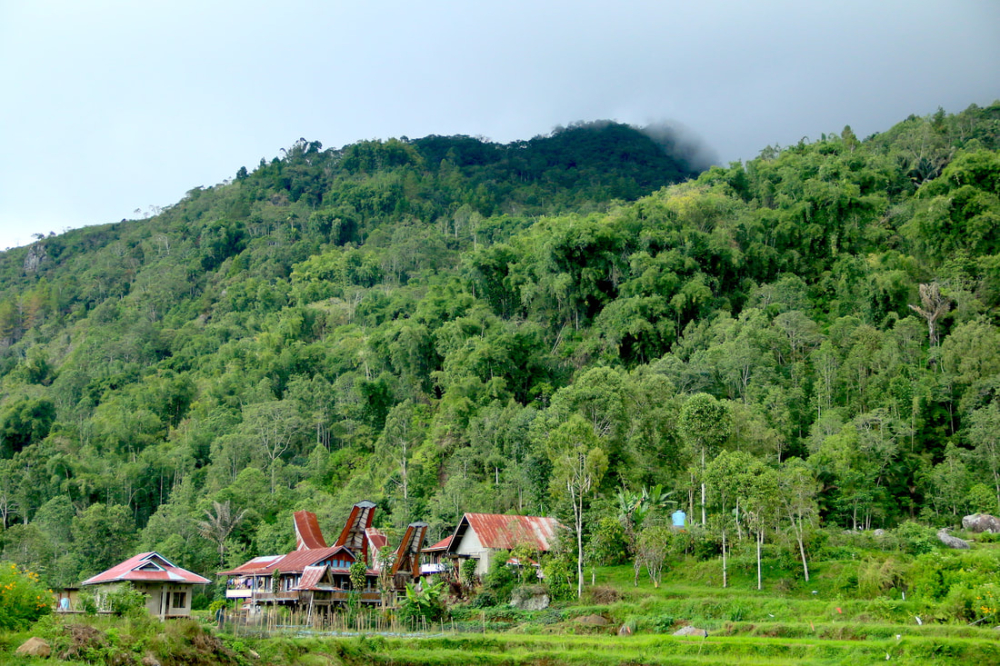
As the "Country of a Thousand Islands," Indonesia’s coffee cultivation dates back to 1696. The industry is dominated by smallholders who rely heavily on manual harvesting and organic farming practices. While coffee is grown across Indonesia’s many islands, Sumatra—particularly North Sumatra Province and Aceh Province—is the most renowned Arabica-producing region. These areas are known for their volcanic topography, surrounded by Lake Toba and Lake Tawar, with fertile volcanic soils and a tropical rainforest climate. The high elevation (approximately 1,200 to 1,800 meters) contributes to the famous full-bodied base and rich aroma of Mandheling coffee, such as buttery, chocolatey, and earthy notes, which have long been favored by the Japanese market.
One of the key factors behind Mandheling’s distinctive flavor is Indonesia’s unique "wet-hulling process" (also called Wet Hulling). Indonesia’s year-round hot and humid climate, with frequent heavy rainfall and humidity often reaching 70%–90%, and an average annual rainfall exceeding 2,000 mm, makes prolonged sun-drying processes—common in Africa—less feasible. Traditional washed processing is also difficult to widely adopt due to its time-consuming and labor-intensive nature. As a result, farmers developed the wet-hulling method, a semi-washed process adapted to high-humidity environments.
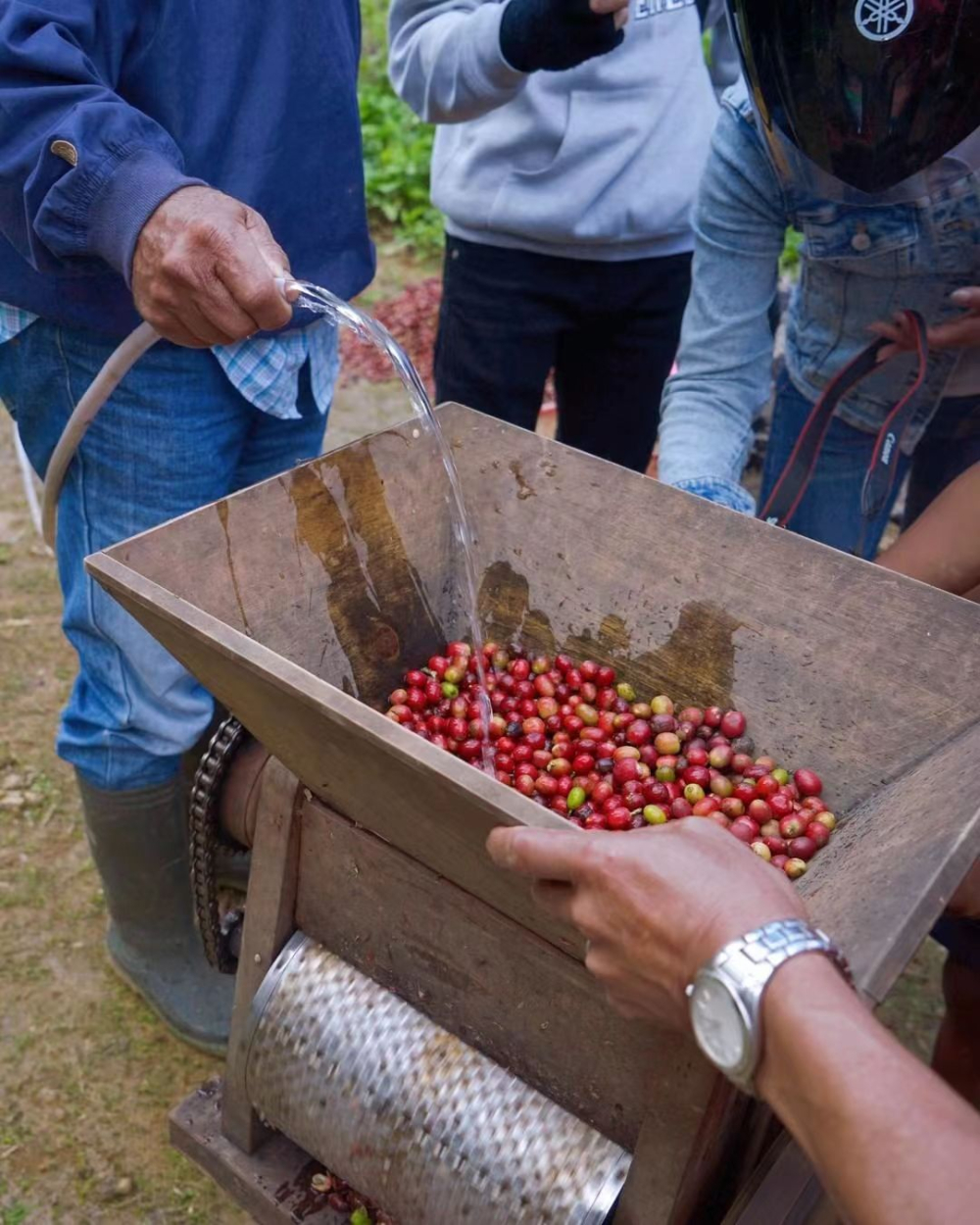
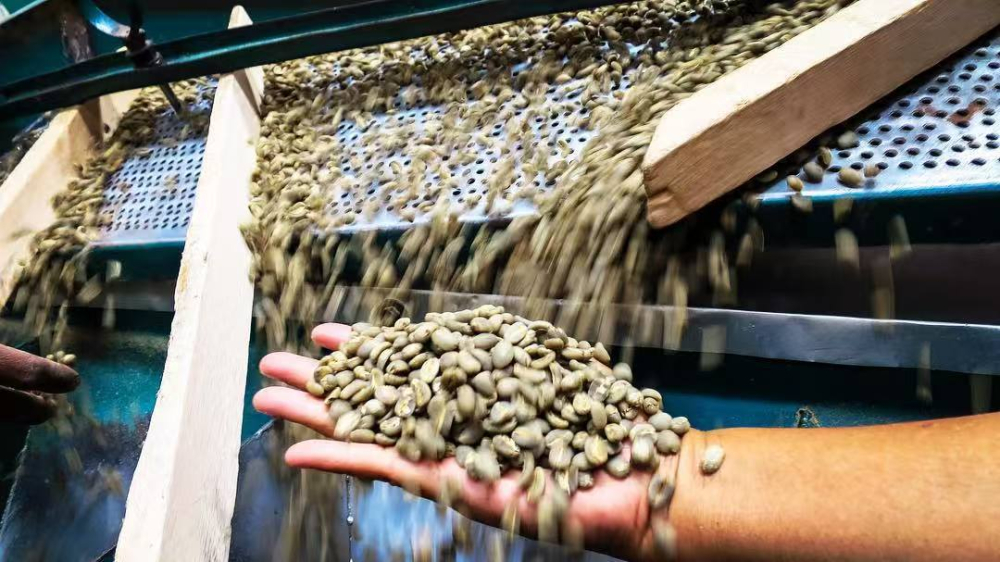
The specific process is as follows: first, the skin and pulp of the coffee cherry are removed, and the beans, still coated with some mucilage, undergo a short fermentation for several hours, followed by rinsing with clean water to remove the sticky residue. Next, the parchment-covered beans are dried only to a moisture content of around 30%–40% (taking about 2–3 days), then sent to a processing facility for hulling. At this point, the beans are still semi-dry, and the hulling machine, under high friction, removes the parchment layer—which is still partially attached to the green bean. This often leads to white or greenish slime on the bean surface, softens the beans, turns them pale or even swollen, and gives them a grayish-green appearance. Because the beans are prone to damage during processing—resulting in what is called "elephant foot" beans—and due to the moist environment and microbial activity, Mandheling ultimately develops its signature bold woody, spicy, and herbal flavors.
If you want to get a preliminary taste of Sumatra Mandheling’s flavor profile, we recommend starting with regular Lintong region commodity beans. These beans are mostly processed using the wet-hulling method, are affordably priced, and showcase the classic Mandheling profile. For coffee enthusiasts seeking higher quality, "Golden Mandheling" is the premium choice.
The origins of Golden Mandheling are closely tied to the Indonesian trading company PWN (Pusat Niaga Wangi). Established in 1957 and run by a Chinese-Indonesian family, the company is headquartered in Medan, North Sumatra. Initially focused on exporting goods like rubber and spices, it later became a major exporter of premium Sumatra coffee. PWN is the primary supplier of Mandheling coffee to the Japanese market and has established its own strict selection system to ensure exported beans are large, plump, and low in defects.
PWN’s selection criteria for Golden Mandheling are extremely rigorous, requiring one mechanical sort and three rounds of hand-picking, with the following requirements: green beans must be 18–19 mesh or larger; a 300-gram sample must contain fewer than 3 defective beans; the grade must be G1 (Indonesia’s highest grade); and the beans must be dark green in color, uniform in size, and intact in shape. Additionally, PWN is the original registrant of the "Golden Mandheling" trademark, so only beans produced by PWN can be called authentic Golden Mandheling. Similar products in the Japanese market can only be labeled as "Dingshang Mandheling." Genuine products can be identified by the PWN logo on the sack and the accompanying certificate of origin—details worth noting when purchasing.
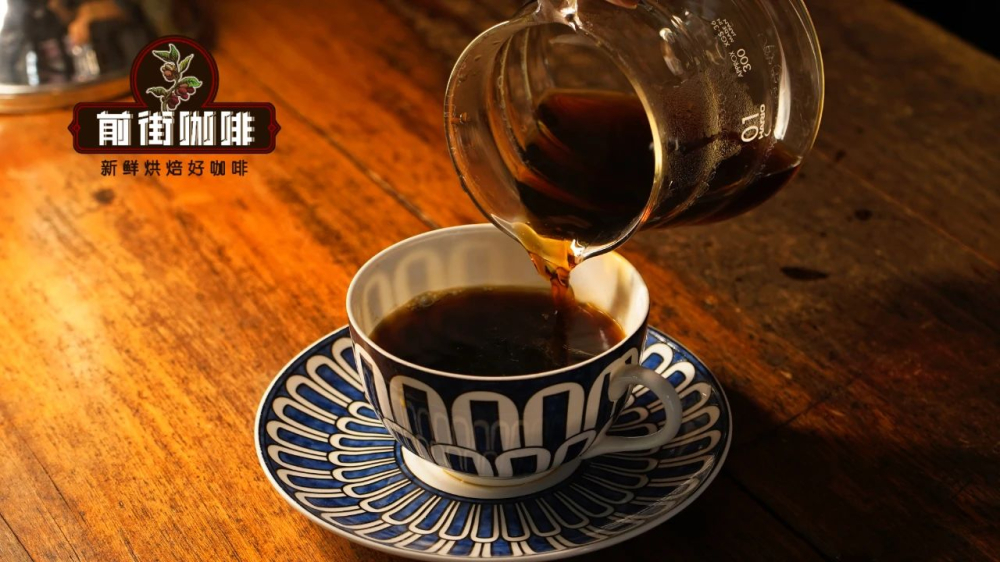
In terms of flavor, we conducted cuppings of both Lintong Mandheling commodity beans and PWN Golden Mandheling. The Lintong Mandheling showed strong nutty tones with a hint of melon aroma in the aftertaste, and more pronounced herbal notes as the temperature dropped, delivering a full-bodied and aromatic cup overall. Golden Mandheling, on the other hand, offers more layers, with additional aromas of dark chocolate, nuts, caramel, along with herbal spices and pine notes. The dark chocolate finish is particularly distinct, and the cup is clean with a soft fruity acidity that emerges as the temperature changes—making it a must-try for specialty coffee lovers.
If you prefer a convenient brewing method, Mandheling drip bags are also a great option. However, note that because drip bag coffee grounds have a large surface area exposed to air, the aroma can dissipate easily. It’s recommended to choose freshly roasted beans and enjoy them within 5 days of receipt. If you’re dissatisfied with the brew, it’s usually more due to water temperature and technique than the beans themselves.
Recommended brewing method: Prepare 10 grams of drip bag coffee (yields approximately 120–130 ml of coffee), and boil water. Tear open the outer pouch of the drip bag, cut along the dotted line to open the non-woven bag, gently shake to settle the coffee grounds at the bottom, then hang the drip bag on the rim of your cup. First, pour a small amount of hot water (about 30 ml) to bloom for 10–20 seconds, helping release gases and stabilize subsequent extraction. Then, pour water steadily in a small stream until the water level nears the top edge of the drip bag. Once the coffee has dripped through, pour again until the bag is full, for a total of about 150 grams of water. Wait for the dripping to finish, and enjoy a well-rounded cup of Mandheling coffee.
The above content is compiled by CoffeeHunters, a coffee news website.


