







Introduction:Take an in-depth look at the historic Hacienda Kotowa in Panama’s Boquete region, and discover how this century-old coffee family has thrived since the late 19th century. This feature focuses on the renowned Duncan Estate, which produces the sun-dried Catuaí coffee beans. In addition to introducing the growing environment, processing techniques, and farm history, we also share detailed cupping flavor profiles and practical pour over parameters and steps to help you better master the brewing essentials of this popular bean.
Located in western Panama, surrounding the majestic Barú Volcano, Hacienda Kotowa is a well-known family-run estate deeply rooted in coffee history. Tracing back to the late 19th century, a Canadian immigrant named Alexander Duncan MacIntyre serendipitously arrived in Panama, thus beginning what would become a fourth-generation coffee empire.
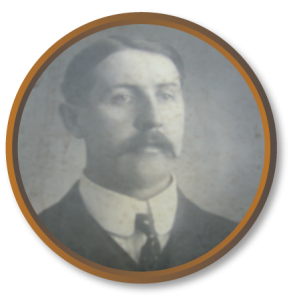
Born in 1873, Alexander and his elder brother Joseph Albert McIntyre initially ran a fruit trading business and gradually entered politics. Alexander even became the youngest mayor of Port Alberni. In 1916, his brother Joseph purchased a farm in the Boquete region of Panama called Finca Carolin. Though he stayed only briefly, he was deeply impressed by the area. Inspired by his brother’s descriptions and media reports, Alexander decided to emigrate to Panama in 1925. He married a local woman, Angela Rosas, selected a site for cultivation, renamed the farm “La Carolina,” and built the first small coffee processing facility, laying the foundation of the Kotowa coffee legacy.
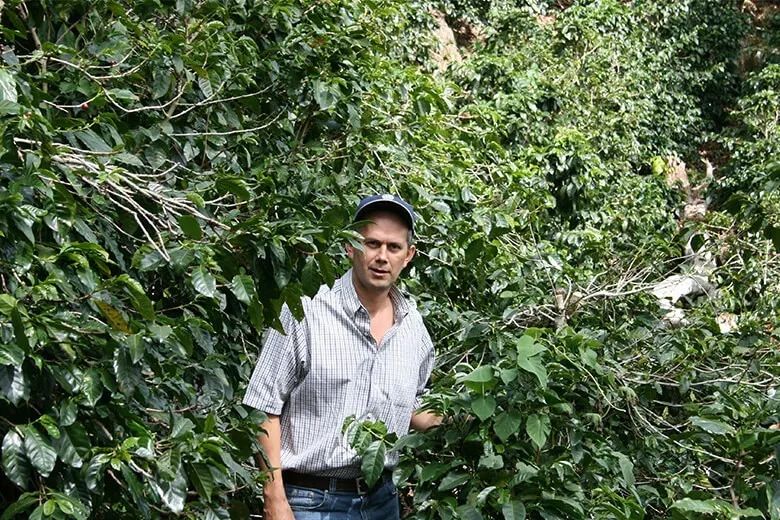
The area where Hacienda Kotowa is located lies at the foot of the Barú Volcano and enjoys a typical high-altitude microclimate. The region features dense vegetation, significant day-night temperature variations, mineral-rich volcanic soil, and abundant rainfall formed by Atlantic moisture at high altitudes—especially ample sunshine even during the dry season—providing nearly ideal conditions for coffee tree growth. The general planting altitude ranges between 1650 and 1750 meters, which is perfect for classic varieties such as Catuaí to shine.
Today, Hacienda Kotowa is managed by the third generation of the family: Ricardo Koyner and his daughter Victoria. Ricardo is not only the farm manager but also one of the founders of the Panamanian Specialty Coffee Association (SCAP), serving as its first president, and has made great contributions to promoting the internationalization of Panamanian coffee.
Since the 1990s, Panamanian coffee farmers have faced increasing market competition, prompting active efforts toward transformation. Thanks to the efforts of many farmers, the Panamanian Specialty Coffee Association was officially established in 1996 with the goal of improving the overall quality and international visibility of local coffee. Riding this wave, Ricardo decided to brand the family farm, officially naming it “Café Kotowa Farms,” retaining the family’s traditional processing facilities while adding roasting and brand retail operations to bring “Kotowa”-branded coffee directly to markets in Europe and the United States.
Inside Kotowa’s processing plant, there is still a set of historically significant wooden gear and leather drive equipment powered by water flow. This ancient yet ingenious design was quite advanced in the resource-limited early days and is still fully preserved on the estate, serving as an important window for visitors to learn about the history of coffee development in Panama.
Hacienda Kotowa currently has a total of seven farms, five of which are well-known among coffee enthusiasts: including Finca Kotowa DUNCAN (Duncan Estate), Finca Kotowa Don K (Don K Estate), Finca RIO CRISTAL (Crystal River Estate), Finca Kotowa TRADICIONAL (Traditional Kotowa Estate), and Finca Kotowa LAS BRUJAS (Witch Estate). There are also two newer farms, Mango and Redondo, whose coffees have not yet been released to the market.
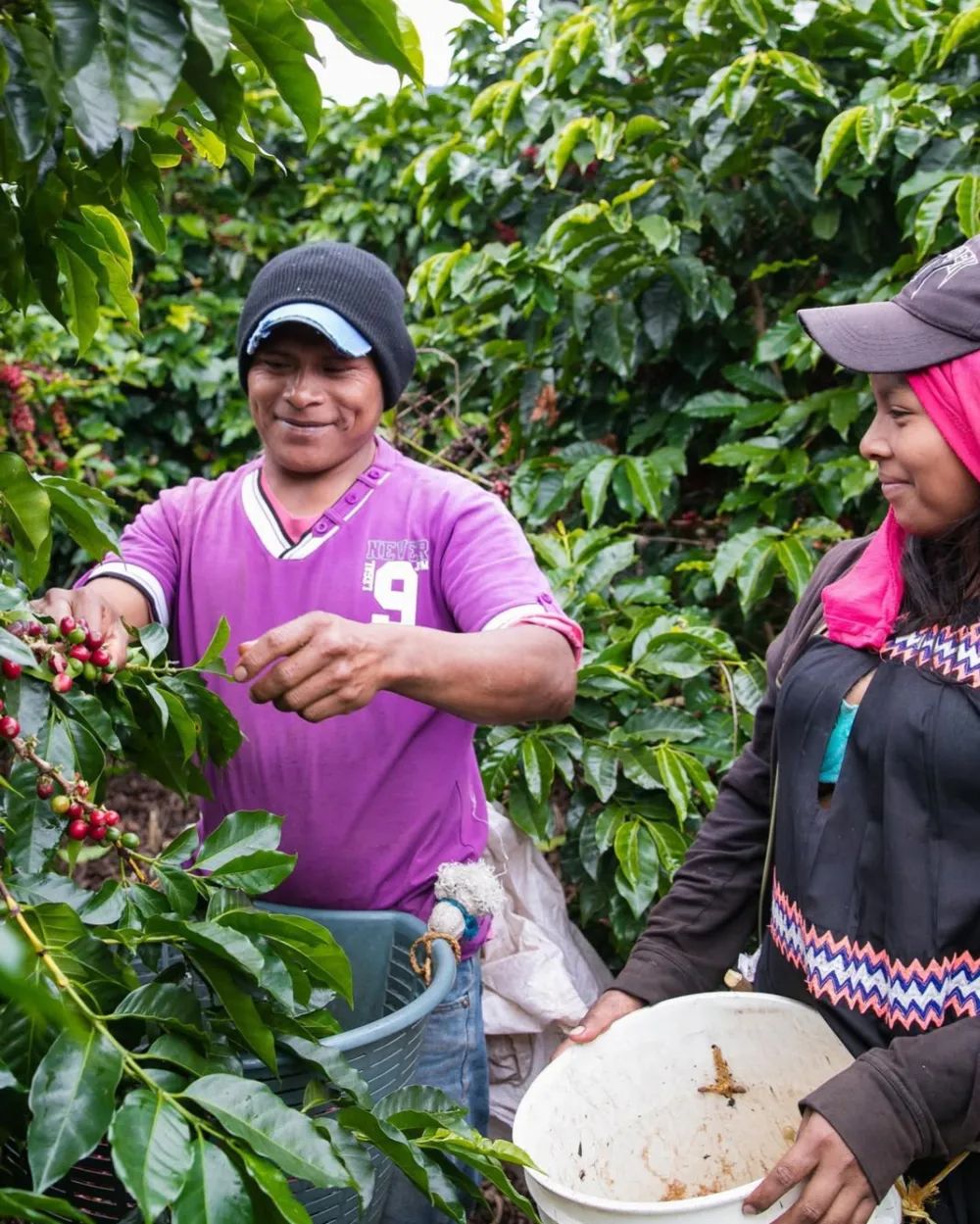
The word “Kotowa” originates from the Ngäbe language of the indigenous people and means “high mountain.” The estate’s logo is inspired by the Gnobe Bugle (also known as Guaymíes), the indigenous group primarily responsible for coffee harvesting in the area—they are indispensable contributors to Panama’s coffee industry.
To honor the founding figure, Duncan Estate is named after Ricardo’s grandfather, Alexander; Don K pays tribute to his father, Richard Koyner—the title “Don” in Spanish means “Mr.” and symbolizes honor. Witch Estate is named after the stream in front of the farm, whose sound resembles a witch’s whisper, adding an air of mystery in the dense forest; while Crystal River Estate gets its name from the crystal-clear, sparkling water surface under sunlight.
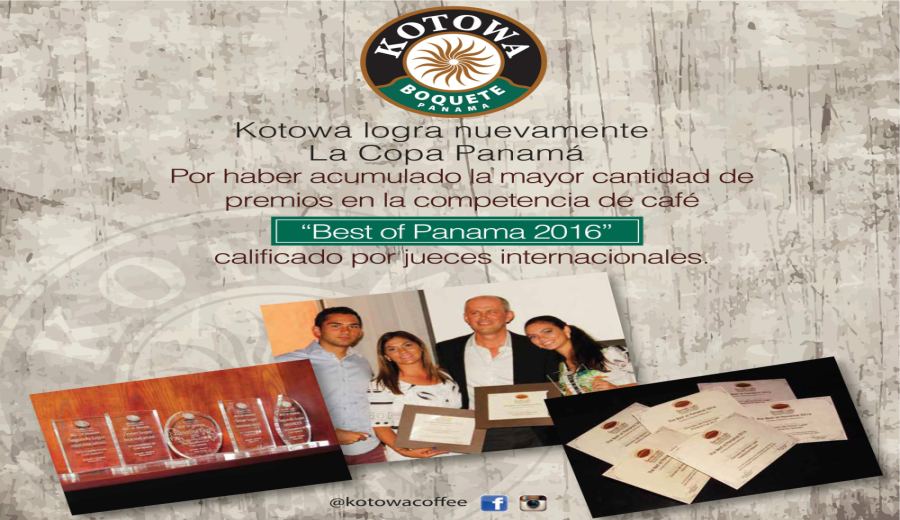
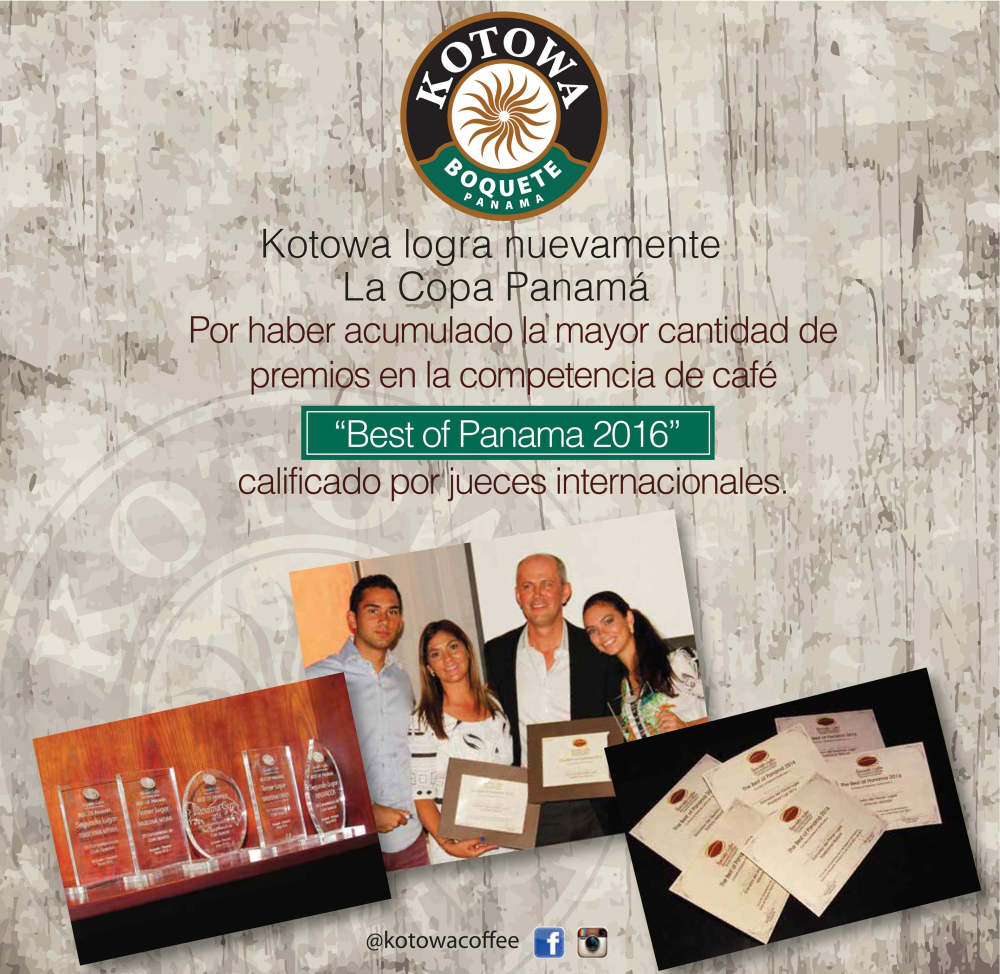
Among all the estates, Duncan Estate and Witch Estate have gained widespread attention for winning numerous national and international coffee competitions and are often the gateway choices for many coffee lovers getting to know the Kotowa brand. The star of this feature is the sun-dried Catuaí variety produced by Duncan Estate.
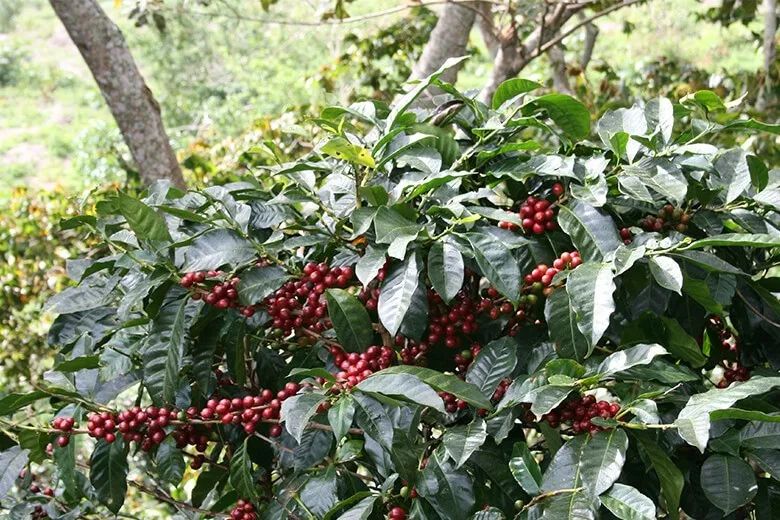
It is understood that to fully showcase the floral-fruity notes and sweetness layers of Catuaí, Hacienda Kotowa maintains extremely strict harvesting standards, selecting only wine-red, fully ripe coffee cherries, and quickly proceeding with post-harvest processing to avoid over-fermentation affecting flavor purity.
When cupping this sun-dried Catuaí, a medium-light roast was chosen to preserve its bright acidity and delicate fruity aroma characteristics. During cupping, this coffee exhibits intense floral and dried fruit aromas, with sweet scents reminiscent of cranberries, cherries, and grapes detectable in the dry fragrance stage.
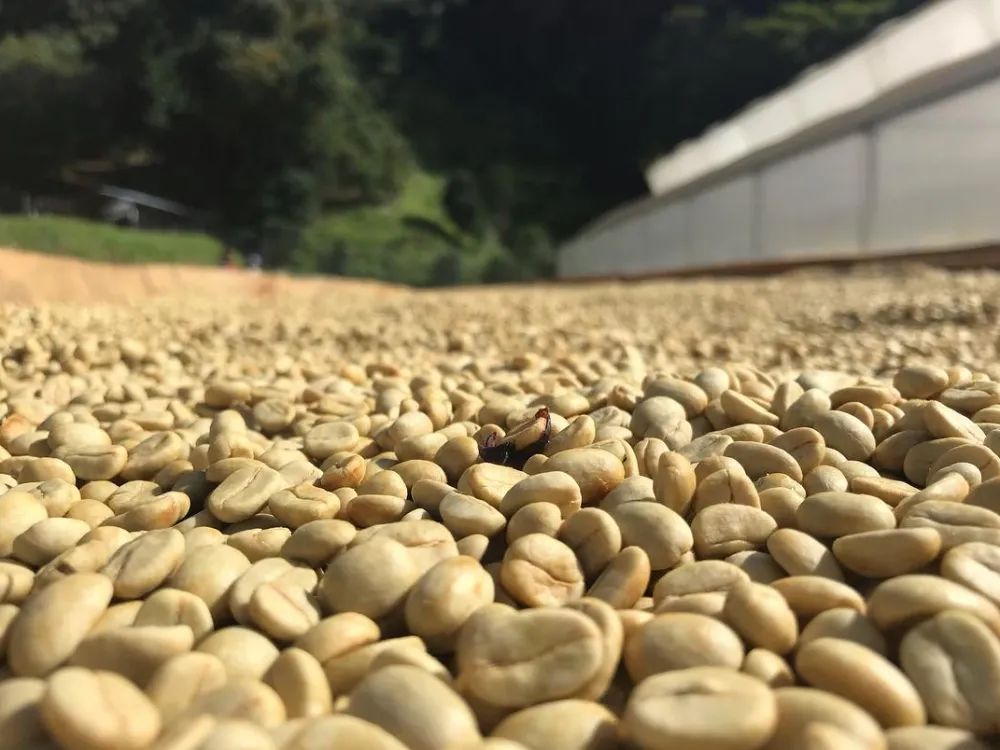
Upon sipping, the dominant flavors include ripe plums, grapes, and sweet plums, accompanied by a honey-like smooth sweetness. As the temperature drops, the tangy sweetness unique to hawthorn gradually emerges, along with a hint of complex fermented fruit wine notes in the finish, adding layers and depth to the overall flavor profile.
The main parameters of this Duncan Estate · Sun-Dried Catuaí are as follows:
- Country of origin: Panama
- Region: Boquete · Duncan Estate
- Variety: Catuaí
- Elevation: 1650~1750 meters
- Processing method: Sun-dried
- Flavor profile: Floral, dried fruit, plum, hawthorn, fermentation notes
- Filter: V60
- Water temperature: 91°C
- Coffee dose: 15 grams
- Coffee-to-water ratio: 1:15
- Grind size: Fine sugar consistency (approximately 80% passing through a #20 sieve)
- First pour: add 30 grams of water and bloom for 30 seconds;
- Then pour 95 grams of water (total around 125 grams), completed within about 1 minute;
- When the water level drops to 2/3 of the coffee bed, pour the remaining 100 grams of water (total around 225 grams), completed within about 1 minute and 35 seconds;
- Total extraction time is about 2 minutes and 10 seconds, then remove the filter once dripping is complete.
For this medium-light roasted bean suitable for pour over, the following parameters are recommended to fully highlight its floral, fruity, and sweet characteristics:

Suggested specific pour over steps are as follows:
Please note that after roasting, the coffee beans require approximately 4 to 7 days of resting period for residual CO₂ to dissipate, after which they enter their peak flavor phase. It is recommended to brew only freshly roasted beans within 5 days for optimal aroma and taste performance.
The above content is compiled by CoffeeHunters, a coffee news website.


