







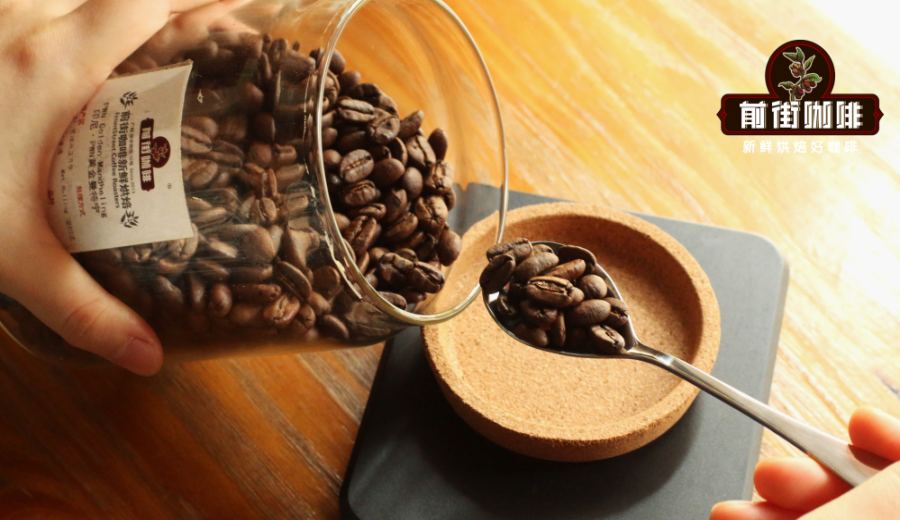
Introduction:Indonesian Mandheling coffee is renowned for its unique spicy notes and rich body, with Golden Mandheling and Lintong Mandheling being especially popular topics among enthusiasts. This article delves into the regional backgrounds, variety evolution, wet-hulled processing characteristics, and offers a detailed comparison of flavor profiles and pour-over brewing parameters to help readers understand the differences and find their ideal choice.
Mandheling coffee has long been a favorite among coffee lovers due to its intense spices, herbal aromas, and full-bodied taste. Among the various origins and processing methods, Mandheling from Sumatra, Indonesia, stands out uniquely, with Golden Mandheling and Lintong Mandheling being two classic varieties often compared. This article provides a comprehensive analysis, covering name origins, regional distribution, variety development, wet-hulling processing, as well as the actual flavor performance and pour-over recommendations for both beans.
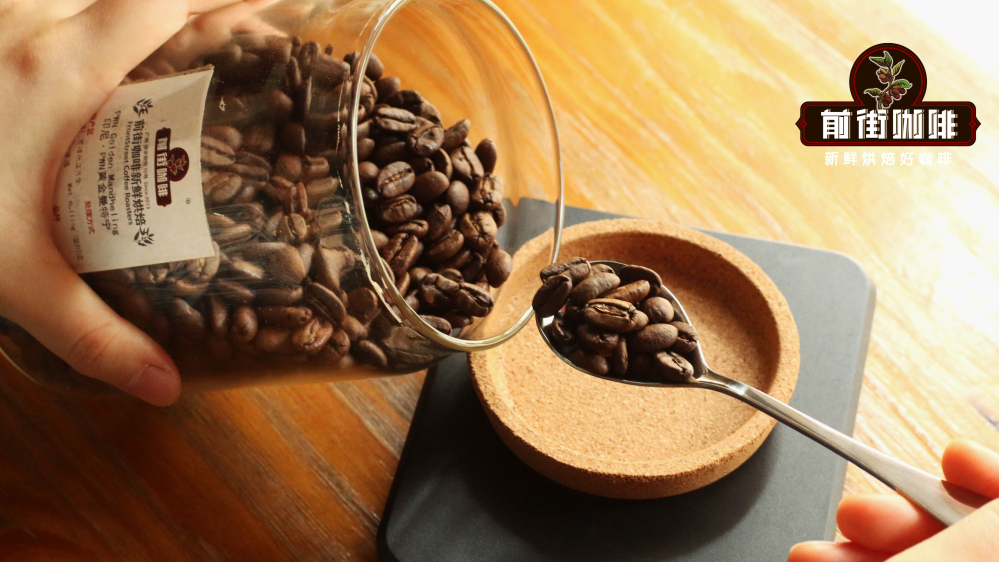
When it comes to Mandheling, many may not know that this name stems from an interesting misunderstanding. It is said that after World War II, Japanese soldiers returned home and couldn’t forget Indonesian coffee, so they sought high-quality beans through traders. When asked about the name of the beans, locals mistakenly thought they were being asked about the origin and answered "Mandailing," which was heard as "Mandehling"—thus the name Mandheling was born. Notably, the local who provided the beans was the person in charge of Pwani Coffee Company, which later became known for producing the famous PWN Golden Mandheling.
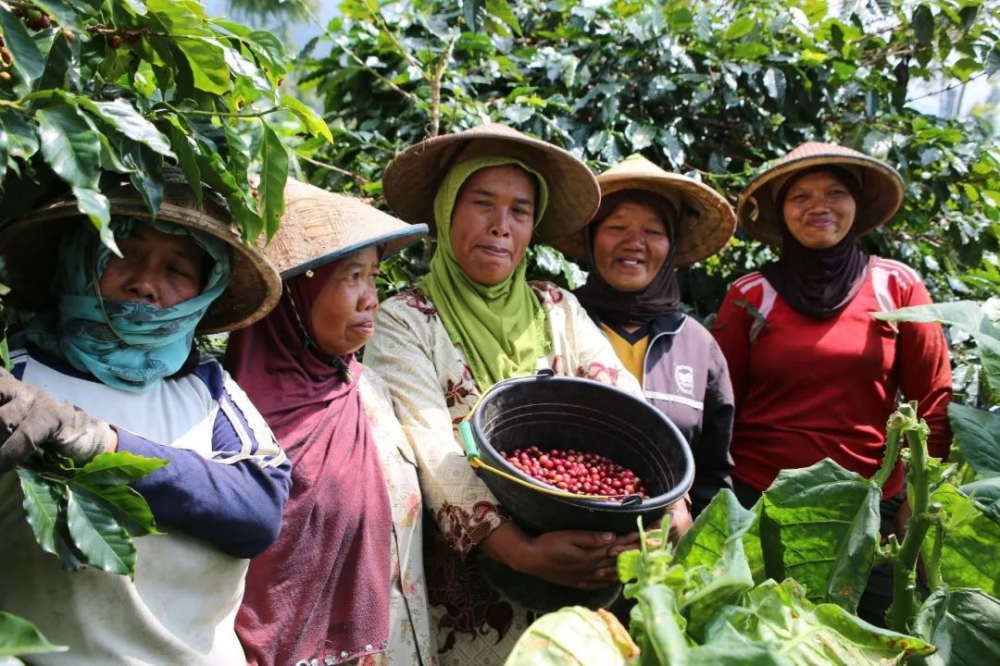
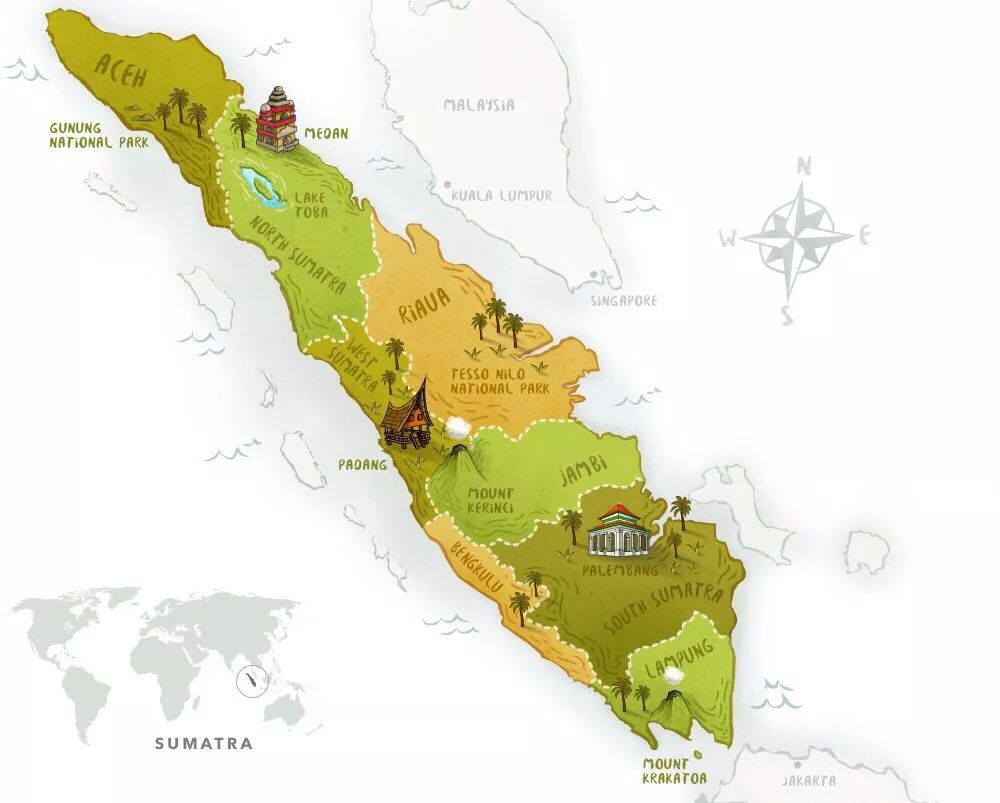
Indonesian Mandheling is mainly produced on the island of Sumatra, a vast tropical rainforest climate island that is hot, humid, and rainy—making it one of the ideal environments for growing Arabica coffee. However, due to altitude limitations, only about 25% of Indonesia’s coffee is Arabica, with the rest mostly being Robusta, which thrives at lower altitudes. The high-altitude regions of northern Sumatra, however, nurture the most representative Lintong Mandheling, which typically comes from a small specific micro-region within the Lintong administrative area and boasts a very distinct regional identity.
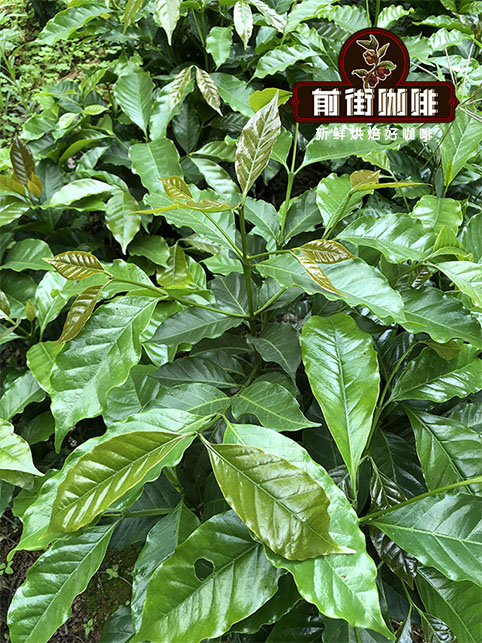
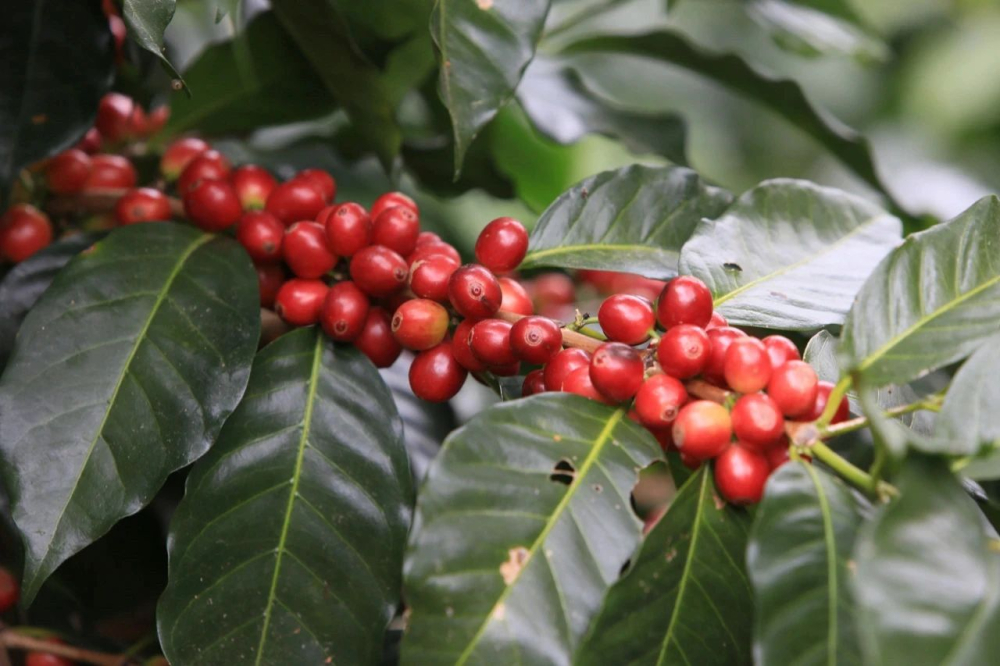
In terms of variety, traditional Mandheling often uses Typica, an ancient variety originating from Ethiopia, known for its delicate and elegant flavors but also for its susceptibility to disease and low yield, gradually being replaced by other varieties. Starting in 2020, Indonesian PWN Company stopped using Typica and switched to the Ateng variety to produce Golden Mandheling—that is, the well-known Catimor—a hybrid of the Robusta variety Timor and Caturra. Ateng offers disease resistance and high yield advantages, but its flavor is usually more straightforward, with the downside of a shorter lifespan and the need for careful management.
Typica offers delicate acidity and aroma but is prone to leaf rust, making it suitable for regions that prioritize flavor complexity; Ateng (Catimor), on the other hand, is more commonly found in commercial cultivation due to its disease resistance and high-density planting advantages, suitable for large-scale production. The two differ significantly in flavor expression and cultivation requirements, directly influencing the final personality of the coffee.
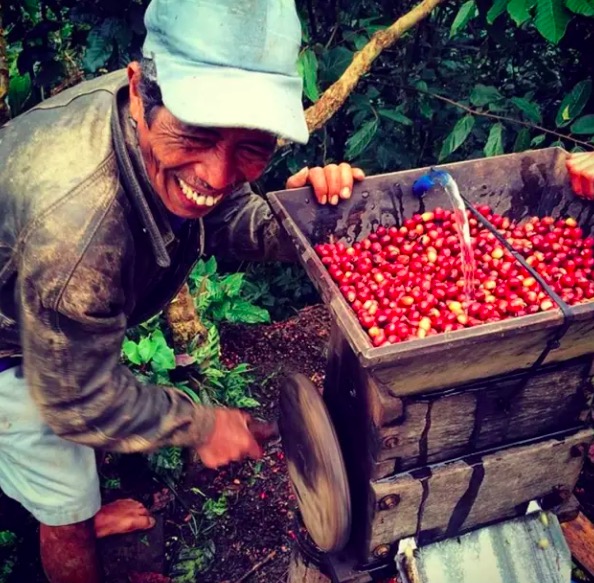
The unique flavors of Indonesian Mandheling are largely attributed to its distinctive “wet-hulled” processing method. Developed in response to Sumatra’s rainy climate, this method is neither traditional washed nor natural drying but involves removing the outer layer while the pulp is still semi-wet, accelerating the drying process. Because the beans are prone to compression during processing, they often form what is known as the “elephant ear” shape—a common characteristic of Mandheling, not a defect.
Wet-hulling is mainly divided into two stages: first, the skin and flesh are removed, followed by brief fermentation and initial drying to a moisture content of 30–50%; then the mucilage and parchment layers are removed, with drying continued until 12–13%. There is also an advanced “aged wet-hulling” method, where processed beans are stored for 2–3 years, allowing acidity to transform into sweetness, the color to darken to deep brown, resulting in a deeper and more complex flavor profile.
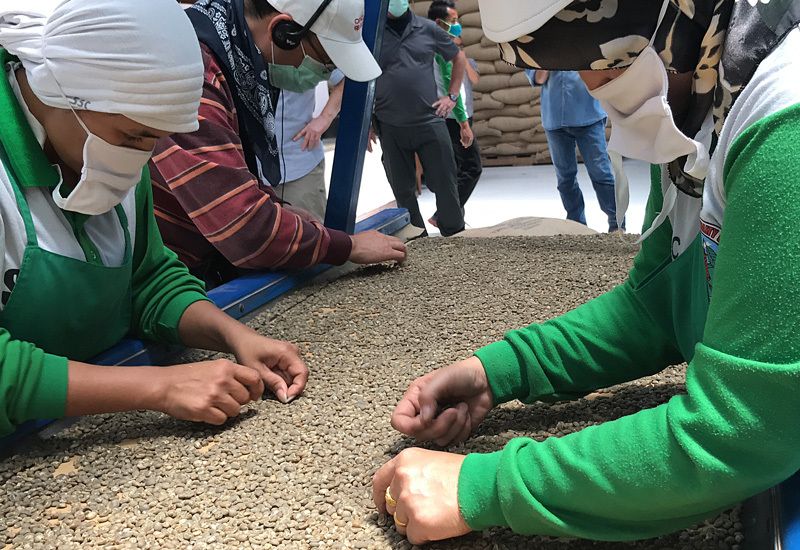
Indonesia’s coffee grading system is primarily based on the number of defective beans and bean size. Generally, the fewer defective beans in a 300g sample, the higher the grade. Among them, G1 is the top grade, indicating very few defects, and such beans are often custom-made for specific markets, such as Japanese customers. The supplied PWN Golden Mandheling belongs to the G1 grade, with no more than 3 defective beans in 300g, representing an extremely strict selection standard.
PWN Company is the driving force behind Golden Mandheling and one of the first brands to introduce this item to the Japanese market. It is said that its name originates from the stunning moment when unblemished green beans shone with a golden luster under sunlight during the selection process. Notably, the name “Golden Mandheling” has been trademarked by PWN, so any so-called “Golden Mandheling” on the market without a PWN certificate or sack marking is likely just marketing language for ordinary Mandheling.
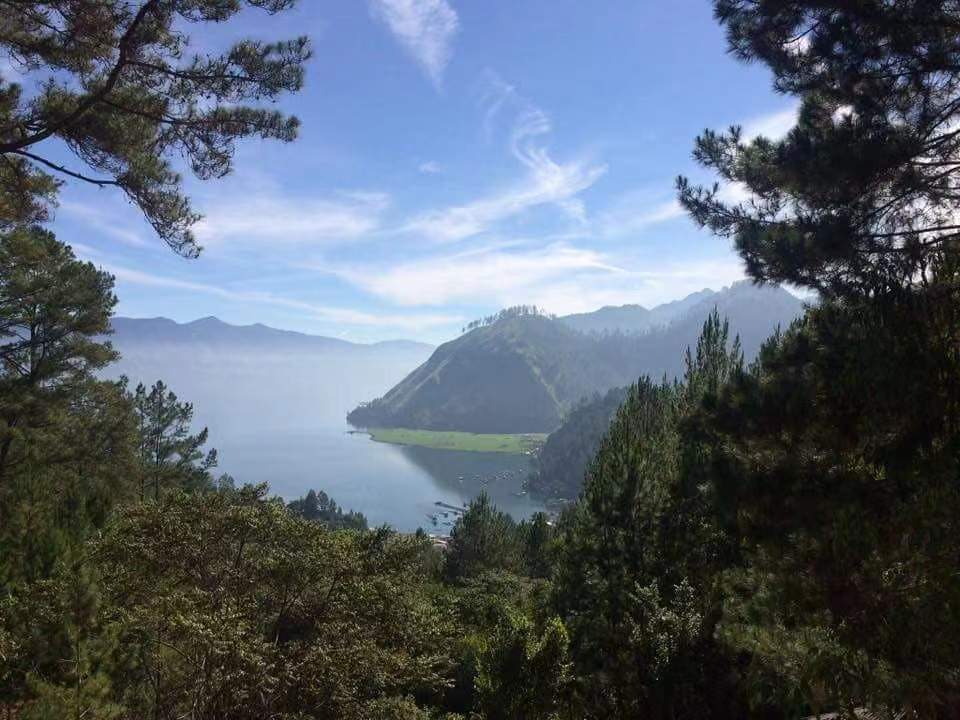
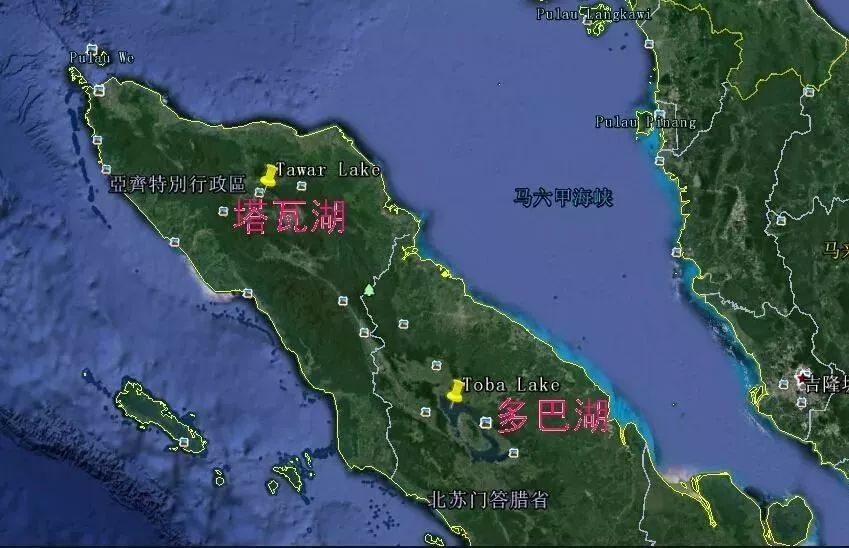
In recent years, PWN has shifted its production region to the Gayo Mountains in the far north of Sumatra, located at the northern tip of the island, surrounding the town of Takegon and the slopes around Lake Tawar, at altitudes between 1100 and 1600 meters. Previously affected by political instability in exports, now that the political situation has stabilized, the coffee quality from this region has drawn significant attention and is generally considered superior to the traditional Lintong region. PWN’s choice to grow Golden Mandheling here also represents a high recognition of the terroir potential of the area.
In terms of actual flavor performance, although both PWN Golden Mandheling and Lintong Mandheling use the wet-hulled method, they present distinctly different characteristics. Golden Mandheling, based on the Ateng variety and undergoing four rounds of manual sorting, delivers a clean and layered flavor profile, often featuring notes of caramel, nuts, pine, and chocolate, with a long-lasting finish and a hint of sugarcane sweetness; whereas Lintong Mandheling mostly uses a blend of Typica and Caturra, with flavors leaning more toward herbs, spices, and dark chocolate, offering a noticeable herbal sensation and toasted bread taste upon entry, with a more restrained sweetness in the aftertaste.
For pour-over recommendations, both beans are suitable for medium-dark roasts, and either Kono or V60 filters can be used. Recommended parameters are as follows: 15g coffee, 1:15 coffee-to-water ratio, water temperature 88°C, grind size with 70–75% passing through a #20 sieve. The brewing technique suggests a staged extraction: start with a 30-second bloom using 30g of water, then pour in small streams up to 125g for the first stage, wait for the water level to drop, then continue pouring up to 225g to finish, with total brew time controlled between 2 minutes 00 seconds and 2 minutes 10 seconds.
In actual tasting, Golden Mandheling performs with more balance and richness, with focused and clean aromas, suitable for those who enjoy clear layers and caramel sweetness; Lintong Mandheling showcases a more primal Indonesian flavor, with distinct herbal and spice notes, appealing to enthusiasts who prefer a bold, vintage style. For beginners to Mandheling, Lintong Mandheling is often considered the go-to entry-level bean due to its affordable price and distinctive regional character.
In summary, the difference between Golden Mandheling and Lintong Mandheling lies not only in origin and variety but also in selection rigor and processing details. Golden Mandheling undergoes multiple screenings for a clean and bright flavor; Lintong Mandheling retains more of the original terroir characteristics, with a coarser yet uniquely distinctive flavor. Either choice can lead drinkers to deeply explore the unique charm of Indonesian coffee.
The above content is compiled by CoffeeHunters, a coffee news website.


