







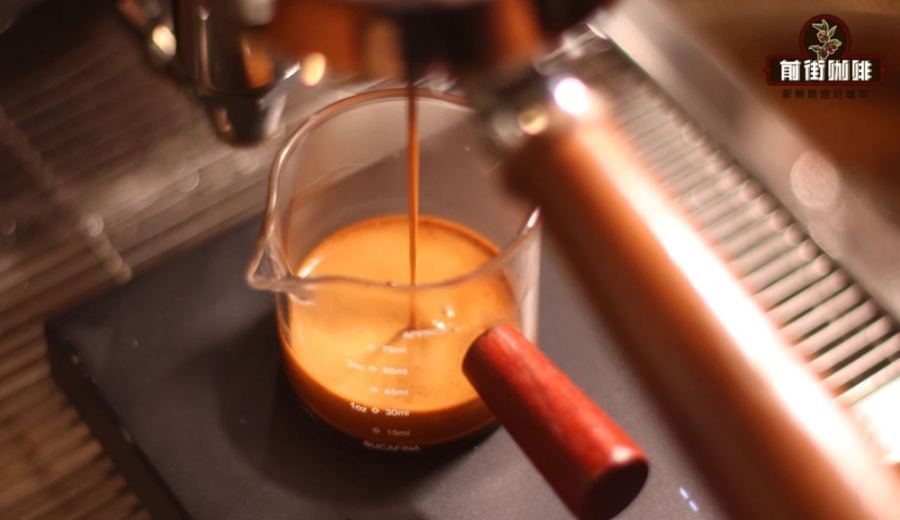
Introduction:Struggling to pull a great-tasting shot of espresso at home? This hands-on tutorial not only breaks down how three key variables—grind size, dose, and yield—affect your espresso extraction, but also explains how to quickly dial in the right parameters using a standard 1:2 brew ratio and extraction time of 25 to 30 seconds. Whether you're a beginner or an experienced coffee enthusiast, you’ll learn efficient adjustment techniques and how to fix common issues like over-extracted bitterness, short aftertaste, and flat flavors. We’ll even share a professional-grade method for making iced americano at the end.
One of the most common challenges when using a home espresso machine is dialing in the espresso extraction parameters. Many people go through several rounds of trial and error, switching beans without success, and still can't pull a balanced shot. Even professional baristas often need multiple attempts to find the optimal settings for a new coffee bean. This article takes a practical approach to help you systematically understand the logic behind espresso adjustments—from the principles behind core variables to actual step-by-step operation—to guide you in finding the right extraction parameters so every shot gets closer to perfection.
To effectively adjust your espresso, you first need to understand which variables have the greatest impact on the extraction result. Commonly adjustable parameters include grind size, dose, yield, water temperature, and pressure. However, if the water temperature and pressure are already within reasonable ranges, they usually don’t require frequent adjustments. The focus should be on the three key elements: grind size, dose, and yield. Among these, grind size is the most directly influential and the one you’ll adjust most frequently—in most cases, simply fine-tuning the grind setting can noticeably improve extraction. Dose is limited by portafilter basket design; too much or too little can affect puck stability. It’s recommended to first confirm the basket's suggested capacity—for example, a common 20g basket typically uses around 20g of coffee to yield 40g of liquid as a baseline. Yield is a key metric that links concentration and extraction yield, and we’ll explain its application further later.
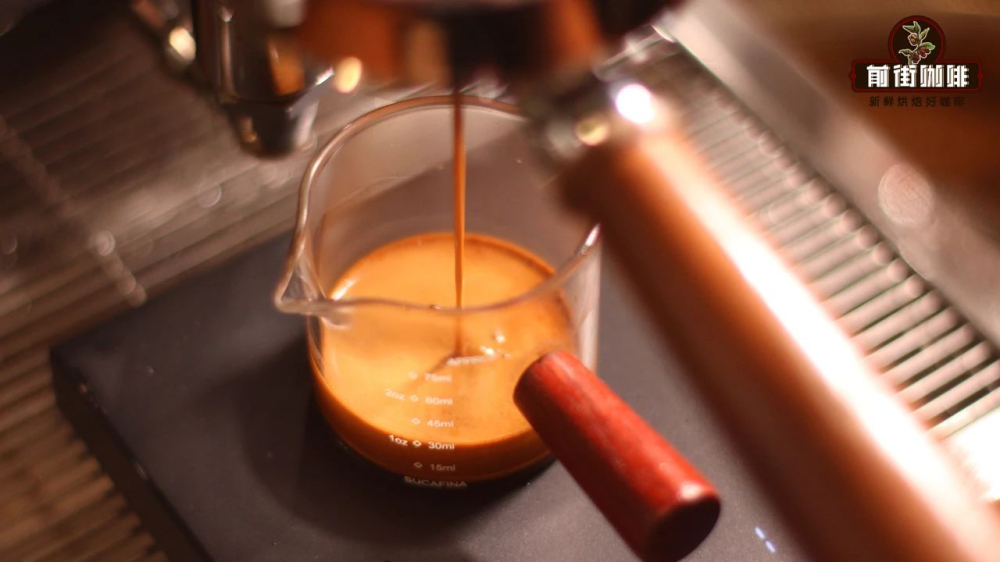
Before making any adjustments, don’t overlook some basic preparatory steps. Otherwise, even the most precise parameters may not reflect the true state of extraction. For instance, uneven distribution of coffee grounds or inconsistent tamping pressure can lead to abnormal flow rates. If there’s too little coffee in the bean hopper, it could also affect the stability of the grind output. Additionally, if the machine isn’t fully preheated, the water temperature and pressure might not have reached the set values—these factors can all interfere with extraction consistency. Therefore, before starting your adjustments, make sure all these aspects are properly handled to accurately assess the impact of parameter changes.
The first step is to choose an initial grind size for a test shot. It’s recommended to start with a 1:2 brew ratio—meaning 20g of coffee grounds to 40g of espresso—and keep the extraction time between 25 and 30 seconds. This range is considered the standard espresso extraction window, balancing both concentration and flavor extraction. On your first attempt, you can visually estimate the grind coarseness and use the observed extraction time and flow rate to preliminarily judge whether the grind setting needs adjustment.
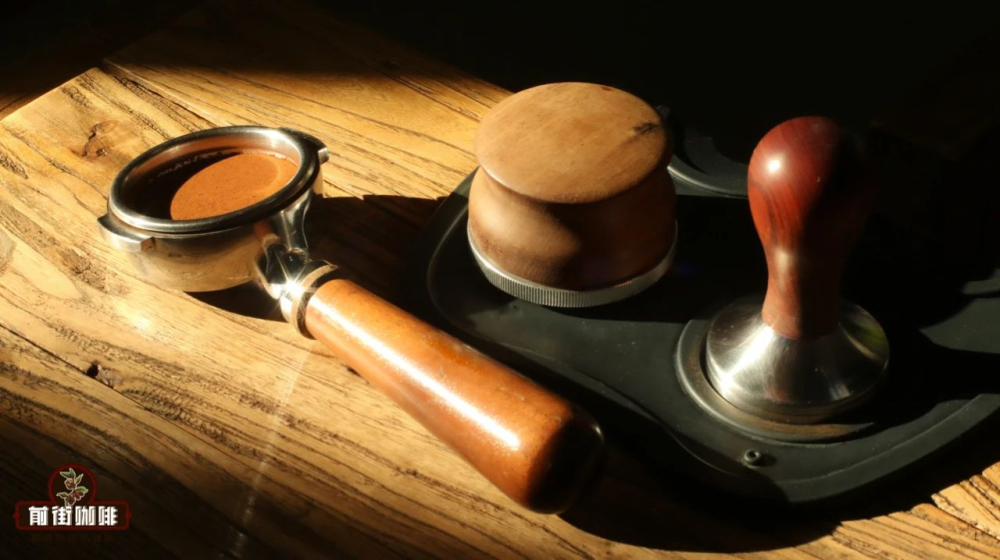
Next, based on the flow rate and time from your first test shot, make fine adjustments to the grind size. If the flow is too fast and the extraction time is under 25 seconds, it means the grind is too coarse—adjust finer. Conversely, if the flow is too slow and the time exceeds 30 seconds, the grind is too fine, so adjust coarser. When adjusting, it’s recommended to make gradual tweaks based on experience. If the time difference is within 5 seconds, adjust the grind setting by 0.2 clicks each time; for larger differences, you can adjust by 0.5 to 1 click at a time. Even if the time suddenly shifts from too long to too short, this process helps you identify the reasonable range for grind size, allowing you to gradually approach the optimal setting.
Once the extraction time aligns with the standard 1:2 brew ratio and 25 to 30-second window, the next step is to further optimize based on actual flavor performance. Even if the parameters fit the standard formula, it doesn’t guarantee ideal flavor—you may still need to fine-tune according to the bean’s characteristics. Below are several common issues and corresponding adjustment strategies: If your espresso tastes bitter and over-roasted but the concentration is acceptable, it may be that the extraction time is still too long—try adjusting the grind coarser. If the bitterness is accompanied by pale, thin crema, it might be due to over-extraction in the tail end—consider reducing the yield, such as using a 1:1.5 or 1:1.7 brew ratio. If the flavors are rich but the aftertaste is short, you can slightly increase the extraction amount by adjusting the ratio to 1:2.5. If the coffee tastes dull and lacks character (and the beans aren’t the issue), it may be because the dose is too high, resulting in a thick puck—try reducing the dose by 0.3 to 0.5g while keeping the yield the same.
It’s important to note that the 1:2 brew ratio and 25 to 30-second extraction time are just reference standards and may not suit all coffee beans. Some beans may perform better at a 1:1.7 ratio, while others may require extending to 36 seconds or shortening to 24 seconds to achieve their best flavor. It’s recommended to adjust parameters flexibly based on actual flavor outcomes, rather than rigidly sticking to fixed formulas.
Once you’ve successfully dialed in a satisfying shot of espresso, why not take it a step further and try a specialty drink like the popular iced americano. The method is very simple: prepare a coffee cup with a capacity of 300ml or more, add 100g of ice cubes, then pour in 180ml of room temperature or cold water, and finally add the freshly extracted espresso shot. Stir gently and enjoy. This iced americano not only highlights the original flavors of the espresso but the addition of ice and water also balances the intense taste—perfect for summer or anyone who prefers a refreshing drink.
The above content is compiled by CoffeeHunters, a coffee news website.


