







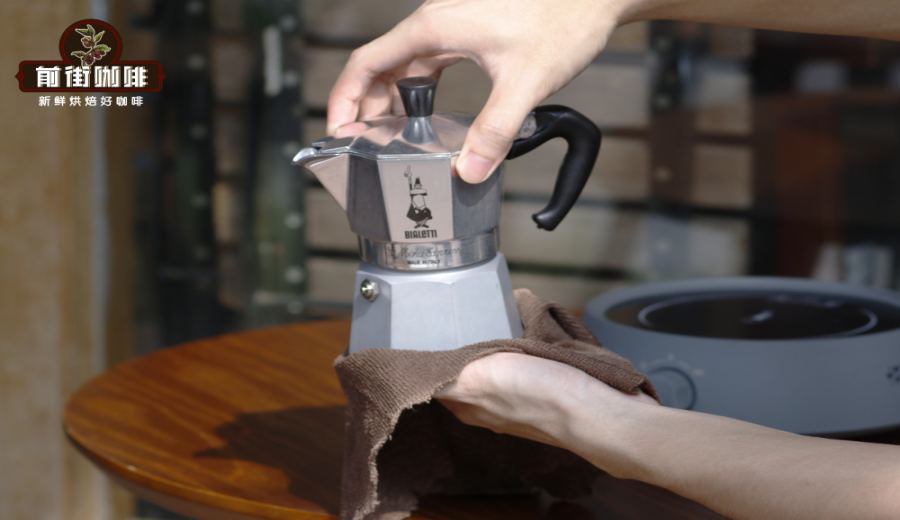
Introduction:The Moka pot is the go-to tool for many home coffee enthusiasts when it comes to extracting espresso. However, knowing how to use it properly and selecting the right coffee beans and grind size often poses a major challenge for beginners. This article delves into the structure and working principles of the Moka pot, compares the extraction differences between single-valve and double-valve models, and offers practical advice on coffee-to-water ratios, the right time to turn off the heat, heating methods, and bean selection—helping you brew rich and flavorful Italian-style coffee at home.
The Moka pot, a classic Italian-style coffee brewing device, has become an everyday essential for many households thanks to its bold and rich extraction. Yet, many users still have questions about details such as grind fineness, coffee-to-water ratio, and heating intensity. This article will start from the basics, explaining the Moka pot’s construction and how it works, comparing the unique characteristics of single-valve and double-valve models, and further exploring suitable capacity options, coffee bean choices, grind size, and extraction details. It also provides expert tips for addressing common issues with stovetop heating.
A long-time Moka pot user shared that he especially enjoys a cup of espresso brewed from his Moka pot each morning. However, he often wonders whether his technique meets the standard, so he sought advice from professionals. In reality, the Moka pot is a relatively easy-to-use home brewing tool. As long as you master a few key techniques, the rest can be fine-tuned according to personal taste—there's no need to rigidly follow a fixed process.
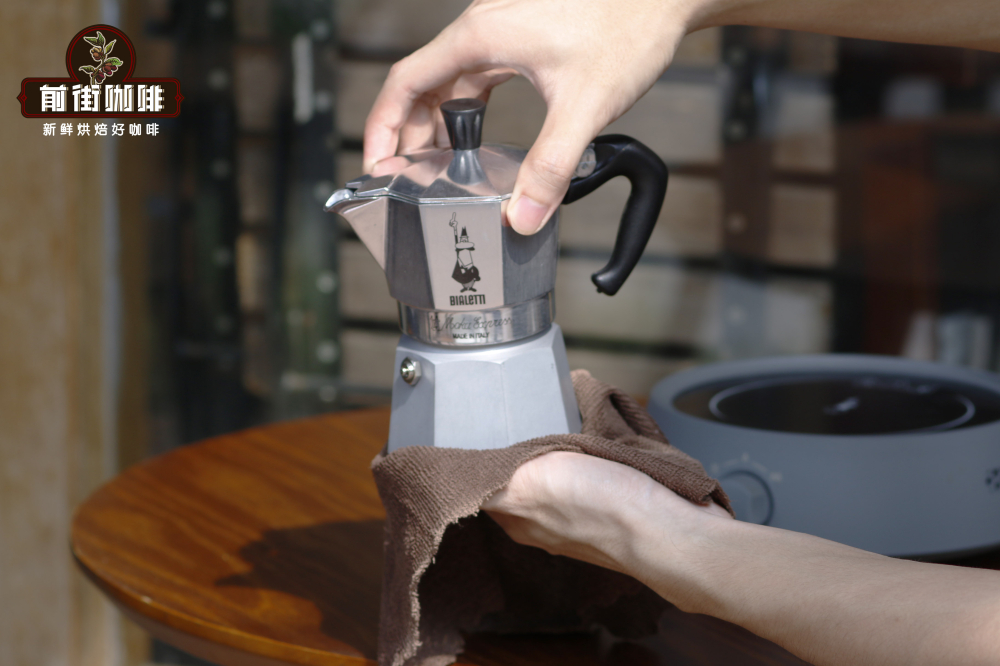
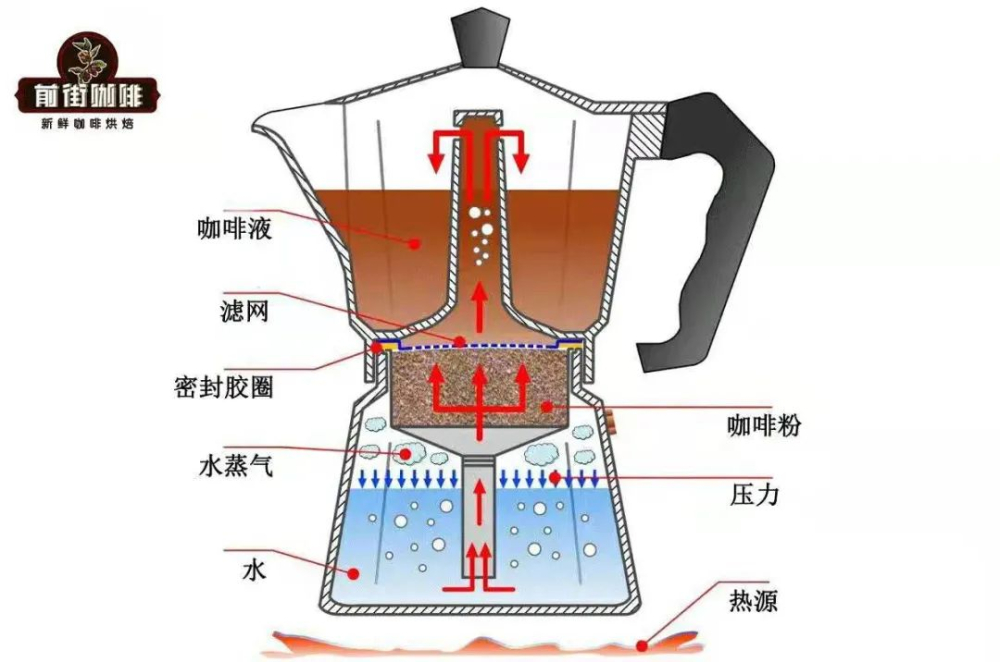
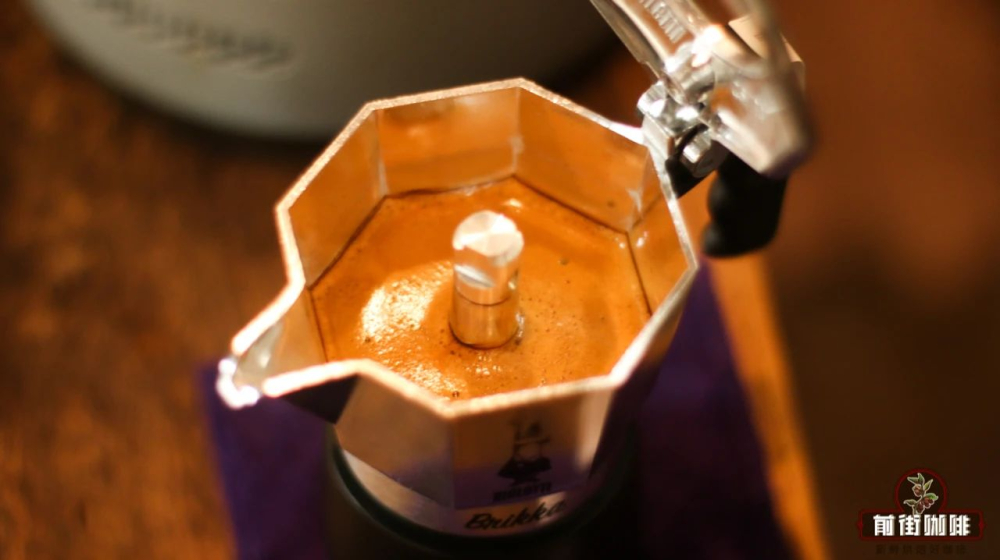
So, what exactly is a Moka pot? Simply put, it consists of three main parts: the upper chamber, the filter basket, and the lower chamber. The lower chamber holds the heated water, the filter basket contains the finely ground coffee, and the upper chamber collects the final extracted coffee. Its working principle relies on heating the water in the lower chamber, which generates steam pressure. When the pressure is strong enough to push through the coffee grounds, the hot water is forced up into the upper chamber, completing the espresso extraction process.
Although the pressure produced by a Moka pot is only about 1.5 to 2 bar—much lower than the 9 bar of a professional espresso machine—it is still sufficient to extract the coffee’s oils and deliver a fairly intense flavor. By observing its internal structure and extraction process, users can gain a more intuitive understanding of how it works.
Moka pots on the market are mainly divided into single-valve and double-valve types. In a single-valve design, the brewed coffee flows directly out from a small hole at the top of the central tube. In contrast, the double-valve model includes an additional pressure valve, which only opens when the steam pressure reaches a certain level, allowing the coffee to be expelled. Generally speaking, double-valve Moka pots can extract more coffee oils, resulting in a richer and more layered flavor, while single-valve extractions are relatively lighter and contain less oil.
When it comes to capacity selection, Moka pots are usually labeled by “number of cups” or “servings.” Common sizes include 1, 2, 3, 6, 9, 12, and 18 servings. For individual or two-person use, it’s recommended to choose a small-capacity model with 1 to 2 cups. For sharing with friends or family, a 3-cup size would be more appropriate. For households needing to brew three or more cups at once, larger-capacity multi-serving models are available, though they come with a higher price tag.
Regarding coffee bean selection, the final extraction flavor is closely related to the bean type. It’s recommended to prioritize medium to dark roasts or darker, as lightly roasted beans tend to have overly high acidity that can affect the overall taste. Here are a few bean varieties that have performed well in tests: First, a premium blend combining Brazilian natural and Colombian washed beans, delivering a complex flavor profile of nuts, roasted peanuts, cocoa, cream, and caramel. Second, the Brazilian Queen Estate Yellow Bourbon, where a medium roast highlights a distinct sugarcane sweetness, performing excellently both black and with milk. Third, the Indonesian PWN Golden Mandheling from Pawani Company, which showcases the signature bold, full-bodied richness and intense aroma of Mandheling, while maintaining good clarity—ideal for those who prefer a stronger, bitter flavor.
In terms of grind size, the Moka pot requires a particle size of approximately 0.3 to 0.55 mm, similar to that of a professional espresso machine but should actually be slightly coarser. If the grind is too coarse, it may lead to under-extraction, fast flow rate, or even splattering—though the upper chamber lid can help prevent this to some extent. Conversely, if the grind is too fine, it can easily clog the coffee bed and lead to over-extraction, resulting in a distinctly burnt and bitter taste.
There is no absolute standard for the coffee-to-water ratio, as it mainly depends on the capacity of your specific Moka pot. Generally, the water level should not exceed the position of the lower chamber’s safety valve, and it’s usually best to fill only up to just below the valve. Pay attention to how much coffee you fill into the basket: it must be completely filled without leaving any gaps, but without applying pressure. Unlike with an espresso machine, there’s no need for additional tamping when using a Moka pot.
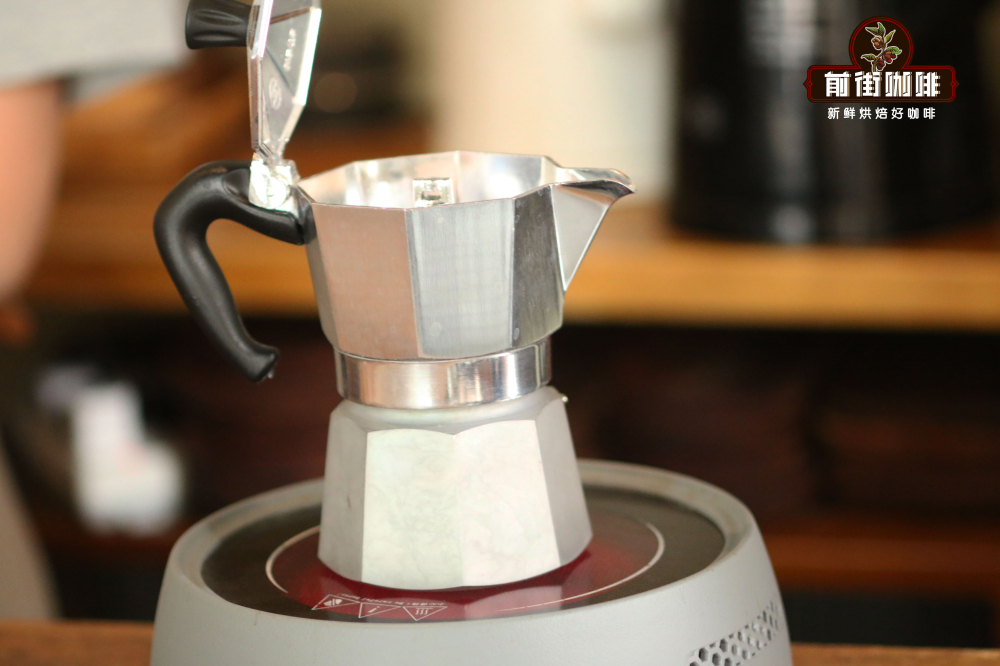
As for heating and knowing when to turn off the heat, Moka pots can be heated using various methods including electric ceramic stoves, induction cooktops, or open flames. If using an open flame, always maintain a low flame throughout, and remove the heat source as soon as the coffee starts to flow out to avoid over-extraction or burns. It’s recommended to use a medium flame to maintain a stable heat source. When you hear a sound similar to “wooo,” you can open the lid to check. The ideal time to turn off the heat is when you see the first drop of coffee being expelled. Using high heat continuously or turning off the heat only after the coffee starts boiling will likely result in a burnt and bitter taste.
Finally, regarding whether to keep the lid open, many people see operators doing so in videos mainly to show the visual effect of the coffee gushing out. In most cases, there’s no need to keep the lid open, but if you’re unsure about the timing to turn off the heat, you can occasionally open it to observe the flow. However, be cautious: keeping the lid open throughout increases the risk of coffee splashing out, which could lead to burns—so proceed with care.
The above content is compiled by CoffeeHunters, a coffee news website.


