







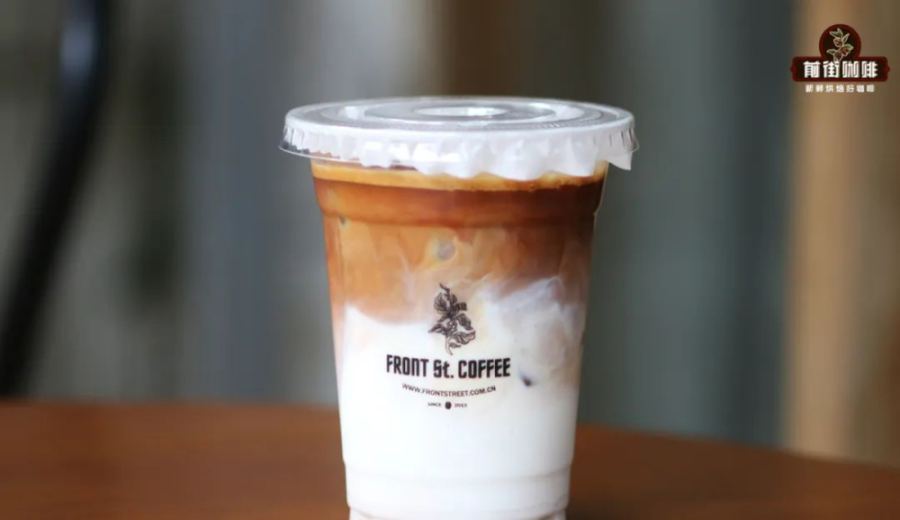
Introduction:Brewing a satisfying cup of milk-based espresso drink at home requires not only careful attention to the espresso extraction but also the selection of milk. This article will delve into the roast level, blend composition, and origin characteristics of espresso beans, helping readers understand why espresso beans are typically dark roasted. We’ll also recommend suitable beans from the three major coffee-producing regions—Africa, Asia, and the Americas—for pairing with milk-based drinks. Additionally, we compare the differences between fresh and UHT milk, and include the flavor profiles and recommended uses of three practical espresso blends, allowing you to elevate your milk coffee experience from bean selection to brewing.
To successfully brew a satisfying milk-based espresso drink at home, both the espresso base and the choice of milk play equally important roles. The espresso determines the overall flavor profile, which is primarily influenced by the espresso beans used, while the milk not only dilutes the intensity of the espresso but also enhances sweetness and contributes to a smoother, richer mouthfeel.
In short, espresso beans are specialty beans designed specifically for making espresso drinks. They can be evaluated and selected based on three key aspects: roast level, whether they are single-origin or blended, and their place of origin. These three factors not only influence the flavor but also directly affect how well they pair with milk.
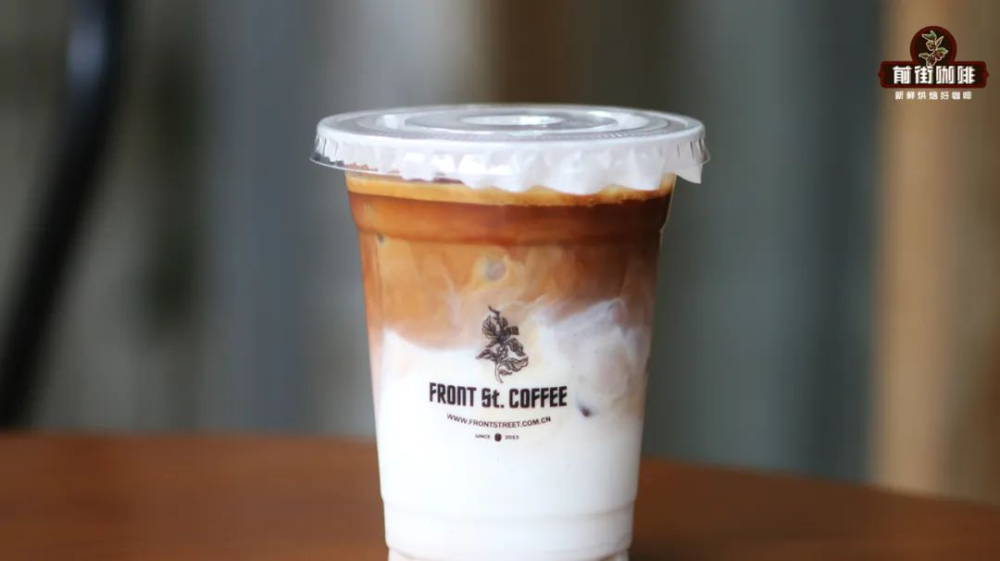
Coffee beans can generally be categorized by roast level into light, medium, and dark roast. Since home or commercial espresso machines tend to amplify the inherent characteristics of the beans, light roast beans often result in under-extraction when used for espresso, and produce thinner crema. Therefore, beans suitable for espresso typically require a darker roast. If beans that are not dark enough are used, the espresso portion may taste thin and acidic after adding milk, lacking the desired richness and layered aroma.
Additionally, many people know that coffee beans can be single-origin (single-origin beans) or a blend from multiple origins (blended beans). Single-origin beans are commonly used in pour over brewing to highlight the unique flavors and complexity of a specific region. In contrast, espresso drinks served in cafés are usually blends, aiming for stable extraction and consistent flavor. Similarly, if you’re making a latte at home and want to explore unique flavors, you can try single-origin espresso (SOE); if you prefer a more stable and bold flavor profile, it’s recommended to choose a blend specifically crafted for espresso.
The charm of specialty coffee lies in how beans from different regions, due to variations in variety, growing environment, and processing methods, exhibit distinctly different flavor profiles. Generally speaking, African beans often have pronounced floral, citrus, or berry-like acidity; Asian beans present spicy, herbal, and spice-like notes; while beans from the Americas are primarily characterized by nutty, caramel, and chocolatey sweetness. As a result, compared to African beans, Asian and American beans tend to blend better with milk, resulting in a richer and more balanced milk coffee experience.
By mastering these three key aspects, you can more easily choose espresso beans that suit your personal taste:
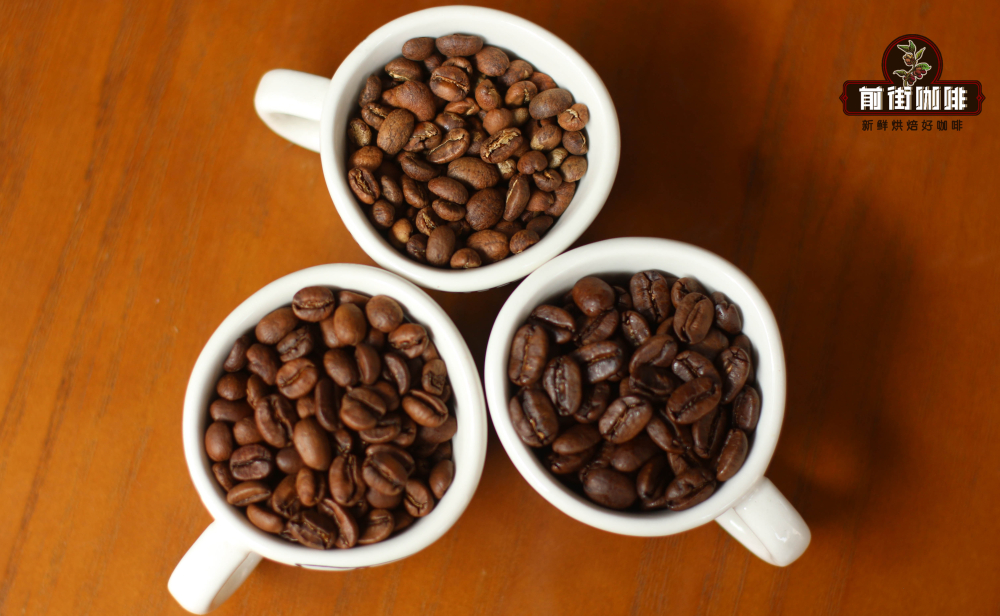
① If you’re aiming for a coffee with rich crema and a bold, full-bodied flavor, it’s recommended to choose a classic espresso blend:
This blend is specifically designed for use with moka pots and espresso machines, composed of Brazilian Red Bourbon, Indonesian Mandheling, and Vietnamese Robusta, delivering excellent crema performance. Whether making Americano or latte, it showcases delightful coffee aromas and a rich mouthfeel.
② For users on a budget who still want consistent performance, an entry-level espresso blend is recommended:
This blend consists of washed Yunnan small-seed variety and Brazilian semi-washed beans, roasted to a medium-dark level. Its flavor profile includes gentle fruity acidity, caramel sweetness, and nutty notes. It offers a balanced taste and great value, making it ideal for beginners or daily homemade latte preparation.
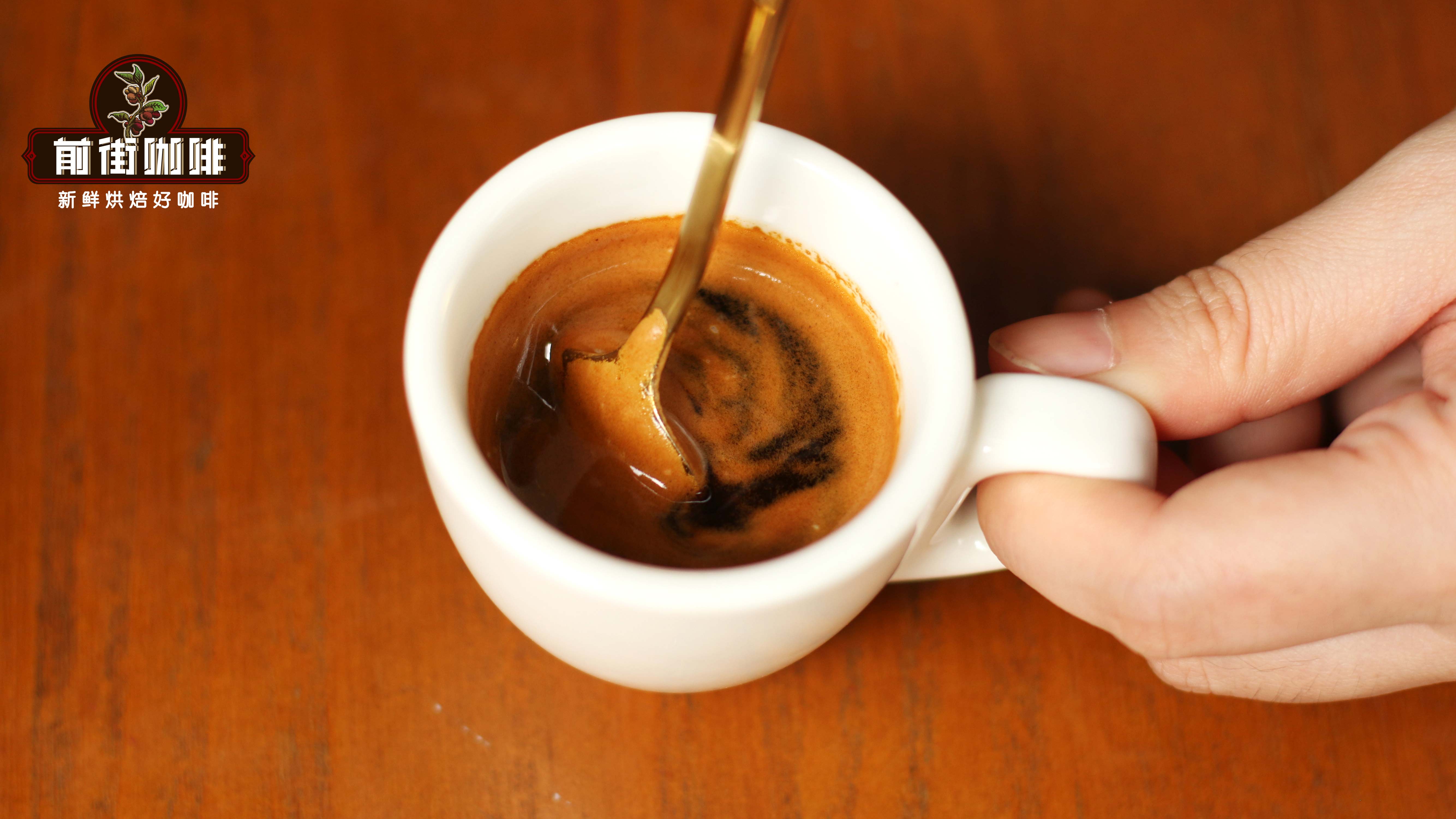
③ If you dislike overly bitter flavors and prefer floral and fruity notes, you might consider a fruit-forward blend:
This is a medium roast blend specially crafted to highlight aromas of rose, strawberry soft candy, and dried blueberry. It’s suitable for use with home espresso machines, moka pots, and small cafés. The brewed coffee features grape and citrus notes, with a subtle almond sweetness in the aftertaste—perfect for coffee lovers seeking a refreshing flavor.
Though lattes are often described as “coffee-flavored milk,” it’s actually the rich aroma of the espresso itself that is key to shaping the overall flavor. Only by using properly roasted and fresh espresso beans can the layering and richness of the milk coffee be ensured.
Regarding coffee “freshness,” it’s generally recommended to consume the beans within 60 days of roasting for optimal flavor. If stored at room temperature beyond this period, the flavor will noticeably decline. Therefore, it’s best to choose beans roasted within 10 days. Opt for reputable roasters whose beans are usually shipped within 5 days of roasting, ensuring they arrive fresh to consumers.
In addition to coffee beans, the choice of milk also greatly impacts the final flavor and texture of a latte. Generally, fresh milk retains more natural milk fat and flavor compounds, interacting better with coffee. It’s recommended to prioritize fresh milk over long-life UHT milk.
Also, some readers may believe that espresso extraction quality depends entirely on the price of the coffee machine, assuming high-end machines are always vastly superior to affordable ones. While this view holds some truth, in reality, the difference in coffee quality between a $10,000 and a $1,000 machine is not as huge as one might imagine. For example, practical tests show that a $1,000 home machine, even when making just 2–3 cups per day, can still deliver satisfactory performance. However, using a toy-like machine or an all-in-one grinder and brewer priced at just a few hundred dollars may result in noticeably poor extraction, negatively affecting the overall coffee flavor.
The above content is compiled by CoffeeHunters, a coffee news website.


