







Introduction:Wondering which machine to get to brew professional-level coffee at home? This article dives deep into the core differences between espresso and drip coffee machines, explaining everything from extraction principles and bean suitability to flavor profiles. It also includes the latest 2026 home-use everyday beans recommendations, featuring detailed flavor analyses of classic blends and single-origin beans (SOE), helping you choose the right equipment and beans based on your needs.
Among home coffee equipment, espresso and drip coffee machines are the two most popular types, but their operation methods and requirements for coffee beans are vastly different. Espresso machines extract quickly under high pressure, ideal for crafting rich, thick espresso with crema; drip machines use a slow filtration process, offering better compatibility with various roast flavors. This article will comprehensively compare both in terms of principles, device characteristics, and bean selection, and also compiles practical and flavorful 2026 home bean recommendations, making it easy for you to start enjoying a professional-level coffee experience.
The three most commonly used coffee devices in households include espresso machines, drip coffee machines, and capsule machines, among which espresso and drip machines are favored for their operational flexibility and affordable prices. Many users often feel confused when choosing a device about "which beans to use." The following will detail the operating logic and key differences of the two, helping you make the right choice.
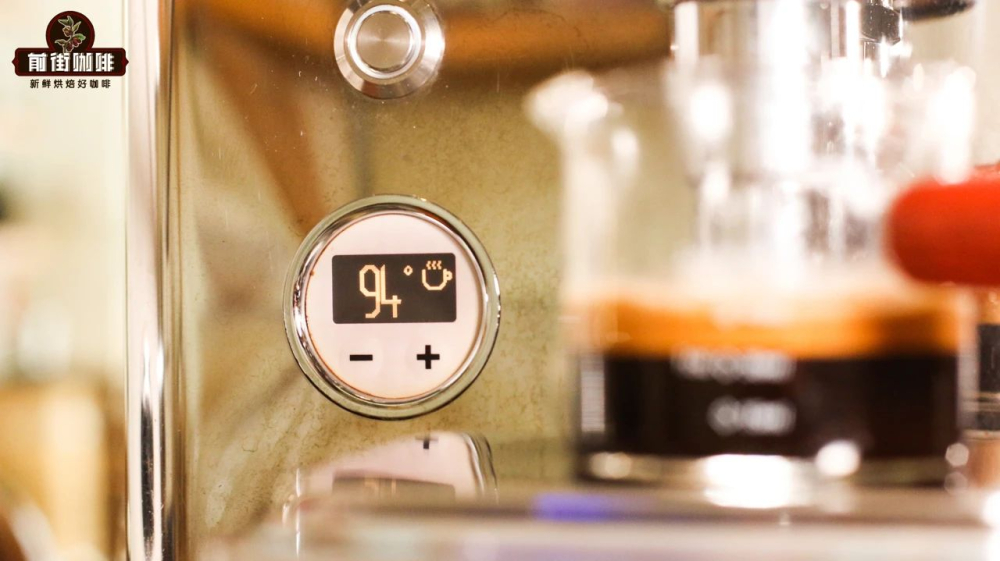
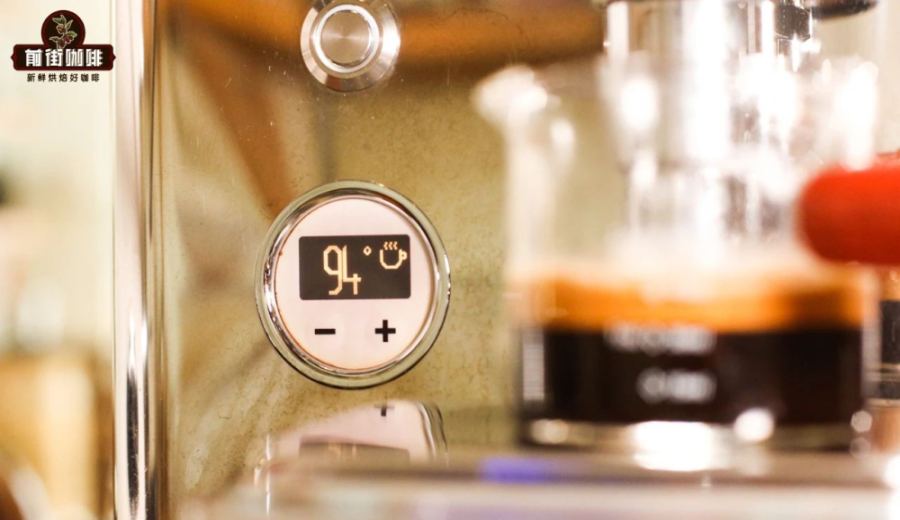
Espresso machines extract coffee under high pressure, producing a thick, honey-like coffee liquid. The principle involves heating water in the boiler to produce steam, then using steam pressure to force approximately 94°C hot water through an extremely finely ground coffee layer at 9 to 10 bar of high pressure. The coffee that flows out initially is dark reddish-brown, with a rich and smooth taste. As time progresses, the liquid color gradually changes from brown to golden. Since espresso itself has an intense flavor, it is usually diluted with water to make Americano or mixed with milk to create drinks like latte or mocha.
To successfully extract espresso with an ideal flavor, the conditions required are relatively strict. If using lightly roasted beans, insufficient extraction can easily lead to a sour and astringent taste, and crema is also less likely to form. Therefore, it is recommended to use medium to dark roasted coffee beans, which not only bring out a mellow taste but also help produce rich and delicate crema.
In contrast, the structure of a drip coffee machine is much simpler. Just place a paper filter on the filter basket, add coffee grounds, pour water into the tank, and start the machine. It will automatically heat and drip the coffee liquid. Some models also have a warming function, allowing you to enjoy hot coffee anytime. Since there is no high-pressure extraction process, the coffee produced by a drip machine has a lower concentration and can usually be consumed as black coffee, suitable for users who prefer lighter flavors.
Since drip machines do not have pressurization capabilities, they place fewer restrictions on the roast level and processing method of coffee beans. Whether light, medium, or dark roast, almost any can be used depending on personal taste preferences, offering greater room for experimentation.
In response to the common needs of home users, the following compiles five highly rated 2026 home everyday beans, including classic blends and single-origin beans, with their flavor characteristics and suitable scenarios also explained, helping you find the most suitable beans based on your machine type and taste preference.
1. Classic Espresso Blend
This blend is based on the traditional Mamba (Indonesian Mandheling + Brazilian) formula, with the addition of Robusta beans to significantly enhance crema performance and body. Suitable for making lattes or cappuccinos with an espresso machine and also good for latte art, it is a practical first choice for home coffee enthusiasts.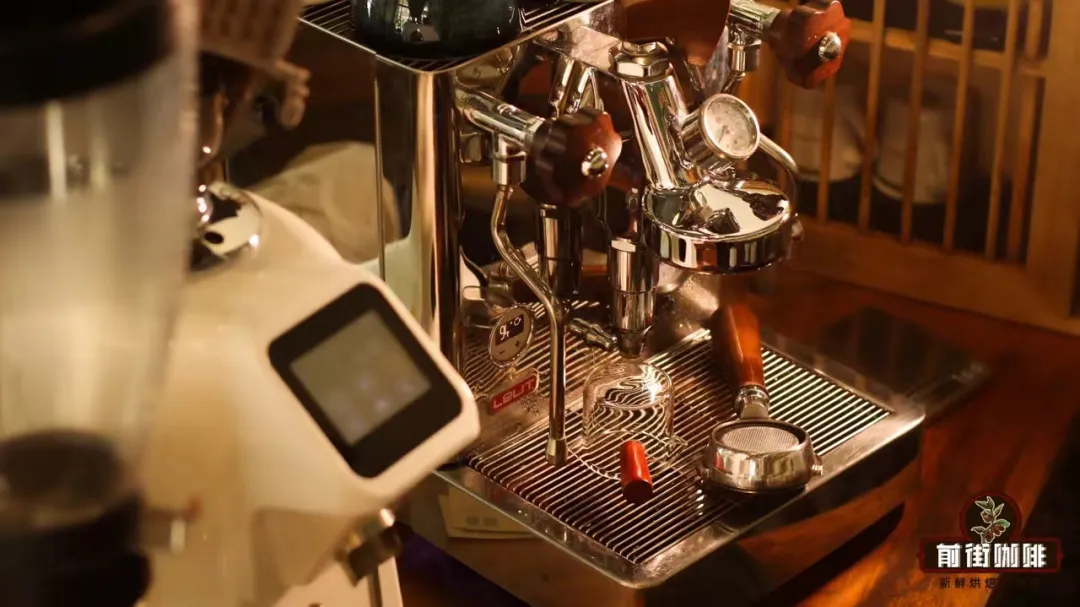
2. Premium Espresso Blend
Combining the nutty aroma of Brazilian beans with the chocolatey notes of Colombian beans, this blend offers a balanced flavor without noticeable acidity, suitable for making Americano or latte and is an ideal choice for users who prefer a stable taste.
3. Strawberry Candy Espresso
Mainly medium roasted, using Costa Rican Tarrazu and Ethiopian beans, blended with Colombian beans, this blend features a sweet and sour taste reminiscent of strawberry soft candy. Suitable for users who dislike heavy bitterness, it showcases floral and fruity notes whether made as Americano or latte.
4. Bird of Paradise SOE
Made with the Typica variety from Papua New Guinea, featuring unique bronze-colored top leaves, the flavor is mainly toasted bread and nutty aromas, complemented by a sugarcane-like sweetness. The taste is clean and refreshing, suitable for coffee enthusiasts who enjoy single-origin flavors.
5. Queen’s Estate SOE
Made with the Yellow Bourbon variety from Brazil, where the fruit turns orange-yellow when ripe. The flavor features gentle nutty and chocolatey tones, with balanced acidity and a long-lasting aftertaste. It’s a great choice for users seeking a delicate taste.
The above content is compiled by CoffeeHunters, a coffee news website.


