







Introduction:Gain an in-depth understanding of the geographical advantages and coffee characteristics of Brazil’s Cerrado Mineiro region, and explore the unique flavor profile of the Red Bourbon variety. This article provides a comprehensive overview of the region’s climate and soil conditions, as well as the roasting curve and Kono filter pour over parameters for a Red Bourbon lot from Cerrado launched by a certain coffee brand. It also details the differences between the four most common processing methods in Brazil, taking you from origin to cup to master a rich and balanced premium Brazilian coffee.
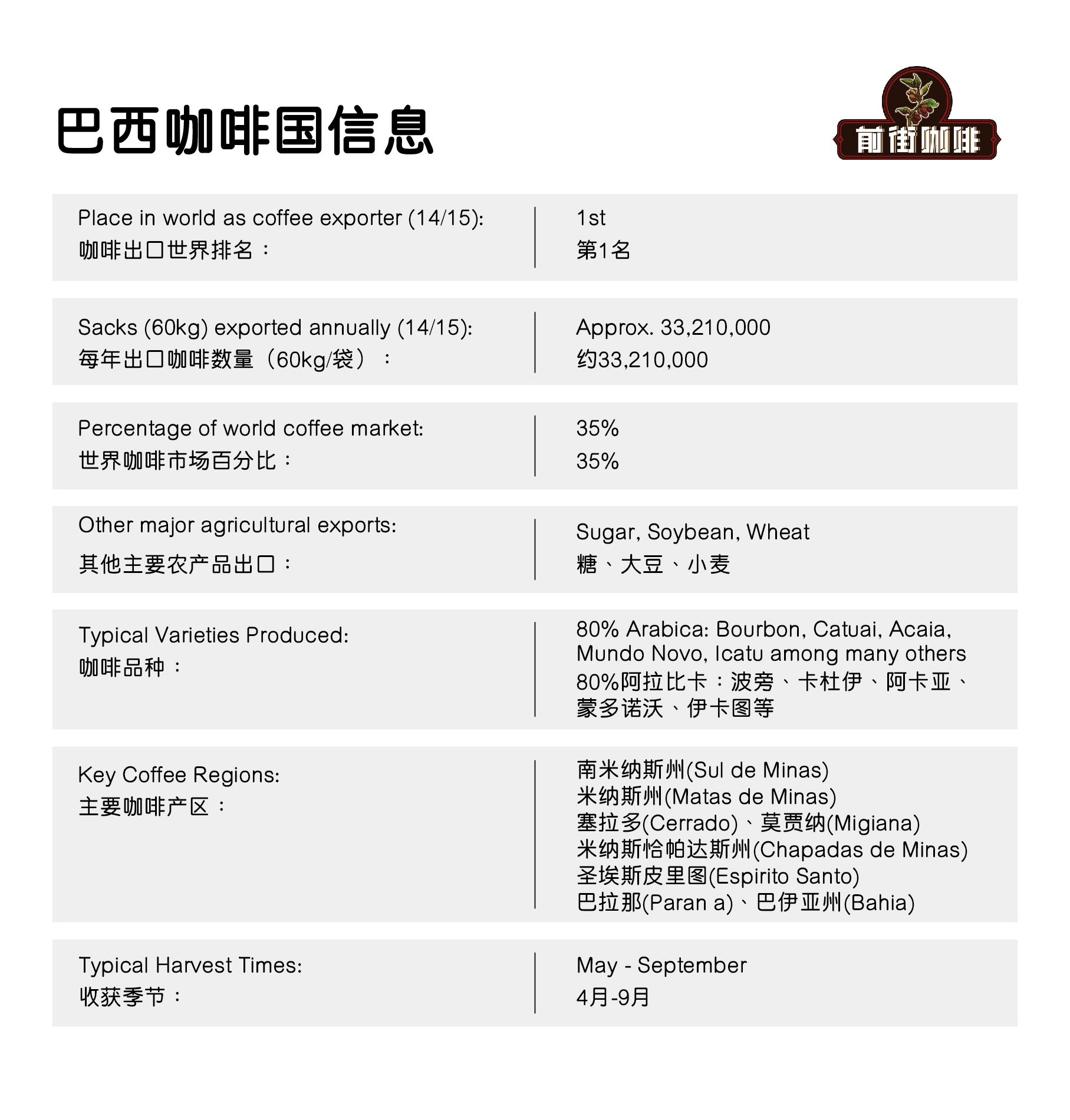
As the world’s largest coffee-producing country, any developments in Brazil’s coffee regions directly influence global market supply and demand. Among Brazil’s many coffee-growing areas, Cerrado Mineiro, located in the central-western part of Minas Gerais state, stands out as one of the representative regions for producing “soft beans” due to its fertile highland terrain and distinct dry and wet seasons. The coffee produced here generally features low acidity, rich nutty and chocolatey notes, a full-bodied mouthfeel, and clear layers, making it ideal for drinkers who prefer rounded flavors.
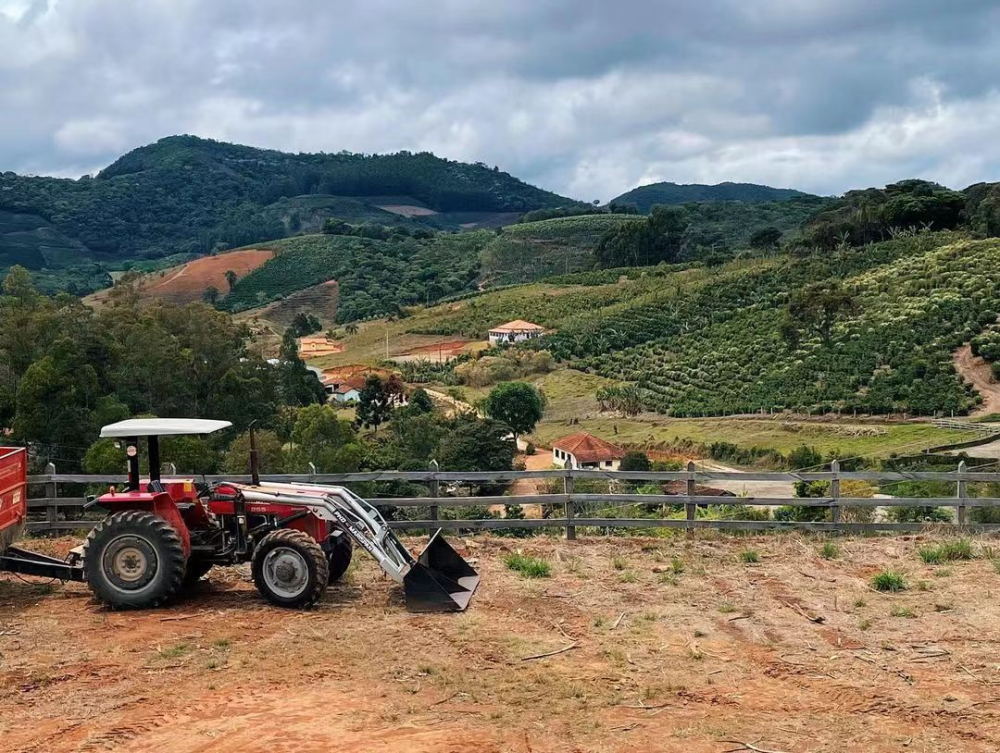
Situated on the Brazilian Plateau at an altitude of about 1,000 meters, Cerrado enjoys an average annual temperature of around 21°C, with a dry and stable climate. Coupled with mineral-rich soils, the region offers an ideal environment for coffee cultivation. Most coffee here is processed using semi-washed or washed methods, which, compared to traditional natural sun-drying, better highlight clarity and delicate aromas. Cerrado coffee often exhibits flavors of roasted nuts, cream, caramel, and subtle dark chocolate, with a smooth and long-lasting aftertaste.
The overall flavor profile of Brazilian coffee is characterized by being “mild and sweet.” Compared to other high-altitude coffee-growing regions in Central and South America, Brazil’s relatively flat terrain, lack of pronounced microclimates, and predominantly open, unshaded cultivation result in coffee beans that generally have less pronounced acidity but offer intense sweetness and nutty tones. The industry typically classifies Brazilian coffee into five grades based on mouthfeel smoothness: extremely smooth, smooth, slightly smooth, coarse, and iodine-like/bitter. Among these, Sul de Minas, Cerrado, Mogiana, and Bahia’s Diamond Highlands are most frequently rated as “extremely smooth,” and are also potential regions for producing specialty coffee.
Brazil’s major coffee-producing regions are widely distributed, including Mogiana and the Midwest region of São Paulo state, the northern edge area of Paraná state, Chapada Diamantina and Cerrado in Bahia state, the southern mountainous areas of Espírito Santo state, as well as several micro-regions within Minas Gerais such as Sul de Minas, Cerrado, and Serra do Minério. Among them, Sul de Minas and Cerrado, with their numerous small-scale farms, moderate altitudes, and stable climatic conditions, have become important sources of premium Brazilian beans.
The “Cerrado Red Bourbon” bean launched by a certain coffee brand is a classic representative of the region, using the Red Bourbon variety and processed via honey semi-washed method, bringing out rich nutty, chocolatey, and creamy aromas. It is suitable for medium-light to medium roasting to highlight its full-bodied character. For roasting settings, it is recommended to use a Yangjia 800N roaster, with an inlet bean temperature controlled at 160°C, yellowing point at approximately 145.2°C (6 minutes 52 seconds), first crack starting at 186.8°C (10 minutes 46 seconds), and dropping the roast at 202.5°C (3 minutes after first crack). This roasting curve can fully showcase the bean’s sweetness and rich layered profile.
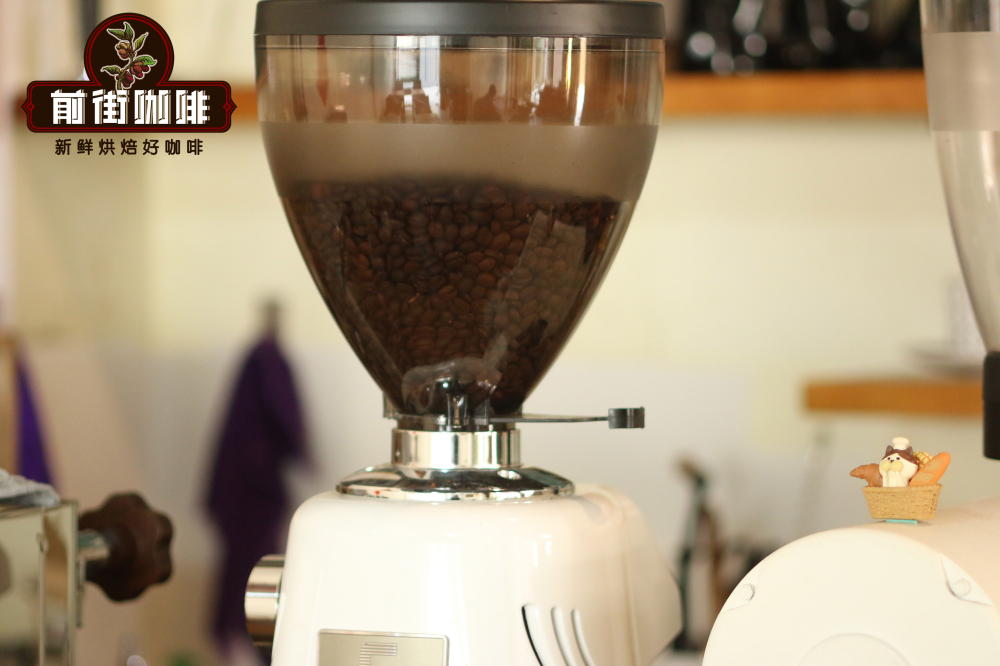
For pour over brewing, it is recommended to use a Kono filter with a medium-fine grind (70–75% passing rate through a Chinese standard No. 20 sieve), set the coffee-to-water ratio at 1:15, and control the water temperature at 88°C to help balance body and clarity of flavors. Specifically, it is suggested to bloom with 30 grams of water for 30 seconds, then pour in a small circular motion until reaching 125 grams for the first pour. When the water level drops and is about to expose the coffee bed, continue pouring to a total of 225 grams. The overall extraction time is approximately 2 minutes. These parameters are designed to fully extract the bean’s dominant nutty, caramel, and dark chocolate notes while avoiding over-extraction and unwanted off-flavors.
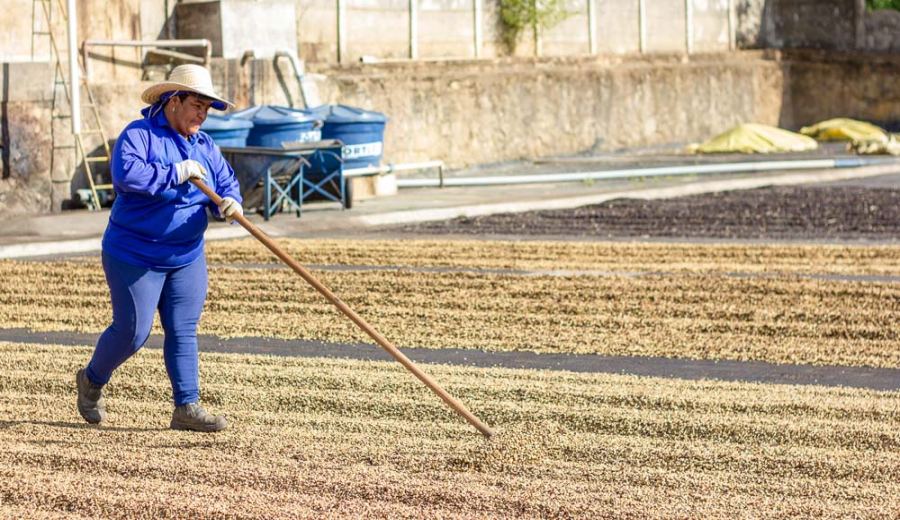
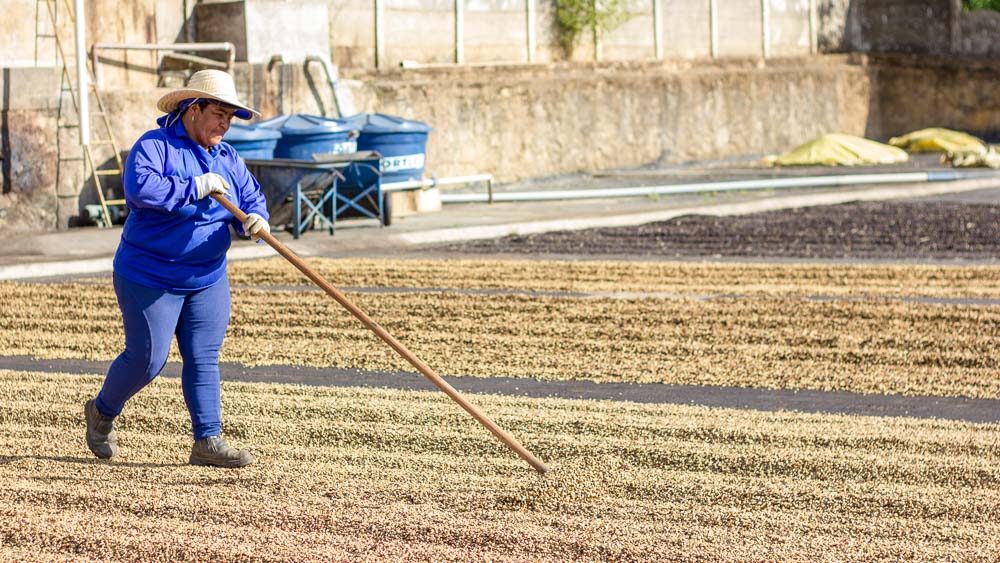
Brazilian coffee employs a variety of processing methods, among which the four most common types include natural sun-dried, pulped natural, semi-washed, and washed. The natural sun-dried method is widely used in Brazil’s dry-season regions, where harvested coffee cherries are directly spread on patios to dry. During this process, the fruit sugars can penetrate the seeds, imparting rich sweetness and fruity aromas to the coffee, though strict control of drying conditions is required to avoid defects. The pulped natural method, also known as honey processing, involves removing the skin and pulp but retaining part of the mucilage layer before quick drying, often resulting in more intense and unique flavor profiles. The semi-washed method is similar to pulped natural but removes the mucilage more thoroughly and dries faster, making it suitable for producers aiming for clean and full-bodied profiles. Although the washed method started later in Brazil, it removes the mucilage through fermentation, highlighting clear acidity and pure mouthfeel, and is mainly applied to specific high-end bean lots.
Overall, the Red Bourbon coffee from Brazil’s Cerrado Mineiro region, with its stable full-bodied character and approachable flavor profile, has become a top choice for many coffee beginners and enthusiasts looking to explore further. Whether as a daily drinker or a starting point for diving into the terroir of Brazilian coffee, this bean offers a rich and layered tasting experience.
The above content is compiled by CoffeeHunters, a coffee news website.


