







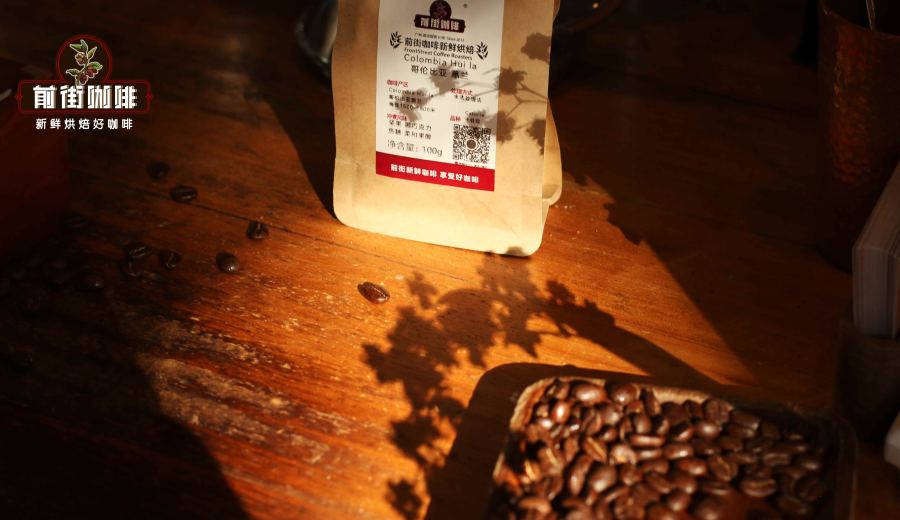
Introduction:Huila in Colombia is a classic coffee-growing region that no specialty coffee enthusiast should miss, renowned for its high altitude, volcanic soil, and meticulous washed processing. This article delves into its geographic advantages, smallholder farming model, and explains why washed Huila is ideal for pour over beginners, as well as how to explore the rich balance of Colombian coffee through blends — offering practical guidance whether you’re self-roasting or selecting beans for your café.
Located in the southwestern part of Colombia, Huila is one of the country’s representative specialty coffee regions. Since the 21st century, its coffees have frequently stood out in international green bean competitions and officially received origin certification in 2013, solidifying its quality reputation. Situated on the foothills of the Andes Mountains near the Huila volcano, the region benefits from volcanic ash soil rich in minerals, along with a moderate average annual temperature and stable rainfall throughout the year. These conditions create a high-altitude environment perfect for coffee cultivation, with many growing areas exceeding 2,000 meters in elevation, yielding unique flavors with bright acidity and chocolatey notes.
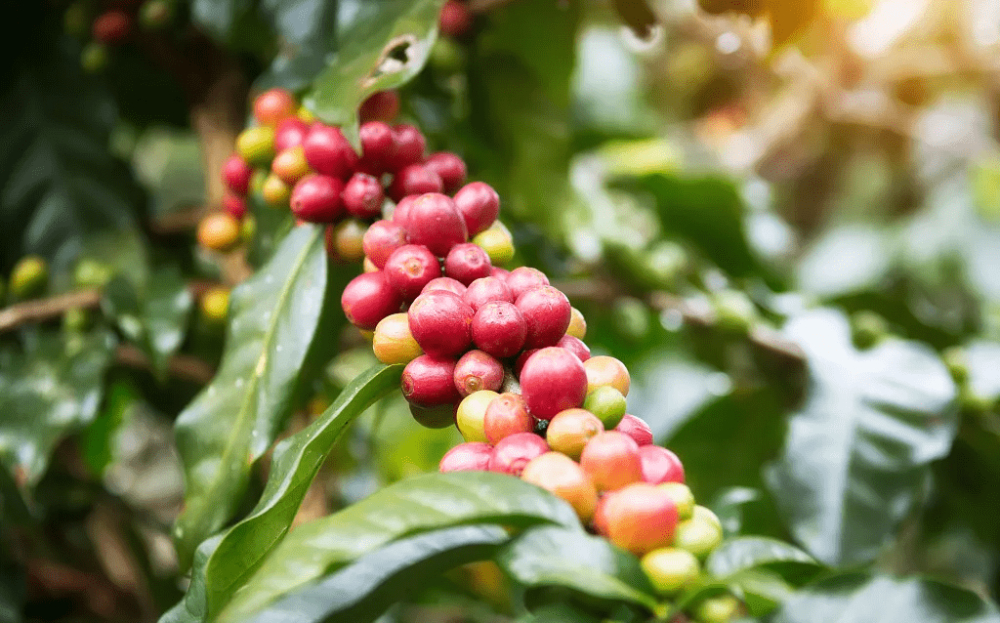
Compared to other Colombian regions, Huila enjoys more stable climate conditions, even rainfall distribution, and significant day-night temperature variations — all of which help coffee cherries ripen slowly and accumulate richer flavor compounds. The area is dominated by small-scale farmers, with individual farms typically no larger than 1.5 hectares, and shade-grown cultivation methods are widely adopted. By using shade trees to regulate sunlight intensity and microclimate, the growth stress on coffee trees is reduced, further enhancing bean quality. During harvest, farmers meticulously select only fully ripe coffee cherries to ensure only the plumpest fruits enter the subsequent processing stages, and processing is carried out promptly post-harvest to preserve optimal freshness.
Colombia has abundant water resources, providing ideal conditions for washed processing. Many family-run farms are equipped with dedicated small-scale green bean processing equipment (such as Ecomill or Eco-Pulper), which can effectively separate the skin and pulp while consuming very little water. During processing, the coffee cherries first have their outer layers removed by machine, then most of the mucilage is washed away with minimal water. The remaining parchment beans, still carrying trace amounts of mucilage, are placed in containers such as tile tanks for about 24 hours of fermentation until the mucilage naturally breaks down. They are then thoroughly rinsed with clean water and finally spread out to sun-dry until the desired moisture content is reached. This method not only allows for precise quality control but also fully highlights the intrinsic flavor characteristics of the coffee beans.
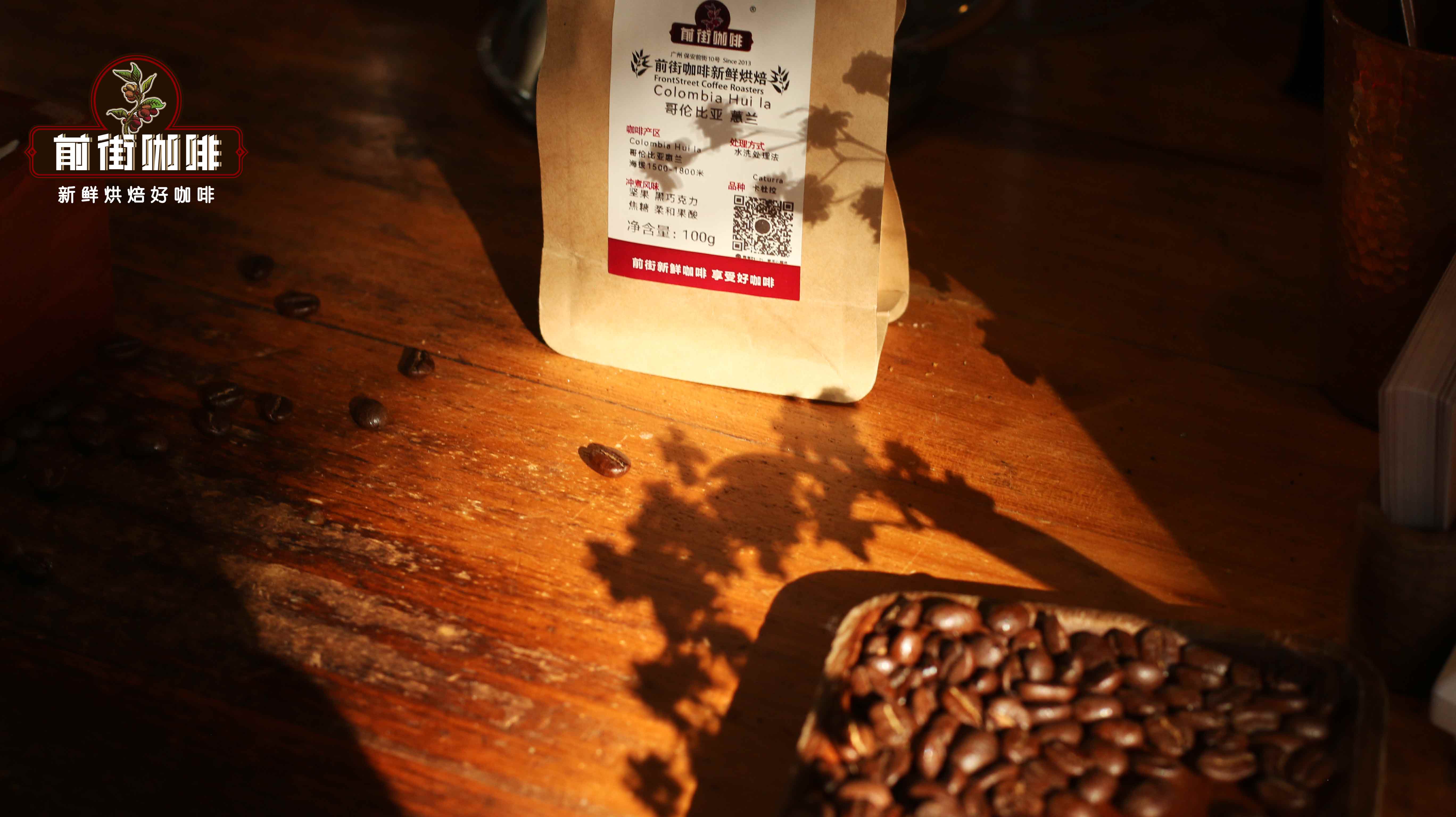
For consumers trying Colombian coffee for the first time, washed Huila beans are an excellent choice. With medium to dark roasting, these beans can showcase a rich array of aromatic compounds, with distinct chocolate sweetness and bright fruity acidity balancing each other. Their body and aftertaste are particularly outstanding, delivering captivating layers whether brewed via pour over or French press. If you prefer espresso, consider classic blend combinations — such as a “premium blend” that merges Brazilian beans with Huila coffee beans. Its extraction releases nutty aromas like almond, hazelnut, and walnut, with a smooth mouthfeel, balanced flavor, and long-lasting finish, making it highly compatible with common espresso-based drinks like lattes.
In summary, the Huila region, blessed with exceptional natural conditions and refined processing techniques, produces specialty coffee beans with distinct flavors and consistent quality. Whether you’re a pour over beginner or a café owner seeking reliable blend beans, gaining a deeper understanding of Huila’s characteristics and recommended options will help you make more informed choices and enjoy the unique charm of Colombian coffee.
The above content is compiled by CoffeeHunters, a coffee news website.


