







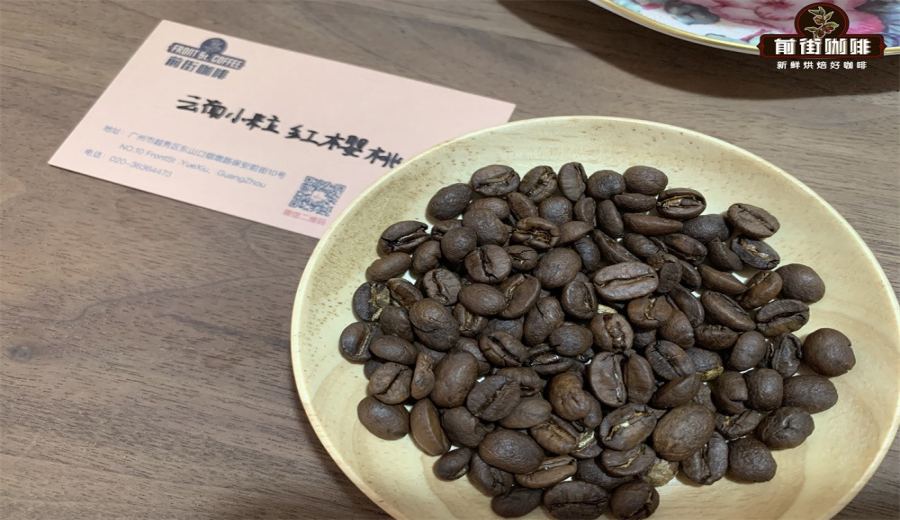
Introduction:An in-depth exploration of the unique charm of Yunnan small-grain coffee, from its introduction in 1904 to the flavor differences across major contemporary producing regions. This article provides a comprehensive overview of the characteristics of the two major varieties, Typica and Catimor, examines the impact of different processing methods on flavor, offers professional-grade brewing parameters for washed and natural processes, and shares practical bean selection and tasting advice to help you master the essence of this Asian specialty coffee.
As China’s largest coffee-producing region, Yunnan nurtures distinctive bean varieties with a neutral and balanced flavor profile thanks to its unique highland environment. The small-grain coffee produced here is known for its full-bodied yet non-astringent taste and gentle acidity, perfectly blending the common pine-like notes of Asian beans with the local brown sugar sweetness. To truly understand Yunnan coffee, it’s essential to clarify the varietal identity of “small-grain coffee” and its regional variations.
Historical Origins and Varietal Evolution
Dating back to 1904, French missionary Térence Deymier introduced the Typica variety from Vietnam to Zhugula Village in Binchuan County. This ancient Arabica variety, originating from Ethiopia, laid the foundation for Yunnan’s coffee industry.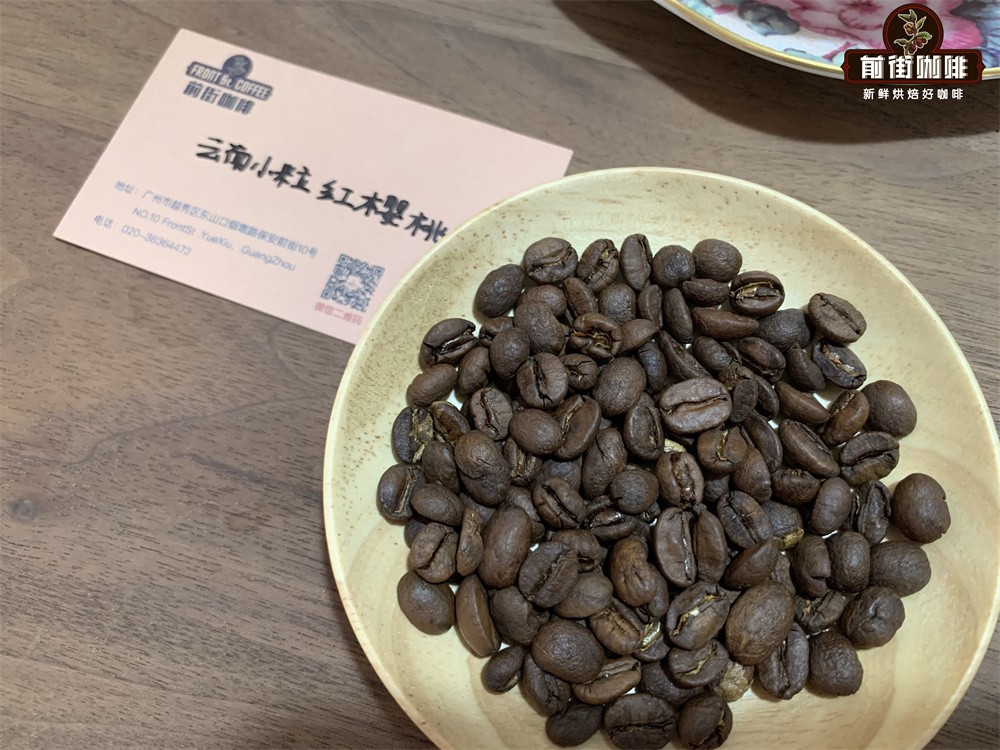 After a century of development, the region has gradually formed a planting structure dominated by Typica and Catimor. Among them, Catimor—an disease-resistant hybrid developed in Portugal in 1959, though carrying Robusta genes—can still exhibit rich complexity when properly managed.
Core Producing Regions and Their Terroir Characteristics
Yunnan’s four major producing regions each have distinct flavor profiles: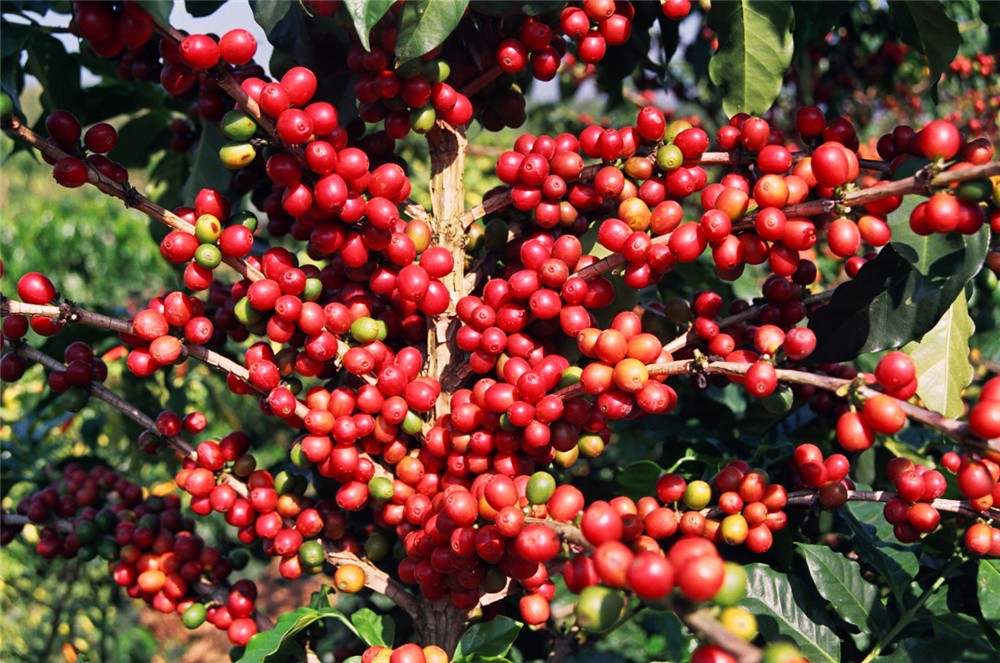 Baoshan, with over 60 years of cultivation history, produces washed beans with pronounced nutty and black tea notes; Pu’er, with more than 650,000 acres under cultivation, delivers a stable caramel aroma base; Dehong ensures consistent quality through its “three unifications and three guarantees” mechanism; Lincang, blessed with a three-dimensional climate, grows distinctive beans that balance fruity acidity and sweetness. Notably,the mountainous environment at elevations of 1,000–2,000 meters and significant day-night temperature variationsare key factors in shaping Yunnan coffee’s full body.
In-Depth Comparison of Varietal Characteristics
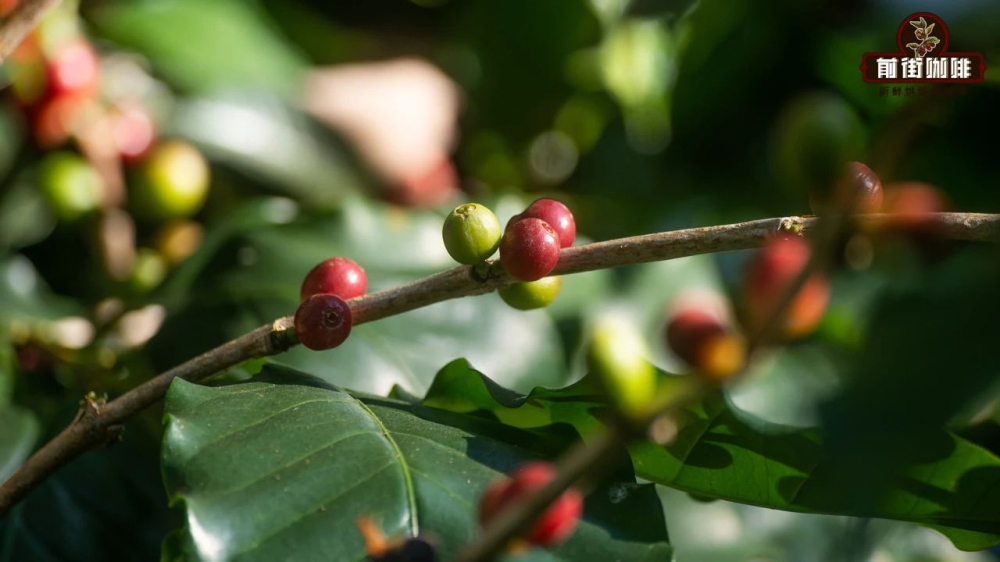
As one of the oldest Arabica varieties, Typica is characterized by its conical tree canopy and red-tipped leaves. Though it has relatively low yields, it boasts exceptional flavor purity.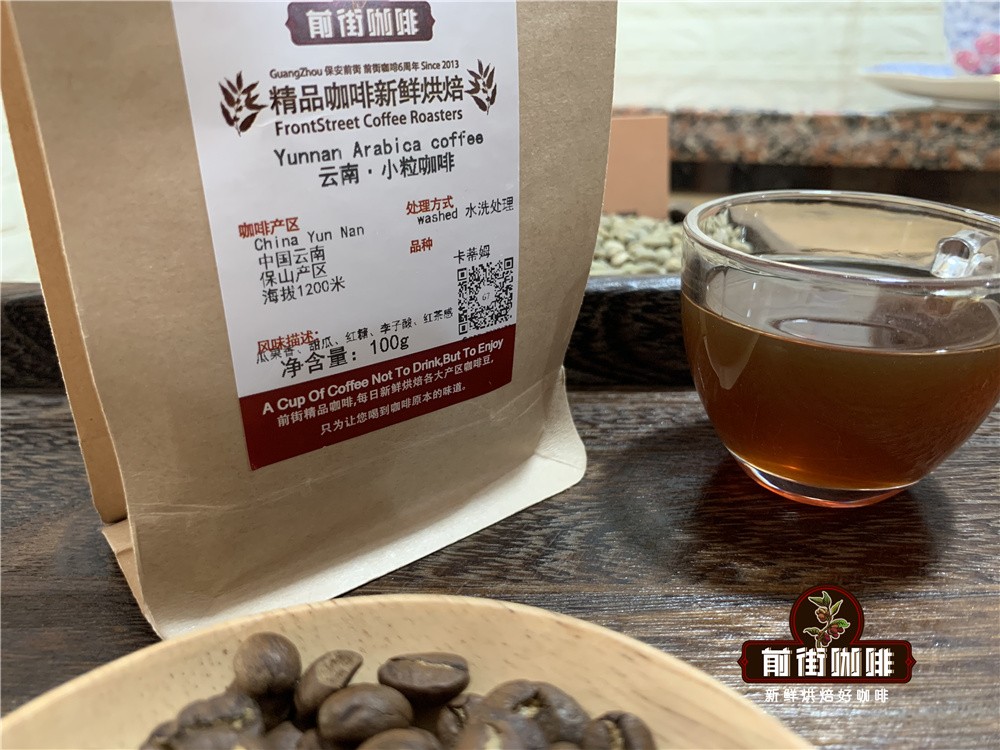 Practices at certain farms have shown that Typica processed with meticulous natural drying can exhibit complex aromas of berries, brown sugar, and black tea. In contrast, while Catimor inherits Robusta’s disease resistance, strict control of harvest ripeness is required to avoid grassy notes and highlight its highlights of nuts and plum-like acidity.
Processing Methods and Flavor Transformation
The rainy climate has made washed processing the mainstream method, effectively highlighting the clean cup characteristics of the region. Meanwhile, the application of natural processing in sunny seasons imparts richer dried fruit and spice notes to the coffee.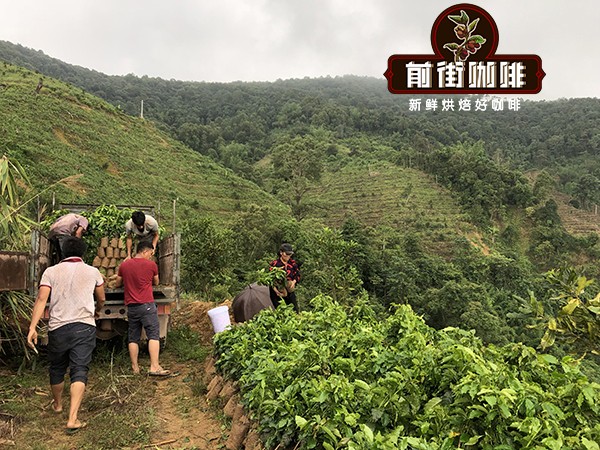 Practical RecommendationsMedium-fine grind (75% passing through a #20 sieve)with a water temperature of 88°C. When using a Kono filter, a brew ratio of 1:15 is recommended to best showcase the layered complexity of Yunnan beans.
Consumer Practical Guide
When evaluating Yunnan coffee quality, it’s important to distinguish between old-tree Typica and newer Catimor: the former typically features a more elegant acidity structure, while the latter excels in sweet, full-bodied flavor. For storage, it’s advised to use valve-sealed bags and keep them in a cool place. Ground coffee should be used within 15 minutes for optimal flavor. Beginners may start with the balanced flavor of honey-processed beans and gradually explore the microclimate characteristics of different producing regions.
The above content is compiled by CoffeeHunters, a coffee news website.


