








Introduction:Latte, cappuccino, and mocha are the three most common classic espresso-based milk coffees in cafés, but many people still only have a vague understanding of their differences. In fact, the biggest distinctions between them lie in the ratio of espresso, milk, and milk foam, which in turn affects the overall flavor and mouthfeel. This article will break down the recipe proportions, characteristics, and recommended coffee bean choices for these three drinks in detail, and provide practical brewing parameters and cup suggestions to help you better grasp the essence of each coffee whether you're ordering in a café or making it at home.
When you walk into a coffee shop and face the three classic espresso-based milk coffees—latte, cappuccino, and mocha—many people often end up choosing only the one they're familiar with because they can't tell the differences. But in reality, the core difference among these three drinks mainly lies in the amount and ratio of espresso, milk, and milk foam, which directly impacts their taste and flavor profile. This article will start with the foundational role of espresso, delve into the preparation ratios and flavor characteristics of each drink, and recommend several suitable espresso blends for making latte, helping you easily recreate a smooth and mellow milk coffee at home.
The so-called Espresso (espresso) is a highly concentrated coffee liquid extracted under high pressure, characterized by a rich, bold flavor and intense mouthfeel, which may be somewhat challenging for those new to coffee. Therefore, coffee cultures around the world have evolved diverse coffee beverages based on espresso by adding different ingredients such as milk and chocolate, gradually giving rise to a variety of coffee drinks, among which latte, cappuccino, and mocha are the most representative.
These milk-based espresso drinks, such as Flat White, Latte, Cappuccino, and Mocha, are very popular around the world, especially with the promotion of brands like Starbucks, which has made them even more well-known. No matter which one you want to try, the first step is to prepare an espresso machine with a steam wand and a medium-to-dark roasted blend suitable for making milk coffee, so as to bring out the harmony of the coffee’s richness and the milk’s aroma.
Image placeholder:
When selecting coffee beans, it is recommended to choose blends specifically designed for espresso, and pay attention to the roast date to ensure the beans are at their peak flavor period. Generally speaking, using freshly roasted beans within 7 to 14 days after roasting can deliver the most ideal extraction performance. Grinding the beans into fine powder, dosing into the portafilter, and then extracting the espresso is the first step in making all espresso-based coffees.
When extracting espresso, it is recommended to use about 10 grams of coffee grounds to extract 20 grams of espresso, or 20 grams of grounds to extract 40 grams, with the time controlled between 25 to 30 seconds, to achieve a rich and balanced espresso base. If the extracted coffee tastes weak, you can adjust to a finer grind; if it's too bitter, you can make the grind slightly coarser. After completing the espresso extraction, the next step is to use the steam wand to heat and froth the milk, creating a dense milk foam to lay the foundation for the milk coffee.
First up is the latte (Latte), which is arguably one of the most popular espresso-based milk coffees. Its standard recipe consists of 20 grams of espresso paired with 200 milliliters of milk, with a milk foam thickness of about 1 centimeter, and a total volume of approximately 280 milliliters, so it is recommended to serve it in a 300-milliliter bowl-shaped latte cup. The taste of latte is relatively mild, with a balanced ratio of coffee, milk, and milk foam, resulting in an overall smooth and easy-to-drink experience, making it very suitable for those trying milk coffee for the first time.
Image placeholder:
The mocha (Mocha) adds a chocolate element on top of the latte. Its recipe is 20 grams of espresso plus about 15 grams of chocolate syrup, along with 190 milliliters of milk, with the milk foam also being about 1 centimeter thick. This coffee becomes sweeter and richer due to the addition of chocolate syrup, and if desired, you can even add marshmallows on top to enhance the flavor layers and fun. Mocha is also generally recommended to be served in a 300-milliliter bowl-shaped cup to accommodate all the elements.
As for the cappuccino (Cappuccino), it is the strongest in coffee flavor among the three. Its recipe is 40 grams of espresso paired with 150 milliliters of milk, with a milk foam thickness of 1.5 centimeters, and an overall volume of about 190 milliliters, so it is recommended to serve it in a 200-milliliter straight or tulip-shaped coffee cup. Due to the thicker and fluffier milk foam, the cappuccino has a more velvety mouthfeel, often featuring a tall "cap" of milk foam on the surface, making the first sip feel almost like eating marshmallow, with a distinct and layered coffee flavor.
Image placeholder: And
Comparing these three coffees together, we can see: the cappuccino, with the highest espresso ratio and thickest milk foam, has the strongest coffee flavor and mildest milk taste; the latte emphasizes balance, with the proportion of coffee, milk, and milk foam giving it a smoother and more rounded mouthfeel; while the mocha takes the latte further by adding chocolate flavor, making the whole drink sweet and aromatic, suitable for those who enjoy dessert-like coffee flavors.
If you want to reliably recreate these classic coffees at home, choosing the right blend is crucial. Below are several recommended espresso blends suitable for making latte, each with its own unique flavor characteristics, so you can choose based on your personal taste preferences:
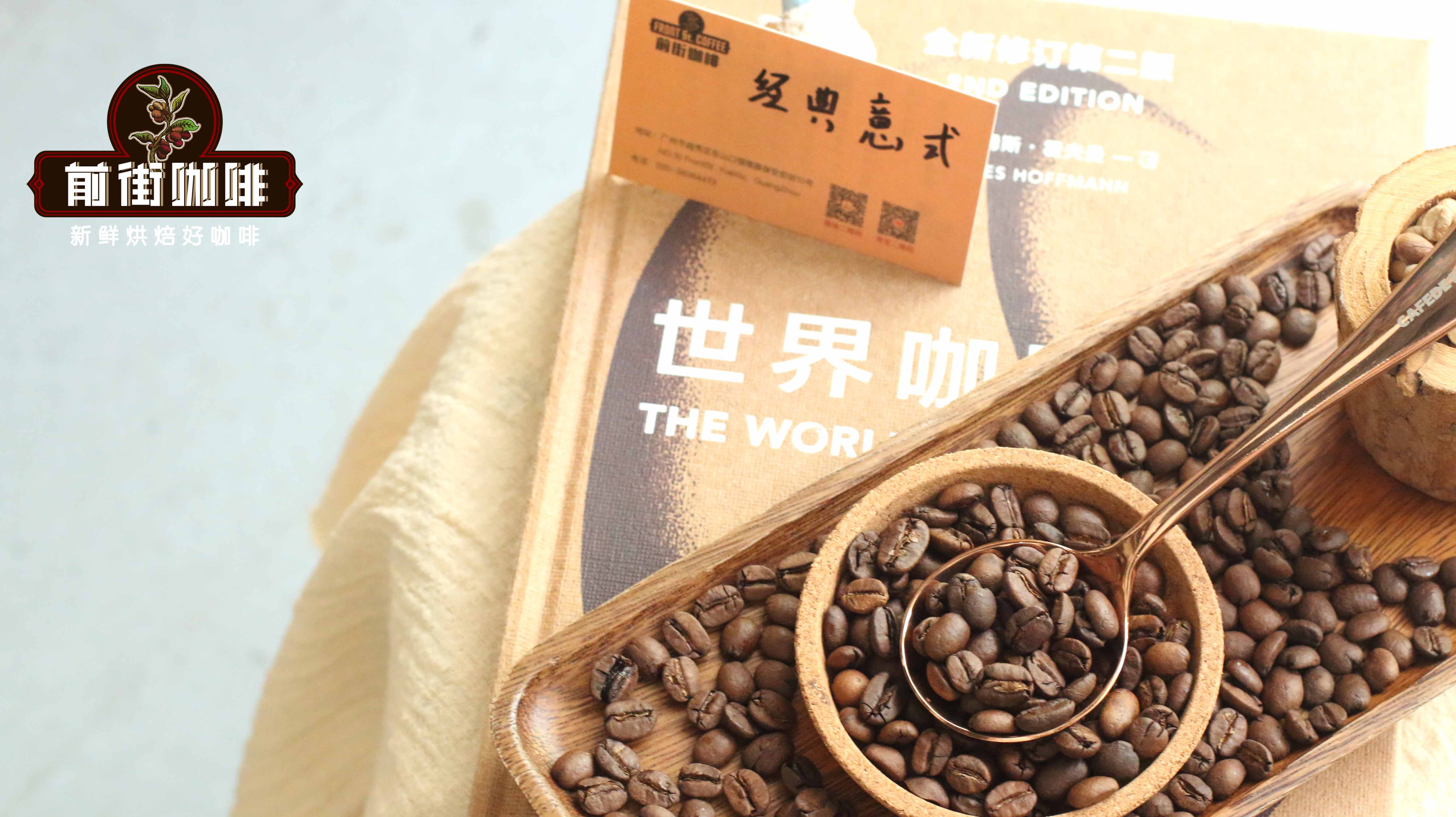
Classic Blend Coffee Beans: A blend of Brazilian, Indonesian, and Vietnamese beans, featuring distinct chocolate, caramel, and roasted nut aromas, with rich crema, suitable for users who enjoy practicing latte art.
Strawberry Candy Blend Coffee Beans: Offers rose floral notes, strawberry soft candy, and dried fruit flavors, smooth on the palate, with an almond aftertaste, ideal for coffee lovers who prefer floral and fruity profiles.
Premium Blend Coffee Beans: Combines Colombian washed and Brazilian semi-washed beans, presenting aromas of nuts, dark chocolate, and caramel, with a rich flavor.
Commercial Blend Coffee Beans: Composed of Brazilian, Colombian, and Vietnamese beans, offering a mellow taste and affordable price, suitable for everyday drinking.
Dark Cocoa Blend Coffee Beans: A blend of Yunnan and Brazilian beans, with a gentle flavor, fruity acidity, and caramel sweetness, smooth in texture, suitable for users with a limited budget who still seek good flavor.
Image placeholder: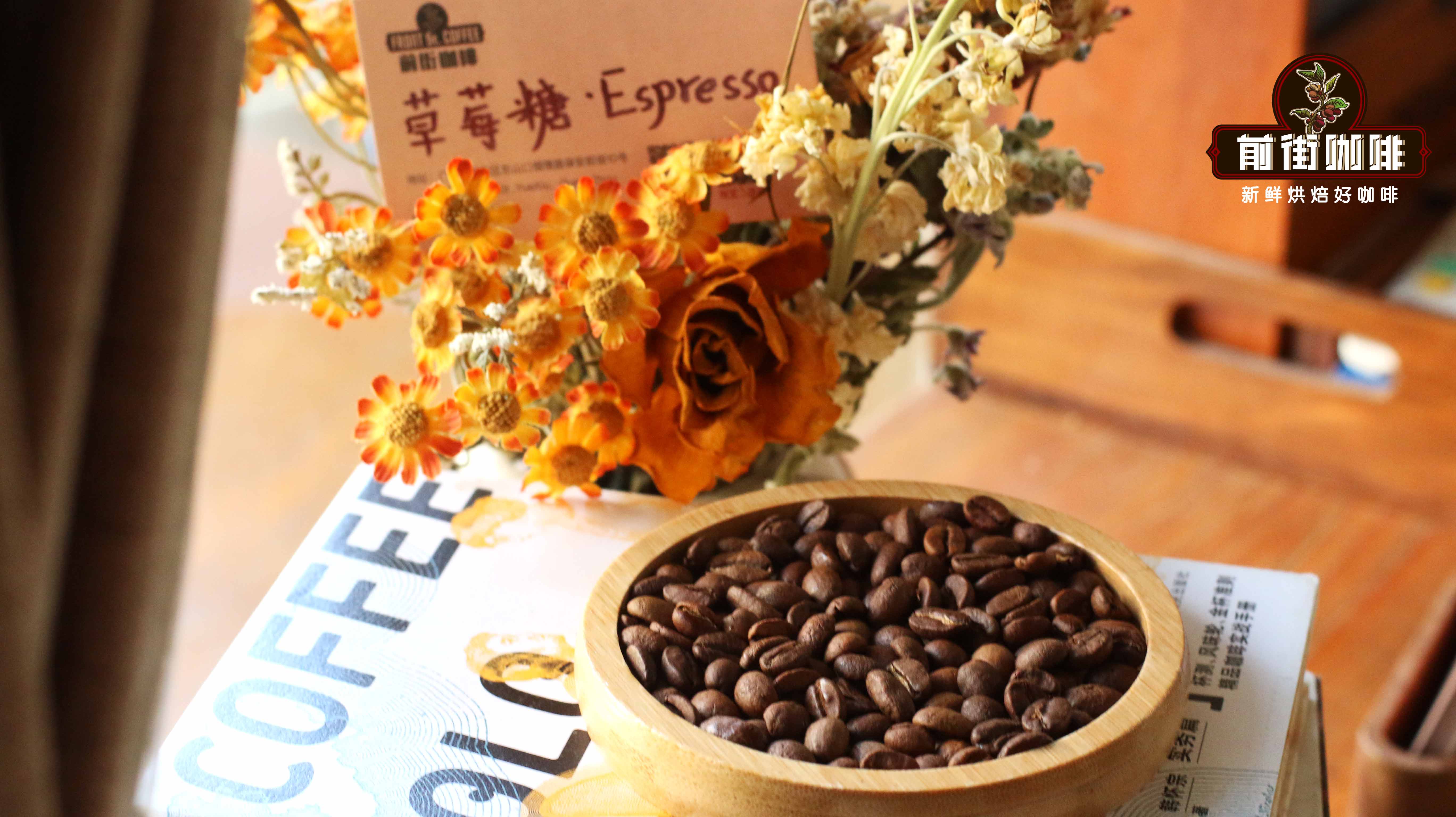 And

No matter which blend you choose, remember to fine-tune the grind size and extraction time according to the characteristics of your own grinder and coffee machine to achieve the ideal espresso base. Master the ratios and techniques, and you can also easily enjoy a latte, cappuccino, or mocha at home that rivals those from a café.
The above content is compiled by CoffeeHunters, a coffee news website.


