








Introduction:Both mocha and latte are iconic examples of Italian-style milk coffee, yet they form distinctly different flavor profiles due to the presence of chocolate elements and variations in the ratio of coffee to milk. This article delves into their core differences—from foundational structure and flavor trajectory to common brewing misconceptions—and provides complete operational guides for both hot and iced mochas, including ingredient ratios, temperature control, and techniques for enhancing layers of flavor. It helps readers master the key techniques needed to transition from the basics of a latte to the rich intensity of a chocolate-forward mocha.
Although mocha and latte both belong to the family of Italian milk coffee and share espresso and milk as their base, there are significant differences in their formulation logic and flavor expression. Lattes emphasize the harmony between the intrinsic flavors of the coffee beans and the natural sweetness of milk, while mochas focus on the intensity of chocolate flavor and the balance of sweetness and bitterness. This article will start by exploring the essential differences, analyze common issues in mocha preparation, and detail specific recipes and procedures for both hot and iced mochas, supplemented with bean selection and brewing references for lattes, helping you clarify the distinctions and craft your ideal coffee experience.

Many people often confuse mocha with latte. Although both are part of the Italian coffee system and share espresso and milk as their base, a closer look at their flavor profiles and ingredient ratios reveals clear differences. Let’s first focus on the latte—its name comes from the Italian word “Latte,” meaning a mixed coffee made by combining espresso with milk in proportion. It is a type of flavored coffee. Its ingredients are relatively simple, mainly consisting of espresso and milk, with common proportions ranging from 1:5 to 1:8, and in practice, a 1:6 ratio is often used (i.e., 40g of espresso liquid paired with 240g of milk).
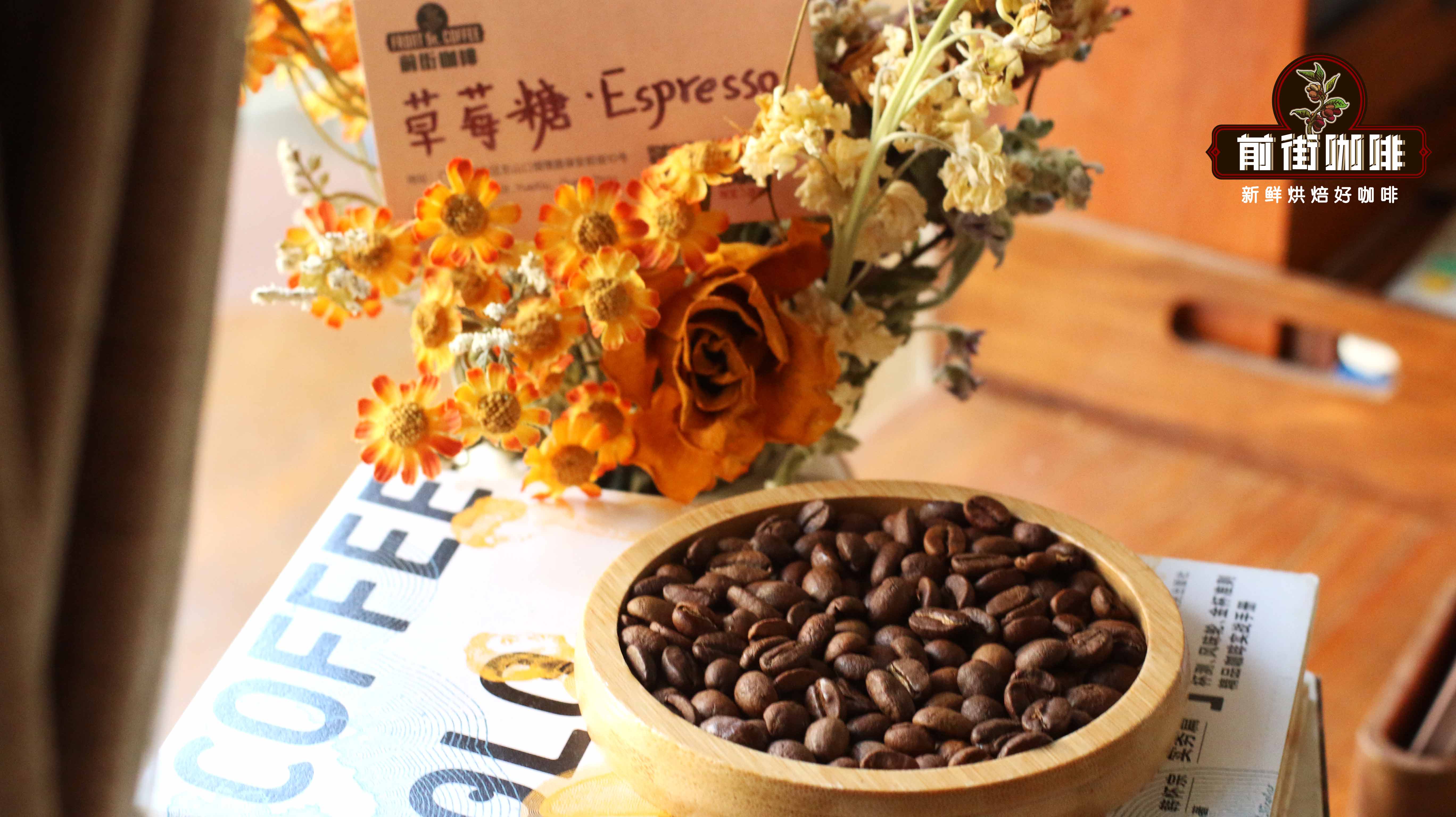
Espresso (Italian-style concentrated coffee) is a pure black coffee liquid extracted by forcing high-pressure steam through a layer of coffee grounds, resulting in a small amount of richly aromatic coffee topped with a golden Crema (creamy layer). Although rarely appearing alone on café menus, it serves as the foundation for common drinks like Americano, latte, and cappuccino, and can be considered the soul recipe of coffee shops. To make high-quality espresso, the choice of coffee beans is crucial: readers who prefer roasted nut or fried peanut aromas may consider specialty blends, Queen Estate, or Brazilian Red Bourbon; those seeking subtle floral notes and fruity tones might opt for Strawberry Sugar espresso blend; and for those prioritizing cost-effectiveness, Black Cocoa blend is also an industry-recommended practical choice.
When making a hot latte, the espresso liquid is typically poured into a preheated coffee cup first, followed by steaming the milk with the steam wand of an espresso machine to around 55-65°C to ensure the milk foam is smooth and of moderate thickness. It is then thoroughly combined with the coffee liquid, and latte art is added as a finishing touch. Since the recipe only includes espresso and fresh milk, the latte directly showcases the coffee bean’s original aroma and the natural sweetness of milk. For example, the Warm Sunshine blend produces a hot latte that offers a sweet aroma reminiscent of liquor-filled chocolate, accompanied by vanilla, nut, and berry flavors, with a texture as smooth as cream.

Mocha coffee, on the other hand, is defined as an Italian-style milk coffee with added chocolate. Most methods use chocolate sauce to simplify the process, but this very choice becomes a common challenge in home preparation. Chocolate itself has a strong bitter taste, and popular commercial chocolate sauces often add large amounts of sugar to improve palatability, causing the sugar and chocolate to merge indistinguishably—making it impossible to adjust their proportions independently. When the chocolate flavor is insufficient, adding more chocolate sauce may enhance the flavor but simultaneously increases the sweetness, creating an awkward cycle of “the more you add, the sweeter it gets.” As a result, many shops, in addition to chocolate sauce, include other ingredients to balance the flavor. Below, we’ll share how to make a mocha coffee that is rich in chocolate, sweet but not cloying, and layered with complexity.
The key to an ideal mocha lies in achieving both “sufficient chocolate concentration” and “just the right balance of sweetness and bitterness.” While chocolate sauce remains the base (due to its naturally integrated sweetness and chocolate flavor), unsweetened cocoa powder is also added to boost intensity—unsweetened cocoa powder not only enhances the chocolate flavor and richness but also contains no sugar, thus not affecting overall sweetness, making it an ideal choice for increasing chocolate concentration (though melting dark chocolate yields even better results, the process is more complicated). Next, we’ll explain the specific preparation processes for both hot and iced mochas.
Steps to make a hot mocha:
Required materials and tools: 1 coffee cup, mixing cup/bowl (optional), filter (optional), milk, espresso, chocolate sauce, unsweetened cocoa powder.
Step one: Make the chocolate espresso base
Take a mixing cup, add 15ml of chocolate sauce and 5g of unsweetened cocoa powder (this ratio has been tested to deliver suitable sweetness and a rich chocolate flavor; those who prefer it sweeter can increase the chocolate sauce to 20ml). Pour in one shot of espresso and stir using its heat until the chocolate sauce and cocoa powder are completely melted and integrated.

Step two: Filter undissolved cocoa powder
When pouring the mixture into the latte cup, it is recommended to use a filter to remove any undissolved clumps of cocoa powder to ensure a smooth texture.

Step three: Sprinkle cocoa powder for aroma
If a sieve is available, sprinkle a small amount of cocoa powder on the surface of the base to enhance the chocolate aroma of the final drink.
Step four: Steam the milk
Similar to a hot latte, the milk should be steamed to 60-68°C (ideally 65°C to bring out the sweetness of lactose) and maintained at a thin microfoam state. The ratio of milk to coffee base is 1:4 (i.e., 50ml of base paired with 200ml of milk).
Step five: Combine and latte art
Once steaming is complete, begin combining; if planning to pour latte art, note that the base has high viscosity and low fluidity, so it is recommended to increase the amount of milk to improve flowability and ensure good latte art results.
The finished hot mocha is not only visually appealing but also rich in flavor layers: the intense, sweet chocolate pairs with the whiskey-like aroma, buttery cookie notes, and subtle berry fruitiness from the Warm Sunshine blend, presenting an overall liquor-chocolate character.

Adjustments for making iced mocha:
Iced mochas use ice cubes to cool and replace part of the milk, and the melting of the ice dilutes the overall concentration, resulting in a thinner texture. Therefore, it’s necessary to increase the amount of chocolate base ingredients: raise the chocolate sauce to 20ml and unsweetened cocoa powder to 8g to enhance the chocolate concentration. The preparation process is the same as for a hot mocha, with the final assembly order being: first place 90g of ice cubes in the cup, pour in 160ml of milk, then drizzle the chocolate coffee base on top. Stir well before drinking to evenly mix the components, and if conditions allow, additional whipped cream or a milk cap can be added to enhance the texture.
The above content is compiled by CoffeeHunters, a coffee news website.


