







Introduction:As one of the world’s top-tier coffees, Jamaican Blue Mountain hails from the legally designated growing regions of Jamaica and has long been celebrated for its delicate balance and unique flavor profile. Many coffee enthusiasts wonder: can Blue Mountain be brewed using a moka pot? This article takes you deep into the CIB certification, grading system, and purchasing considerations of Blue Mountain coffee. We also demonstrate how to brew a well-known brand’s Blue Mountain No. 1 using both pour over and moka pot methods, analyzing the costs and ideal scenarios for each approach—so you can easily enjoy the true taste of Blue Mountain at home.
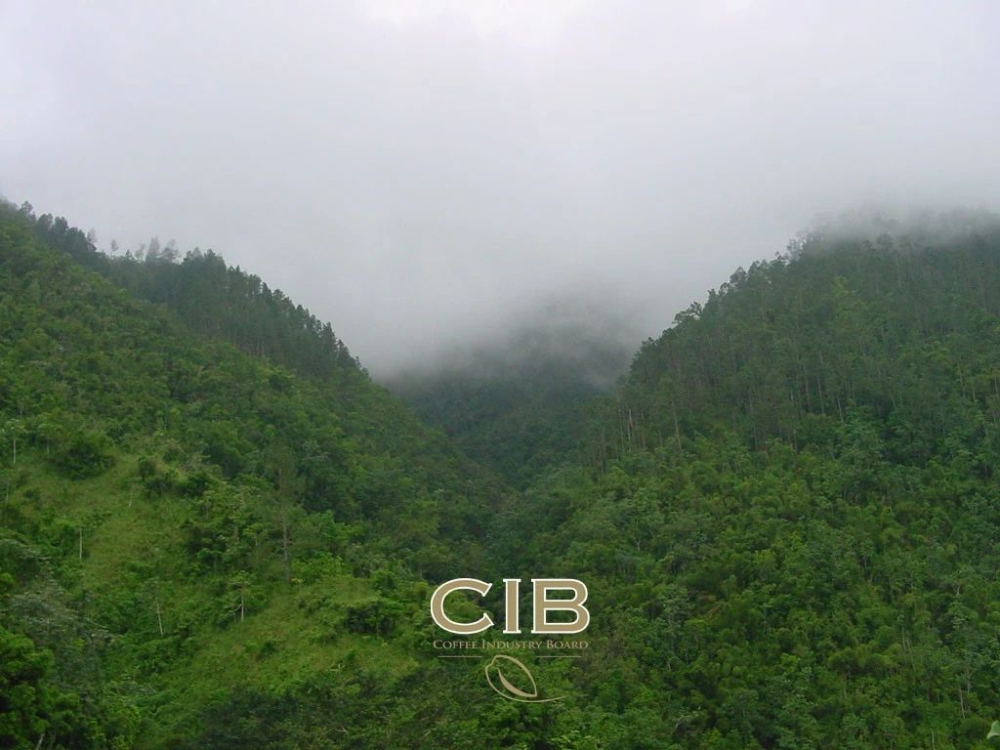
Blue Mountain coffee is grown in the legally designated regions of the Blue Mountains in Jamaica at elevations above 2,200 feet (approximately 671 meters). Thanks to its unique microclimate and soil conditions, it boasts a balanced, full-bodied flavor and deep aroma, making it a prized choice among coffee lovers worldwide. A reader asked whether it’s possible to use a well-known brand’s Blue Mountain No. 1 for moka pot brewing—and the answer is yes, with the key prerequisite being selecting beans from a reliable source. This article will start by introducing the certification labels, grade classifications, and quota background of Blue Mountain coffee, then delve into how to identify genuine Blue Mountain beans. We’ll follow up with practical demonstrations of both pour over and moka pot brewing methods, and finally guide you through making a Blue Mountain Americano and a Blue Mountain Latte, explaining the brewing parameters and cost details.
First, let’s discuss how to distinguish authentic Blue Mountain coffee. Due to limited import channels in the past and the coffee’s scarce production, many people believe that “it’s impossible to find real Blue Mountain in the Chinese market,” or even that “all Blue Mountain served in local cafés is fake.” However, the reality is that even without official import routes, the Chinese market still accounts for about 15% of global Blue Mountain consumption—a figure that surprised even Jamaican authorities and prompted them to pay more attention to the Chinese market. Nowadays, legally imported or third-country-sourced Blue Mountain coffee is becoming increasingly common, available in both green and roasted forms through various channels.
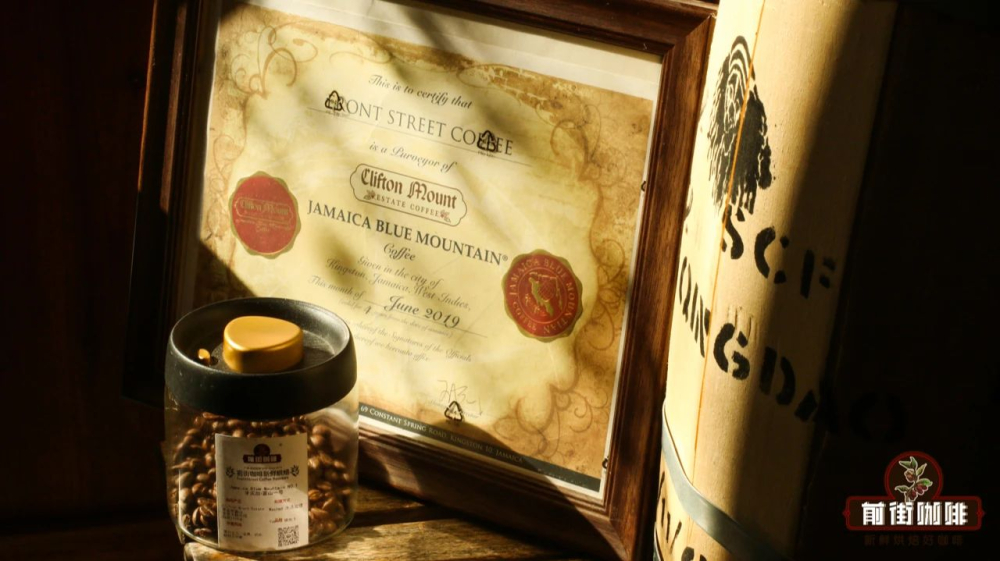
To identify authentic Blue Mountain coffee, first check for the CIB certification mark and the “Jamaica Blue Mountain” trademark on the product packaging. For boxed products, you can visit the CIB official website to verify whether the brand has legal authorization. For loose coffee beans, it’s recommended to request the origin certificate, as these beans are usually repackaged from 70-kilogram wooden barrels, each of which comes with an official certificate of origin.
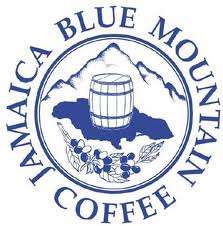
The CIB (The Coffee Industry Board of Jamaica) is the official body responsible for managing the cultivation, production, and export of Jamaican coffee. It also owns the famous Wallenford Estate and holds the rights to the legal name “Jamaica Blue Mountain.” Only coffee grown at elevations above 2,200 feet in the Blue Mountain region qualifies to bear the round Blue Mountain certification mark, and wooden barrels are accompanied by certificates of origin. Coffee from lower-altitude regions may not use the Blue Mountain name or related marks. Therefore, when purchasing, be sure to look for this iconic round label (Note: UCC-brand Blue Mountain coffee is an exception and is not required to display the label).
Currently, the CIB website also publishes a list of legally authorized exporters, including well-known suppliers such as Country Traders Limited, UCC, Wallenford, and Golden Cup, where you can also check their specific authorization scopes. This is crucial reference information for consumers looking to purchase genuine Blue Mountain coffee directly.
Blue Mountain coffee is divided into multiple grades based on the size of the green beans (measured by screen size) and the ratio of defects. The highest grade isBlue Mountain No. 1(Blue Mountain No. 1), which uses S-17/18 screens. These beans are large in size with a defect rate below 2%, and are recognized as the most premium Blue Mountain offering in the market. Next isBlue Mountain No. 2(S-16/17, defect rate<2%)、Blue Mountain No. 3(S-15/16, defect rate<2%)。另外還有特別受歡迎的Blue Mountain Peaberry, characterized by a high proportion of round, single beans with a defect rate<2%,常被視為等級更高或介於No.1與No.2之間的特殊品種。而將上述幾個等級混合的咖啡,則稱為Blue Mountain Triage, which allows a higher defect rate<4%。
As for coffee not from the legally designated Blue Mountain regions, there are also three grades:High Mountain(S-17/18, defect rate<2%)、Jamaica Prime(S-16/18, defect rate<2%)、Jamaica Select(S-15/18, defect rate<4%)。這些雖非正統藍山,但品質仍有一定水準。
Regarding screen sizes, No. 17 represents a sieve hole diameter of approximately 6.75 millimeters, used for classifying the size of green beans. The higher the screen number, the larger the bean size, which usually indicates a richer flavor. However, note that these values refer to green beans, as roasting causes expansion and changes.
Next, let’s discuss the quota system for Blue Mountain coffee. In 1969, Jamaica was hit by a major hurricane that severely damaged its coffee industry. Later, Japan’s UCC company provided aid to help revive the industry. In gratitude, starting in 1972, Jamaica signed an agreement with Japan reserving 90% of Blue Mountain coffee quotas for the Japanese market, with the remaining 5% allocated to Europe and the United States—hence the saying “Japan monopolizes Blue Mountain.” However, in practice, Japan also re-exports some of its Blue Mountain coffee to other regions, and due to its control over the main supply, prices remain relatively high. It’s worth noting that some UCC-brand products do not display the CIB certification, as the brand already enjoys high recognition in the Japanese market and doesn’t require additional certification to gain consumer trust.
The Blue Mountain coffee used by a well-known brand is of the traditional Typica variety, with oval, flat beans. Even when grown at different altitudes, the thickness of the green beans doesn’t vary much. Typica is one of the oldest coffee varieties, originally brought from Yemen through Ethiopia to India, then introduced to Southeast Asia by the Dutch, and later spread to the Americas—giving rise to numerous variants such as Kona from Hawaii and Garundang from Sumatra. Blue Mountain is one of them.
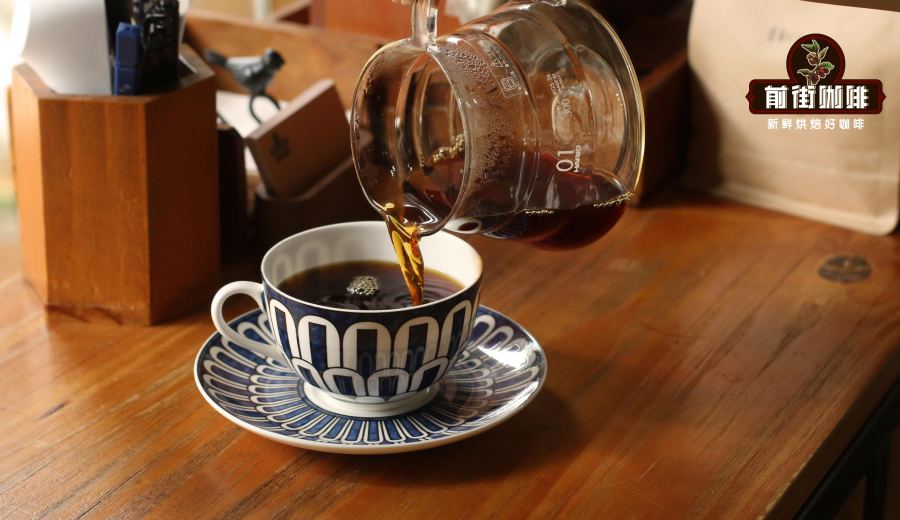
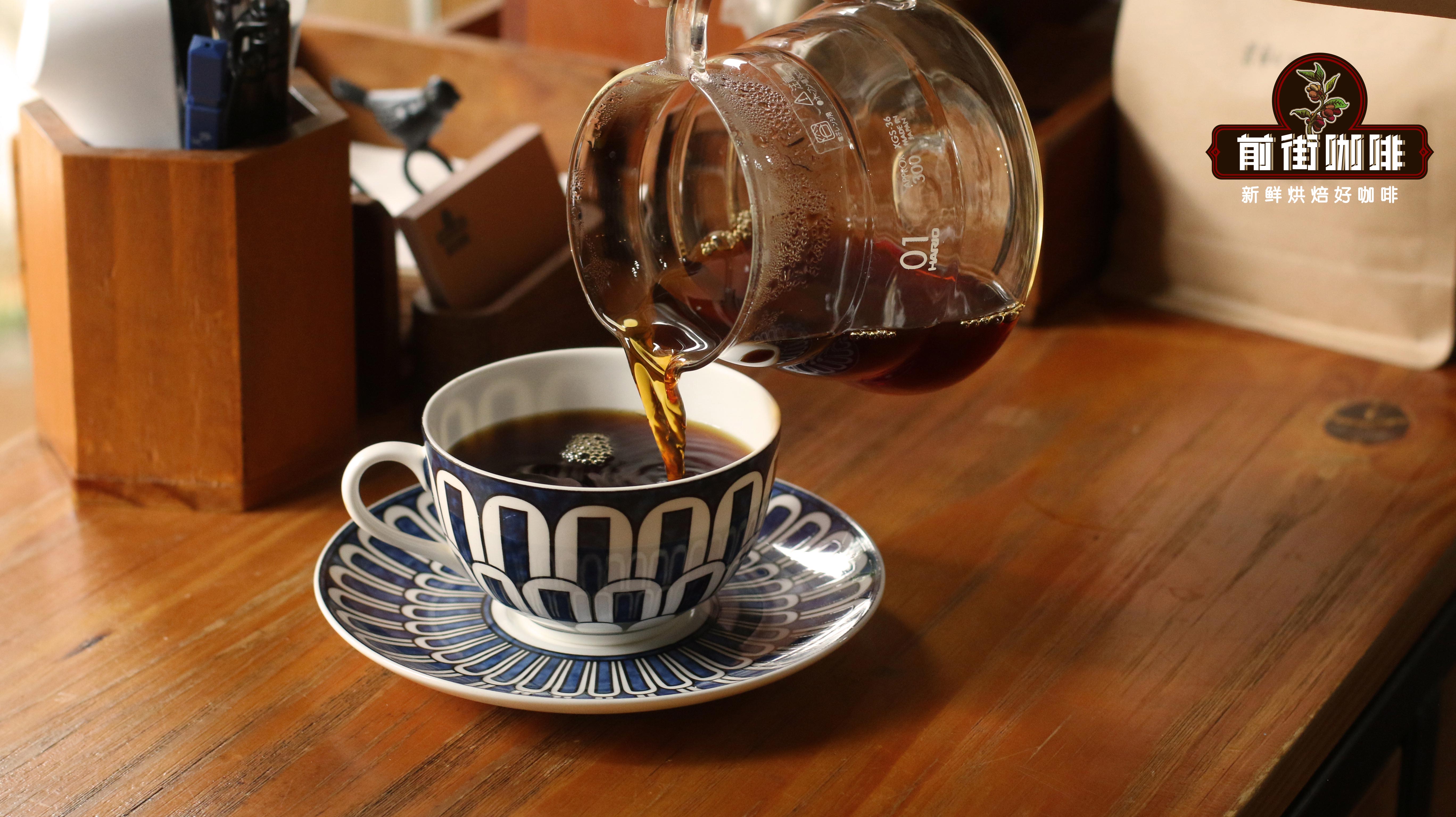
Next, we’ll demonstrate two brewing methods for Blue Mountain coffee: pour over and moka pot. First, we’ll use a pour over filter (we recommend the KONO filter, whose rib design reduces airflow and extends extraction time, resulting in a more stable flavor) to brew Blue Mountain No. 1. Recommended parameters: 15 grams of coffee, a 1:15 coffee-to-water ratio, grind size around EK43s scale 10.5 (75% extraction rate through a Chinese No. 20 sieve), water temperature 87–88°C, using a three-stage pour. Start with a 30-second bloom using 30 grams of water, then pour up to 125 grams, and finally add water up to 225 grams, for a total extraction time of about 2 minutes. The resulting pour over Blue Mountain offers flavors of chocolate and nuts as the base, with a full body and almond aftertaste. As it cools, it reveals a creamy sweetness and caramel aroma—truly captivating.
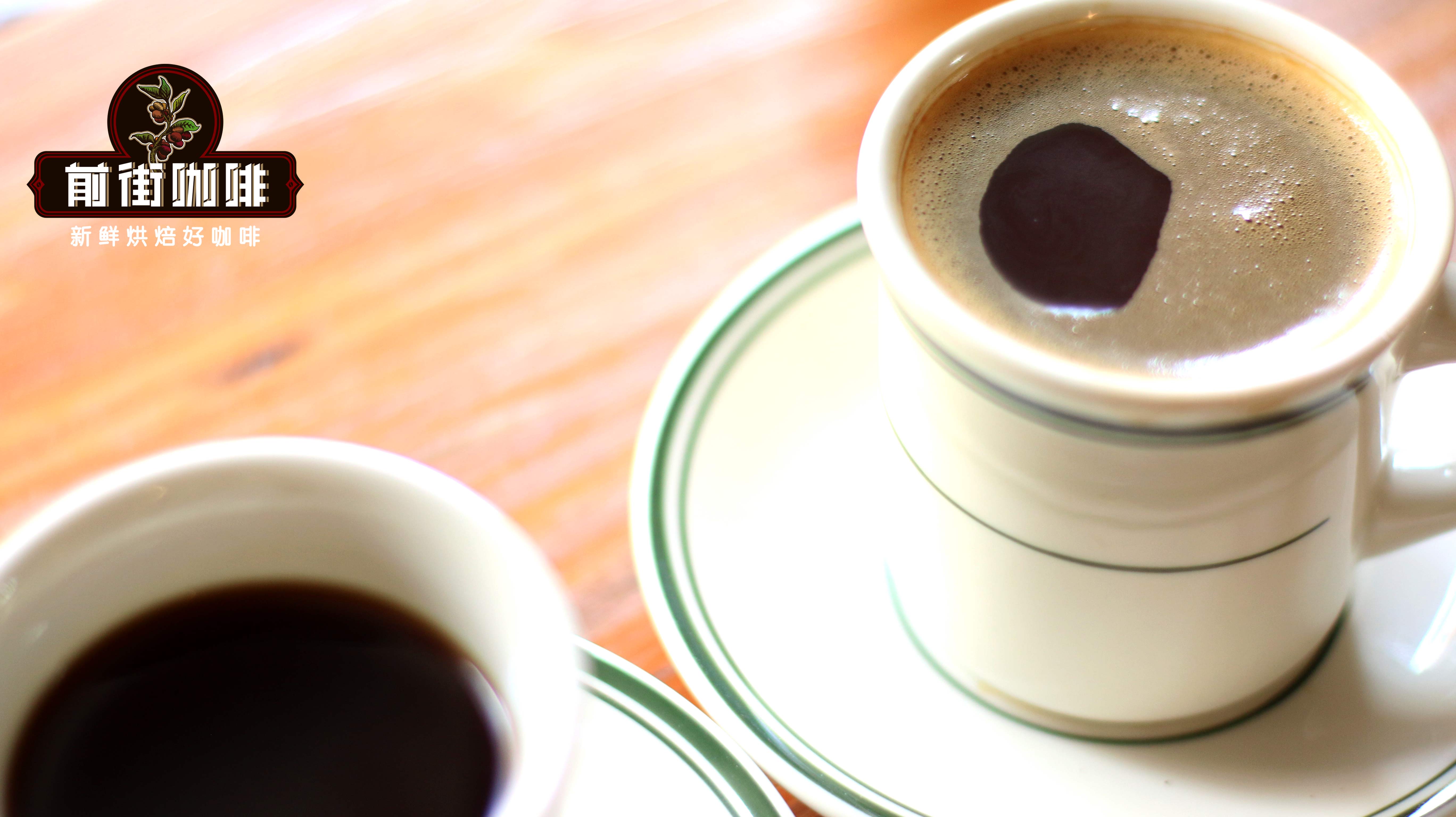
If you prefer moka pot brewing, we recommend using 20 grams of Blue Mountain No. 1 coffee, ground to a consistency slightly finer than granulated sugar—between pour over and espresso. Add hot water to the bottom chamber, keeping the water level about 0.5 cm below the safety valve to avoid over-extraction. Place the coffee grounds in the filter basket, press lightly to level, then assemble the top chamber. Heat over medium-low flame. When you hear a hissing sound from the moka pot, reduce the heat and observe the coffee flowing into the top chamber. Turn off the heat once the liquid reaches halfway. Use the remaining heat to finish extraction. Pour the brewed espresso into a 250 ml cup, add 200 grams of hot water, and you’ve got a Blue Mountain Americano. For a rich Blue Mountain Latte, simply add fresh milk and foam—enjoying its bold flavor and classic Blue Mountain aroma.
In summary, although Blue Mountain coffee is precious, by using the correct certification and purchasing channels and mastering the right brewing parameters, you can enjoy this Jamaican specialty at home. Whether you choose the nuanced layers of pour over or the bold richness of moka pot, you can experience the unique charm of Blue Mountain coffee.
The above content is compiled by CoffeeHunters, a coffee news website.


